
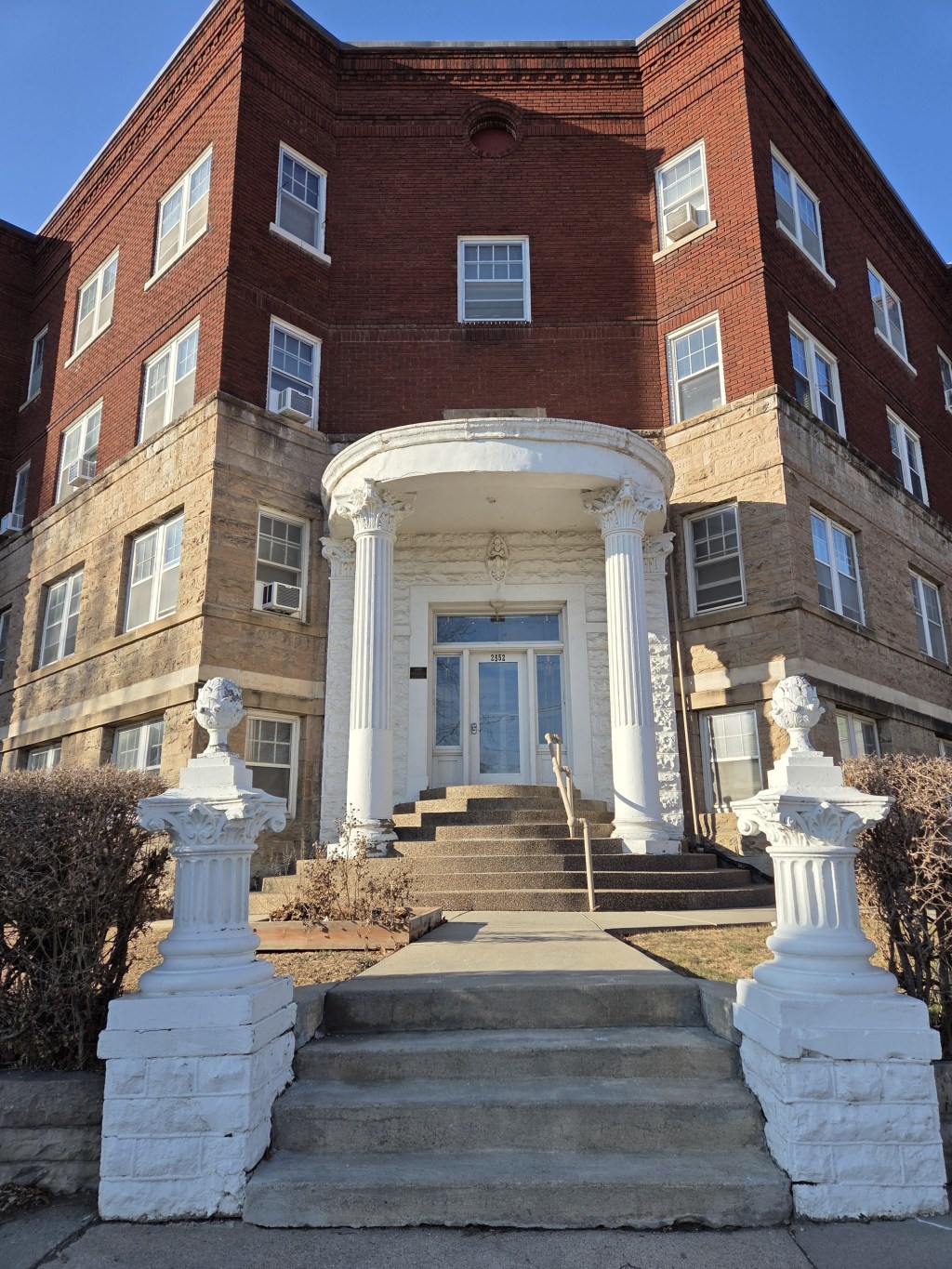
Tucked a block south of Leavenworth Street along 25th Avenue stands the most impressive apartment building constructed by Omaha’s first Italian millionaire.
d

When an influx of Italian immigrants began arriving in Omaha in the early 20th century, Vincent turned his attention to real estate. He moved to the Columbus Park neighborhood, where many of those immigrants also settled, forming what would become a thriving Italian enclave.
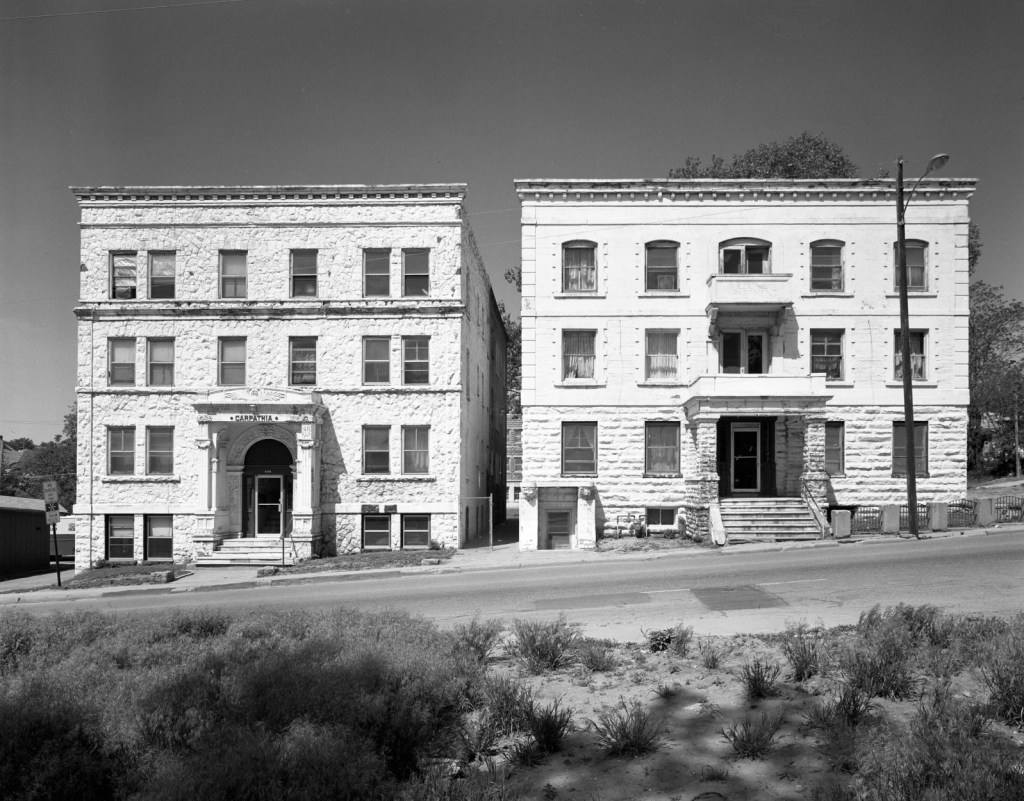
Near his home—later known as the Chiodo Palace at 1004 S. 25th Avenue—he constructed duplexes, both small and large homes, and Chiodo Hall at 1105 S 24th Street that later became home to Kitty Clover Potato Chips and Rotella’s Italian Bakery. He also built four apartment buildings, starting with the Leone in 1911, followed by the Florentine in 1912, the Carpathia in 1913, and finally the Chiodo in 1918. By the 1920s, he was said to have owned nearly 50 houses and buildings in the area.

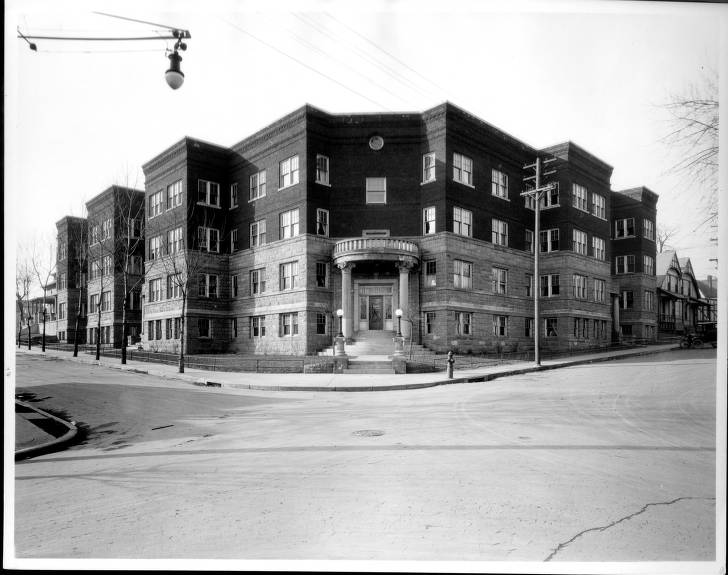
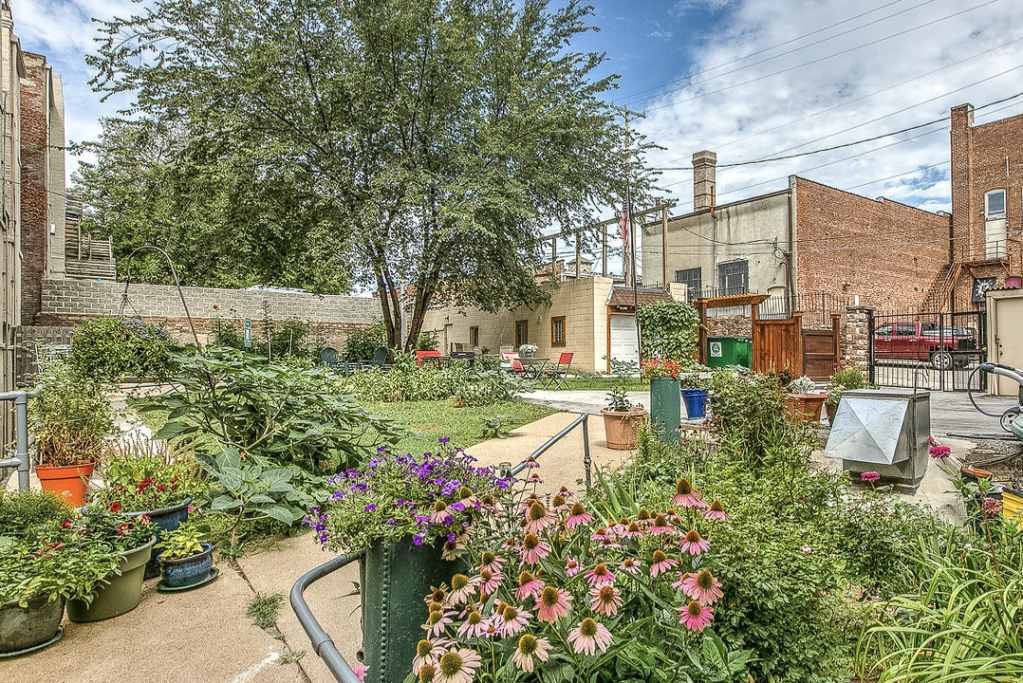
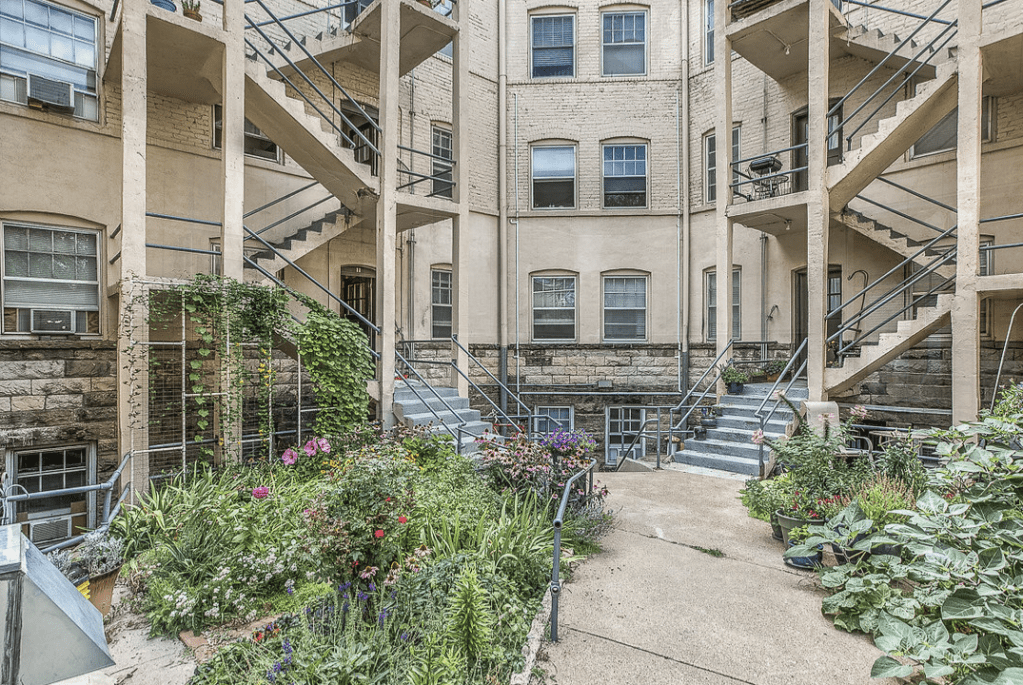
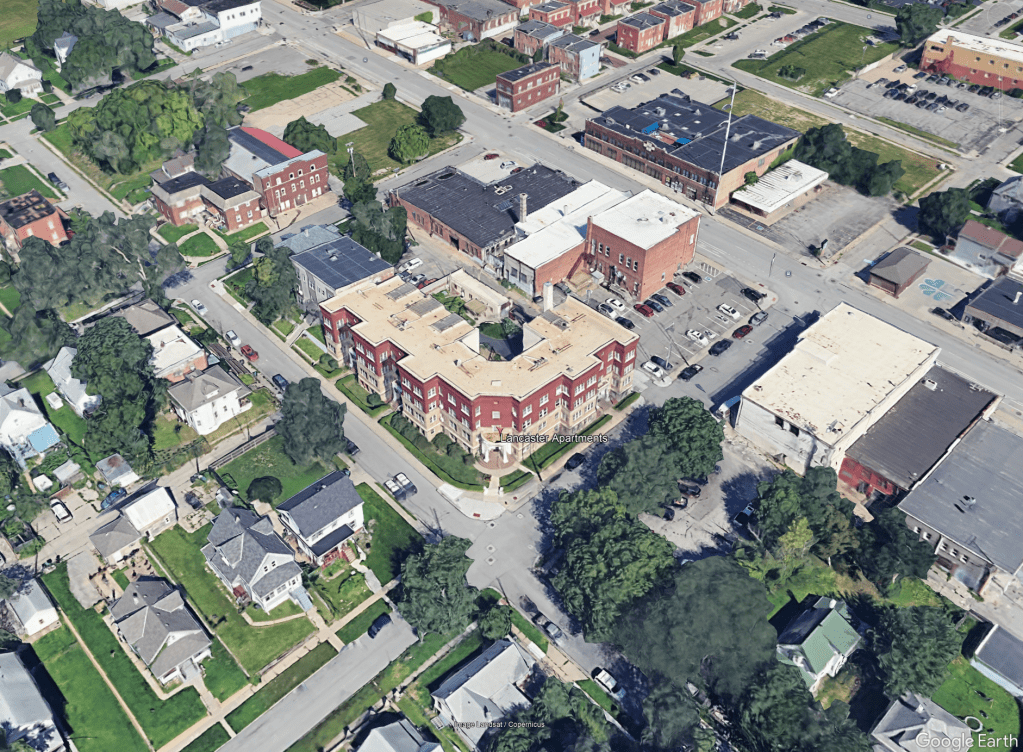
It was this final apartment complex that proved the most impressive: The Chiodo, located at 25th Avenue and Marcy Street. The L-shaped, four-story building was designed by architect Birger Kvenild, a native of Norway, in the Italian Renaissance style. While Vincent was not formally trained as an architect or builder, he was heavily involved in the design of the 30-unit apartment complex at 2552 Marcy Street.
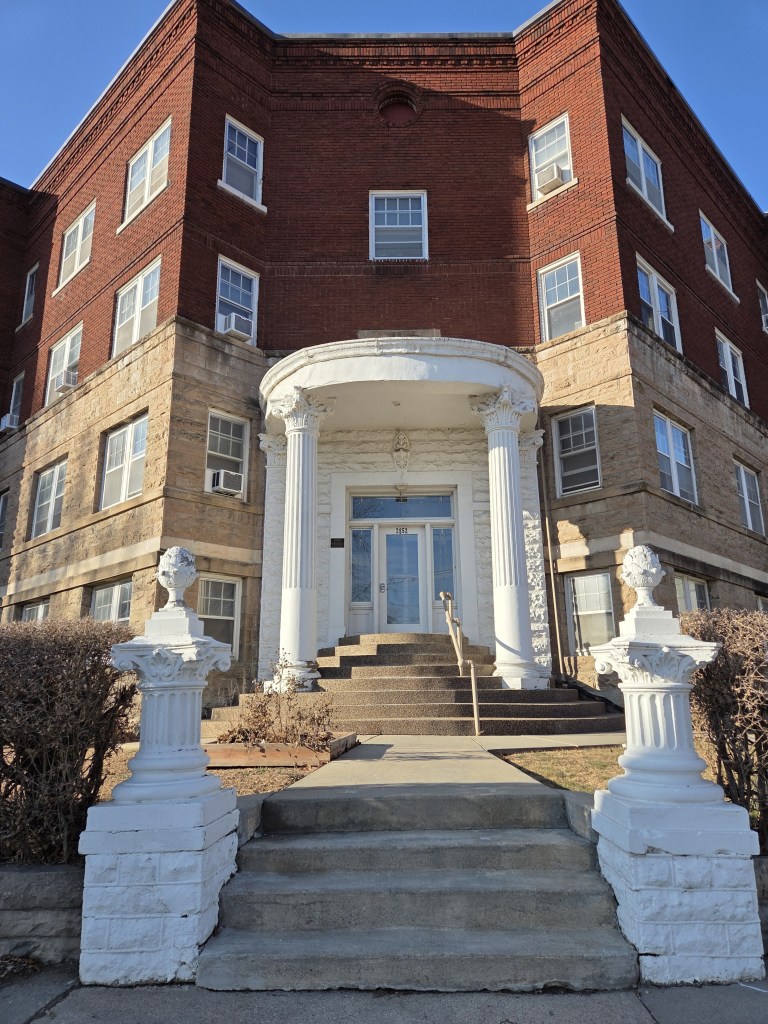
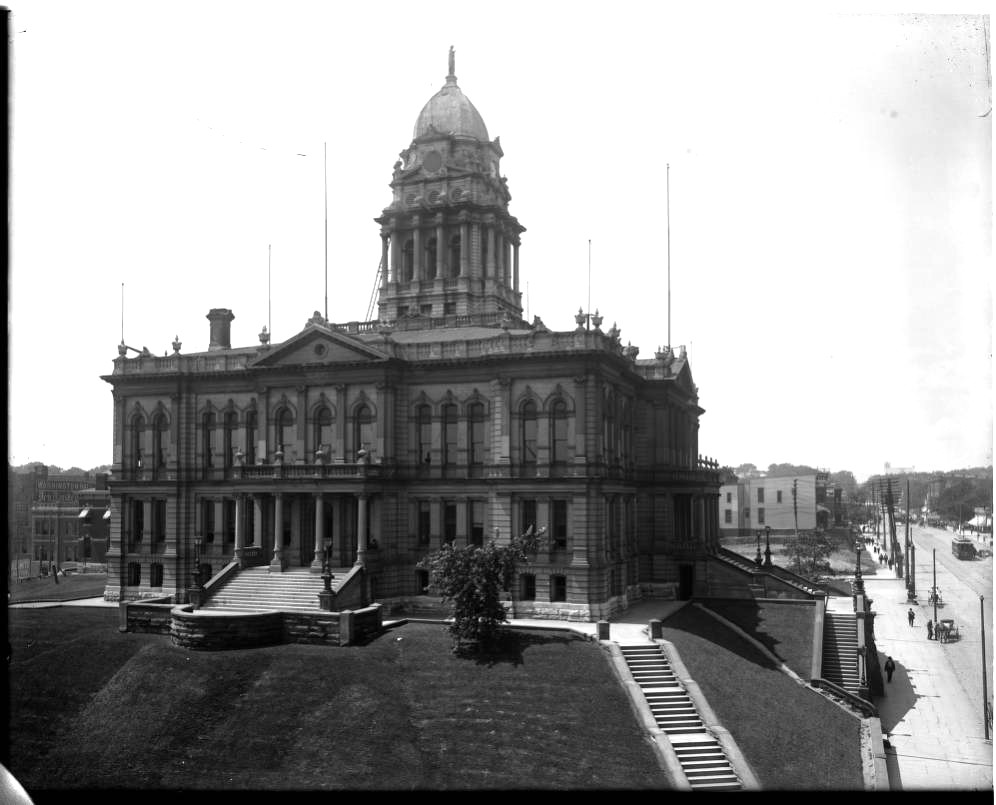
The building was constructed using brownstone and Corinthian columns salvaged from the 1885 Douglas County Courthouse. The stone was used for the foundation and the first two floors, while the columns flank each of the building’s four entrances. The upper two levels were made of red brick and featured four roundel windows above each entrance. Even more impressive is that each apartment had a sunroom which had windows on three sides bring the buildings total number of windows to more than 200.
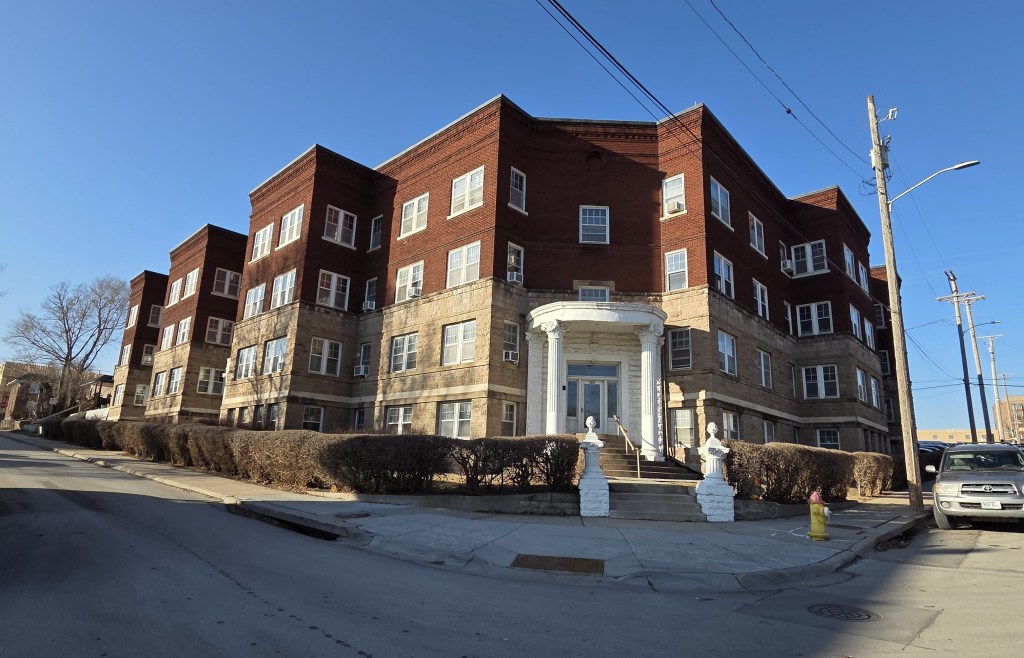
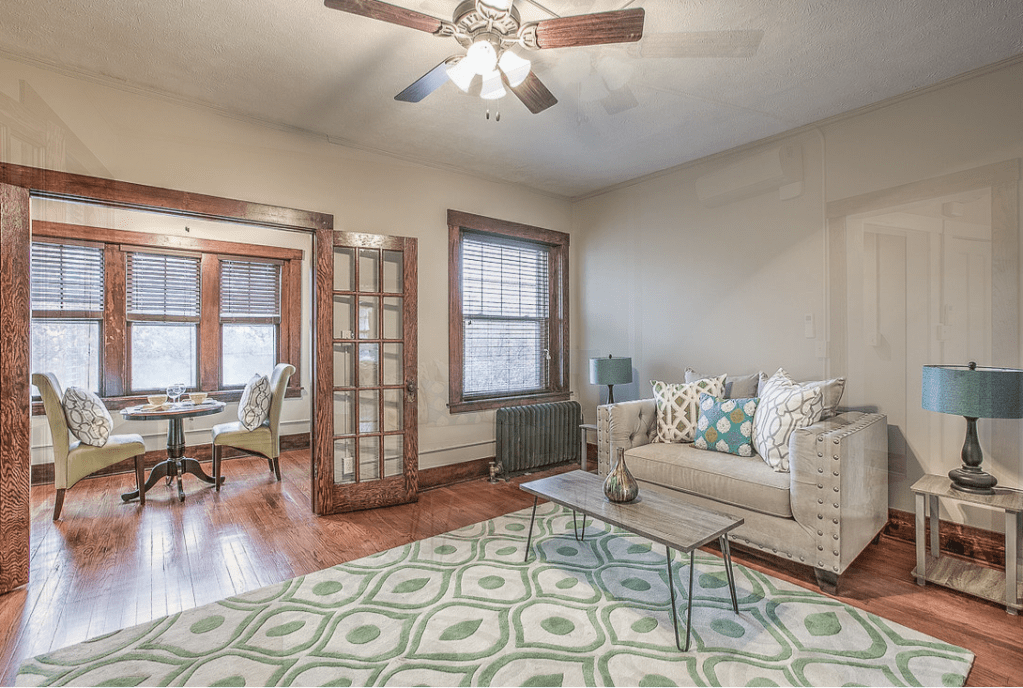
The complex was split into four separate wings, three of which contained eight units each, while a third held six units, with the remaining space utilized for a laundry room and storage. Inside, the building featured terrazzo floors, ornate oak staircases and French doors separating the living spaces.
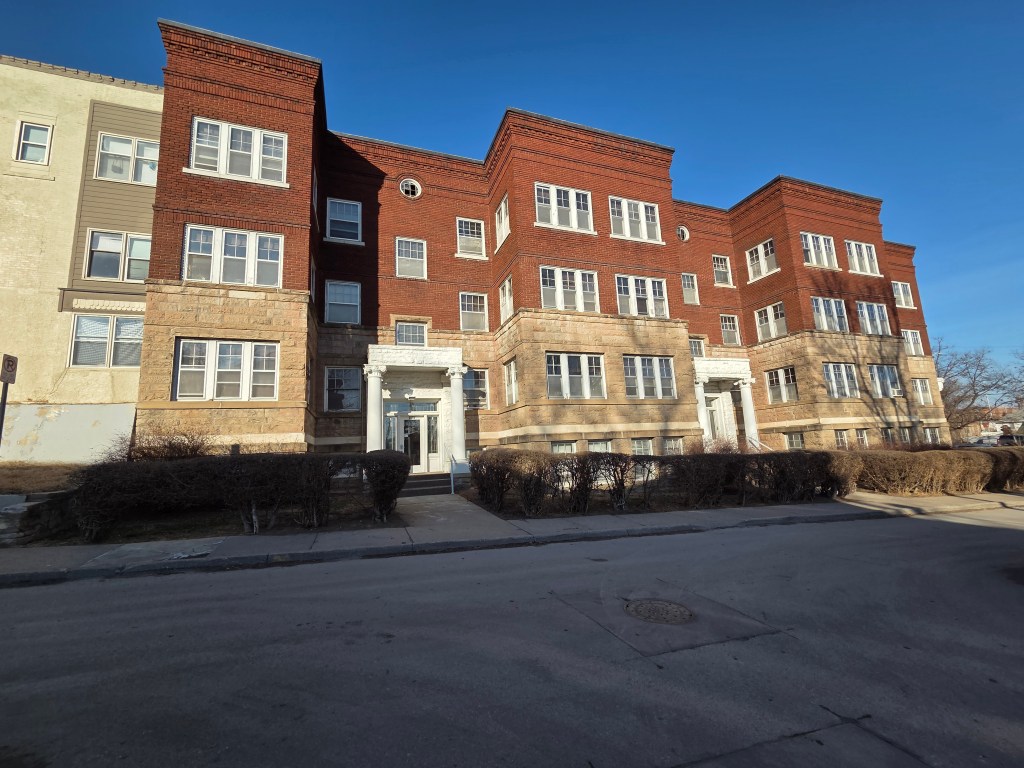
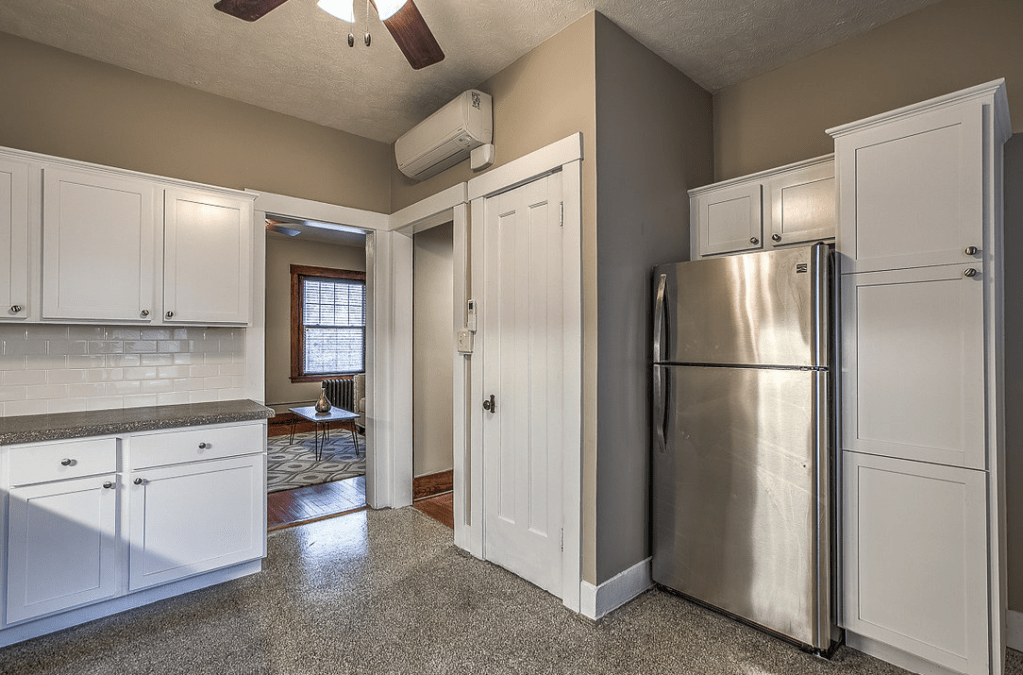
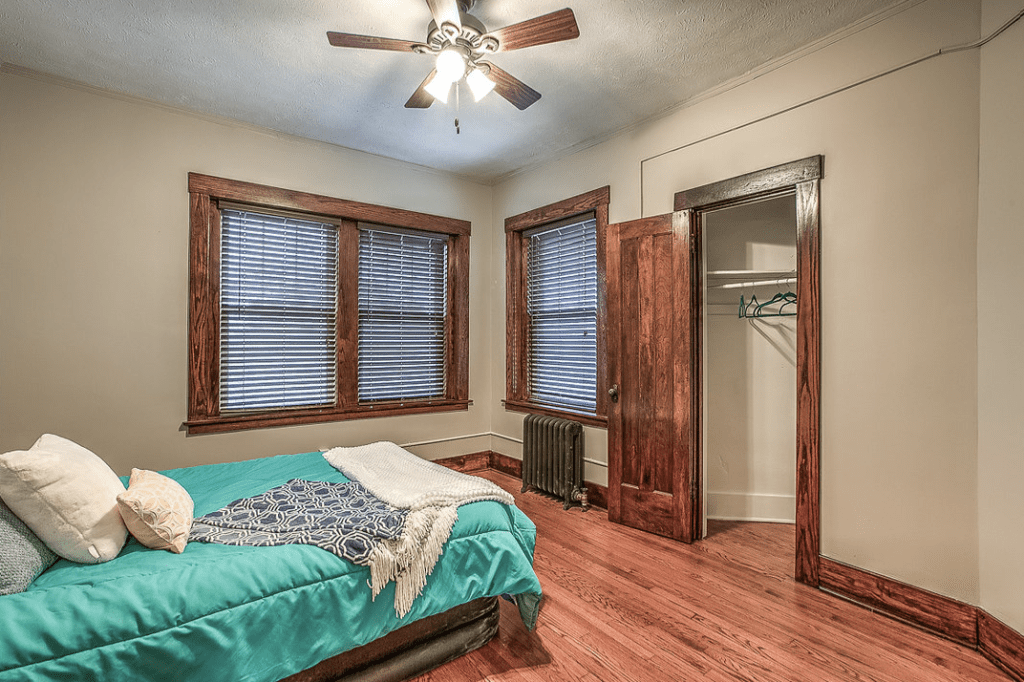
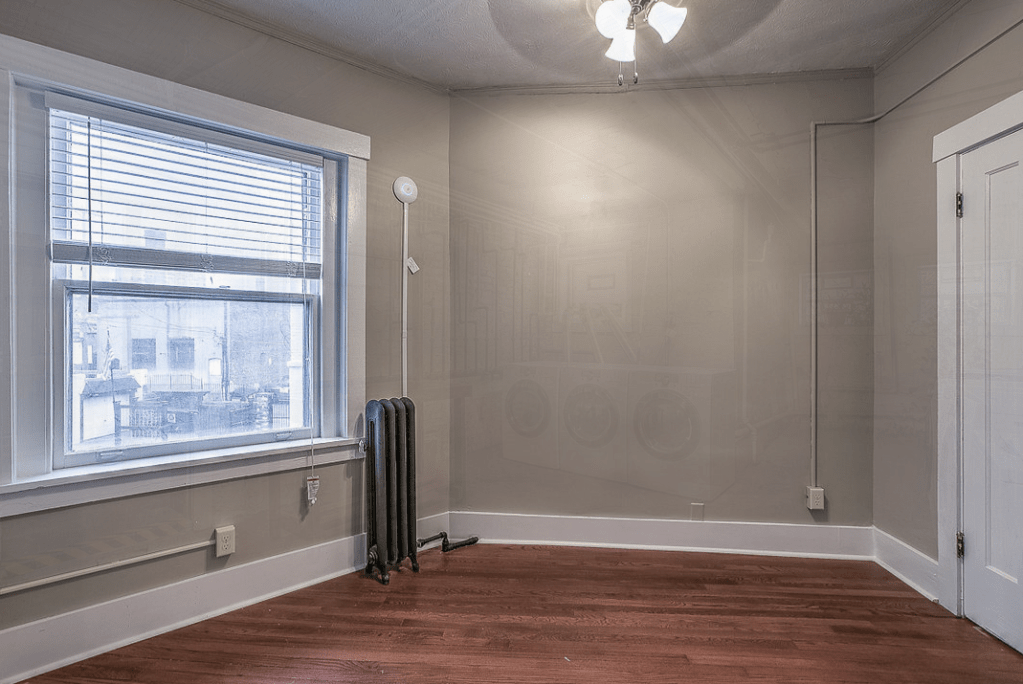
Following the Great Depression, Vincent lost his fortune and, in 1931, sold The Chiodo, which were renamed The Lancaster. Renovated and renamed Lancaster Flats in recent years, the building retains many of its original features and historic charm. It was added to the National Register of Historic Places in 2017.
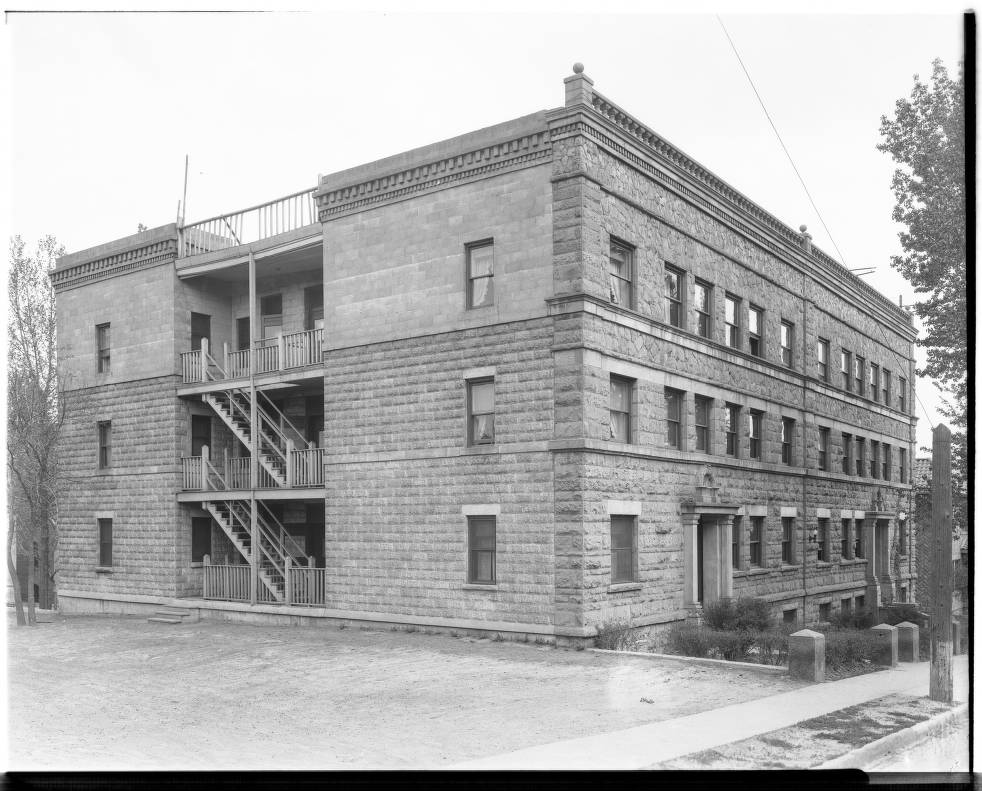
There is much more that could be written about Vincent Chiodo, who passed away in 1949. In addition to the former Chiodo Apartments, his Florentine Apartments at 907 S. 25th Street still stand, while the Leone and Carpathia buildings have since been razed.
Content written by Omaha Exploration. If you enjoy my content, you can follow or subscribe on my Facebook page, signup to receive emails or make a donation on my website. Thank you and until next time, keep exploring!
Read my content on Grow Omaha: Local History by Omaha Exploration | Grow Omaha
Omaha Exploration is sponsored by @Rockbrook Mortgage Inc.

Click the logo to learn more
Click here to learn about opportunities to sponsor Omaha Exploration!
More pictures


Follow OE on social media!
Get an email when new content is posted
Omaha Exploration, 2025. Unauthorized use and/or duplication of this material without express and written permission from this site’s author and/or owner is strictly prohibited. Excerpts and links can be used, if full and clear credit is given to Omaha Exploration with appropriate and specific direction to the original content.
Omaha Exploration proudly supports

Contact me or click the logo to learn more
 Omaha Exploration
Leave a comment