
Published May 6, 2025 | Updated July 13, 2026
As unlikely as it may seem, Nebraska had a history of being a pretty good place for growing grapes and winemaking in the years before Prohibition. Like the brewing industry, the onset of Prohibition killed it.
Fast forward a half century, and in the 1980s the Nebraska Legislature passed the Nebraska Farm Winery Act allowing farm wineries to operate in the state.

In 1985, Ed and Holly Swanson planted vines at Cuthills Vineyards in Pierce, Nebraska. They opened the doors to Nebraska’s first post-Prohibition winery in 1994. Its award-winning wines could be tasted in a restored 1920s dairy barn surrounded by seven acres of vineyards.

Nebraska’s second winery, and currently its oldest after Cuthills closed, was started by James Arthur Jeffers. Jeffers owned Quality Pork International, an Omaha deli meat manufacturing plant, before selling it and starting Lincoln Aviation Sales.

After acquiring a few hundred acres of land near Raymond in 1992, he planted apples only to realize that there were far too many orchards in the area. From there he pivoted to planting 100 grape vines at the suggestion of Jim Ballard, his son-in-law. Once they discovered the vines were still alive after the winter of 1994, they planted several hundred more.
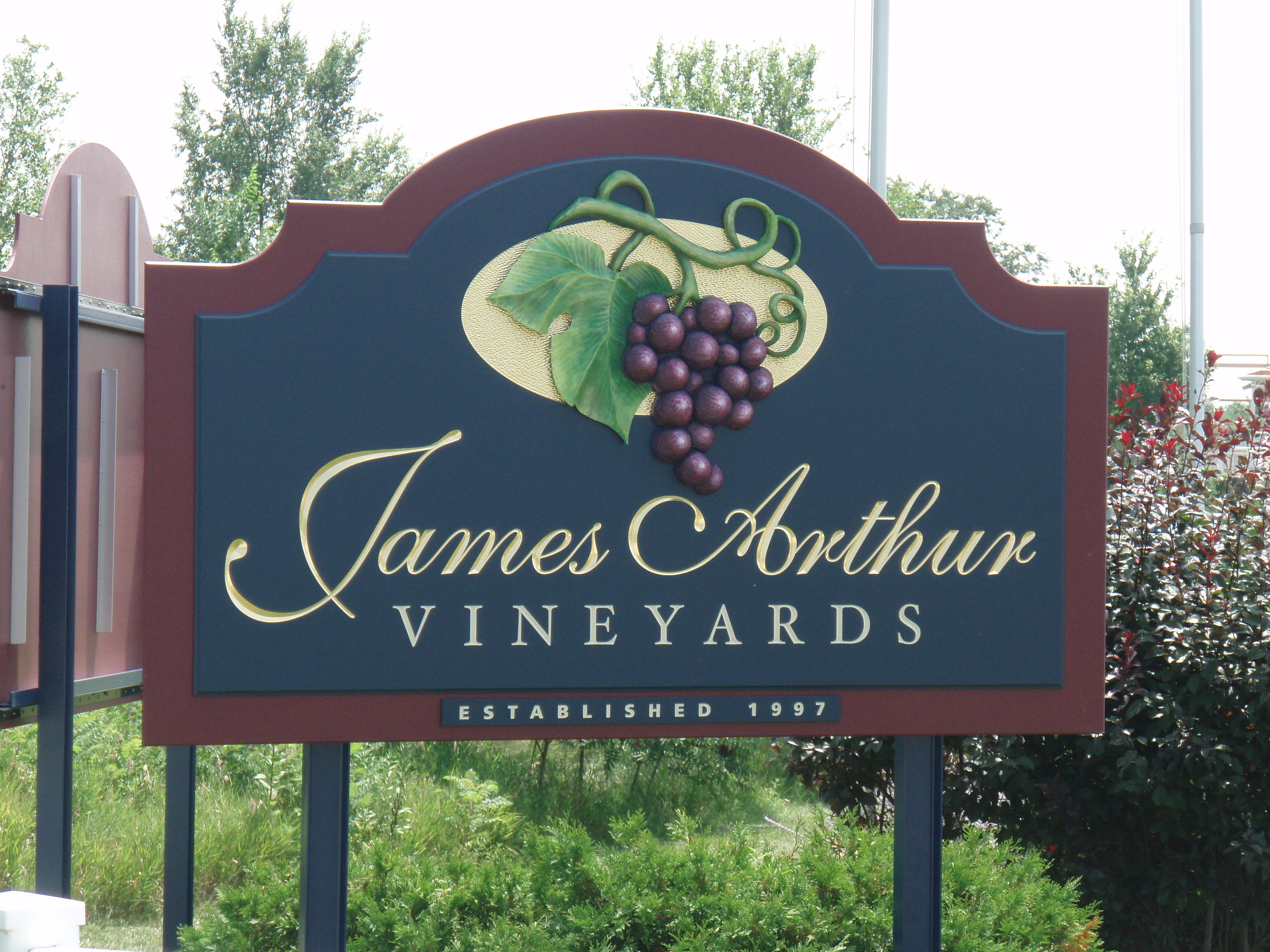
They planted test plots with French-American hybrid vines, consulted with the state’s only other vineyard at Cuthills in addition to grape growers in Missouri. Jeffers attended seminars at Michigan State University and purchased modern winemaking equipment. Lastly, he hired an expert winemaker from the University of California, Davis. In 1997, James Arthur Vineyards opened its doors and became Nebraska’s second winery.

Among its first Nebraska wines were Pommay, a fruit-infused semi-sweet honey wine made with 80% honey wine and 20% apple wine; Exquis, a fruity semi-sweet wine blended with cherries; and Rock Bluff White, an informal semi-dry white wine with touches of floral, spices, and apricots. Its 2009 Vignoles was named the best white wine at the Monterey Wine Competition in Napa Valley as well as the best-of-show prize at the Florida State Fair International Wine and Grape Juice Competition. In 2014, its Sweet Charlotte was named best American hybrid at Monterey. In 2012, Jeffers received the Nebraska Winery and Grape Growers Association’s highest honor, the NWGGA Pioneer Award.

James Arthur Jeffers, the founder of the winery that bears his name, passed away in 2021. Today his daughter Barb and son-in-law Jim continue to operate James Arthur Vineyards, which has 32 varieties using grapes grown on its property and from other producers around the state. It has since added apples and other fruits and a line of hard ciders called Curveball.
Today, James Arthur Vineyards is the state’s oldest and largest wine producer. It’s fitting that it now has a tasting room in Lincoln’s Historic Haymarket District at 8th and Q Streets.
Content written by Omaha Exploration. Feel free to leave a comment or a suggestion. Until then, keep exploring!
Omaha Exploration is sponsored by @Rockbrook Mortgage Inc.

Click here to learn about opportunities to sponsor Omaha Exploration!
More pictures

Follow OE on Facebook for more
Get an email when new content is posted
Omaha Exploration, 2024. Unauthorized use and/or duplication of this material without express and written permission from this site’s author and/or owner is strictly prohibited. Excerpts and links can be used, if full and clear credit is given to Omaha Exploration with appropriate and specific direction to the original content.
Sources
- Omaha World-Herald archives
- Lincoln Journal-Star archives
- https://jamesarthurvineyards.com/about-us/
Leave a Reply