
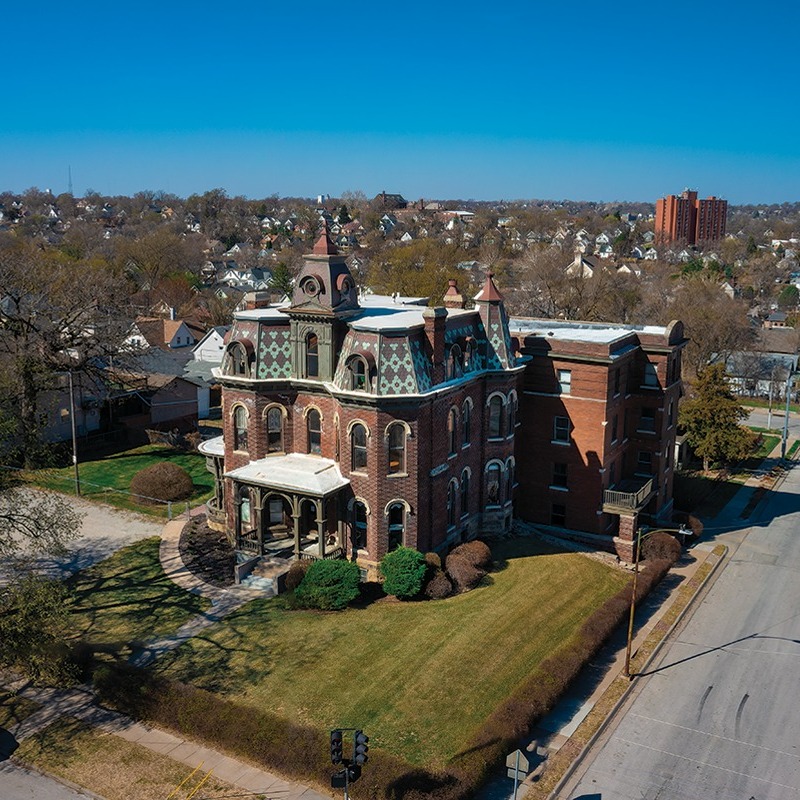
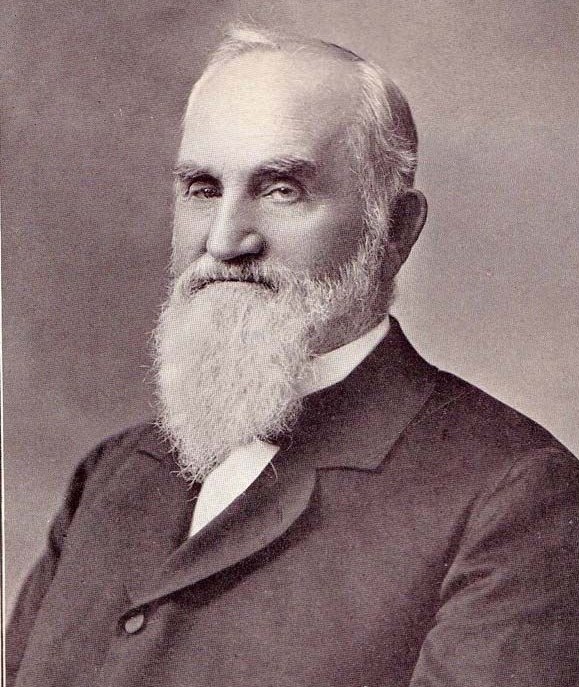
One of Omaha’s most recognizable residences belonged to Colonel Joel Northrup Cornish, a man whose grandfather fought in the Revolutionary War and who was himself commissioned as a colonel by President Abraham Lincoln during the Civil War.
Born in New York in 1828, Colonel Cornish worked as a teacher and principal before completing law school. Afterward, he moved to Iowa, where he established one of the area’s largest law firms. Eventually, trouble with his eyesight forced him to abandon his law practice and enter the banking industry. He first established the First National Bank of Hamburg before moving to Omaha and becoming president of the National Bank of Commerce.
Colonel Cornish acquired a prime piece of real estate at the southwest corner of 10th and William Streets to build a home for his family. The property was located in the Forest Hills neighborhood, which proved popular with wealthy professionals and business owners because it was removed from the noise, mud, and pollution of the downtown business district. The area earned its reputation as the city’s first Gold Coast, as it was home to 28 mansions.

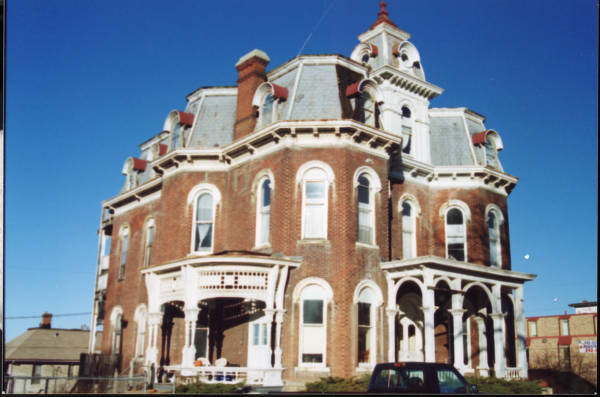
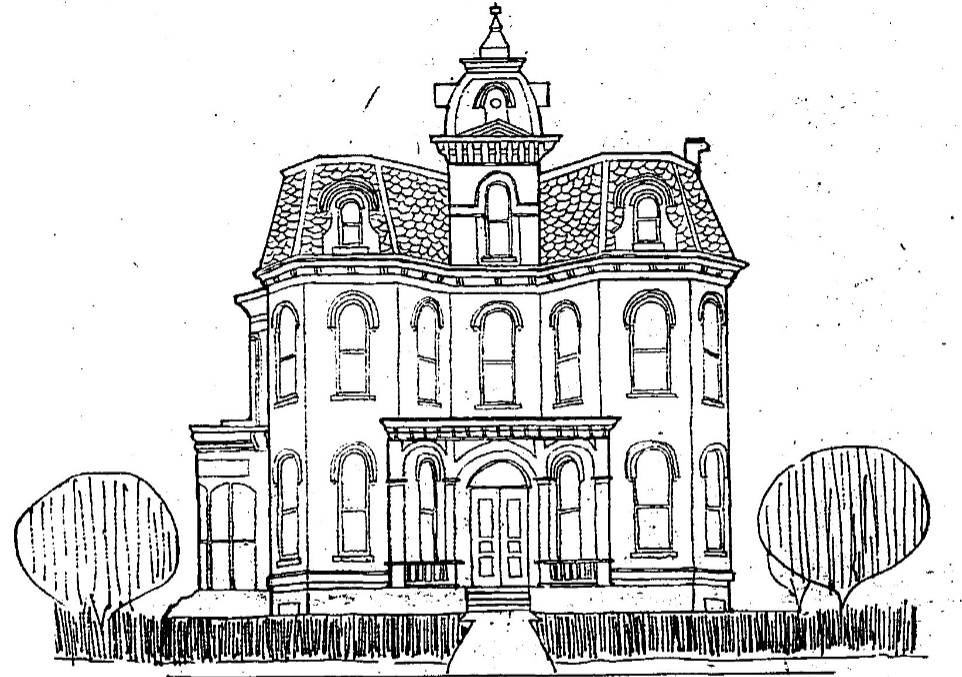
Built in 1886, the Cornish Mansion was designed by architect Styles Ezra Maxon of Council Bluffs in the Second Empire style, a reflection of the colonel’s East Coast roots, where this type of home was more common.
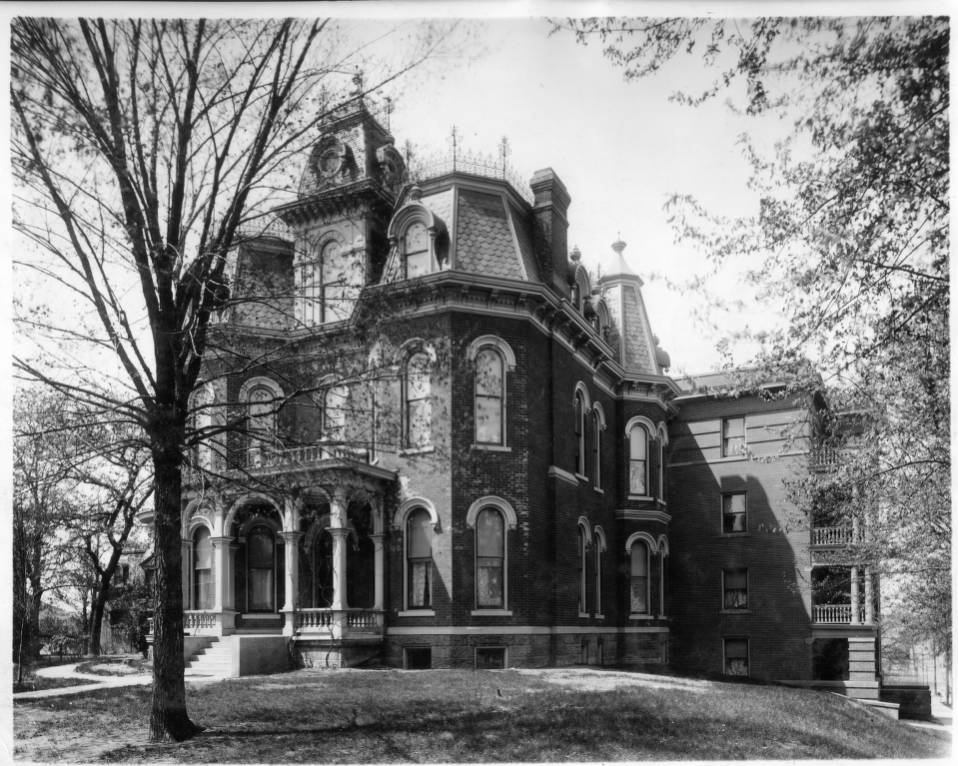
The exterior of the red brick structure stood out because of its slate mansard roof, round-topped dormer windows, and elaborate moldings beneath the roof’s eaves. Flanking each side of the front porch were two towers with a central cupola, while the porch on the south side featured Eastlake woodwork.

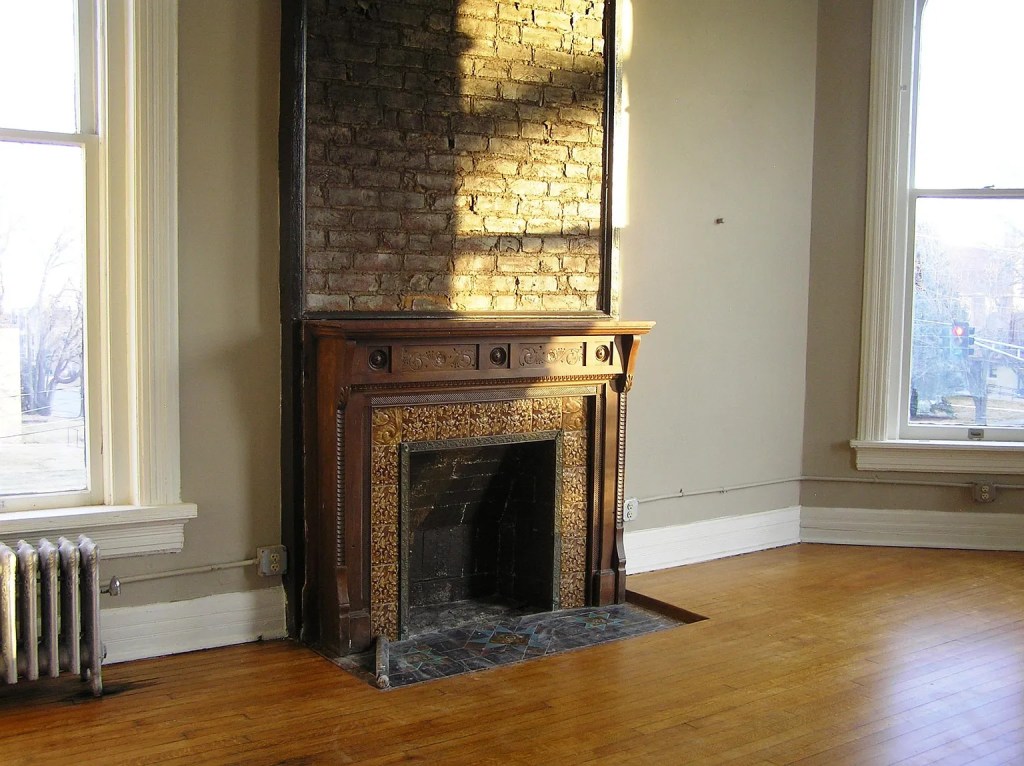
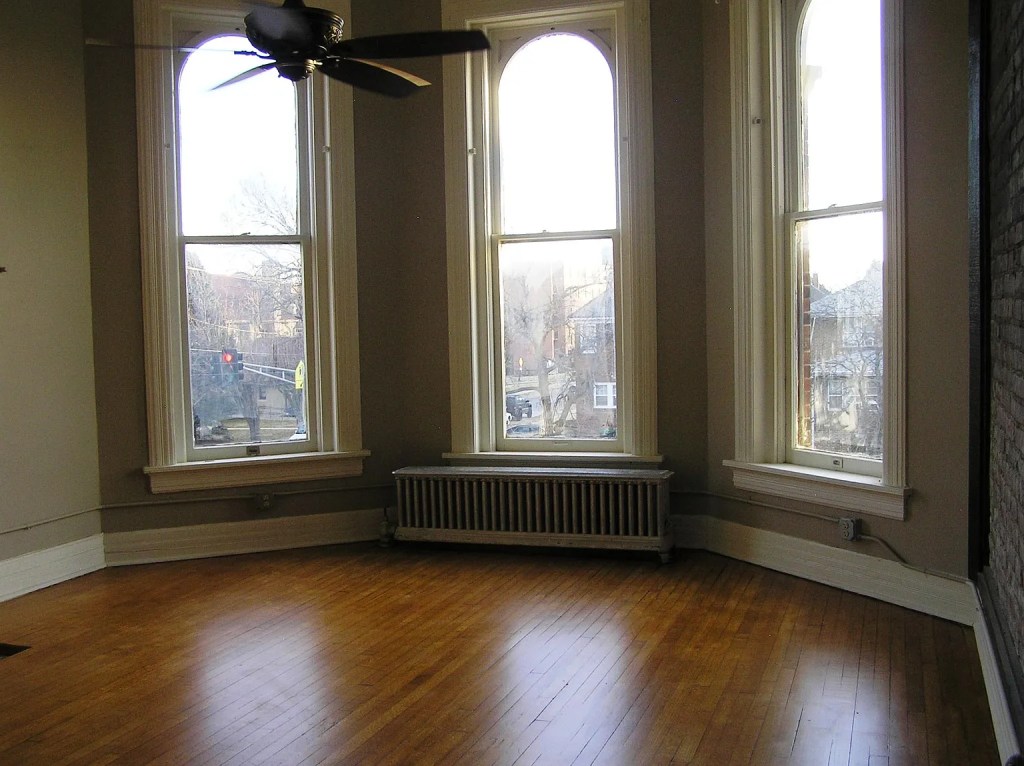
Inside the three-and-a-half-story, 15-room mansion were 13-foot ceilings, four fireplaces, and parquet wood floors. The main floor included a parlor, dining room, and an upstairs kitchen, while a second kitchen in the basement was used for meal preparation. A grand staircase led to the second floor, where each family member had a private sitting porch adjacent to their bedroom. The third floor featured a ballroom that hosted many notable families.
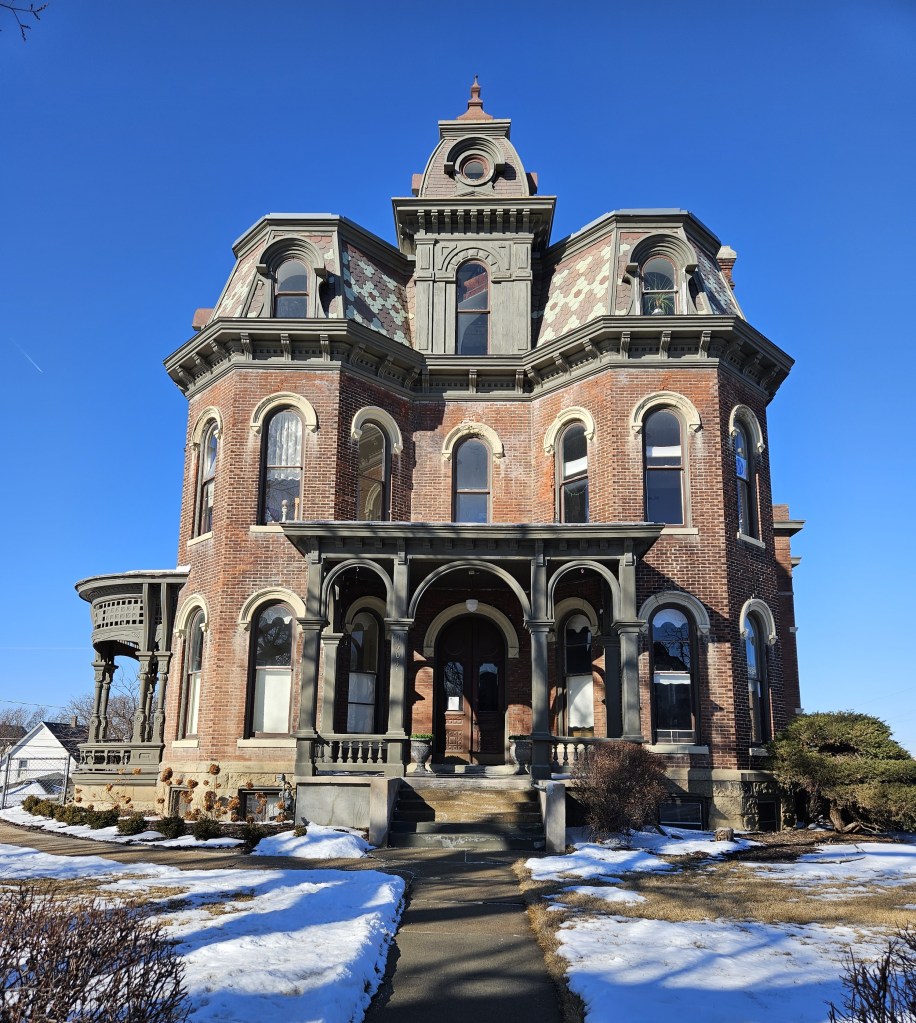
Located at 1404 S. 10th Street, the Cornish Mansion remained in the family for the next 70 years. Following the deaths of both parents by 1908, the estate was divided equally among their four children, with the residence going to Edward Cornish. A lawyer at the Carter White Lead Company, Edward became its president following the death of Levi Carter, at which point he moved to Chicago, where the company’s headquarters were located.
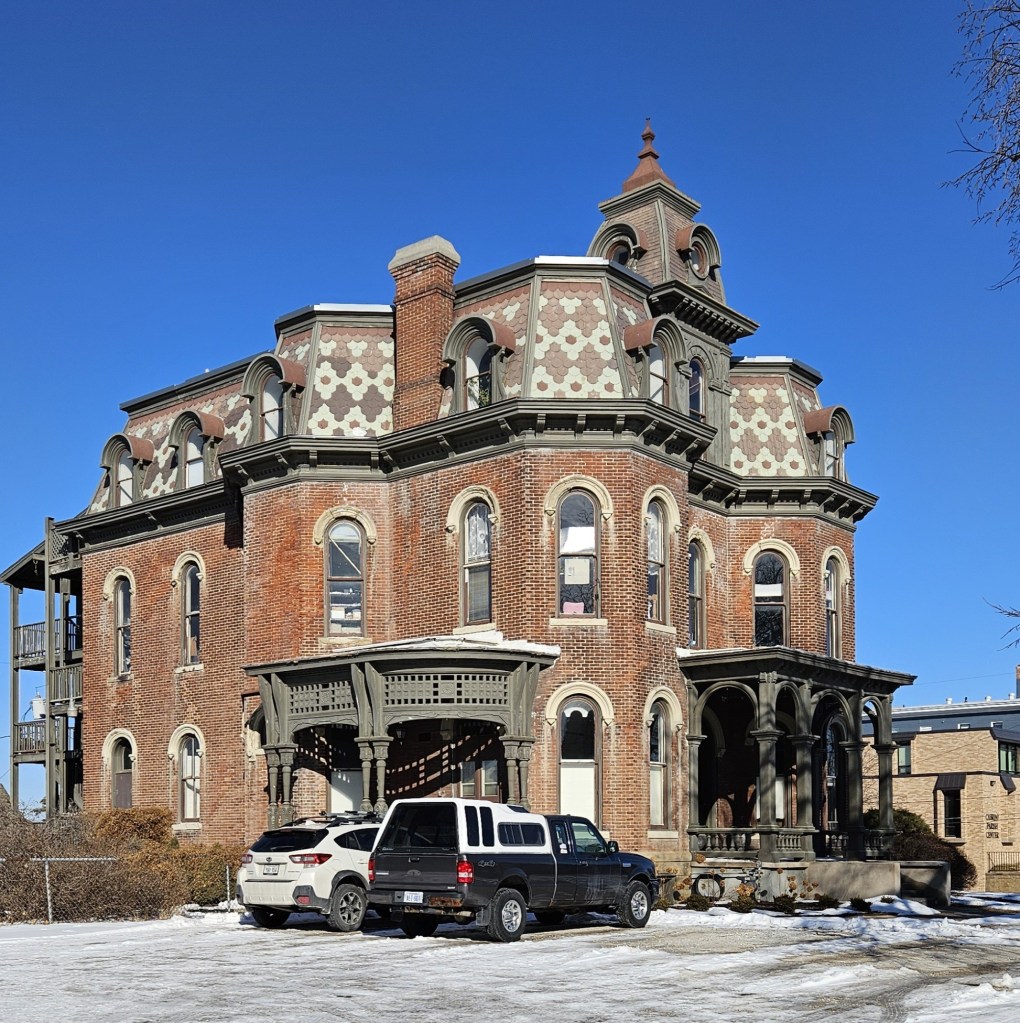
With none of the children residing in the Cornish Mansion on a permanent basis, Edward chose to convert it into luxury apartments. He added an annex on the northwest side and established a separate entrance for each unit. The apartments each had four or five bedrooms with a private bath and porch, as well as access to a barn for automobiles.

After Edward’s death in 1938, the Cornish Apartments building was left to the children of his brother Albert, who served as a justice on the Nebraska Supreme Court. The Cornish family sold the property in 1956. From 1958 until 1982, it was owned by nearby Grace Bible Institute, later named Grace University, and used as apartments for married students.
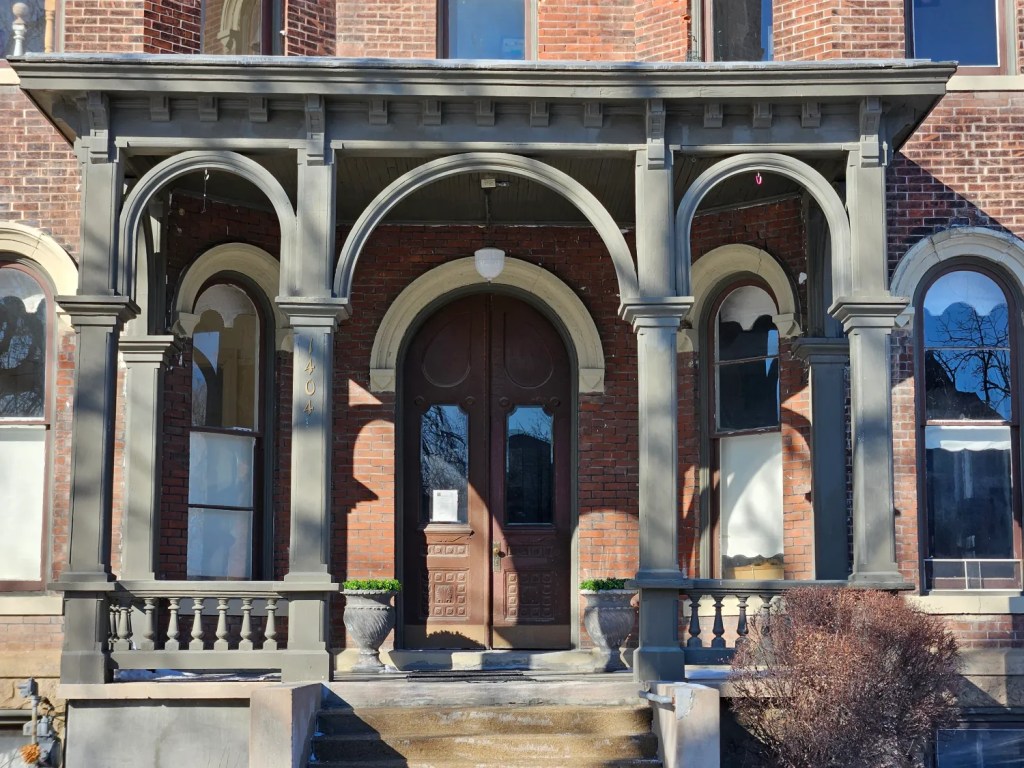
By the early 1990s, Arnie Breslow purchased the building and began a painstaking restoration process alongside partner Gina Basile. One of the more controversial decisions among neighbors was returning the roof to its original color. While there have been changes to the exterior over the years, including the removal of the wrought iron crown along the roof and the addition of the annex, the building largely resembles the mansion Colonel Cornish built 140 years ago. The interior, despite being subdivided, retained many of its original details. After a fire caused more than half a million dollars in damage to the upper floors in 2021, the building was renovated once again and reopened to tenants in 2023.
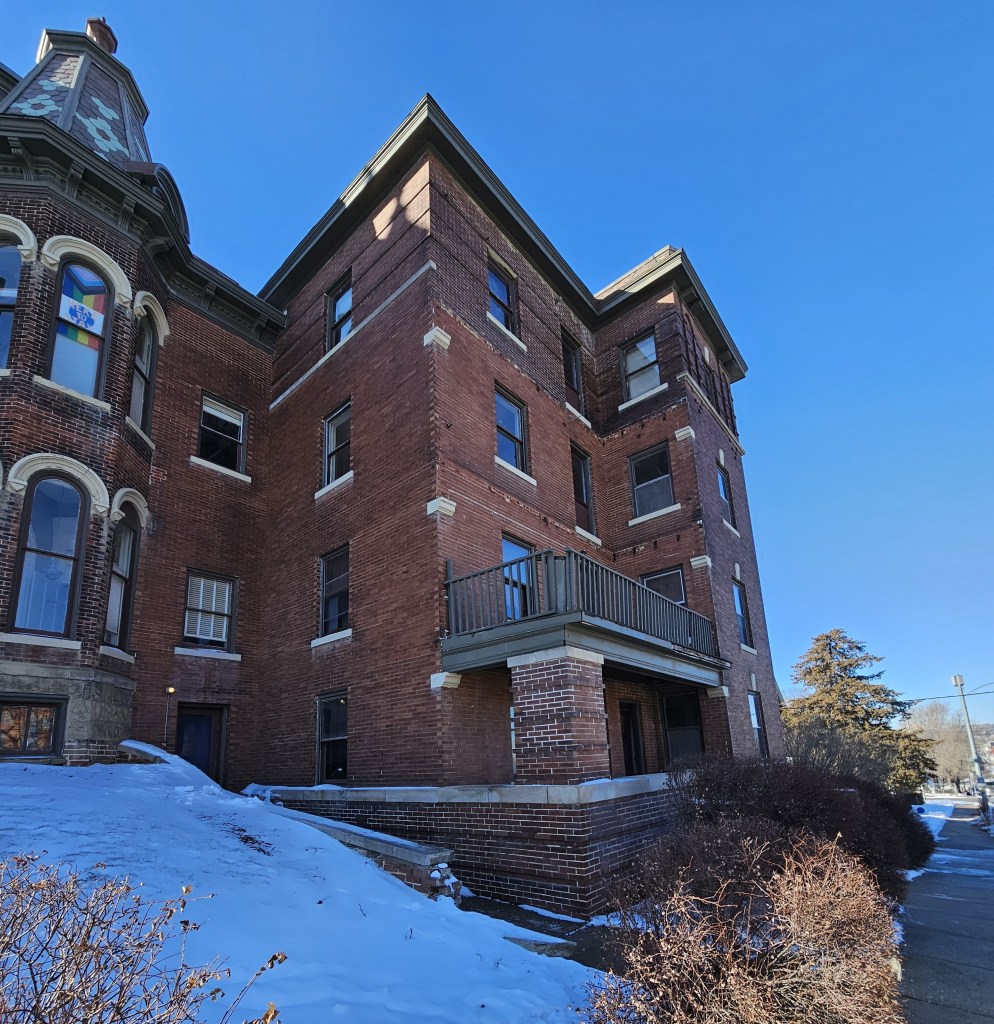
The former Cornish Mansion is one of the very few original mansions that remain in the Forest Hills neighborhood. Described as “one of the few grand houses of Omaha still standing,” it was featured in Landmarks, Inc. Omaha City Architecture in 1977 and in Jeffrey Spencer’s Building for the Ages: Omaha’s Architectural Landmarks in 2003. Listed on the National Register of Historic Places in 1974, it was designated an Omaha Landmark in 2017. Having survived threats of demolition, it is regarded as the best and rarest example of a Second Empire-style house in Omaha.
Content written by Omaha Exploration – follow my page for more! Please also feel free to leave a comment. If there’s something you want to learn more about, let me know. In the meantime, keep exploring!
Read my content on Grow Omaha: Local History by Omaha Exploration | Grow Omaha
Omaha Exploration is sponsored by @Rockbrook Mortgage Inc.

Click here to learn about opportunities to sponsor Omaha Exploration!
More pictures


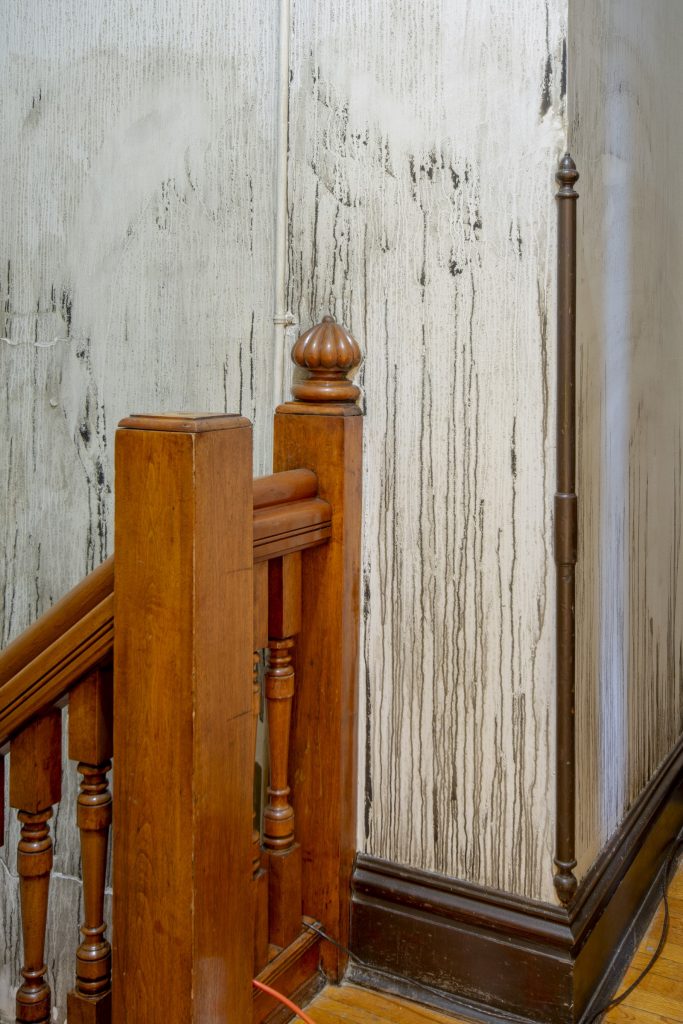
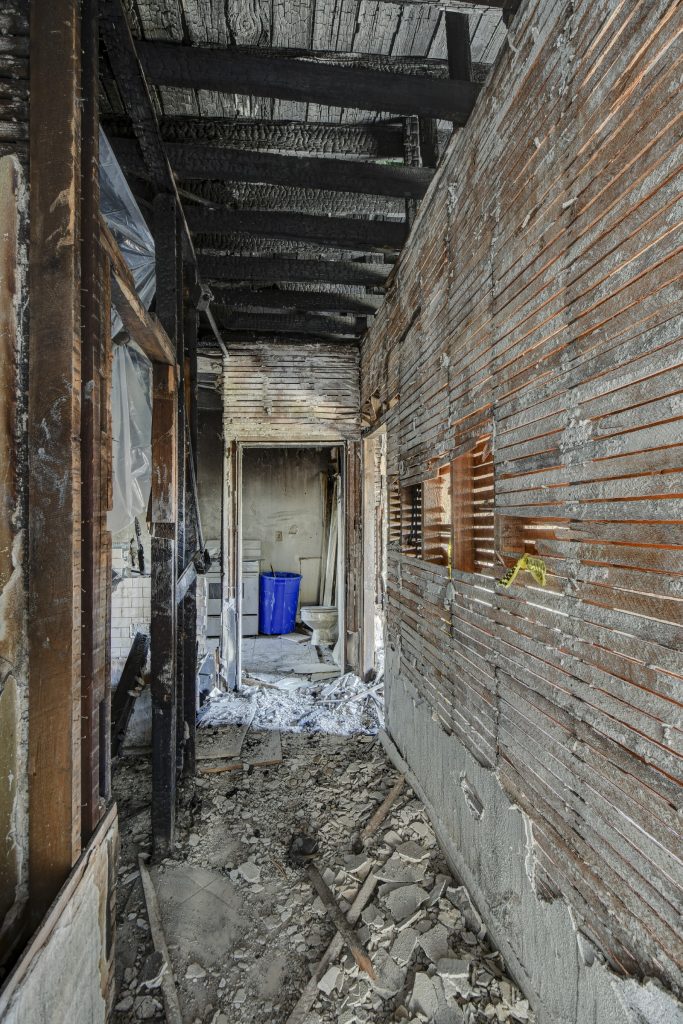
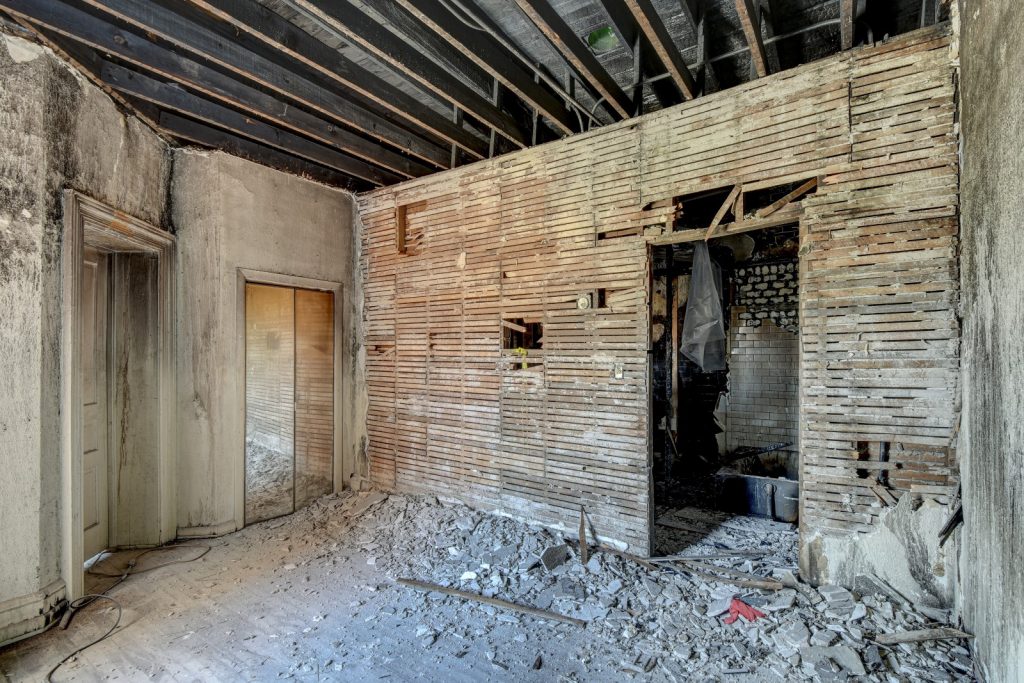
The damaged caused by the fire in 2021. Photos courtesy of Old Omaha Real Estate.


Follow OE on Facebook for more
Get an email when new content is posted
Omaha Exploration, 2024. Unauthorized use and/or duplication of this material without express and written permission from this site’s author and/or owner is strictly prohibited. Excerpts and links can be used, if full and clear credit is given to Omaha Exploration with appropriate and specific direction to the original content.
Omaha Exploration proudly supports

Contact me to learn more about M4K!
 Omaha Exploration
Leave a comment