

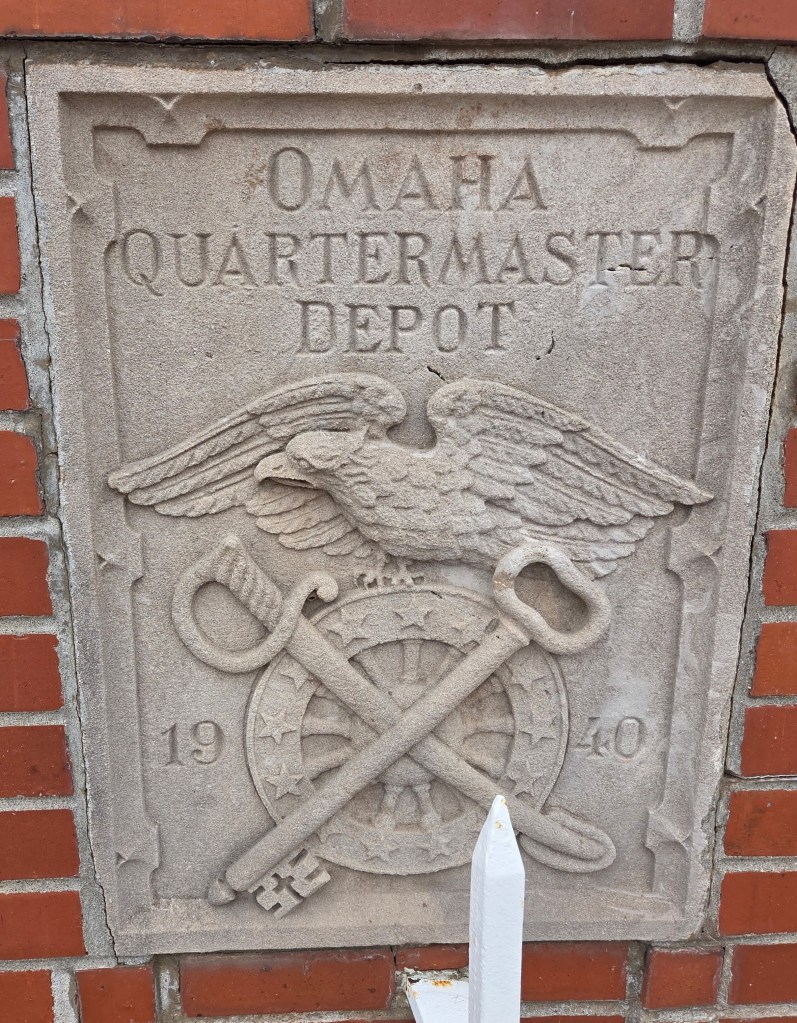
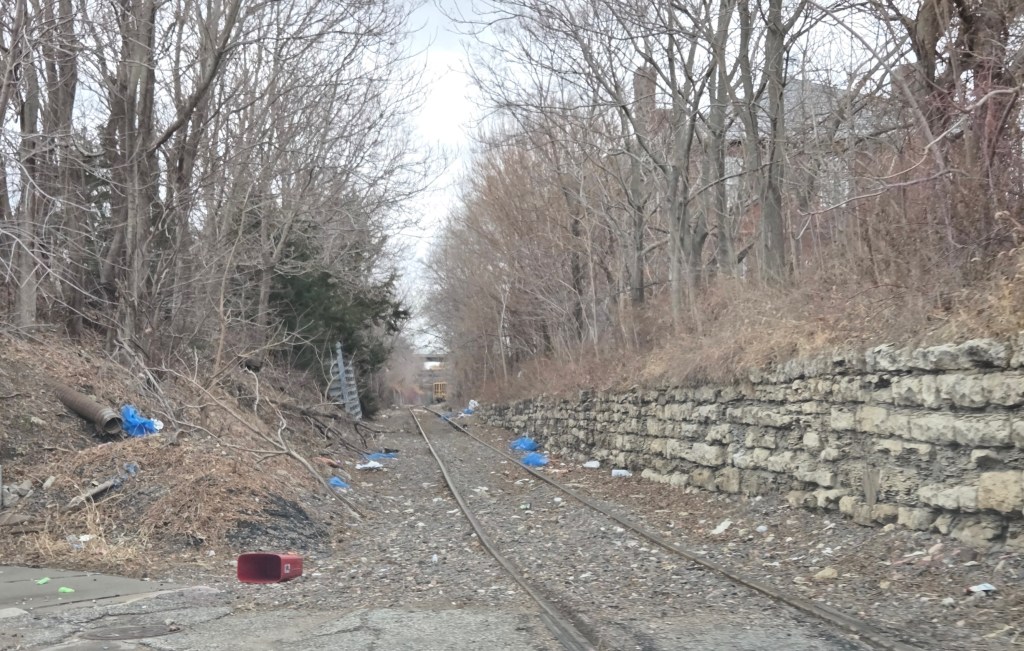
Tucked alongside the Union Pacific main line in southeast Omaha, the Quartermaster Depot Historic District occupies a seven-acre site between Hickory Street and Woolworth Avenue, stretching east to the railroad tracks. This complex was used for various purposes for more than a century.
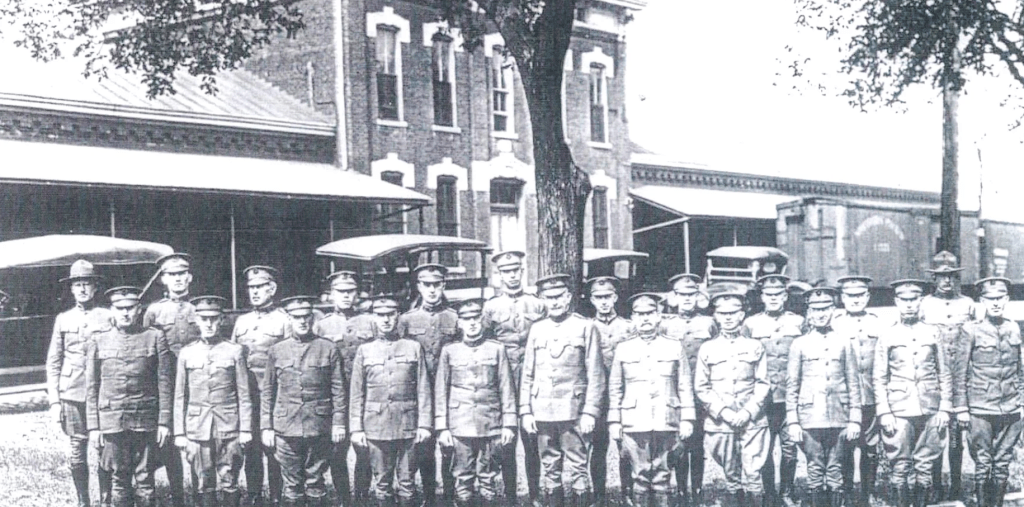
The depot traces its roots to 1866, when the U.S. Army reestablished the Department of the Platte in Omaha. The department oversaw infantry and cavalry units tasked with protecting westward settlers and railroad laborers, as well as enforcing federal policies that forced Native Americans onto reservations.

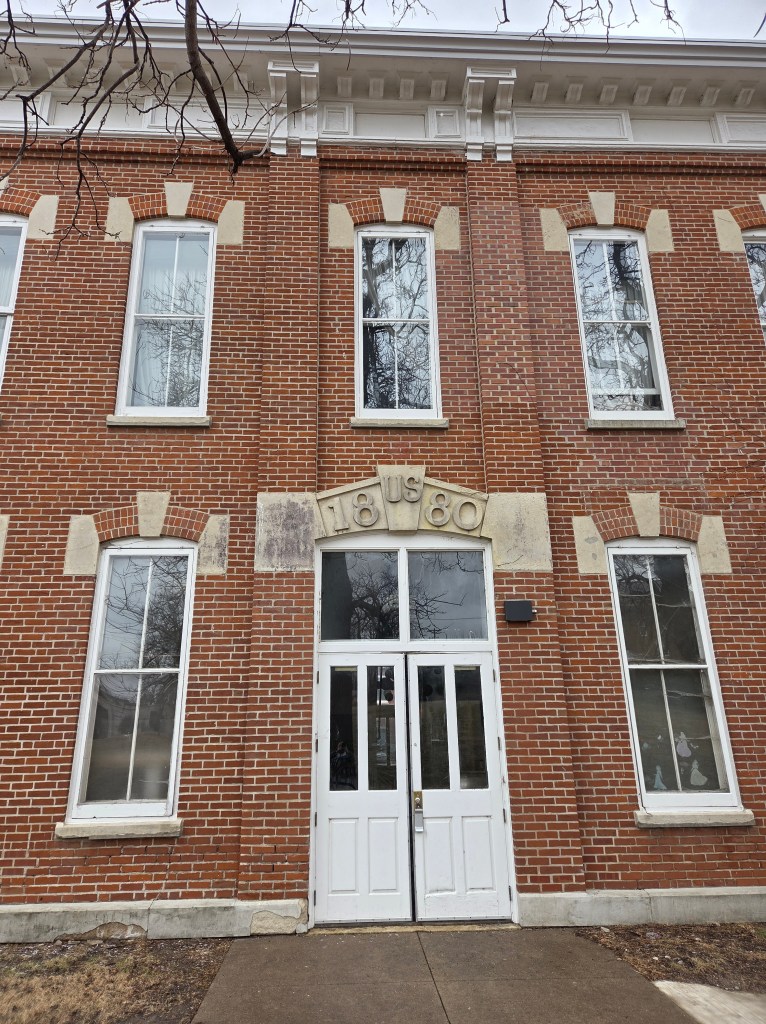
The Army’s first supply depot in Omaha stood at the site of today’s Charles Schwab Field at 13th and Mike Fahey Streets. Supplied by steamboat via the Missouri River, it quickly proved inadequate. In 1879, General William Tecumseh Sherman ordered the construction of a larger, more permanent facility. Land was purchased from Jacob Shull, and between 1880 and 1894 the Omaha Quartermaster Depot took shape.
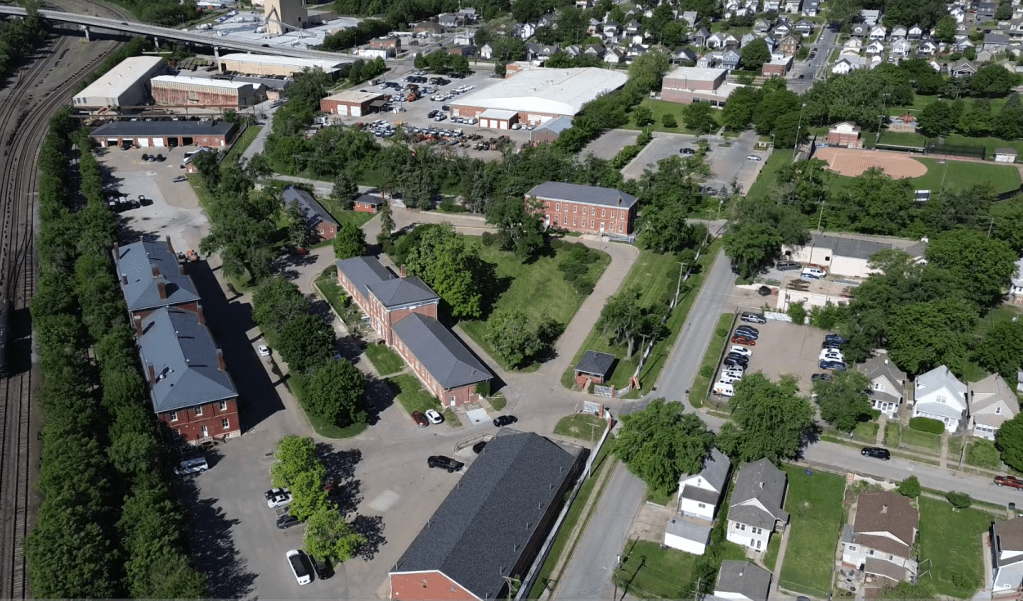
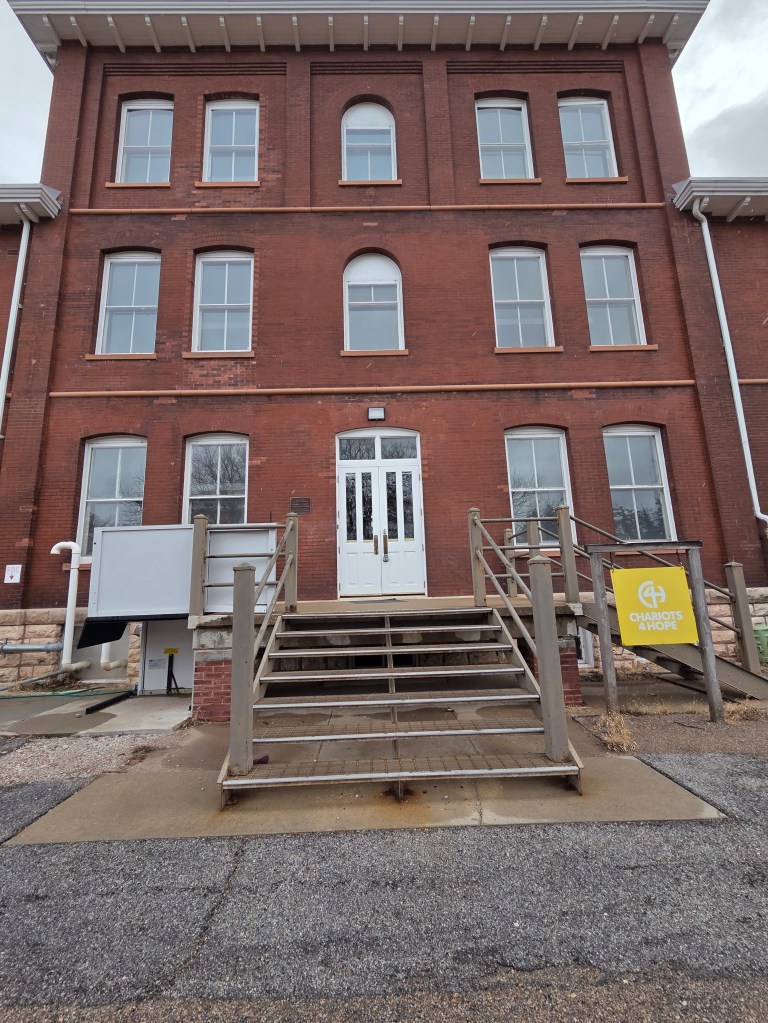
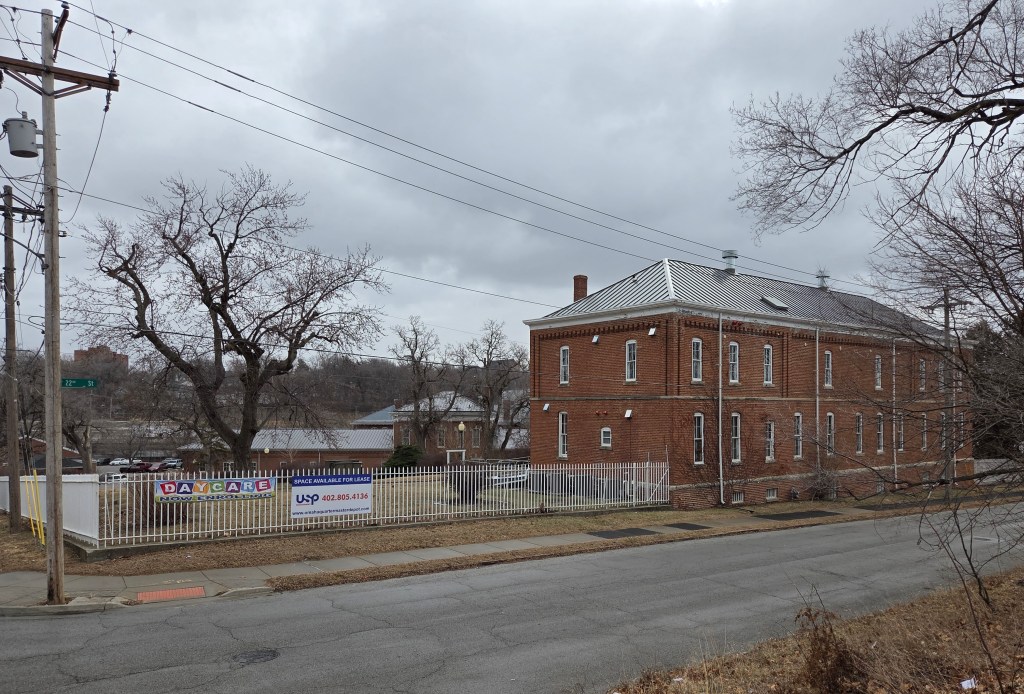
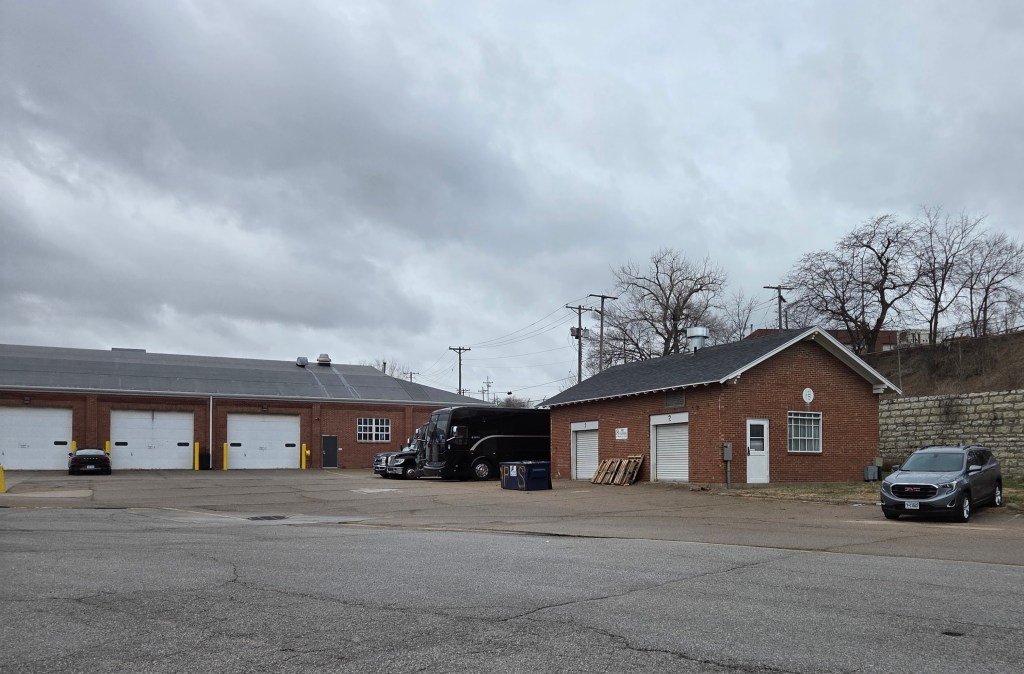
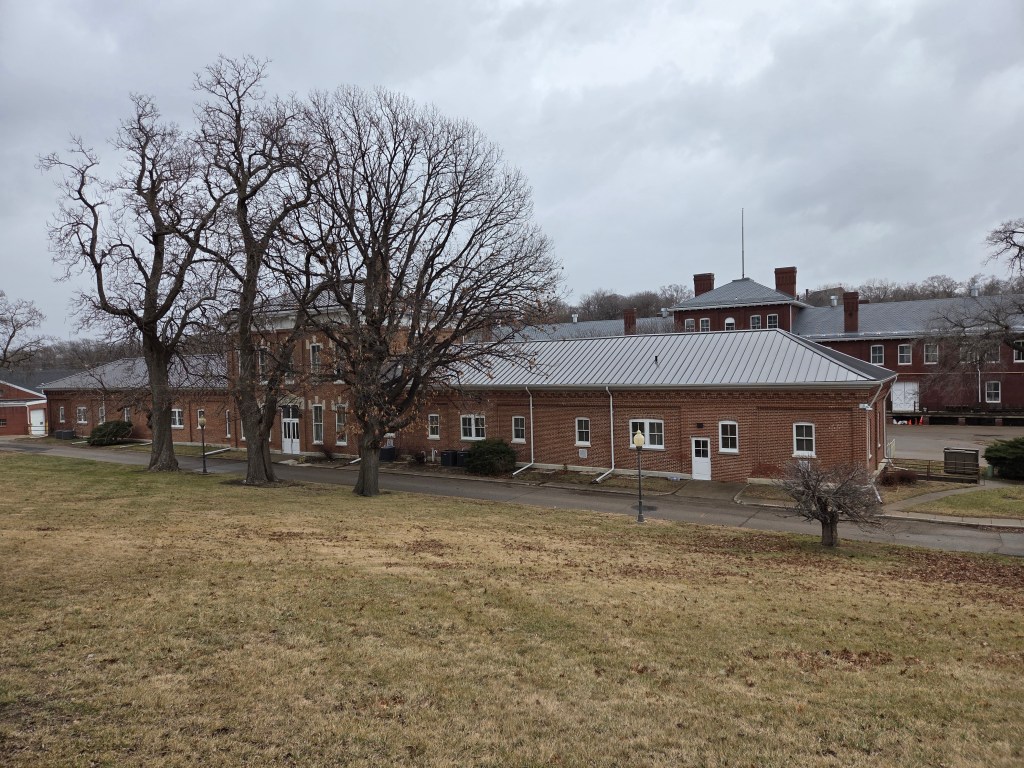
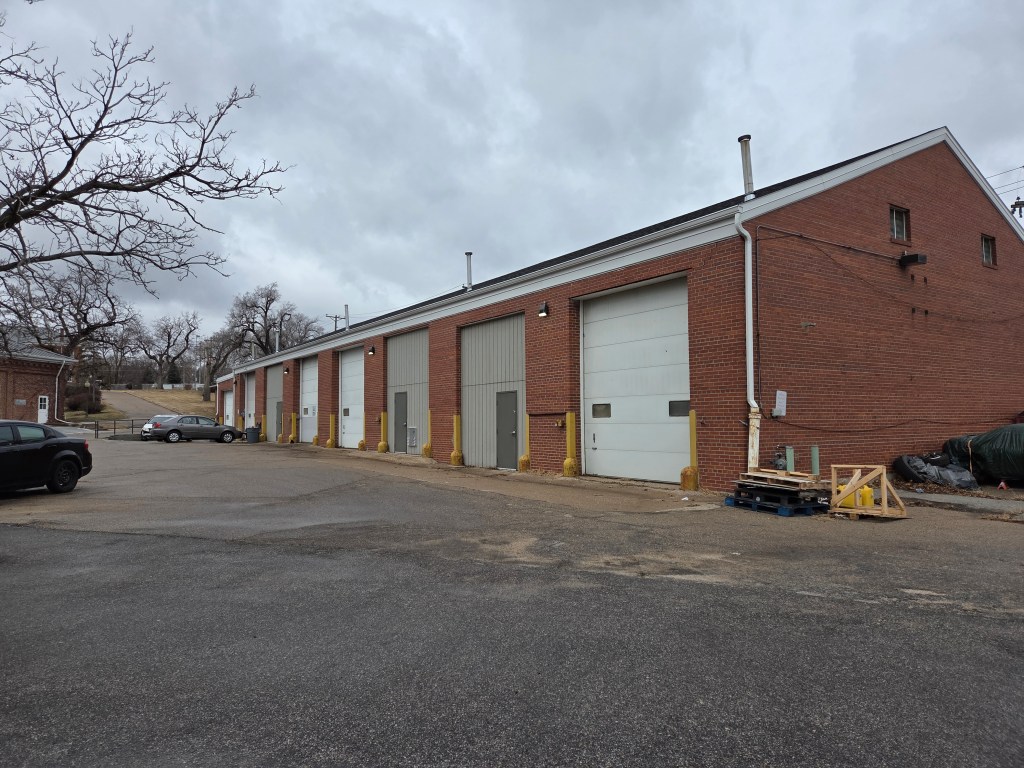
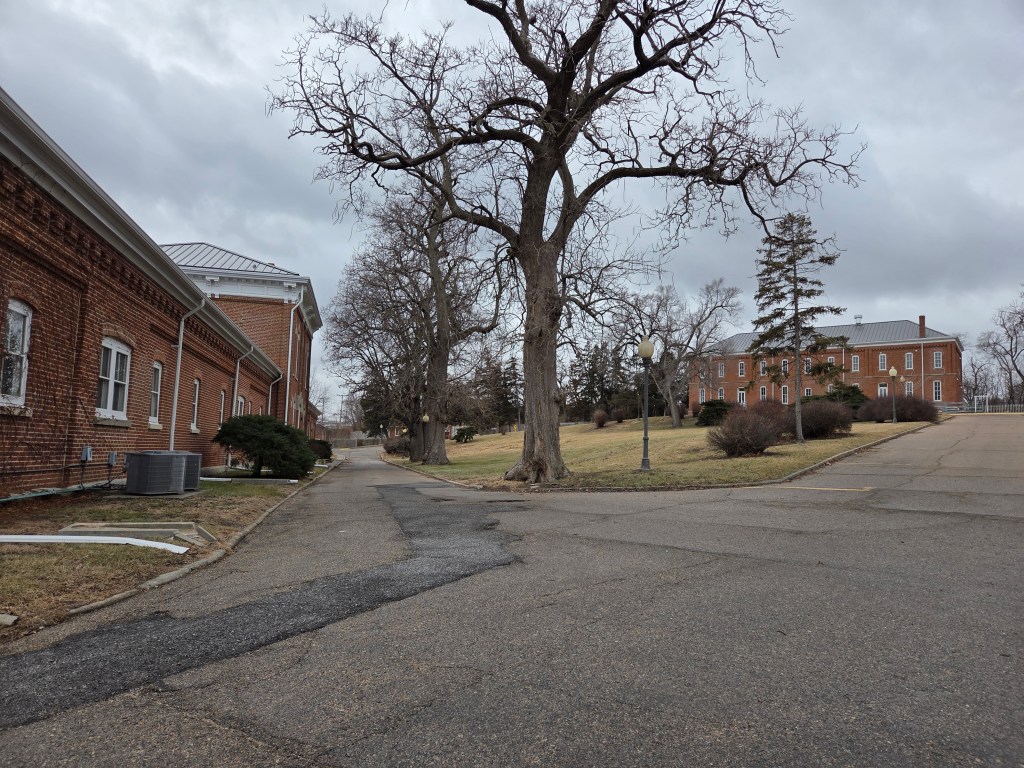
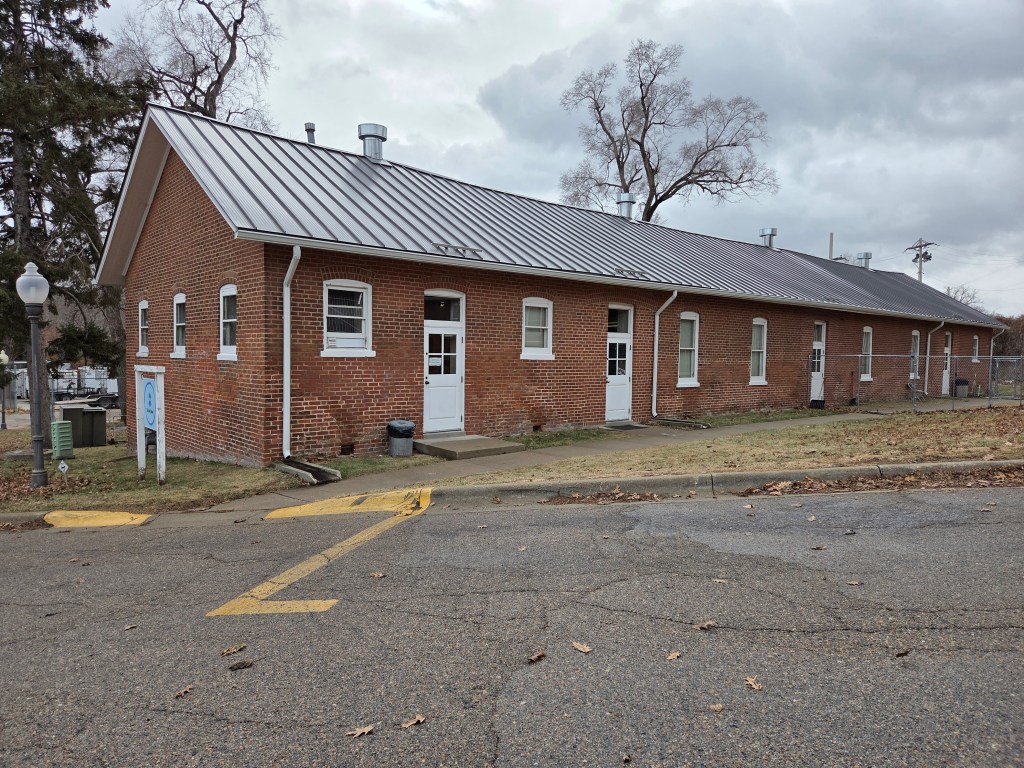
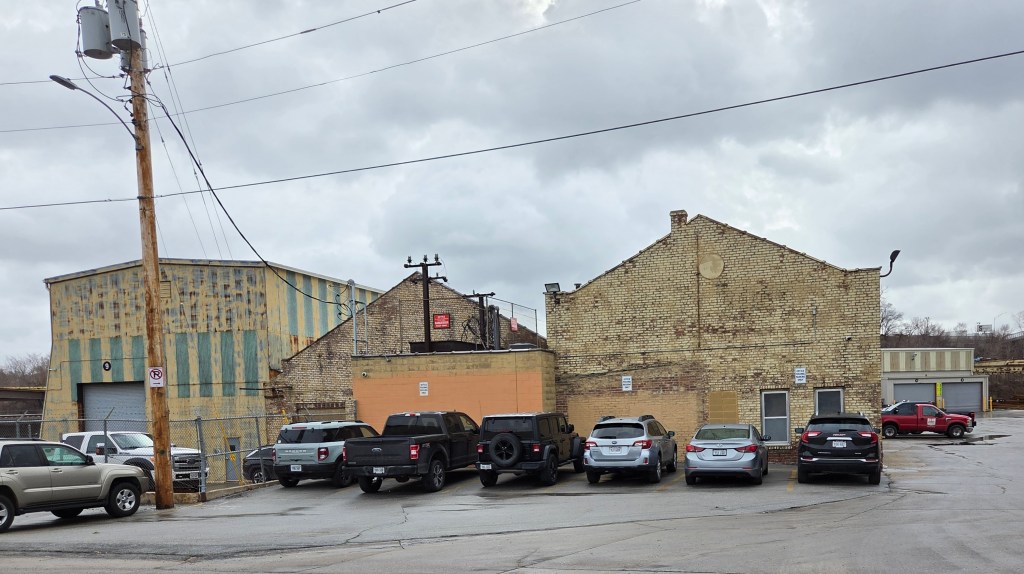
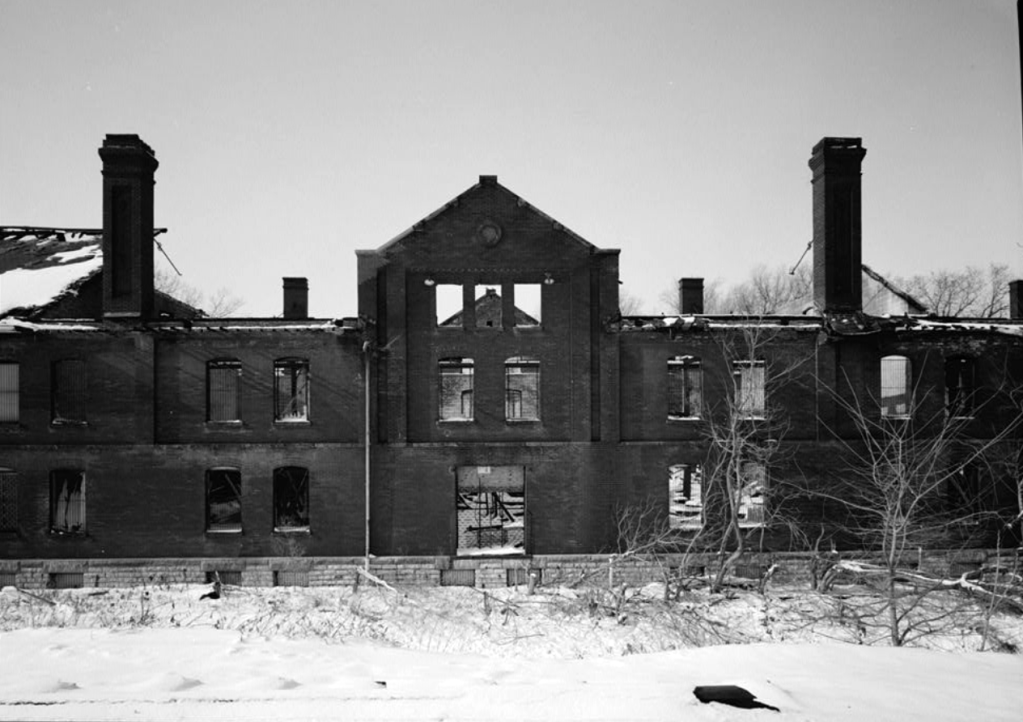
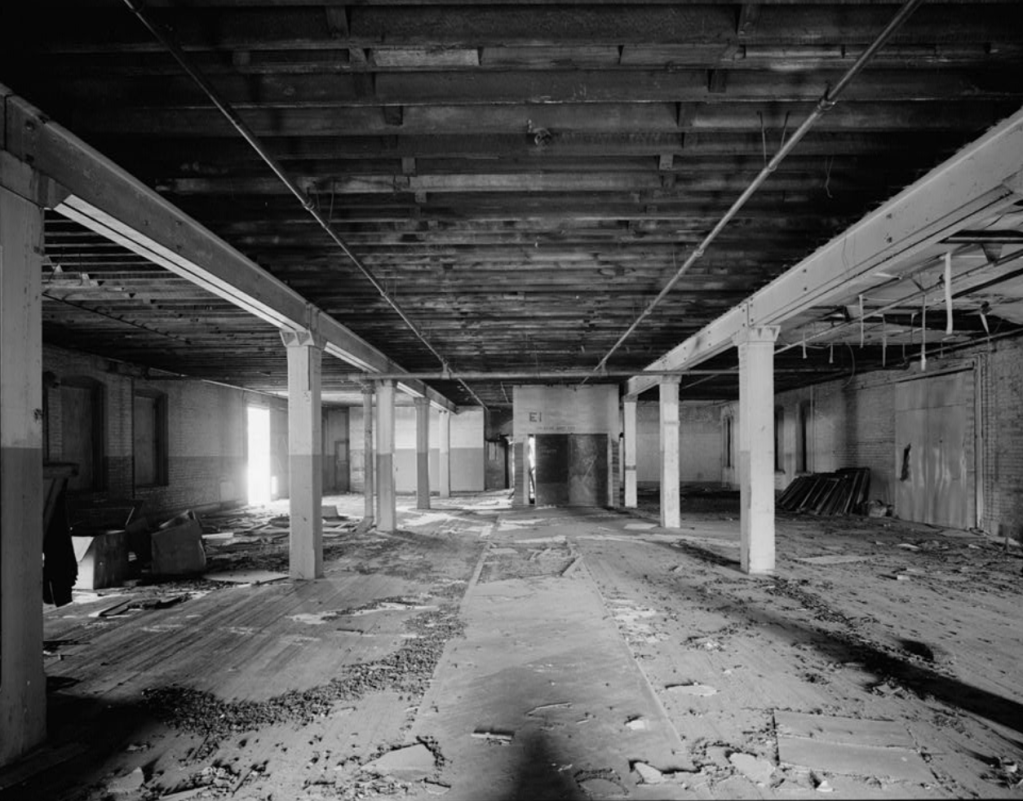
Built in Italianate and Romanesque styles, the depot’s brick buildings featured symmetrical facades, arched windows and doors, and low-pitched roofs. Seventeen structures were arranged in a formal, linear plan parallel to the railroad tracks, centered around a parade ground. Heavy timber framing and thick masonry reflected both durability and function. At its height, the depot distributed food, lumber, tools, and equipment to frontier fort in addition to housing up to 500 horses and mules.
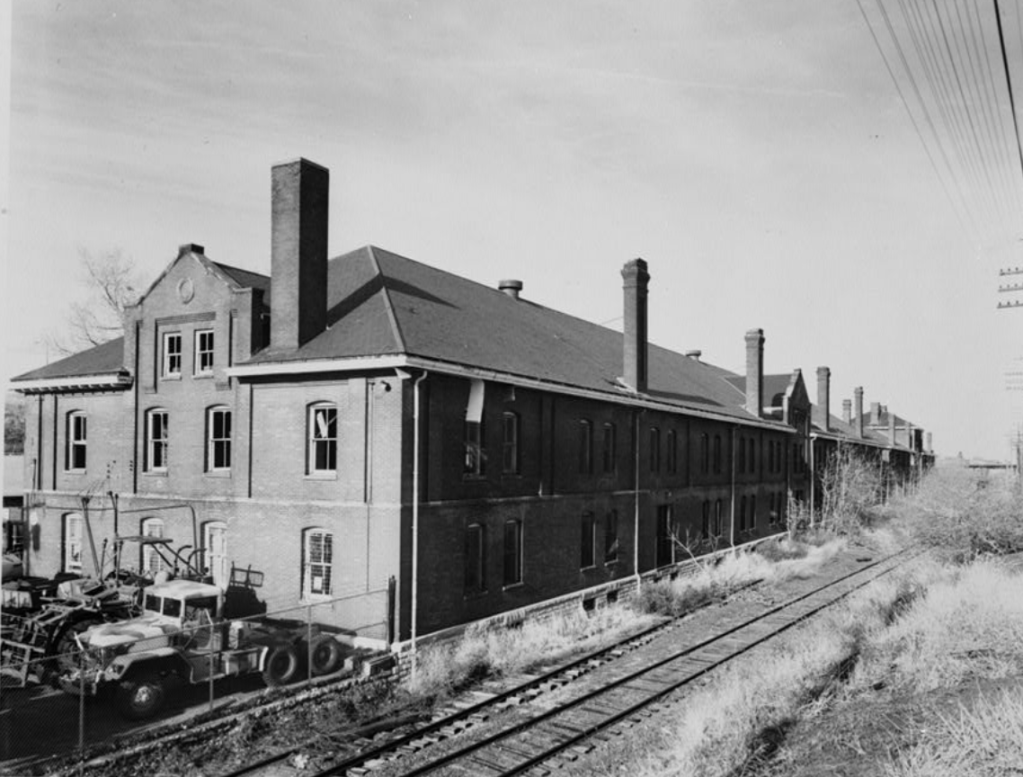
After the Department of the Platte was phased out in 1898, the depot fell largely quiet for nearly two decades. That changed dramatically during World War I, when 278 million pounds of supplies passed through the site in just 18 months, supporting roughly 150,000 National Guard and U.S. Army troops.
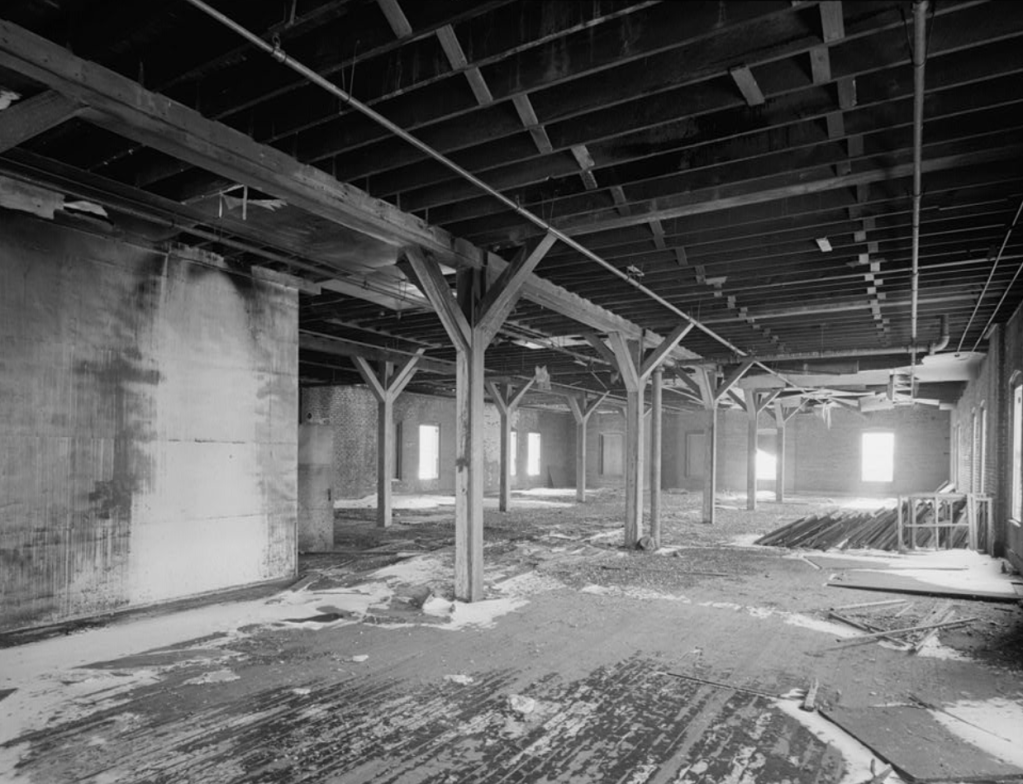
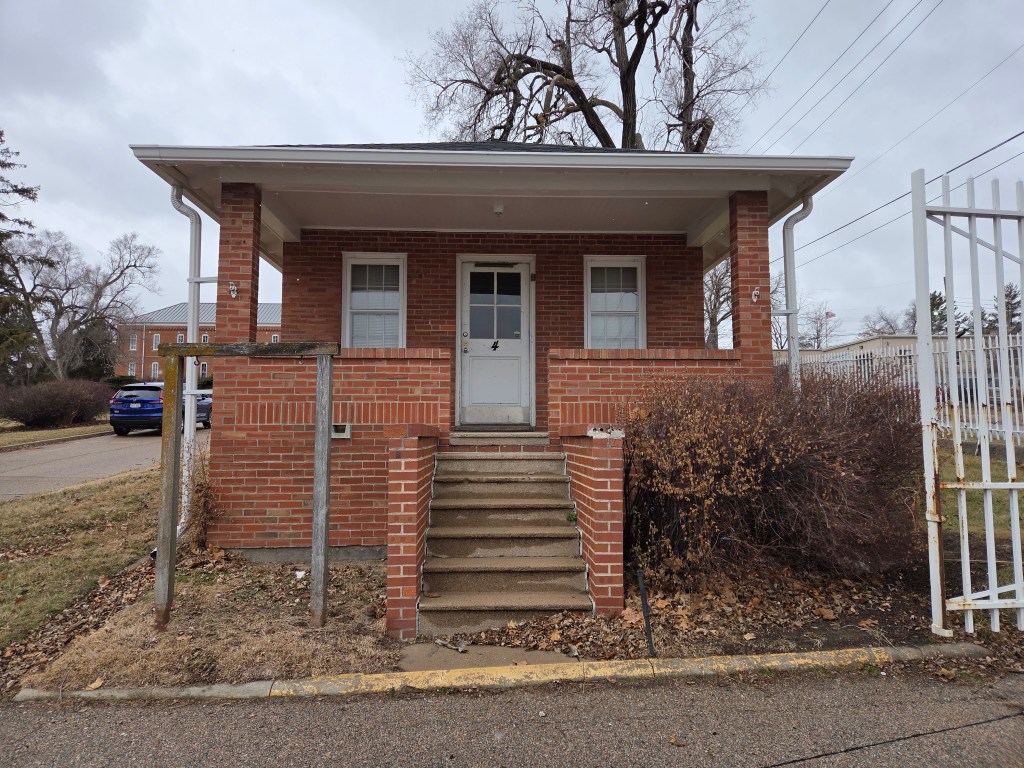
Following the war, activity slowed again. During the Great Depression, parts of the complex were repurposed as a transient shelter, storage for the Civilian Conservation Corps, and outfitting facilities for dozens of CCC camps across Nebraska, Kansas, and South Dakota. The Works Progress Administration refurbished existing buildings and added new ones.
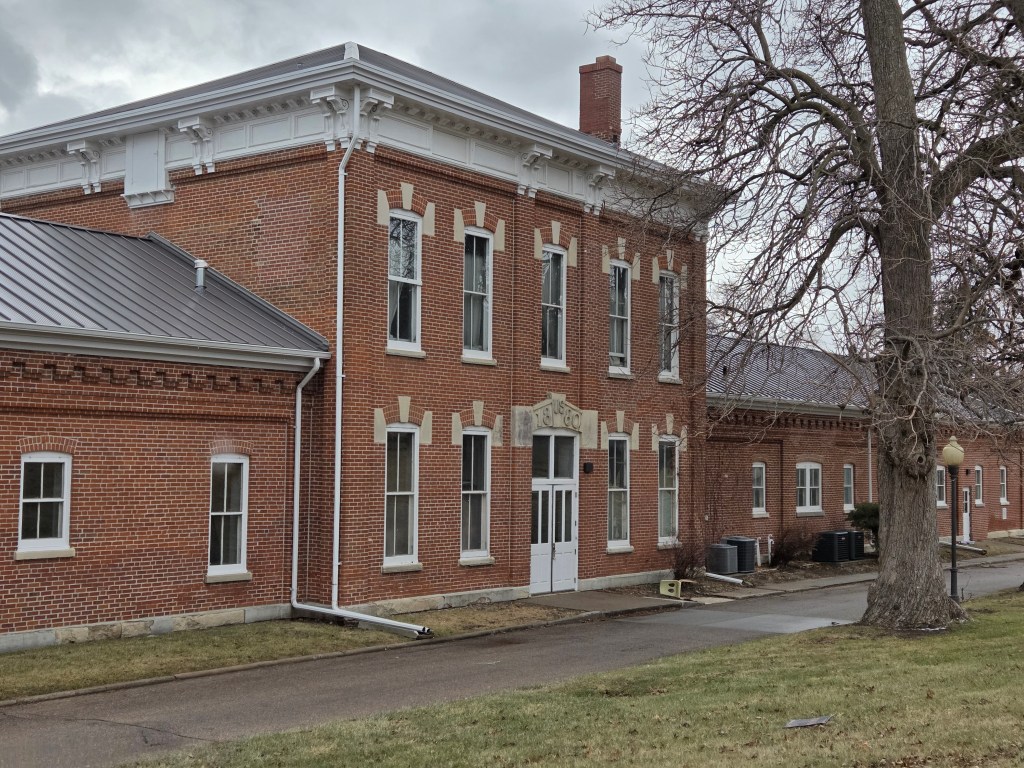
World War II brought renewed use to the depot. It supported recruiting operations, officer training, automotive instruction, and even housed Italian prisoners of war. After 1945, the site transitioned into a National Guard base and Army Reserve Center, a role it maintained for decades. The complex remained active until 2006 and officially closed in 2010 when the Army Reserves relocated to Elkhorn, though it was briefly reactivated during the 2011 Missouri River floods by the U.S. Army Corps of Engineers.
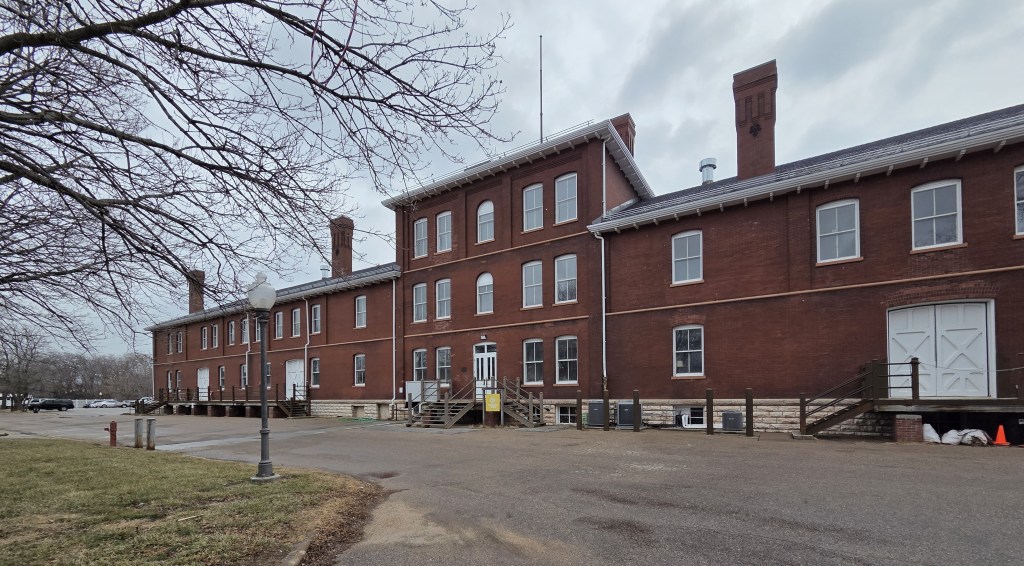
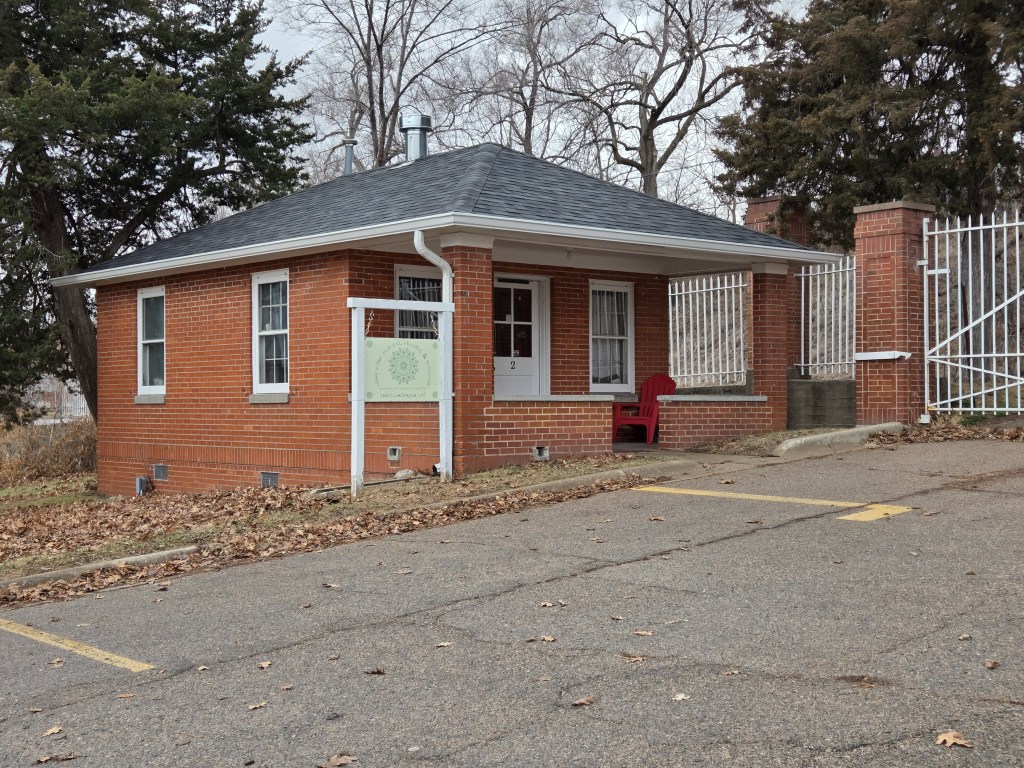
Listed on the National Register of Historic Places in 1979, the Quartermaster Depot is recognized for its long and significant military service. After Fort Leavenworth and Fort Riley, it was the longest-used military post west of the Missouri River. While the wooden storehouses and stables are gone, most of the brick buildings remain, preserving the look and feel of a late-19th-century military compound.
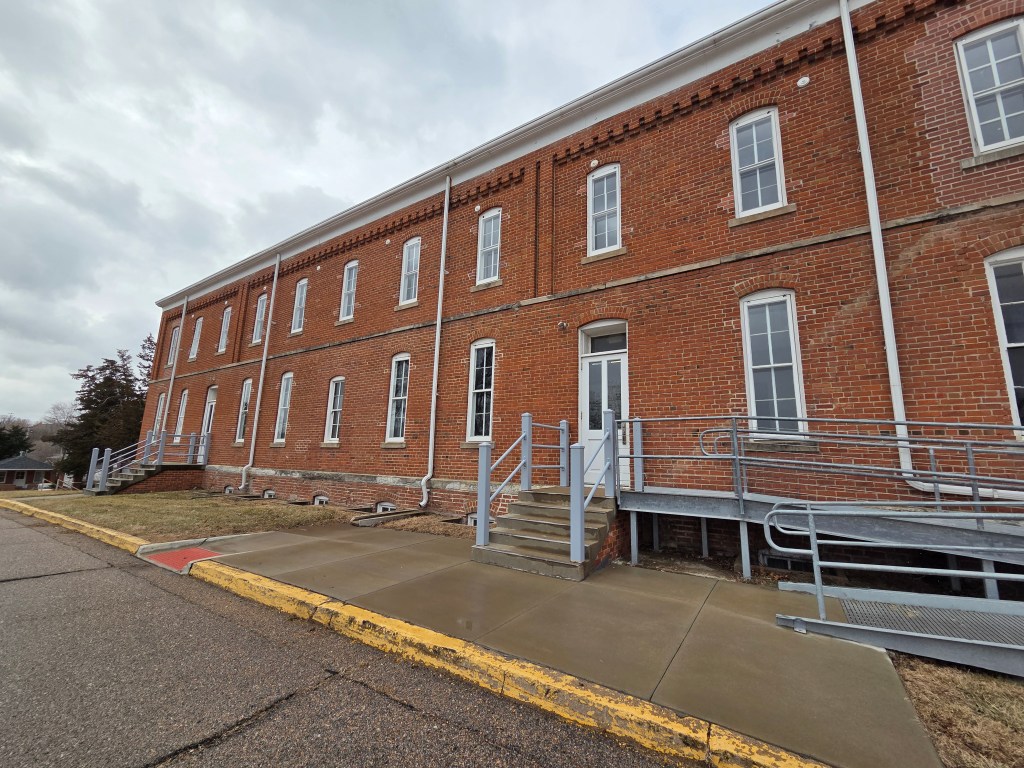
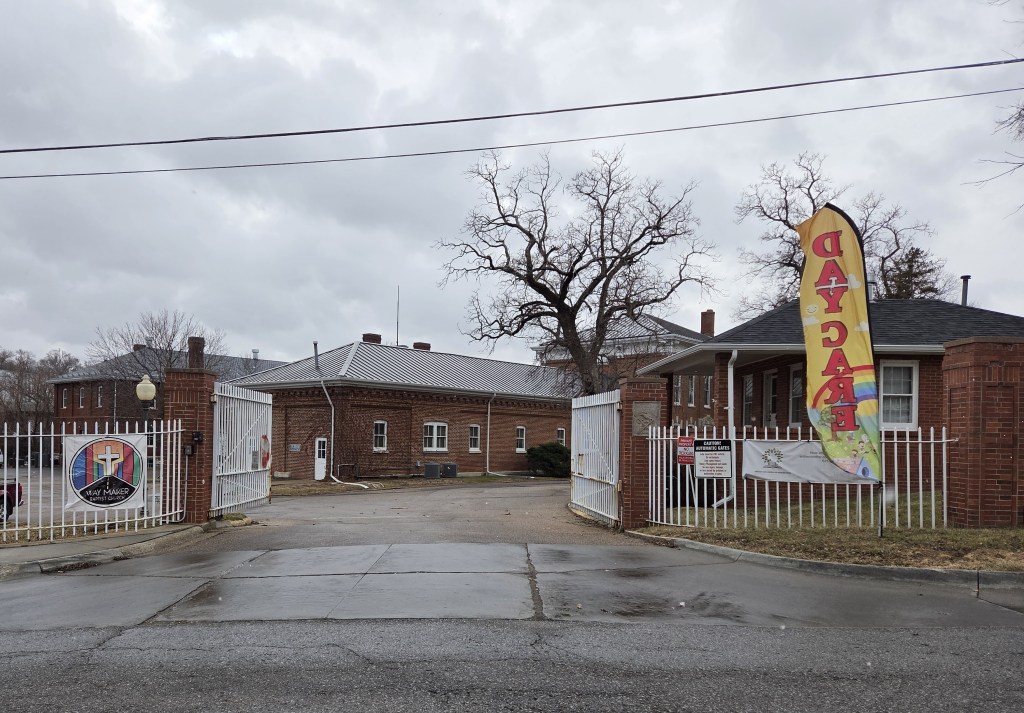
In 2013, the surplus property was again offered for sale. A year later, Lincoln-based U.S. Property purchased the site for $825,000, launching a comprehensive rehabilitation that included new electrical systems, plumbing, and windows. Today, the once-military campus is open to the public and home to a wide mix of tenants including The Dog Depot, Chariots 4 Hope, Way Maker Baptist Church, Long Grain Furniture, VIP Limousine, and Christian Early Learning & Childcare Center.
Content written by Omaha Exploration. If you enjoy my content, you can follow or subscribe on my Facebook page, signup to receive emails or make a donation on my website. Thank you and until next time, keep exploring!
Read my content on Grow Omaha: Local History by Omaha Exploration | Grow Omaha
Omaha Exploration is sponsored by @Rockbrook Mortgage Inc.

Click the logo to learn more
Click here to learn about opportunities to sponsor Omaha Exploration!
More pictures
Follow OE on social media!
Subscribe to get an email when new content is posted
Omaha Exploration, 2025. Unauthorized use and/or duplication of this material without express and written permission from this site’s author and/or owner is strictly prohibited. Excerpts and links can be used, if full and clear credit is given to Omaha Exploration with appropriate and specific direction to the original content.
Omaha Exploration proudly supports

Contact me or click the logo to learn more
 Omaha Exploration
Leave a comment