
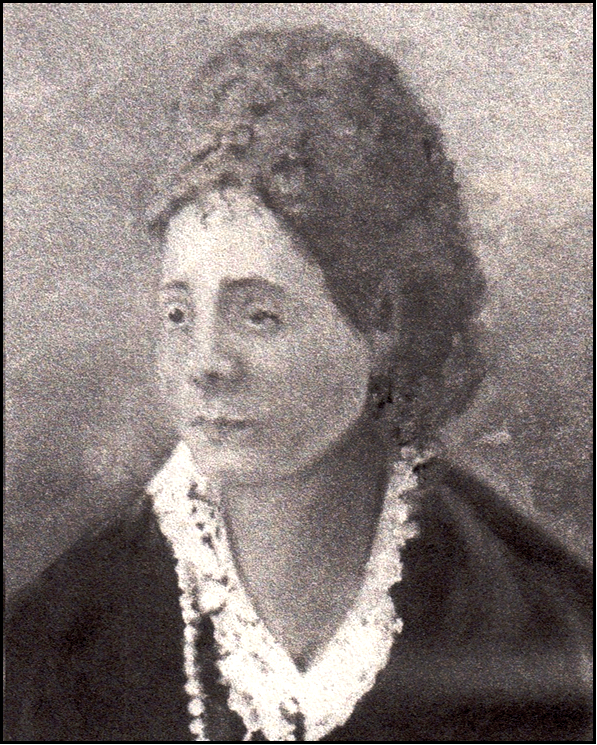
Anna Wilson, later known as Omaha’s “Queen of the Underworld,” was born in Georgia in 1835 to English immigrant parents, her father a Baptist pastor. Despite these humble beginnings, rumors suggest she had aristocratic origins.

Before coming to Omaha, Anna met her lifelong partner, Dan Allen, in New Orleans. Dan was born in New York and worked as a sporting man in Peoria, Illinois, in 1860. They came to Omaha together in 1867. By this point, he was working as a saloon keeper, while her profession was listed as “keeping house” in the 1870 federal census though she ultimately worked in his gambling houses. Around this time, she began operating her own brothel, which offered women the opportunity to earn a living wage while receiving medical care and support. Living at 914 Douglas Street, she housed 10 women whose ages ranged from 18 to 30.

Just four years later, in 1884, Dan, who was a notorious gambler, passed away, leaving Anna a large sum of money. She proved to be an intelligent and capable businesswoman and was highly successful in her own right. After operating her brothel for more than 25 years, she accumulated substantial real estate holdings.
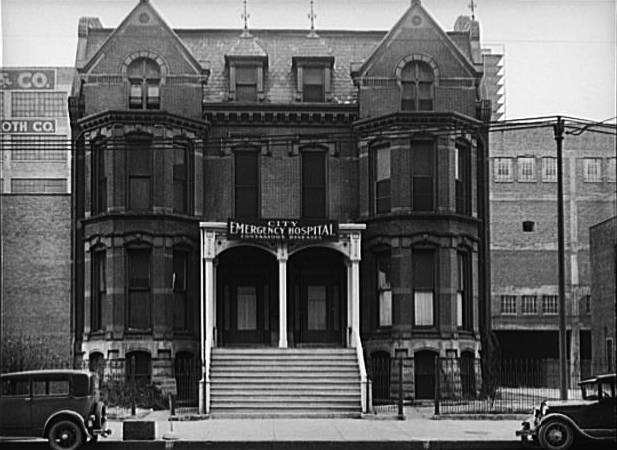
By 1886, the “Queen of the Underworld,” had built her famous 25-room mansion on lower Douglas Street in the city’s red-light district. She refused to accept women into her house who were not already involved in the trade and encouraged them to leave if they were able.
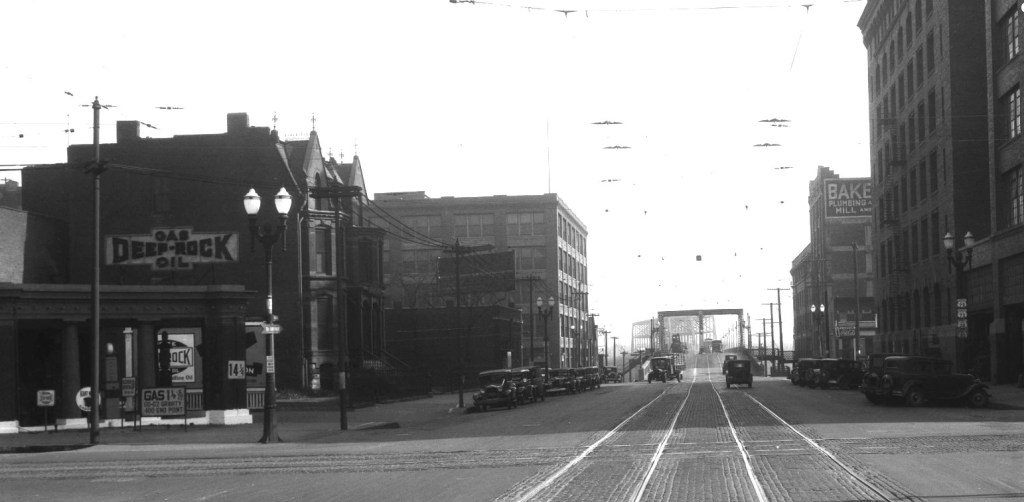
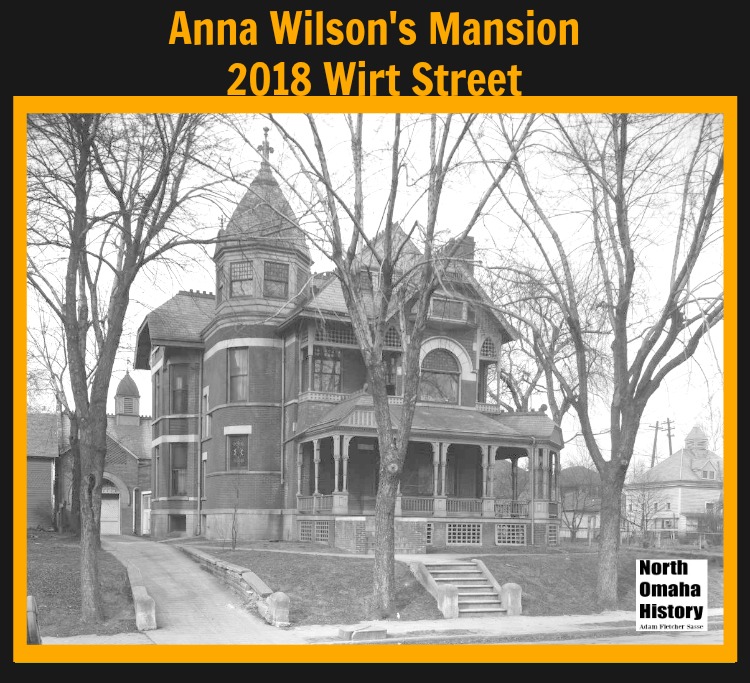
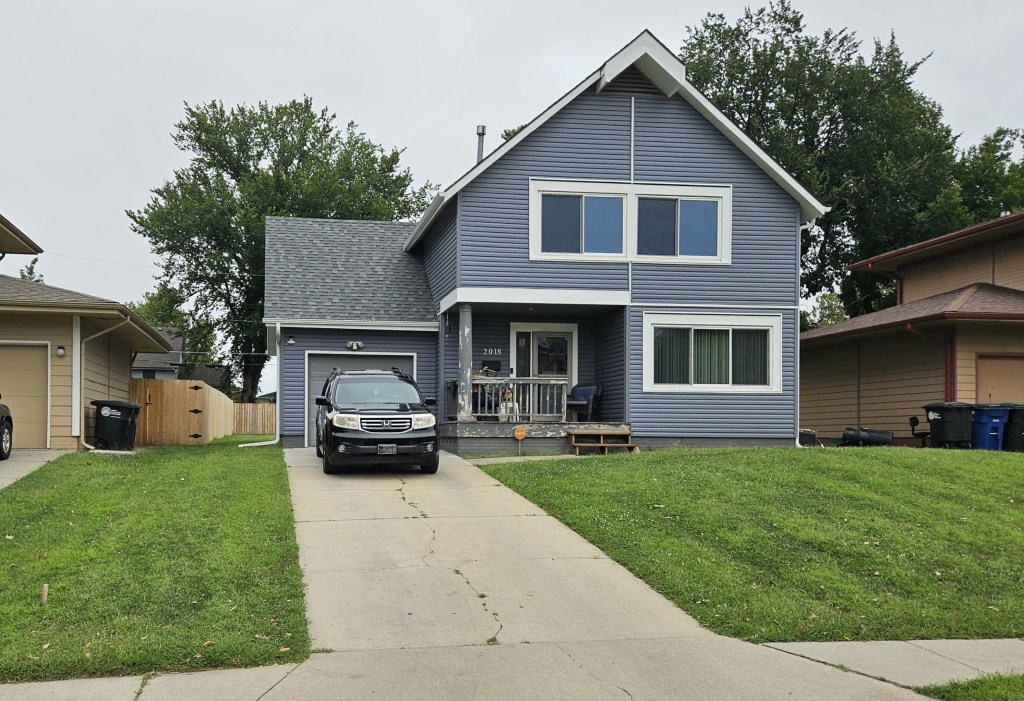
She did not live in the mansion long and moved to 1609 California Street by 1891. Anna retired from the business in 1896. The 1900 federal census lists her occupation as “capitalist,” likely a reference to her extensive real estate investments. In 1906, she moved into an extravagant mansion at 2018 Wirt Street. The home had originally been built in 1891 by prominent Omaha pioneer Alfred D. Jones, who platted the land that became Omaha and later served as its first postmaster.
Living in near solitude during her final years, Anna employed both a maid and a manservant. She also kept a parrot and two Dalmatians. She devoted much of her time to prayer, practices she had learned as the daughter of a minister. She once told her friend, Rev. Charles Savidge, that she hoped God would see enough good in her to forgive her.
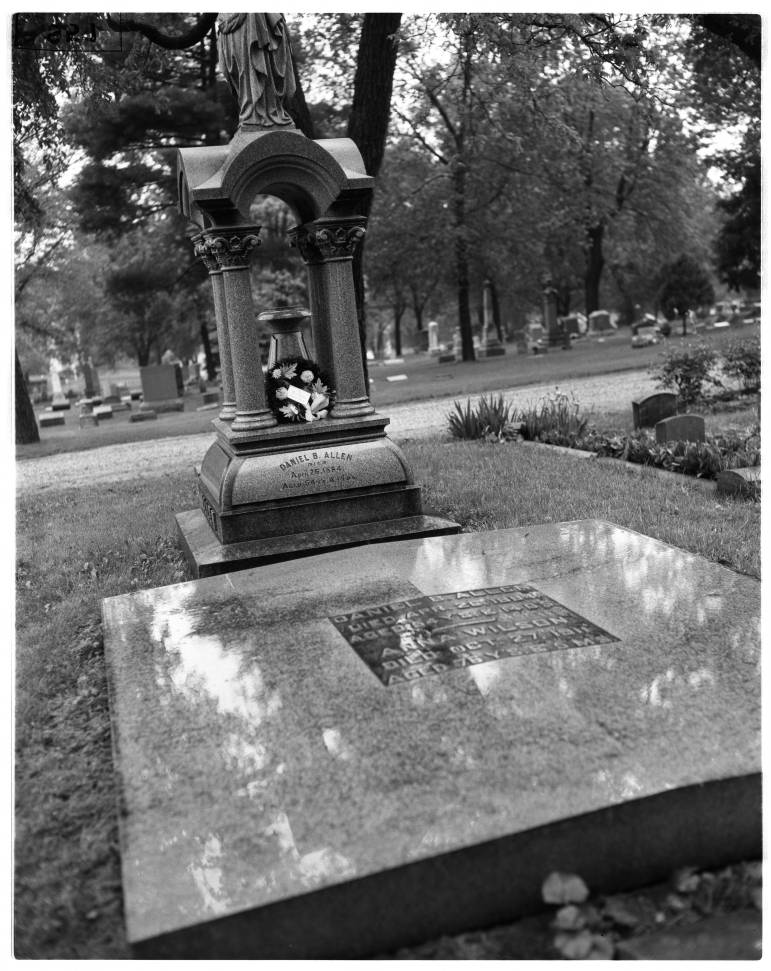
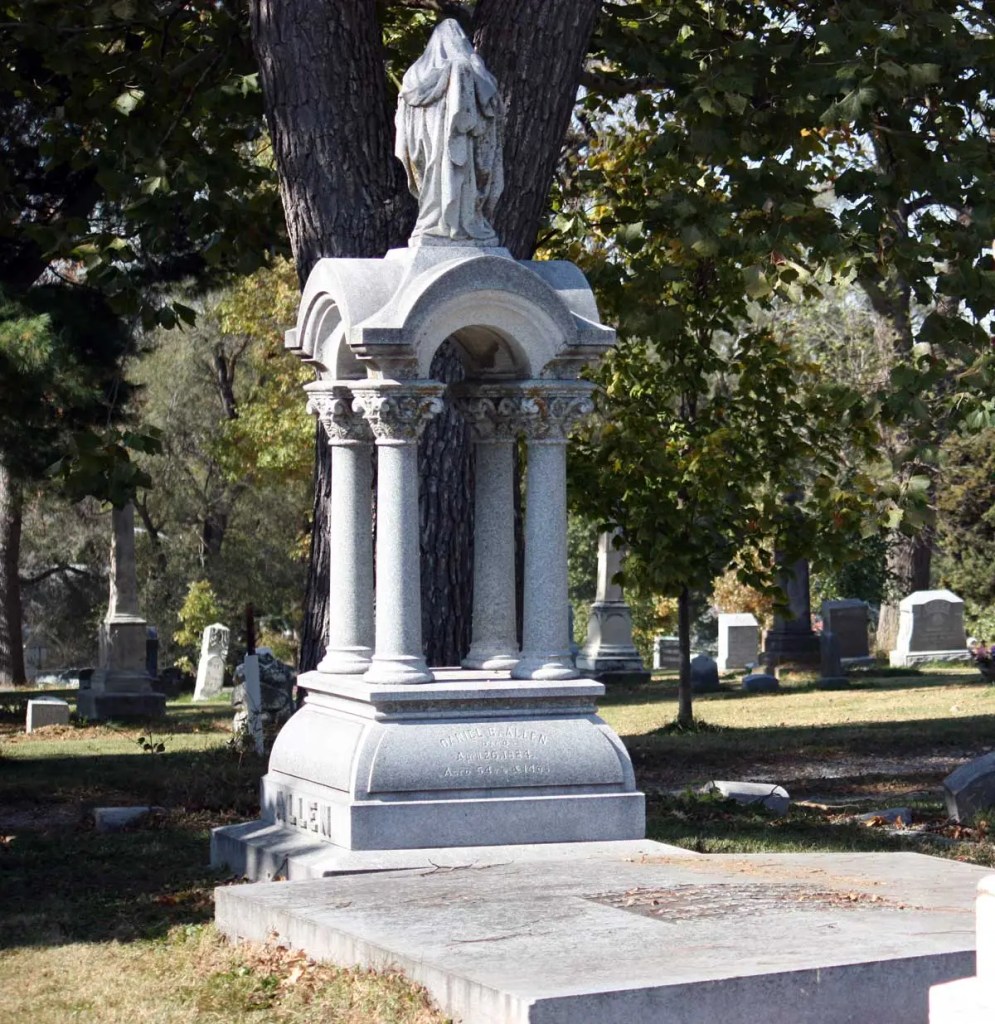
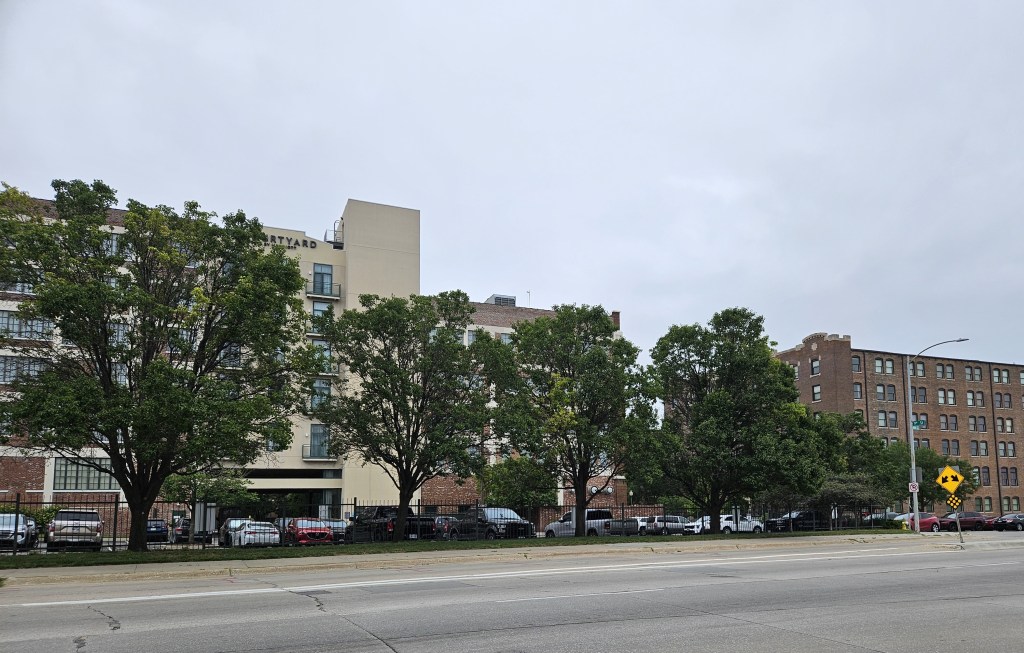
Anna claimed to have no living relatives at the time of her death in 1911. She used the wealth she accumulated during her lifetime to support the poor, the elderly, and children. Her charitable donations included Child Saving Institute, Clarkson Hospital, Creche Home for Children, city mission, and Prospect Hill Cemetery, where she and Dan were buried. She also donated her Douglas Street mansion, the former brothel, to the City of Omaha for use as a hospital. Though the city was reportedly reluctant to accept the gift at first, it ultimately agreed. Rather than naming it the Anna Wilson Memorial Hospital, however, it was simply called City Emergency Hospital. The building was sold and razed in 1946.
Anna also donated her Wirt Street mansion to the Old People’s Home, which sold the property in 1916. The house was ultimately razed in 1970. At the time of her death, her charitable contributions were among the largest in Omaha’s history.

Following her death, Mary Rogers Kimball, founder of the creche and the mother of architect Thomas Rogers Kimball started a tradition of leaving a yellow rose at Anna’s grave each year. The tradition is now a part of Prospect Hill Cemetery’s Memorial Day observance.
Anna Wilson was known to be fiercely independent, intelligent and compassionate. Today, she is widely regarded with respect, and her legacy lives on through Wilson & Washburn, a restaurant and bar as well as Anna’s Place, a speakeasy located inside Hotel Indigo. Her story is also shared as a part of River City History’s Gritty City Tour offered through the Durham Museum.
Content written by Omaha Exploration. If you enjoy my content, you can follow or subscribe on my Facebook page, signup to receive emails or make a donation on my website. Thank you and until next time, keep exploring!
Read my content on Grow Omaha: Local History by Omaha Exploration | Grow Omaha
More pictures


Omaha Exploration is sponsored by

Click here to contact me if you’re interested in sponsoring OE.
Get email notifications when new OE content is posted
Follow OE on the socials
Omaha Exploration, 2024. Unauthorized use and/or duplication of this material without express and written permission from this site’s author and/or owner is strictly prohibited. Excerpts and links can be used, if full and clear credit is given to Omaha Exploration with appropriate and specific direction to the original content.
 Omaha Exploration
Leave a comment