

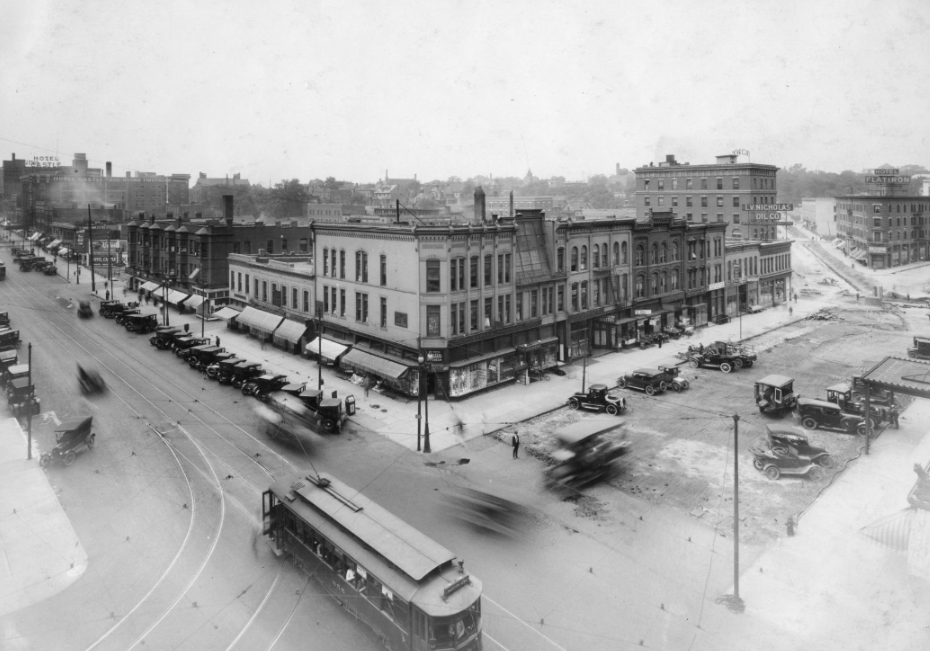
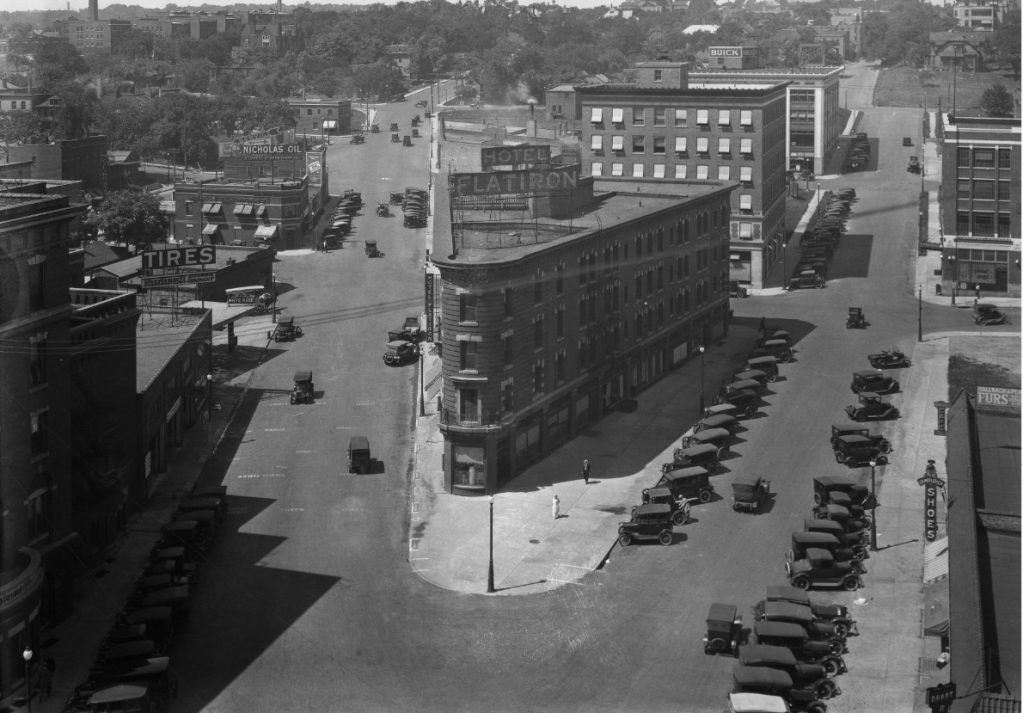
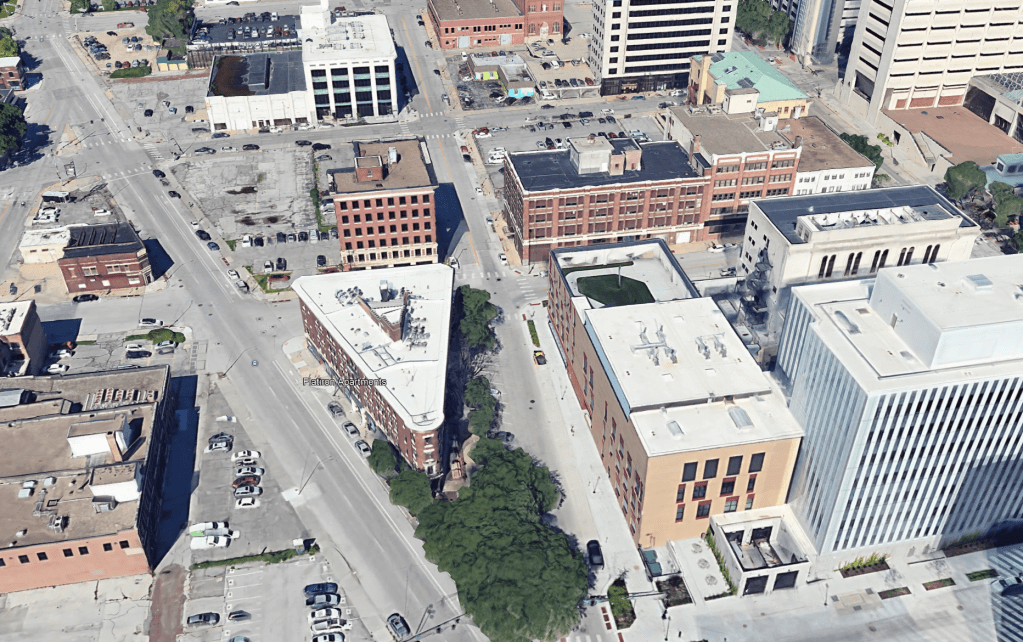
After it was built, the 22-story Flatiron Building in New York City inspired dozens of similar structures across the country with its distinctive three-sided design. Among them was the four-story version built at the triangular intersection where 17th Street, St. Mary’s Avenue, and Howard Street meet.
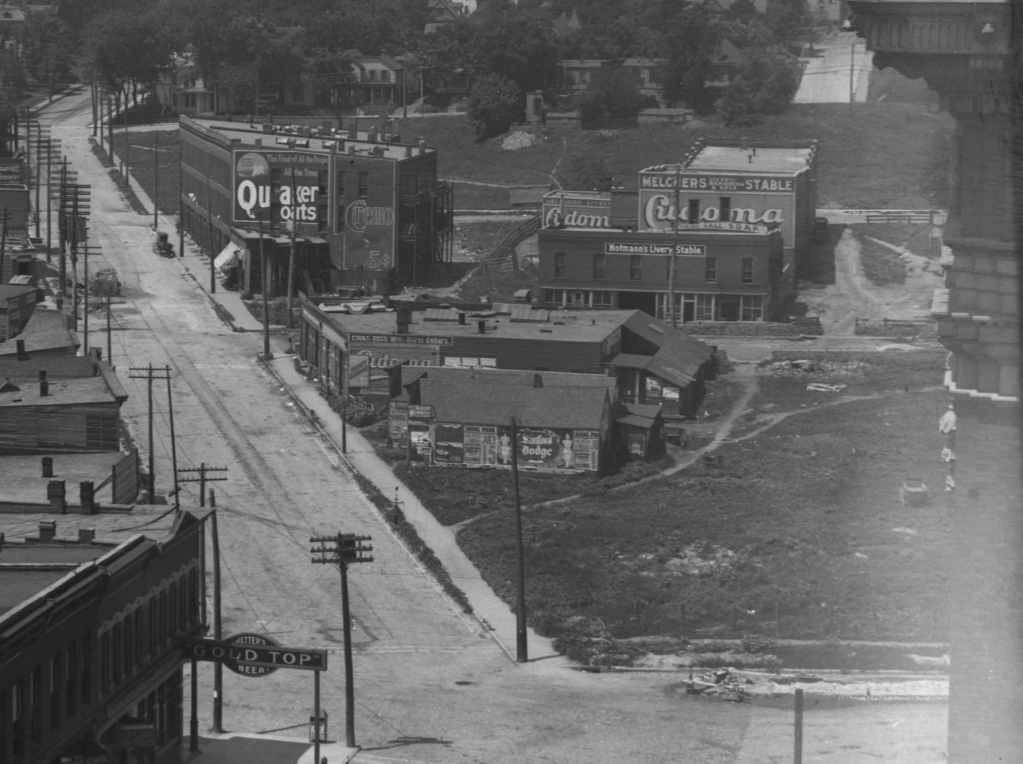
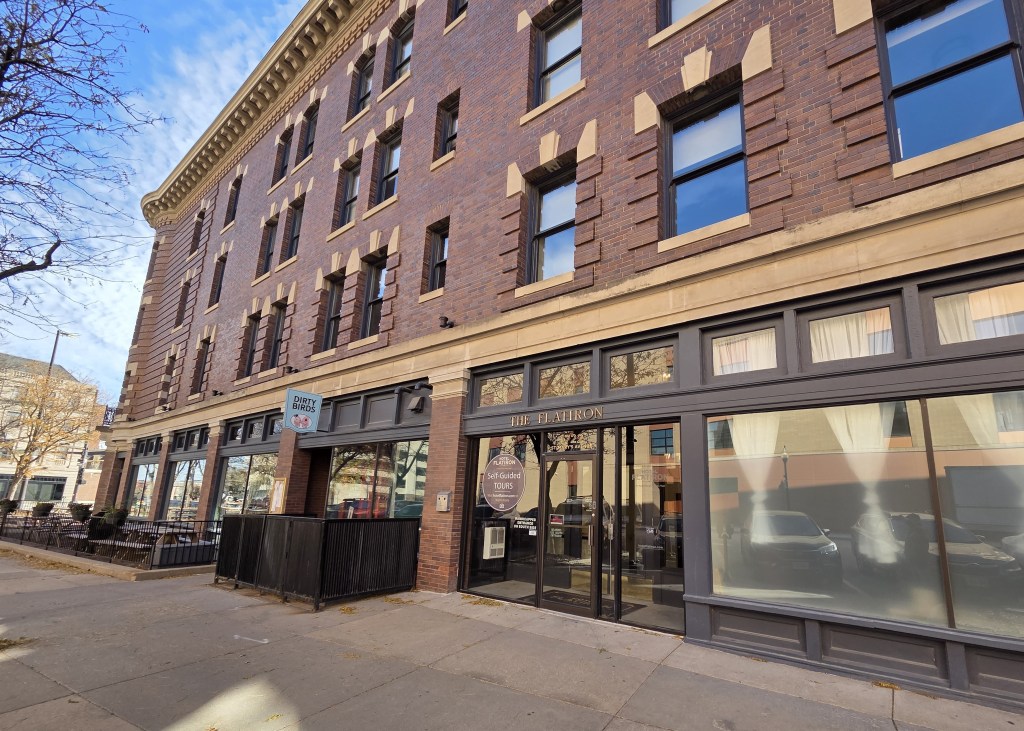
The land was owned by the Kountze family, founders of First National Bank of Omaha. Augustus F. Kountze commissioned architect George Prinz to design the building and the J. C. Maris Company to construct it. Designed in the Georgian Revival style, the four-story structure features symmetrical façades along both Howard Street and St. Mary’s Avenue. The wall above the entrance projects slightly and is topped by a cornice, frieze, and metal railing. At the apex of the triangle on the east sits a circular tower with a French-style double window on the second floor that opens onto a small balcony with an iron balustrade. Decorative brickwork and limestone trim wrap around the entire building.
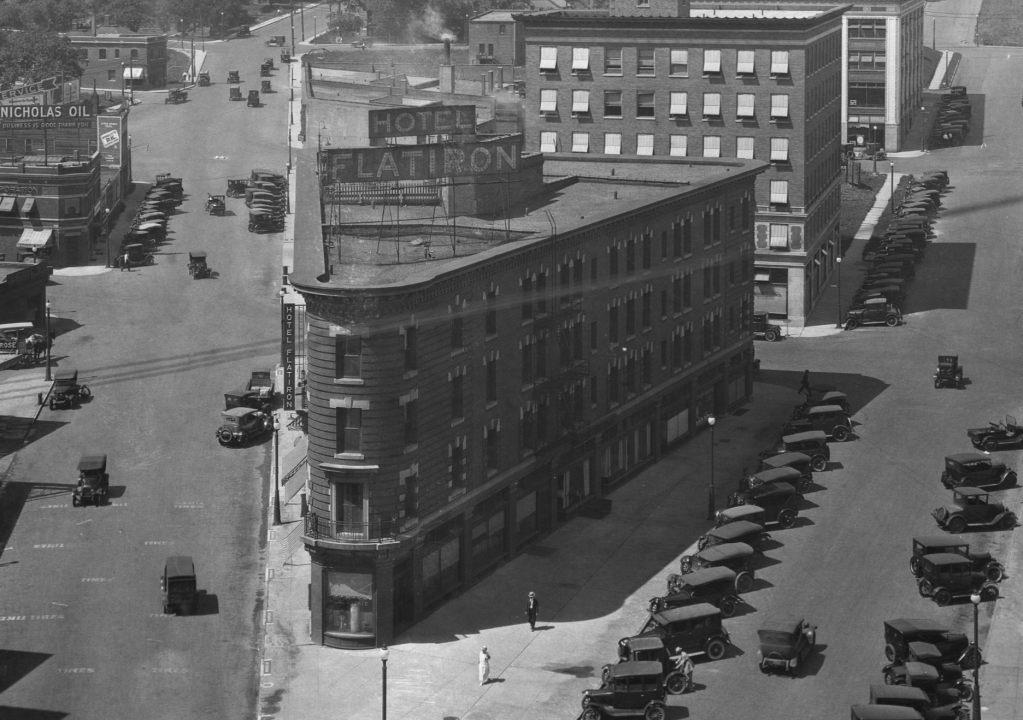
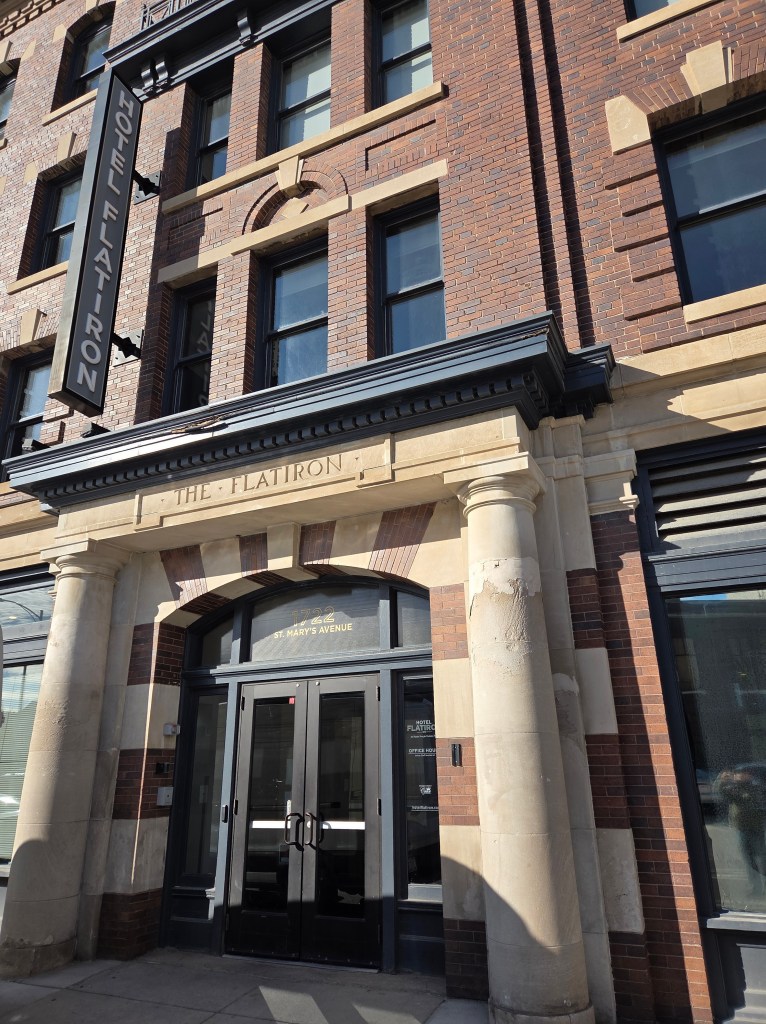
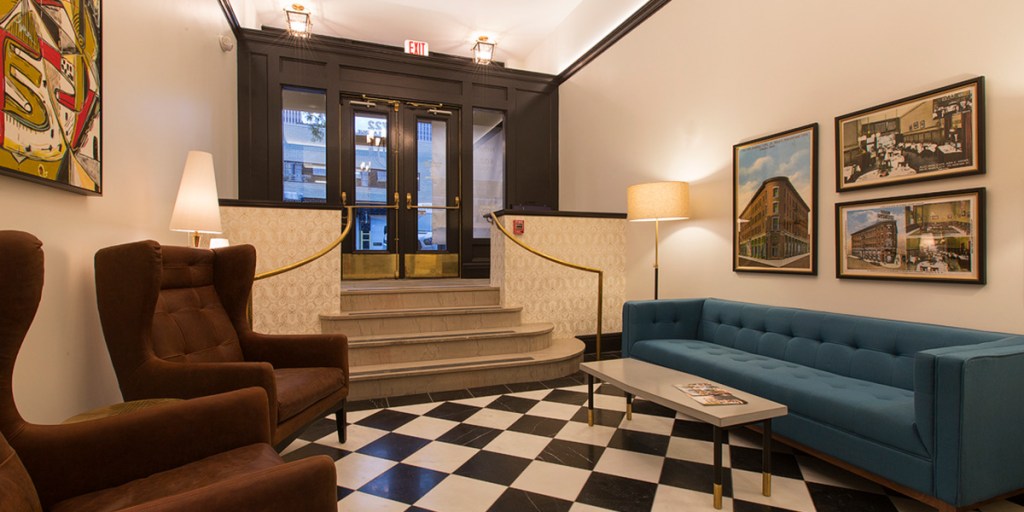
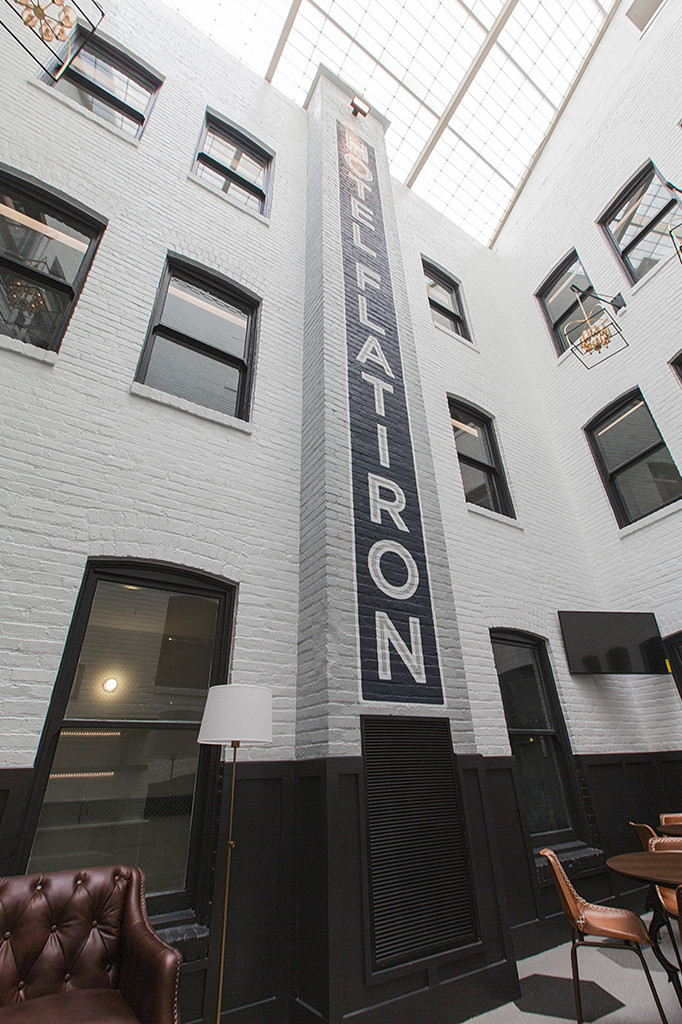
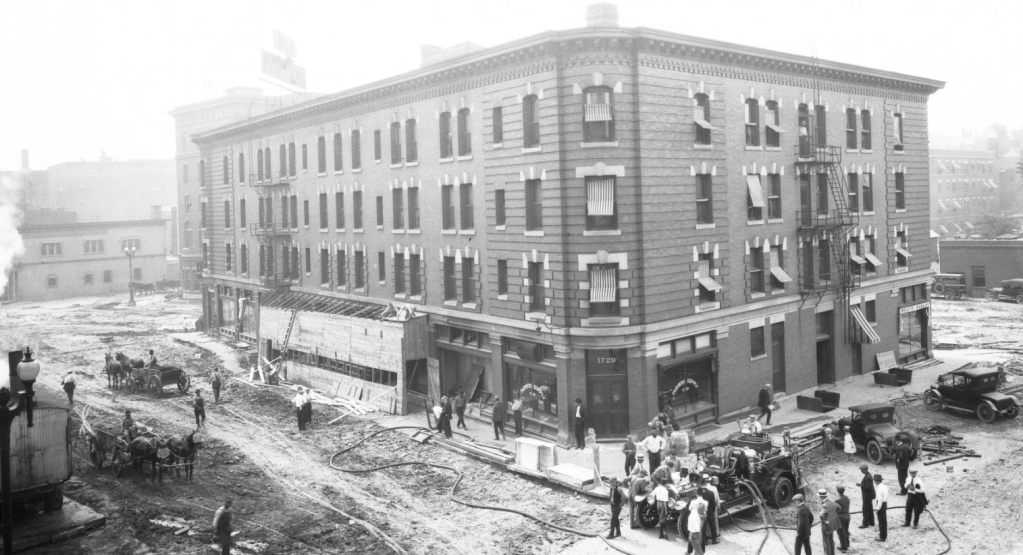
Opening in 1912, the multi-use building at 1722 St. Mary’s Avenue contained ten storefronts on the ground floor, advertised as offering “exceptional opportunities and advantages for high-class retail merchandising.” The upper three floors contained 96 bachelor rooms divided into one-, two-, and three-room suites. Each room was finished in mahogany and included a telephone, hot and cold water, built-in medicine cabinets, and wardrobes, while its 36 restrooms were shared. The main entrance on St. Mary’s Avenue led through a vestibule into a lobby with a tiled floor, service elevator, and steel spiral staircase. At the center of the building was an open-air courtyard.
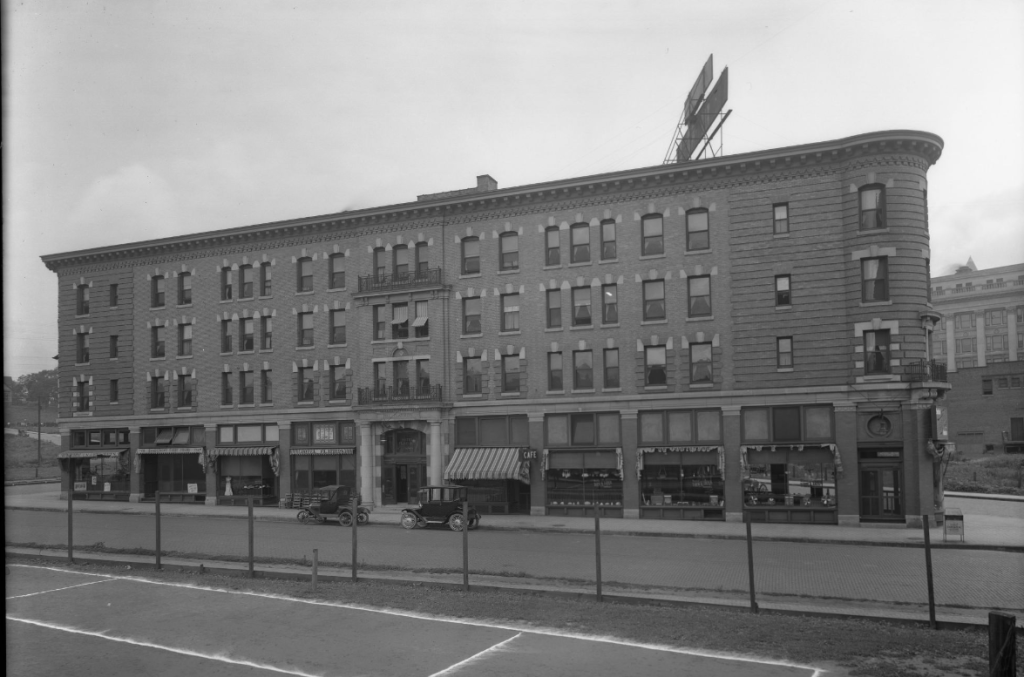
Payne & Slater managed the Flatiron building, whose apartments were originally named The Pasco. Two years later, they purchased and converted the building into a hotel that catered exclusively to men. They even announced that the only woman allowed to reside there was the house manager’s wife, who served as the building’s matron. That same year, Ida Cooke opened the first iteration of the Flatiron Café on the ground floor.
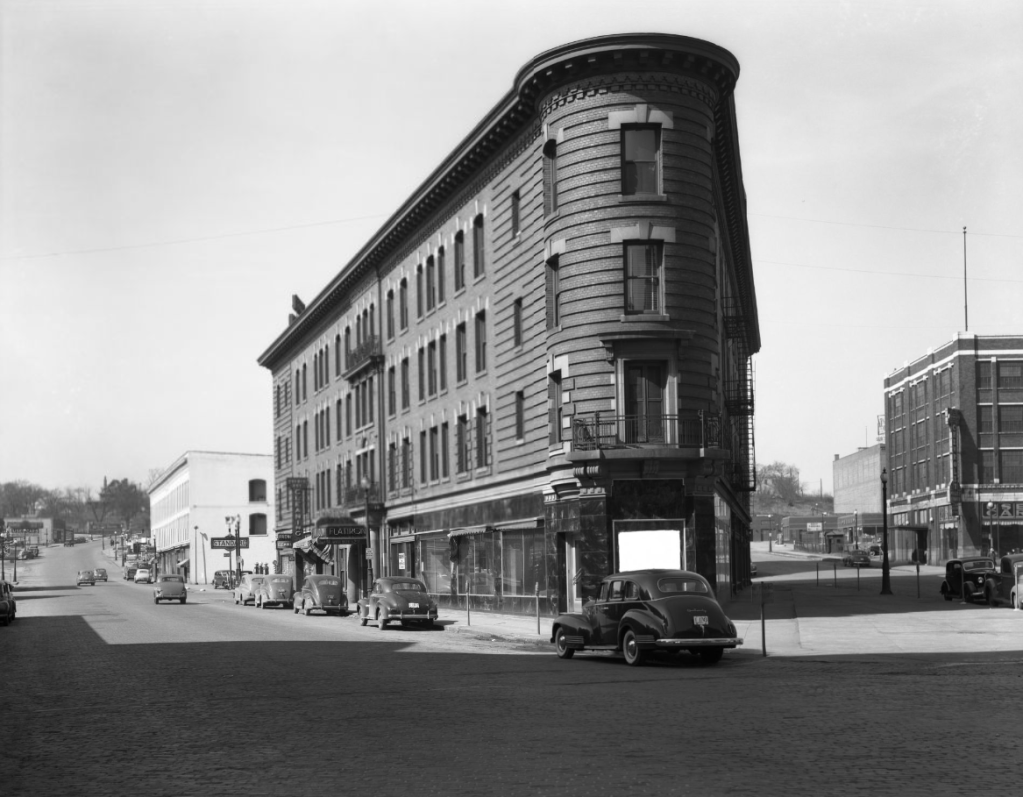
Rumors suggest that the building served as a safe house for mobsters—including Al Capone—during the 1920s. These rumors are believed to have inspired Theodore Wheeler’s novel King of Broken Things, which features the Flatiron as the setting of a criminal scheme involving underground tunnels connecting hotels and brothels.
During the 1940s and ’50s, the hotel reached its peak under the ownership of Isadore Weiner. The restaurant space that once housed the Flatiron Café became the Hayden House during this time. In the following decades, however, both the Flatiron Hotel and the surrounding neighborhood declined. There was even a proposal in 1964 to demolish the building and replace it with a new office and government complex.

By 1977, developer Fred Winkelmann of Union Casualty Underwriters was in the process of renovating the Aquila Court (now the Magnolia Hotel) across the street. He also purchased the Flatiron, which was featured in the Landmark book Omaha City Architecture, and had it added to the National Register of Historic Places a year later. He sold the building in 1983 after deciding he no longer wanted to remain in the hotel business. Its next owner, Atlanta-based Ameritas, converted it into office space. The new owners restored the exterior, including the brick, limestone, and the stone etching above the doorway. Inside, the building was completely gutted, with only the exposed brick and iron spiral staircase remaining.
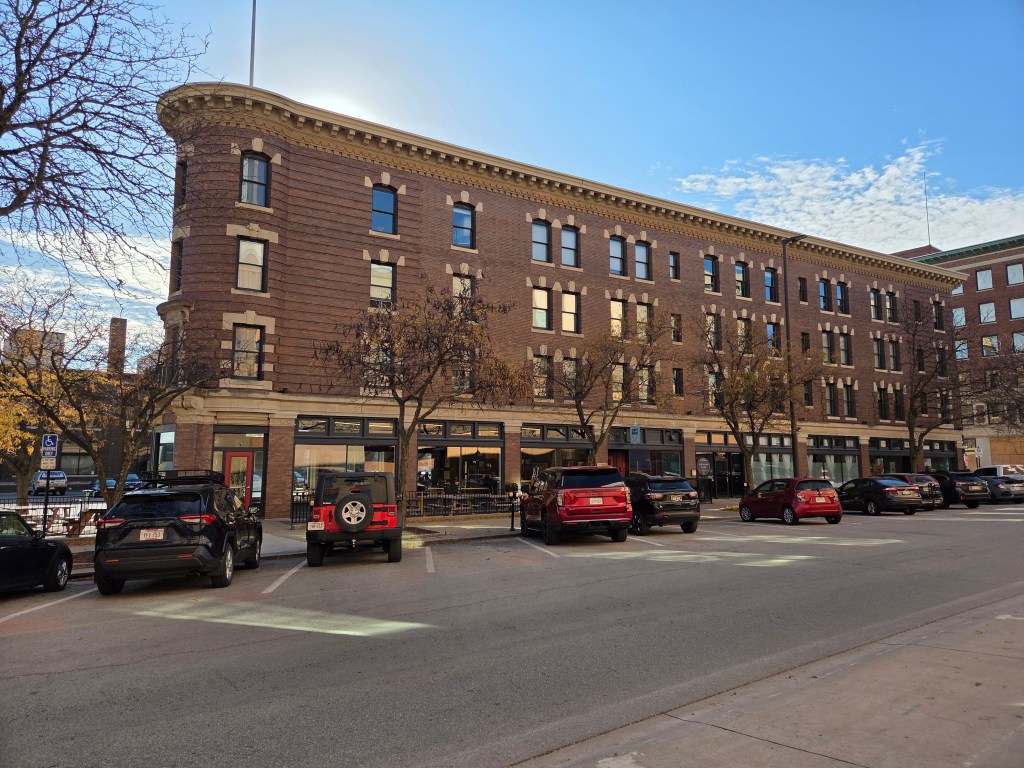
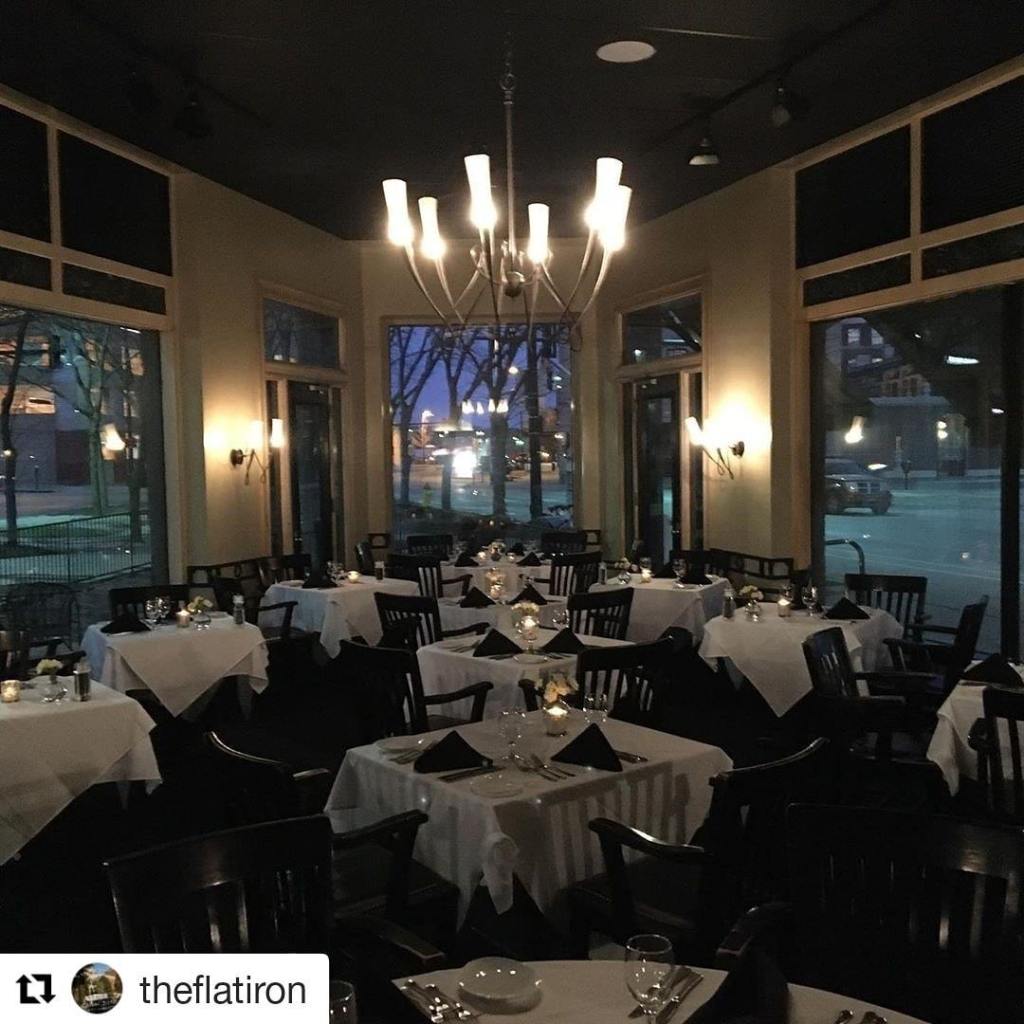
In 1995, a new iteration of the Flatiron Café opened in the building’s east-side ground-floor space. Owners Steve and Kathleen Jamrozy’s fine-dining restaurant quickly became known for offering some of the best cuisine and atmosphere in Omaha.
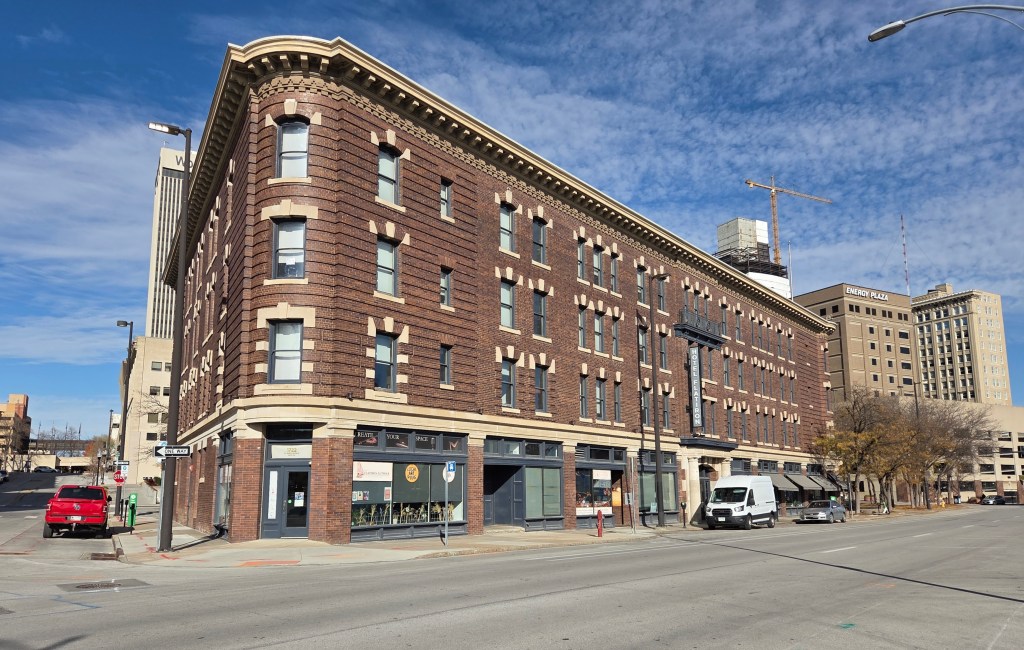
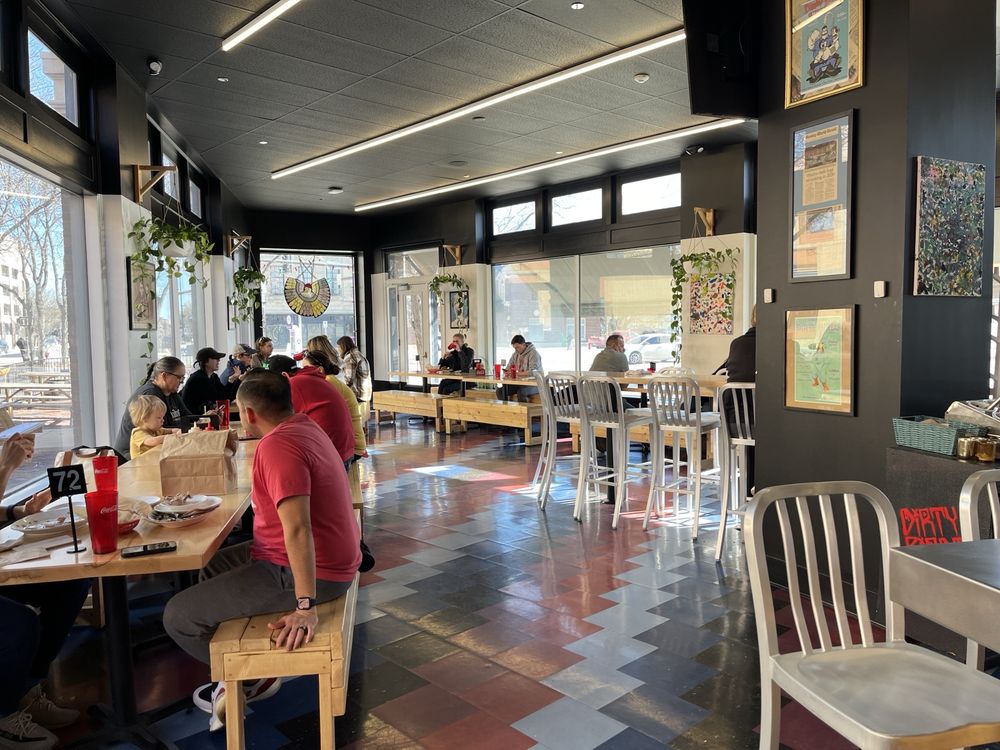
Despite the restaurant’s success, much of the office space remained empty. By 2015, the building found new life as an apartment complex. Led by Dicon and Holland Basham Architects, the upper floors that once contained 96 units were transformed into 30 luxury apartments, and the lobby and atrium were redesigned. Meanwhile, its namesake café closed in 2020 and was replaced by the popular fried-chicken restaurant Dirty Birds.
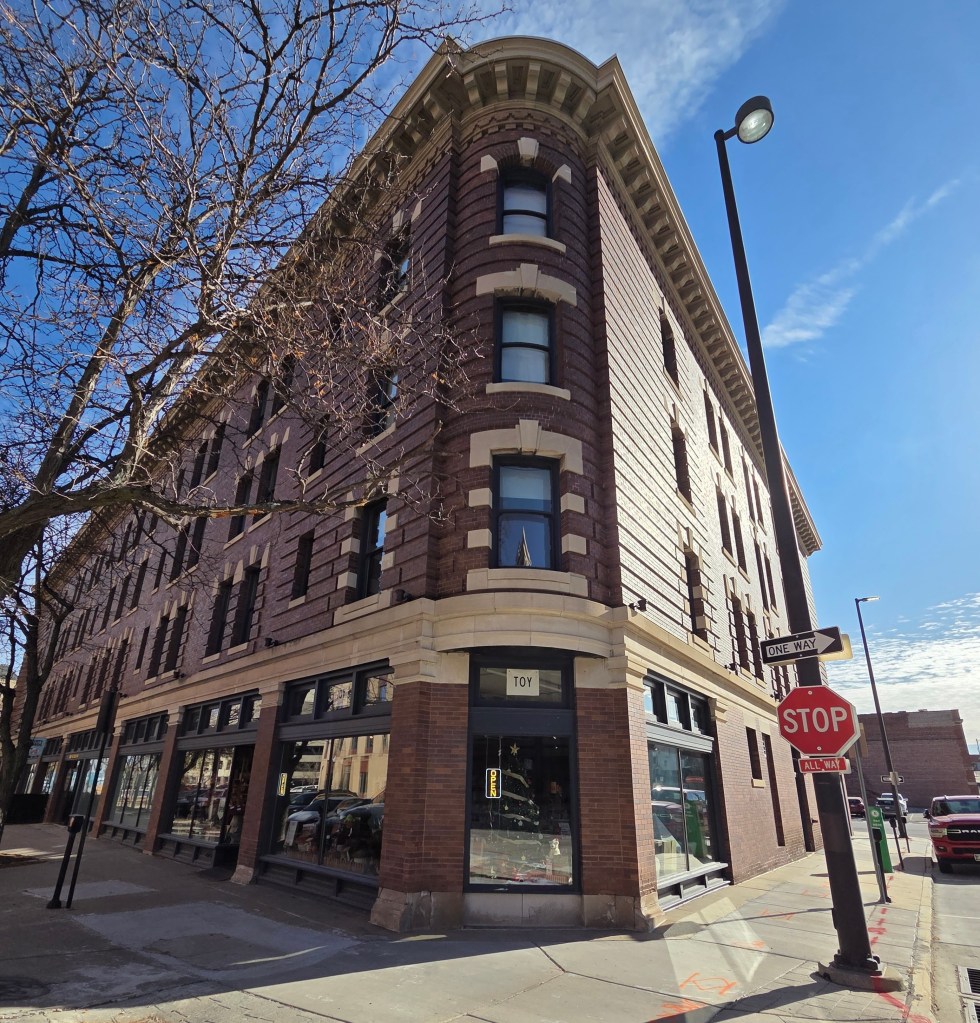
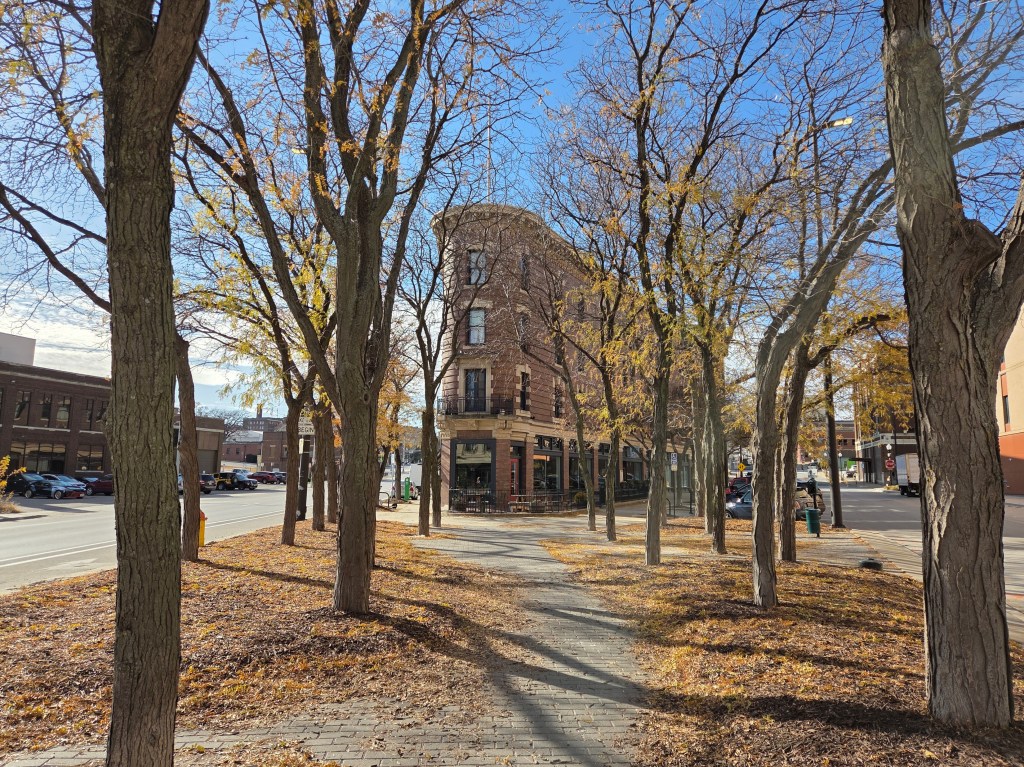
Today, the Flatiron remains one of Omaha’s most iconic landmarks—which, like the neighborhood that surrounds it, continues to evolve, finding new life with each chapter.
Content written by Omaha Exploration. If you enjoy my content, you can follow or subscribe on my Facebook page, signup to receive emails or make a donation on my website. Thank you and until next time, keep exploring!
Article Featured on Grow Omaha: Local History by Omaha Exploration | Grow Omaha
Omaha Exploration is sponsored by @Rockbrook Mortgage Inc.

More pictures

Subscribe
Type your email address below to be notified when a new story is posted.
Omaha Exploration, 2025. Unauthorized use and/or duplication of this material without express and written permission from this site’s author and/or owner is strictly prohibited. Excerpts and links can be used, if full and clear credit is given to Omaha Exploration with appropriate and specific direction to the original content.
Omaha Exploration proudly supports

Contact me or click the logo to learn more
 Omaha Exploration
Leave a comment