
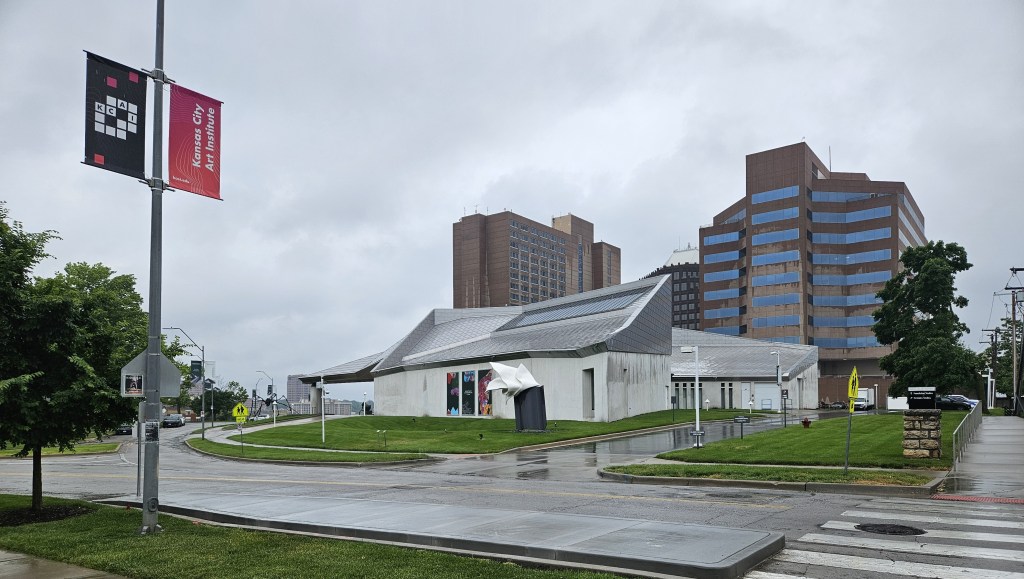
While in Kansas City to see the Savannah Bananas play, we made a stop to the Kemper Museum of Contemporary Art. The nearby mansion on the campus of the Kansas City Art Institute got my attention so after taking a few pictures, I decided to dig into its history.

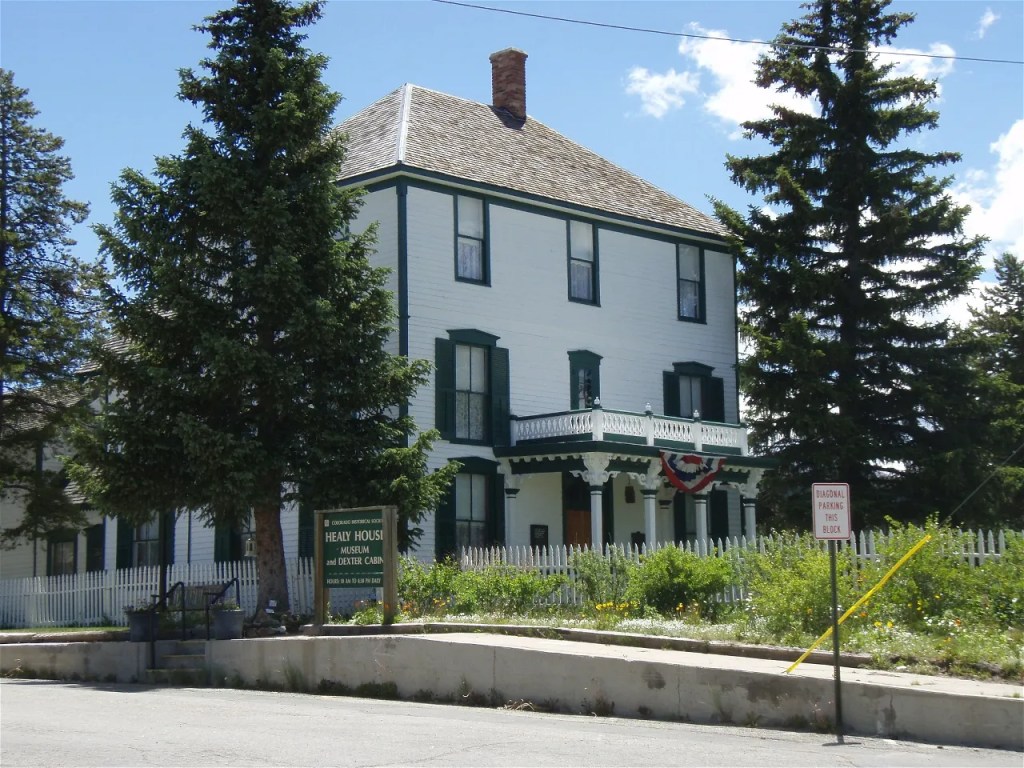
The son of German immigrants, August Meyer was born in St. Louis in 1851. He attended school in Zurich, Switzerland and then Freiburg, Germany to study mining. He graduated in 1872 and returned to St. Louis in 1873. After living in Illinois, he settled in Colorado where he founded the town of Leadville. He struck it rich in the silver industry after opening an ore-crushing mill. In 1878 he married Emma Hixon of Denver and the couple built a home called the Healy House which serves as a museum today.

Encouraged by its prospects for commercial and industrial growth, August and family moved to Kansas City in 1881 at which point he opened Kansas City Smelting and Refining Company which, at its height, employed 1,000 people. An avid outdoorsman and nature lover, he was inspired by the City Beautiful Movement and developed the city’s park and boulevard system after being appointed as the park boards first president in 1892.

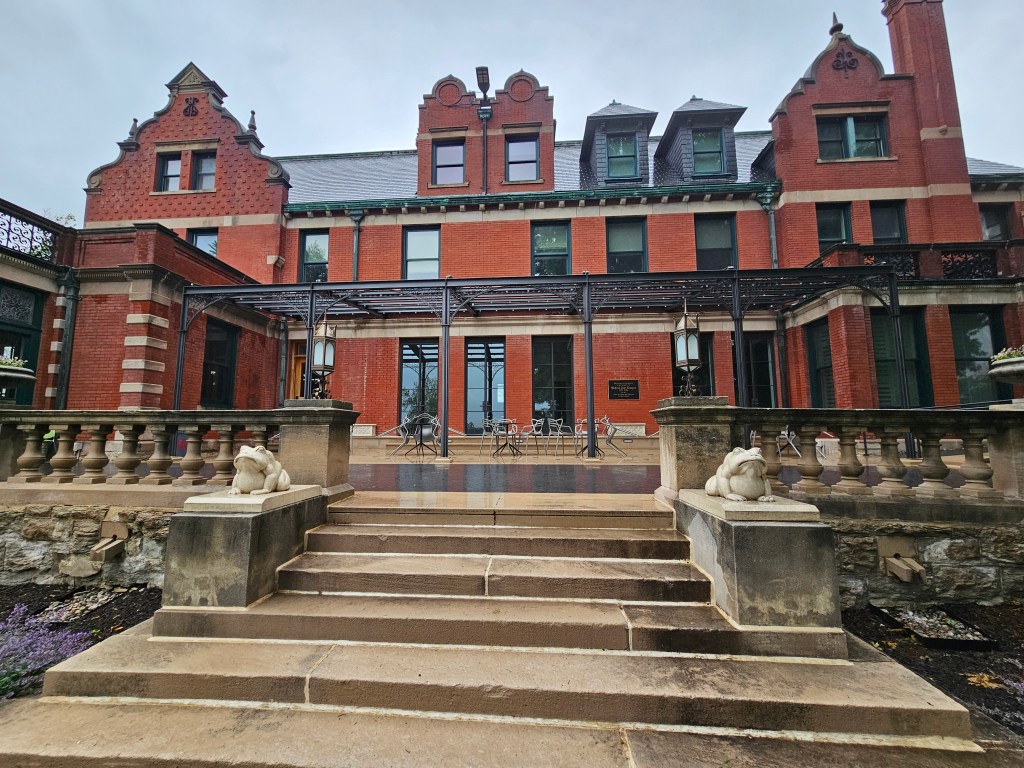
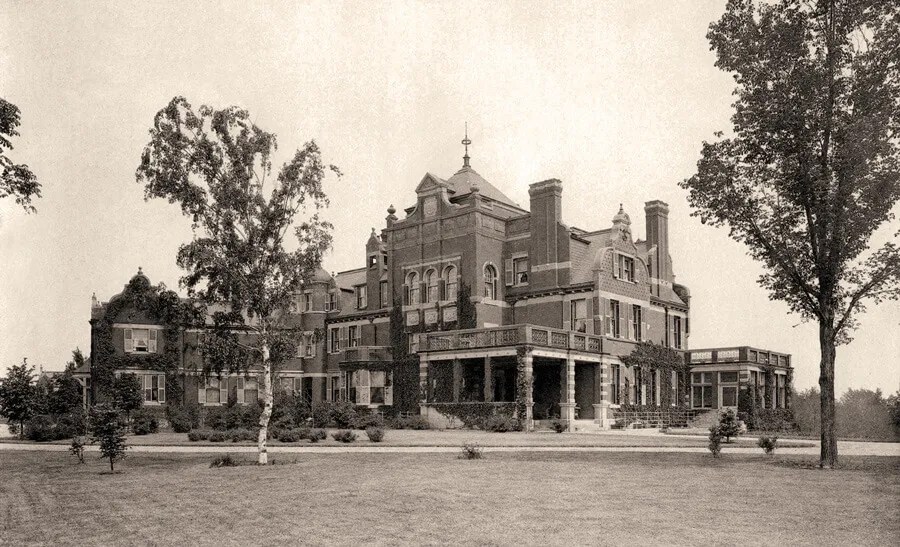
August hired the architectural firm Van Brunt and Howe to design a Flemish Queen Anne-style mansion for his family on eight and a half acres of land. Located at 4415 Warwick Boulevard, he named it Marburg after the Philipps University of Marburg in Germany. Built in 1895 of stone and brick, it had numerous gables and dormers. Its grounds included an Oriental garden with a goldfish pond in the northwest corner. It was originally 35-rooms including an entrance hall, grand staircase, library, drawing room, fireplaces and conservatory.
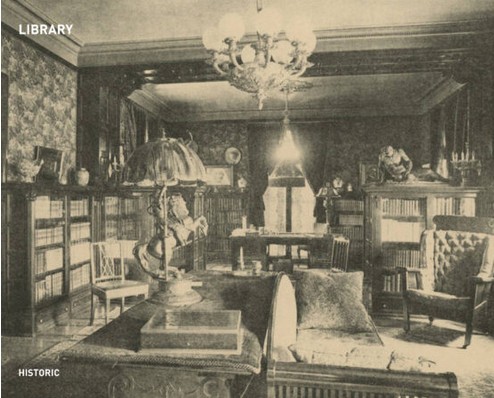
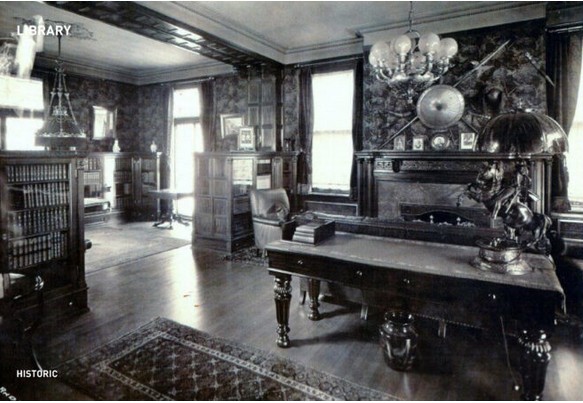
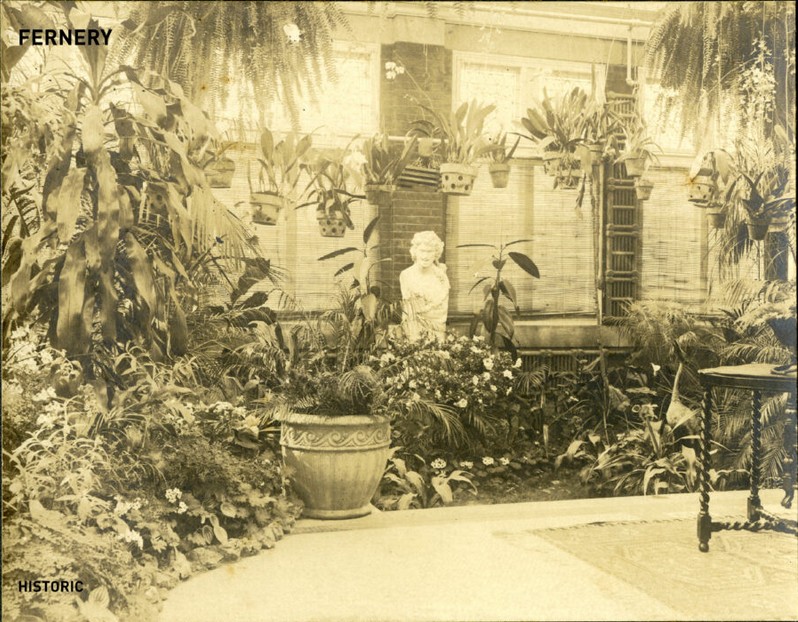


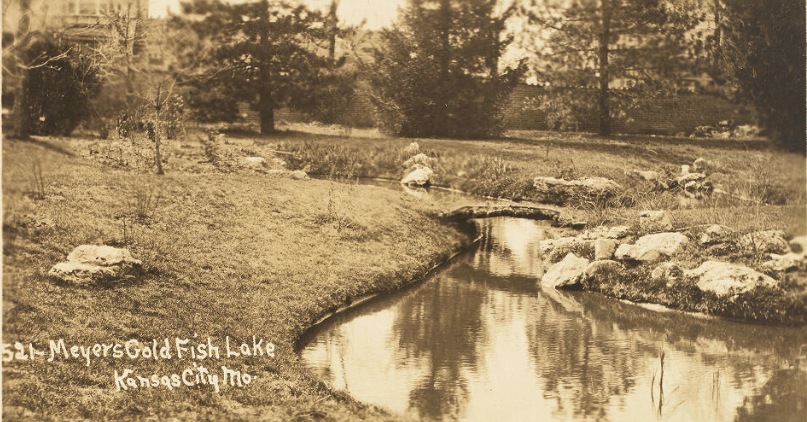
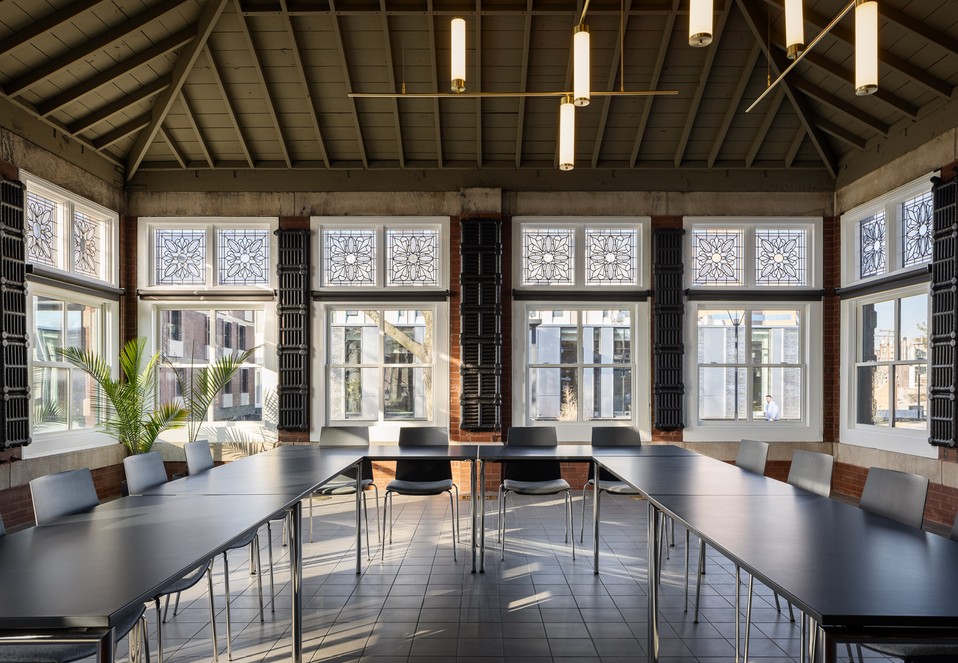
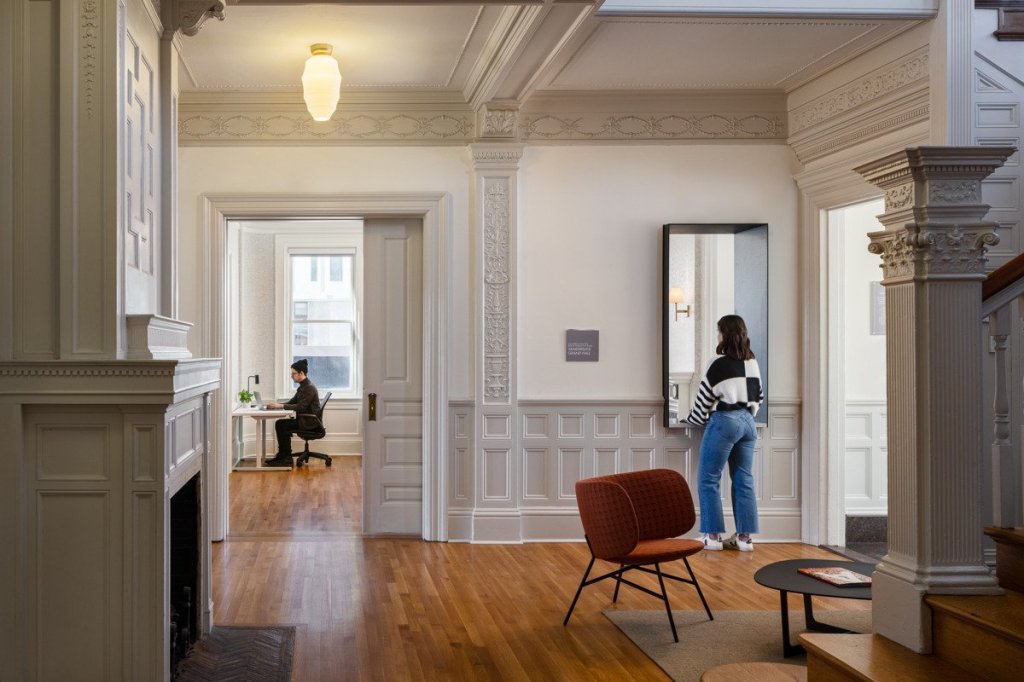
Interior photos of August and Emma Meyer’s Marburg courtesy of Helix. Photo of the pond courtesy of KC History.
When August and friend William Rockhill Nelson moved to the area of the Rockhill District, it established the Southmoreland neighborhood. It also started a movement of KC’s well-to-do moving to the blossoming parks and boulevard system.

Named Marburg, the private residence remained in the Meyer family until 1927 – long after August passed away in 1905 when he was just 54 years old. Emma, who passed away in 1932, sold it to founder of the Vanderslice-Lynds Mercantile Company Howard Vanderslice – a philanthropist and art patron. After acquiring it for $140,000 in 1928, he donated it to the Kansas City Art Institute. Prior to that, the institute moved 12 times in its first 42 years. At that point it was renamed Vanderslice Hall.
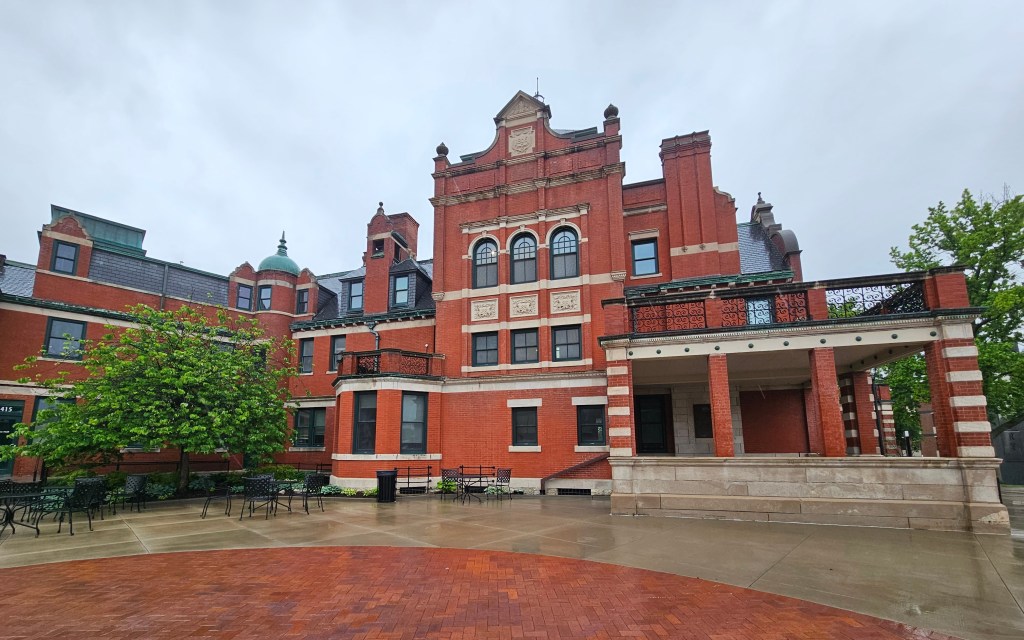
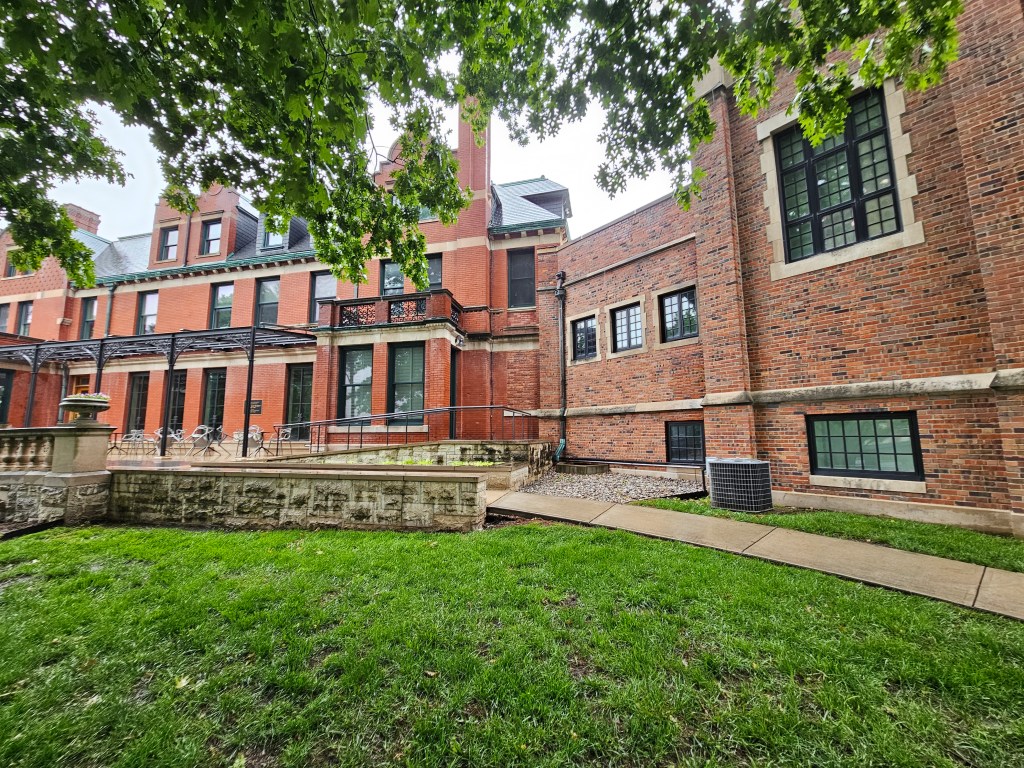
The building required only slight changes in order to serve its new purpose. The conservatory was rebuilt to form a picture gallery with skylights while the large living room and dining rooms were combined for exhibitions and assembly rooms. The former library and drawing room were turned into offices and spaces to display art. The second and third floors were turned into studios and classrooms. The basement contained a tea room, lounge and auditorium while two large green houses were turned into painting and modeling studios. While the exterior remained mostly unaltered, an addition, Epperson Auditorium, was built on its east end in 1930.
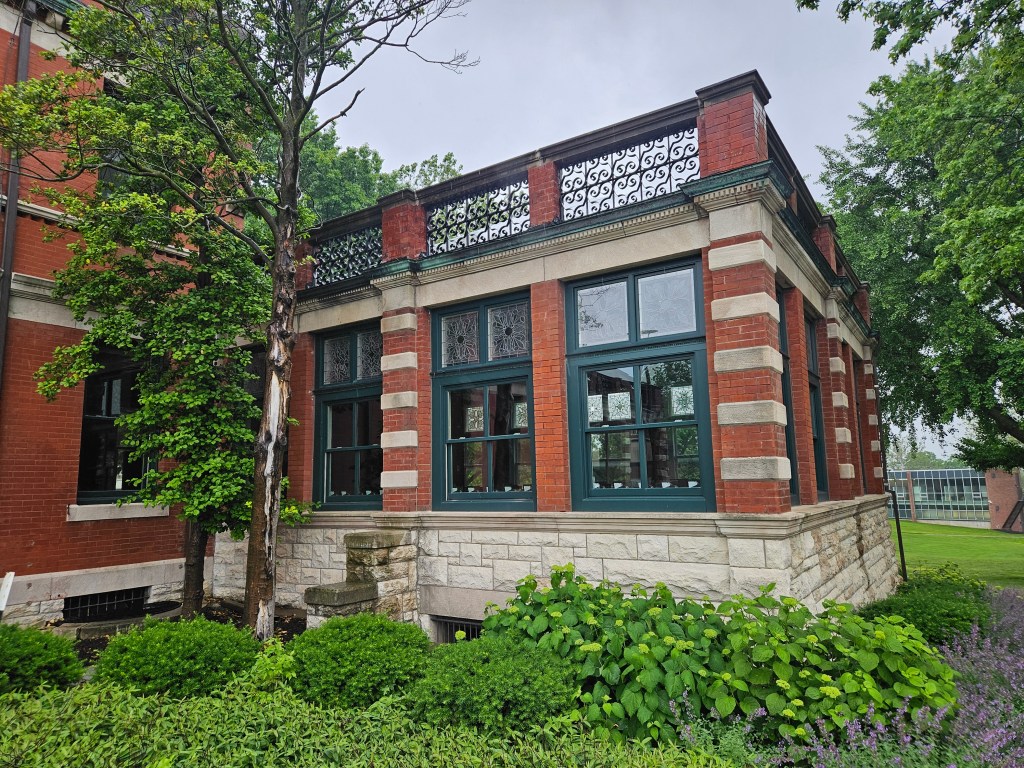
As the Kansas City Art Institute campus grew, other buildings were added on the grounds that once belonged to the Meyer family. Vanderslice Hall, meanwhile, was placed on the National Register of Historic Places in 1983. Today it serves as the Administration and Welcoming Center for the Kansas City Art Institute.
Content written by Omaha Exploration. Feel free to leave a comment or a suggestion. Until then, keep exploring!
Omaha Exploration is sponsored by @Rockbrook Mortgage Inc.

Click here to learn about opportunities to sponsor Omaha Exploration!
More pictures






Follow OE on Facebook for more
Get an email when new content is posted
Omaha Exploration, 2024. Unauthorized use and/or duplication of this material without express and written permission from this site’s author and/or owner is strictly prohibited. Excerpts and links can be used, if full and clear credit is given to Omaha Exploration with appropriate and specific direction to the original content.
Omaha Exploration proudly supports

Contact me to learn more about M4K!
 Omaha Exploration
Leave a comment