

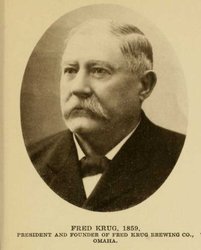
Omaha Brewing history starts with Frederick Krug. Trained as a brewer in his native Germany, he arrived in the United States in 1852 at just 19 years old. The young man immediately found work as a superintendent of a small brewery in St. Louis where he met Anna Witting. The couple married and started a family with the birth of their son William.
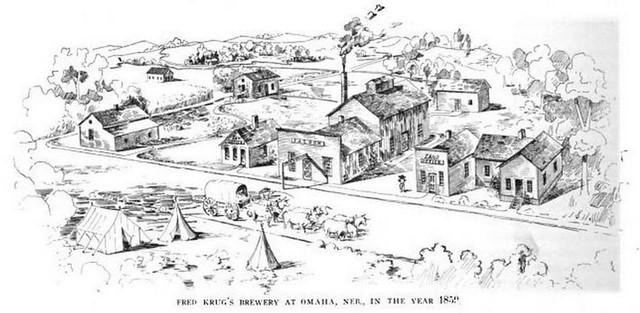
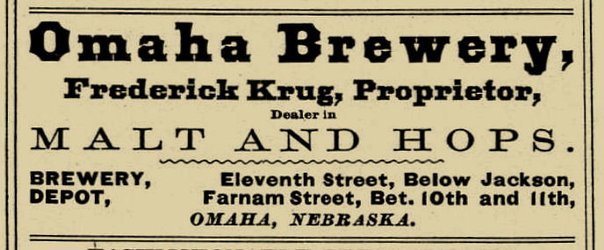
Just five years later the Krug family landed in Council Bluffs where he found employment in the Hagg Brothers Brewing Company. It didn’t take long for Fred to see opportunity across the Missouri River. He relocated to Omaha and found a partner to start the city’s first brewery.
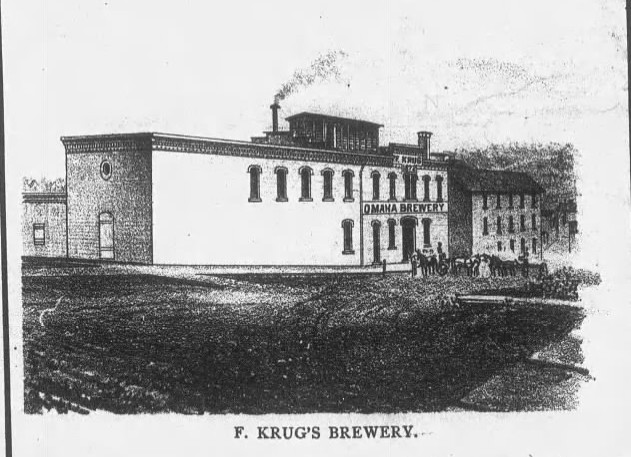
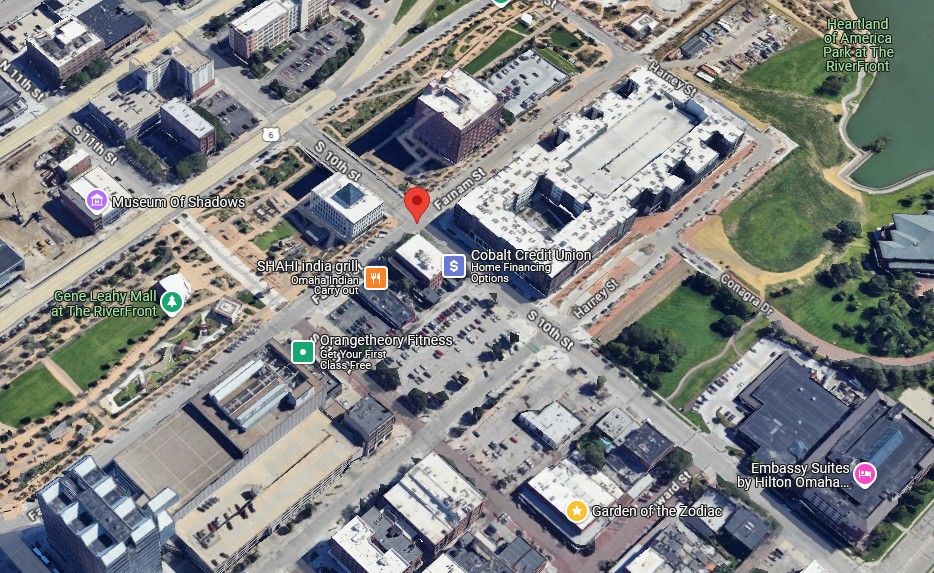
Fred Krug and Rudolph Selzer, a shoe maker turned brewer, made history when they opened the doors to their brewery in 1859. Fred delivered the fresh beer using a wheelbarrow while Rudolph manned the small beer shop that operated from the front of their building at 10th and Farnam Streets.
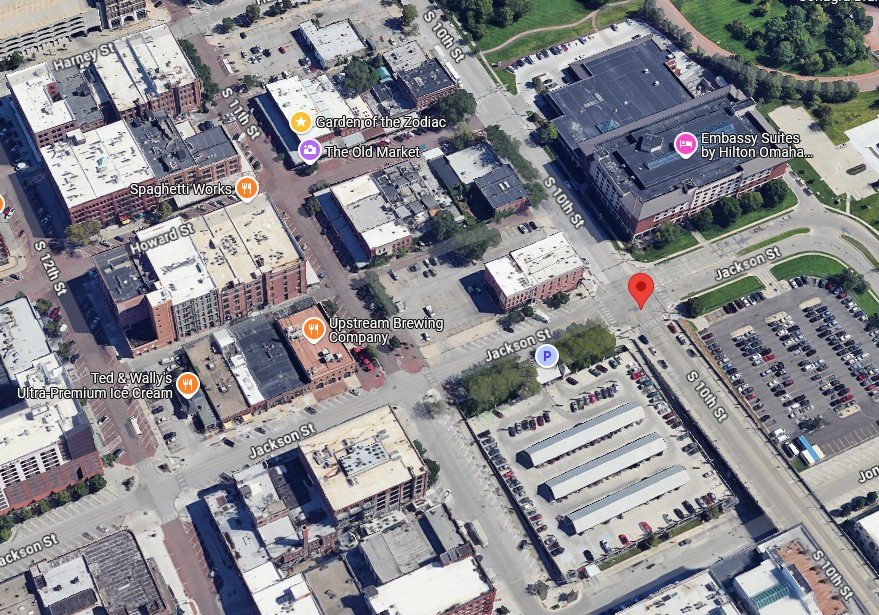
Devoid of competition, the business was a big hit and provided beer to the four saloons in town not to mention the Mormons who settled in Florence. Fred bought Rudolph’s share of the business in 1861 and never looked back. The business continued to grow and proved to be so good that Fred had a difficult time keeping up with demand. By 1867 he built a new facility just south at 11th and Jackson Streets.
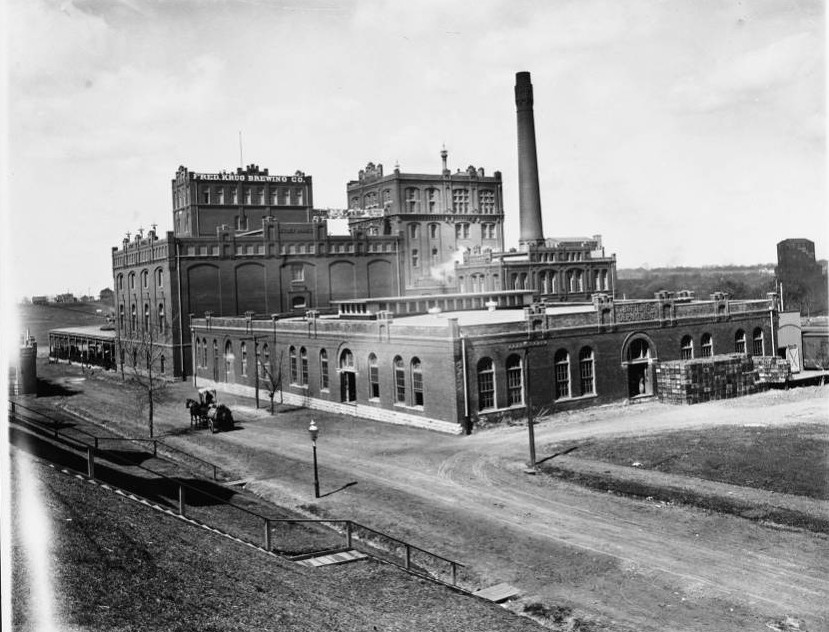
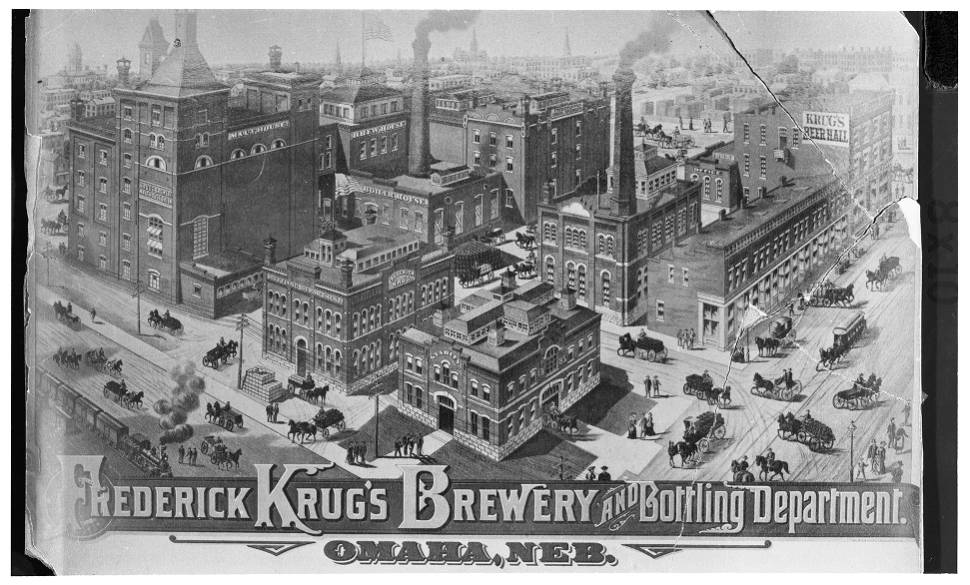
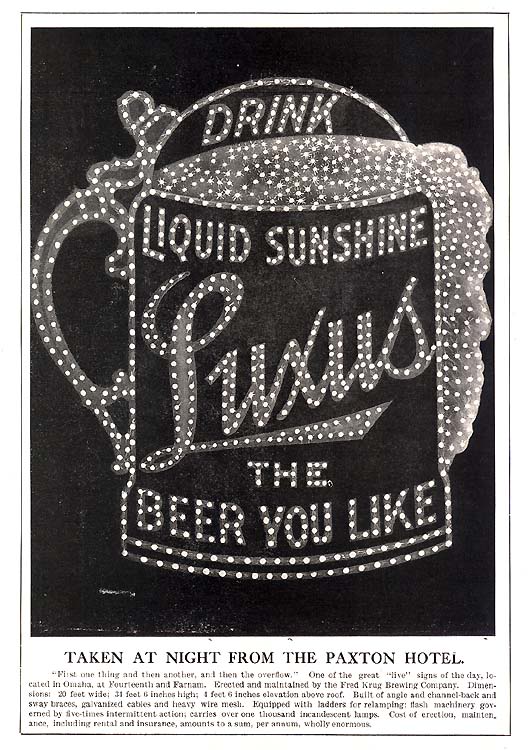
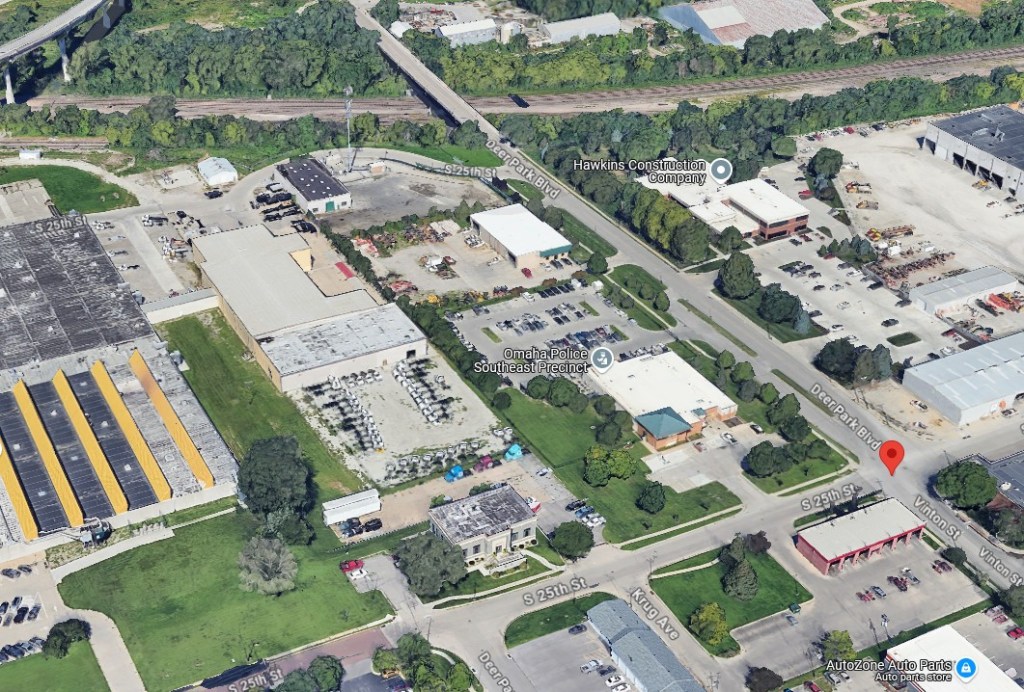
Krug’s success, of course, attracted competitors which included the Metz brothers and Gottlieb Storz. Even so, Krug remained the largest brewery in town with his operation taking over an entire city block. He never anticipated that he would need an even larger facility but that came in 1893 when he bought 18 acres of land at 25th and Vinton Streets. From this massive plant he employed hundreds of men, many of whom were also immigrants, as they continued to supply the masses with its popular Luxus and Cabinet brands of beer.
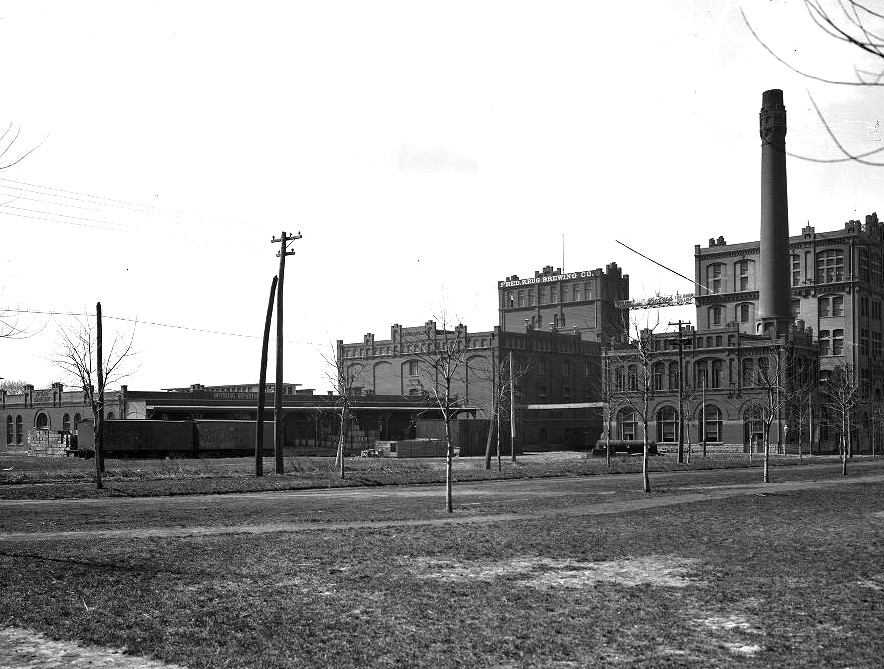
In addition to brewing, Fred helped financed Tietz Park at 52nd and Military Avenue. He took control of the park in 1903, renamed it Krug Park while turning it into an old world themed amusement park. We’ve explored Krug Park in a previous post so be sure to check that one out if you’re interested. He also supported an amateur baseball team which is said to have drawn one of the largest crowds ever at 100,000. The Luxus team, named after the beer, played and lost in the 1915 National Amateur Baseball Tournament in Cleveland.
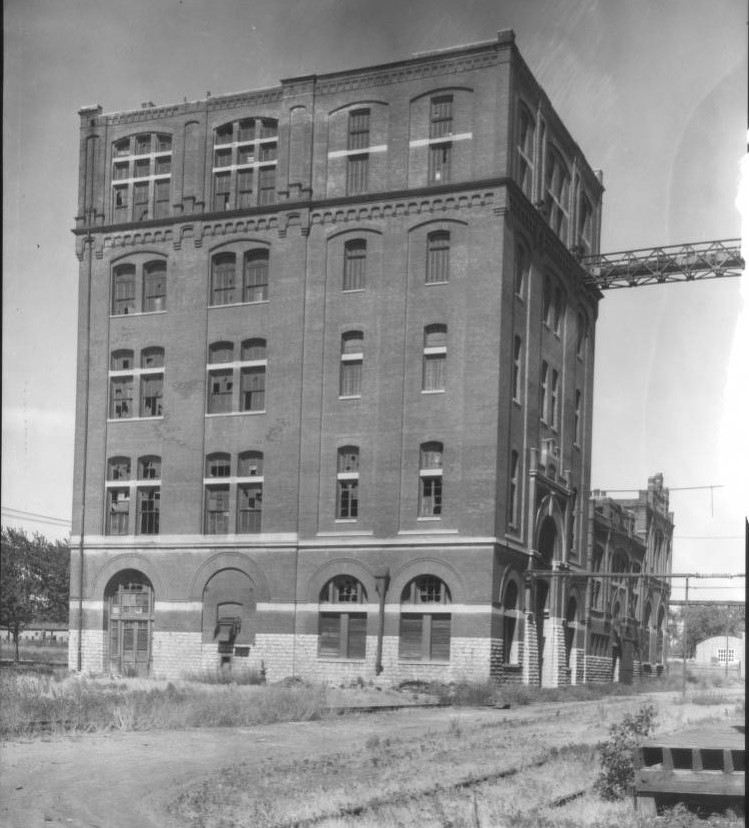
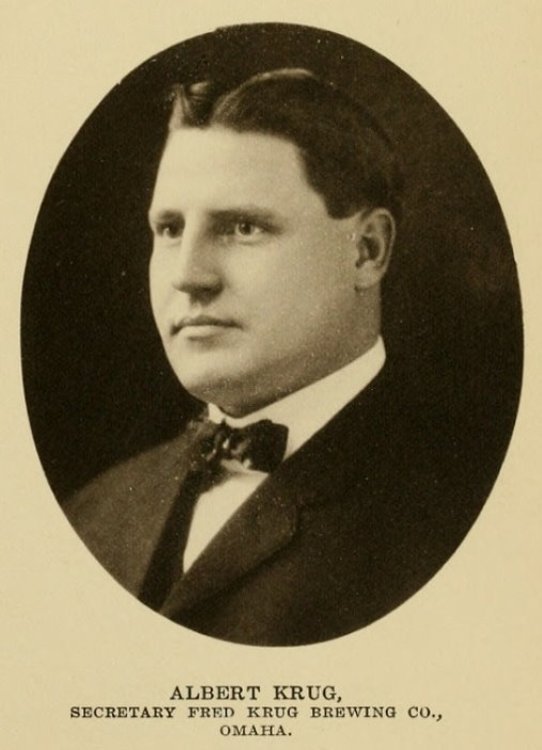
The founder stepped away from the day-to-day operations of the brewery in 1907 when he was 74 years old. At that point, it rested in the hands of his sons, William, Fred Jr. and Albert. Tragically, its new president, William, was involved in a car accident and passed away just three years later in 1910. Fred Jr. passed away in 1914 due to complications from diabetes. That left Albert, the youngest of Fred’s children, to operate the beer empire.
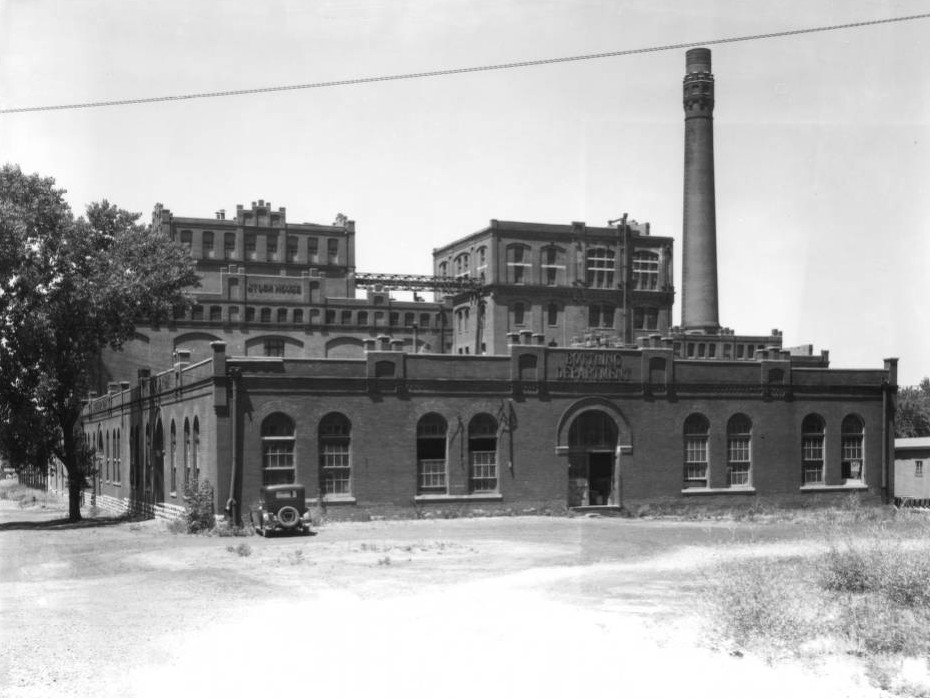
Despite those events, Krug Brewing Company, didn’t miss a beat and remained on top of the competition. By 1917, however, Nebraska passed prohibition thereby halting legal beer production across the state. The company continued to operate for a time making a soft drink version of its popular Luxus brand of beer.
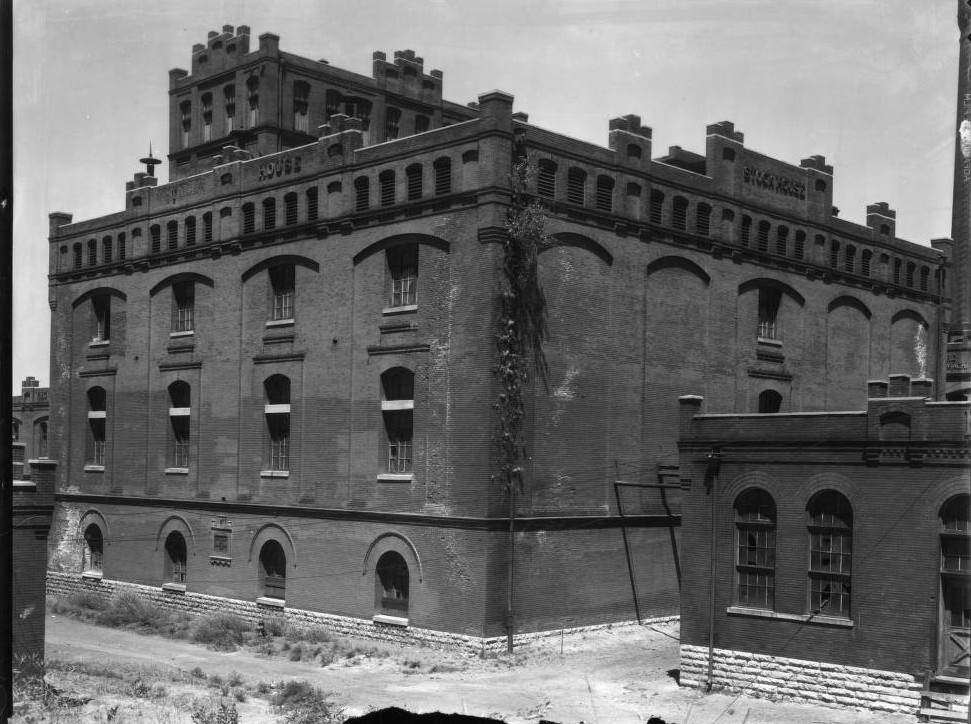
By the time prohibition ended in 1933, the old beer plant was in a state of decay and needed massive investments to bring it back. Albert was hesitant but ultimately decided to make the repairs to bring it back online. The delay in opening, however, provided its competitors with the opening needed to take over Krug as the top beer producer in the area. Storz, in particular, flooded the local beer market. By the time Krug managed to reopen months later, it was already too late.
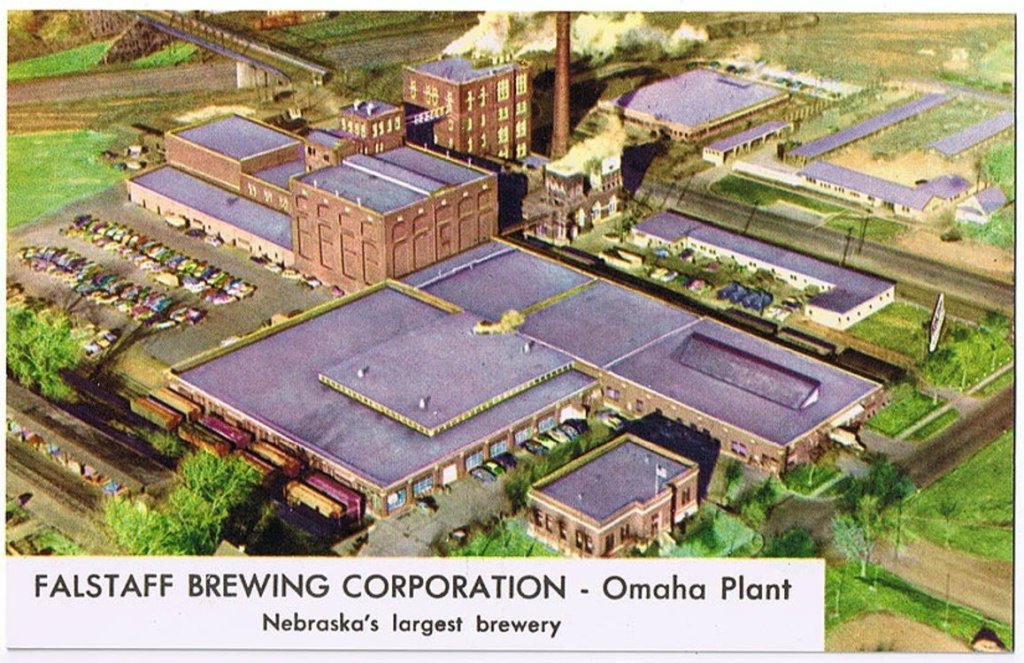
By 1935 Krug had declared bankruptcy and Albert turned to family to keep its brewery running. Related through marriage, the family that operated Falstaff Brewing Company took over the Omaha plant.
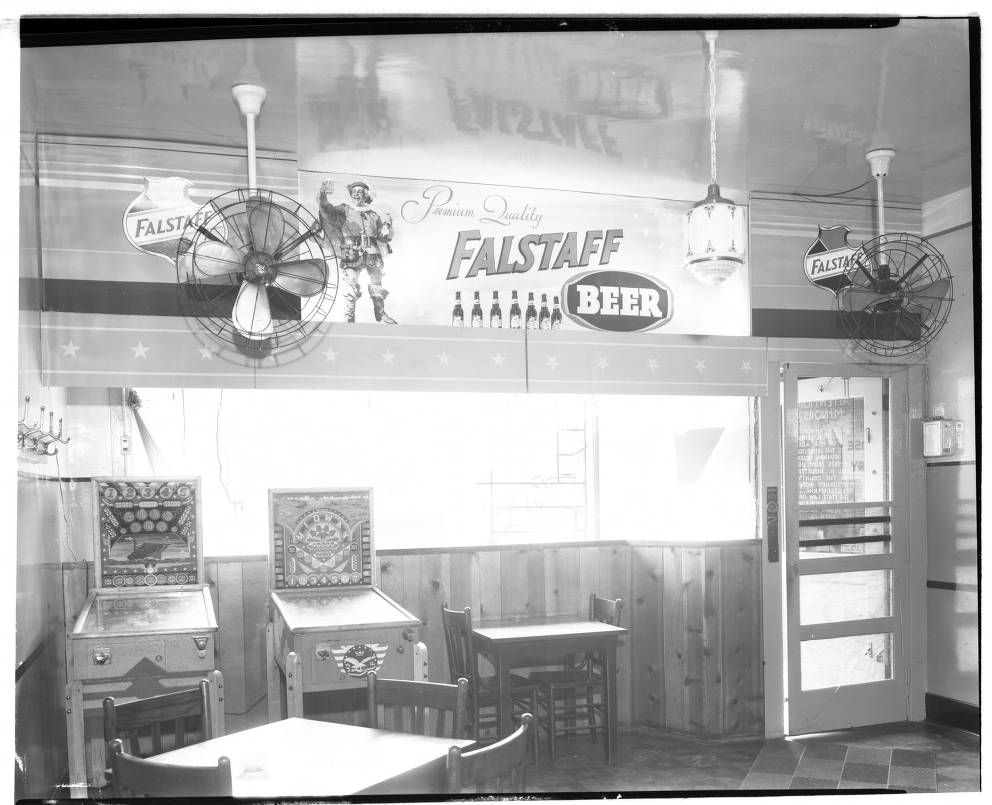
The St. Louis-based company invested heavily in Omaha and became the first brewery to operate plants in two different states. The acquisition greatly expanded the size of the company which remodeled the plant making it one of the best equipped in the entire country. By the 1960s Falstaff was the third largest brewery in the U.S. and the only one in the Midwest send its beer to troops stationed around the world.
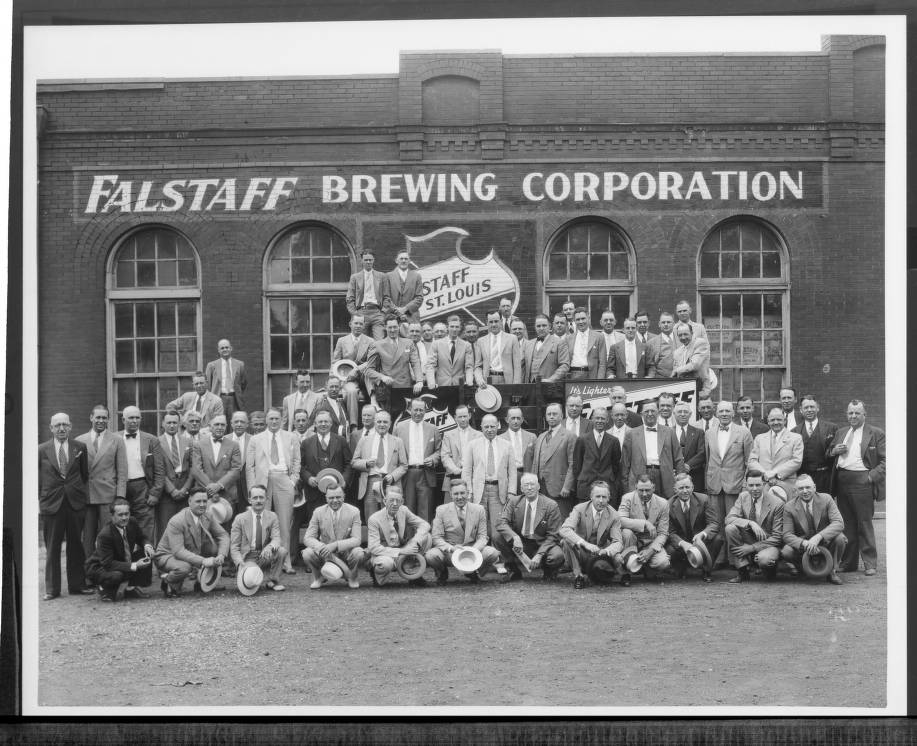
Albert, the last of Fred Krug’s children, passed away in 1956. The company he chose to continue his father’s legacy, however, continued to brew beer from the former Krug facility until 1985. Its closure marked the end of beer production in Nebraska until Lazlo’s Brewery & Grill opened in Lincoln in 1991.
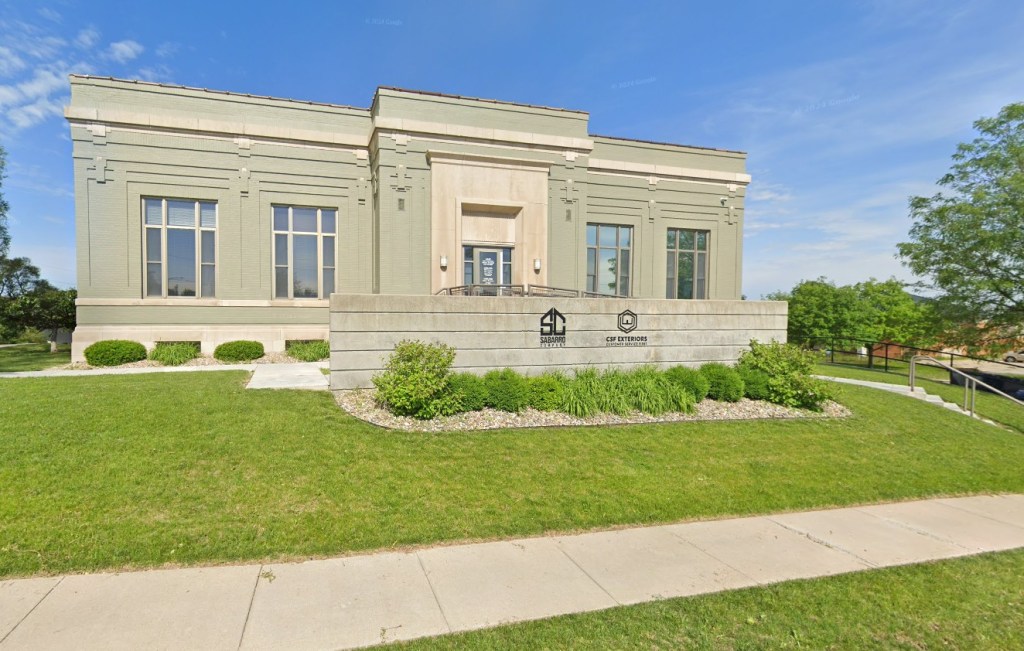
The old Krug plant was dismantled in 1992 while Falstaff was absorbed into Pabst for a time before it discontinued production of Falstaff in 2005. The only building of the former Krug Brewery that still stands is at 2445 Deer Park Boulevard.
Content written by Omaha Exploration. Feel free to leave a comment or a suggestion. Until then, keep exploring!
Omaha Exploration is sponsored by @Rockbrook Mortgage Inc.

Click here to learn about opportunities to sponsor Omaha Exploration!
More pictures
Follow OE on Facebook for more
Get an email when new content is posted
Omaha Exploration, 2024. Unauthorized use and/or duplication of this material without express and written permission from this site’s author and/or owner is strictly prohibited. Excerpts and links can be used, if full and clear credit is given to Omaha Exploration with appropriate and specific direction to the original content.
Omaha Exploration proudly supports

Contact me to learn more about M4K!
 Omaha Exploration
Leave a comment