
Born in the Oklahoma panhandle in 1922, John Wiebe spent much of his teenage years riding the rails going from one job as a laborer to another. He enlisted in the Navy in 1940 and arrived in Omaha in 1943 to serve in a top-secret project to modify B-29 bombers for special missions, one was the Enola Gay which later dropped the atomic bomb on Hiroshima.
After the war ended in 1945, he embarked upon a career as a successful building contractor which included 150 homes in the Loveland neighborhood in addition to churches, schools, airports, and factories.
After his wife Harriet complained about the difficulty of parking downtown, then the primary shopping district, he observed traffic patterns downtown from his private plane. That provided the inspiration for Omaha’s first enclosed shopping center that would offer much easier access to parking.

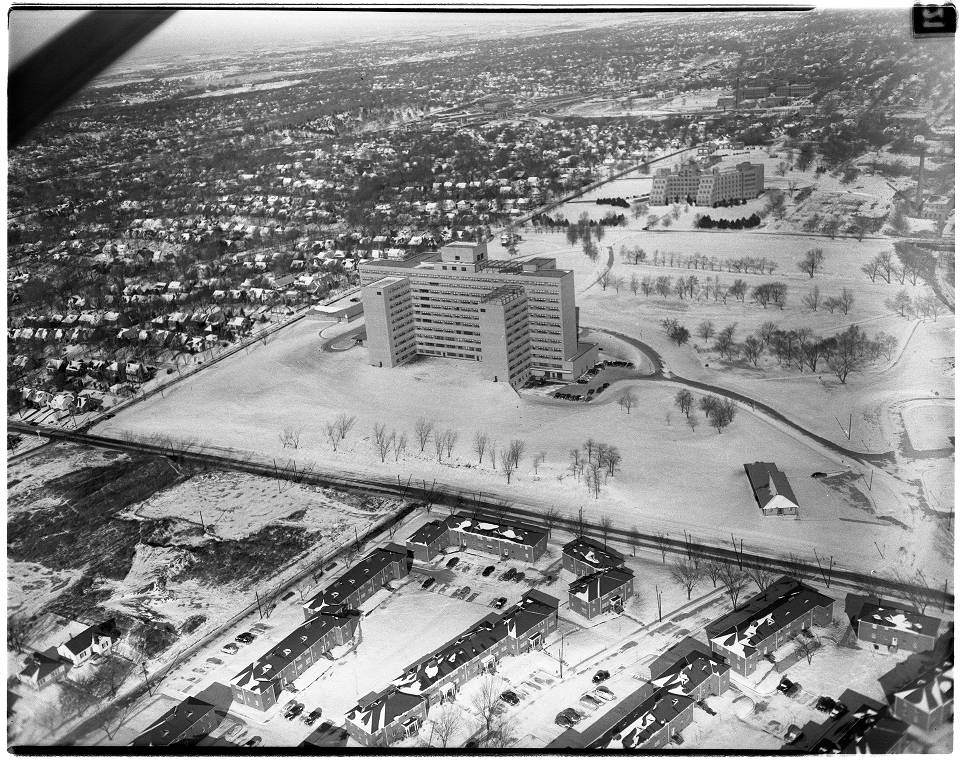
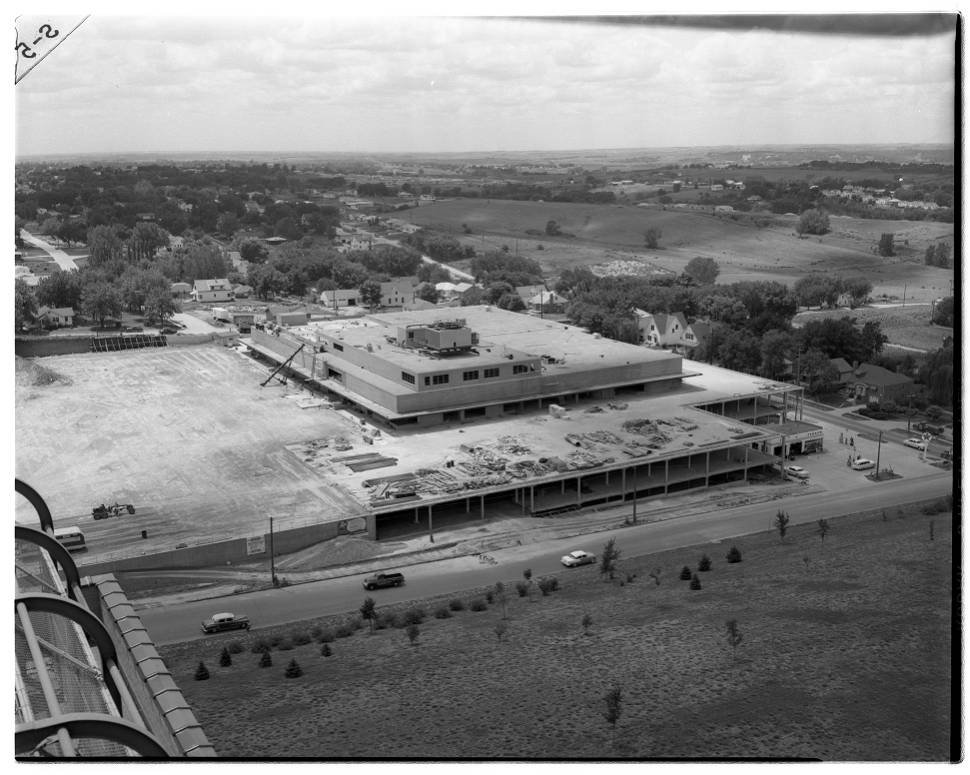
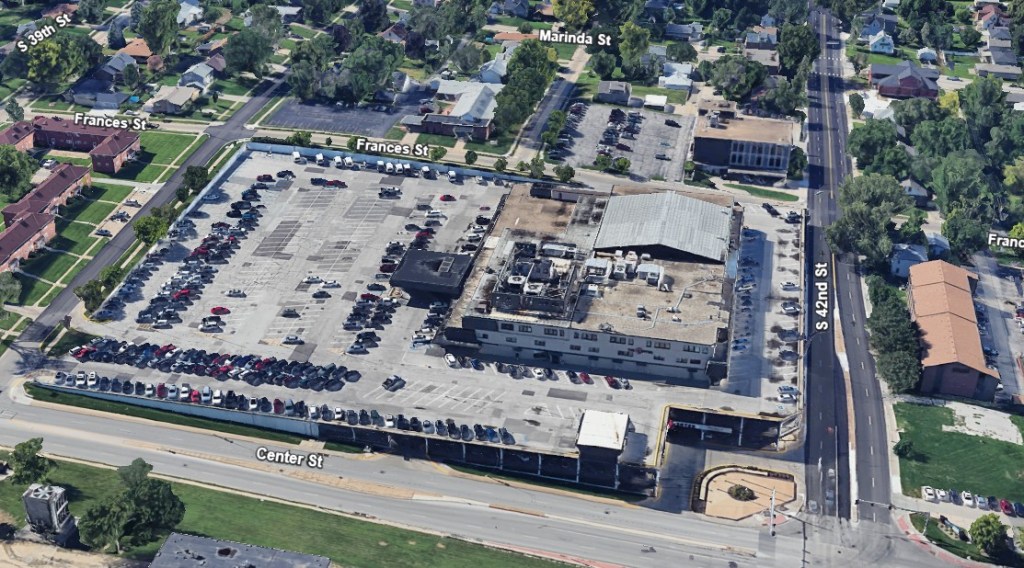
He went to work finding the ideal location after hiring architects Kenneth Welch and J.G. Davernan of Grand Rapids, MI. They settled on undeveloped land at 42nd and Center across from the new Veterans Hospital and near the Field Club. In 1954 the work crews removed over 100,000 cubic yards of dirt from the 6 ½ acre site.

When it was finished in 1955, the four-story mall had just 200,00 sq ft of leaseable space – small even by standards of the day. It was designed so that the first three levels were accessible from a multilevel parking garage that surrounded the retail core of the building. Initially the fourth floor consisted mostly of office space. He had hoped that Brandeis, the king of Omaha retail, would open in the mall. When E. John Brandeis declined; Des Moines-based Younkers agreed to a deal as the mall’s anchor tenant.

Among the mall’s other charter tenants were Thom McAn Shoes, Mode O’Day Frock Shop, The Center Bank, National Shirt Shop, Big Chief supermarket, Hesteds 5 & 10 and Carl S. Baum Druggists. Other tenants over the years included Kimball Laundry, Reed’s Ice Cream, Omar Baking retail store, Lollipop Lane, Warner’s Photography Center, Center Coffee Shop, Calandra’s Camera Store, Spectator women’s clothing store and Lerner’s Vogue among many others. Surrounded by the parking garage on the northwest corner was a Texaco service station.
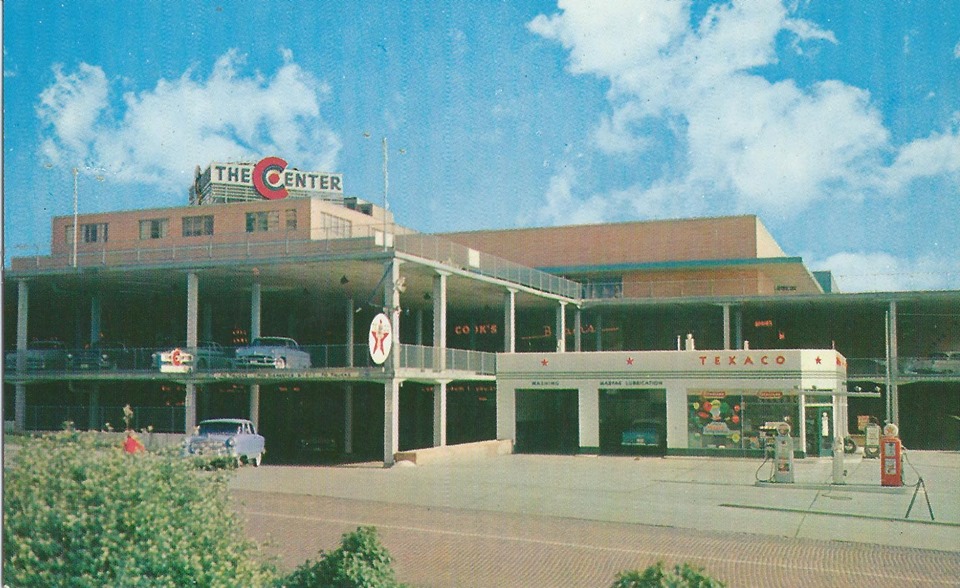
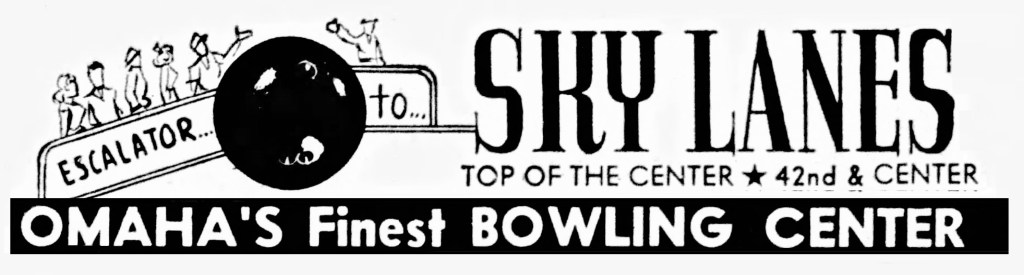
The top floor was renovated in 1959 when the Sky Lanes bowling alley opened. The 24-lane bowling alley included two spectator lounges, a cocktail bar and a Kiddie Koral babysitting service. The fifth floor penthouse was the home to The Roof Garden Restaurant which was renamed Al Green’s Sky Room Restaurant. It also housed a cocktail lounge whose name and concept would change multiple times over the years from Panther to Ben Kava’s Cimarron Room, Clink and Devil’s Nest.

The fifth floor was destroyed and the fourth floor significantly damaged in a 1969 fire that caused more than $5M in damage. The mall closed as the repairs were made and when it reopened it featured the Old English aesthetic that still appears within the building today. It took the mall more than one year to get its occupancy rate up to 80%.

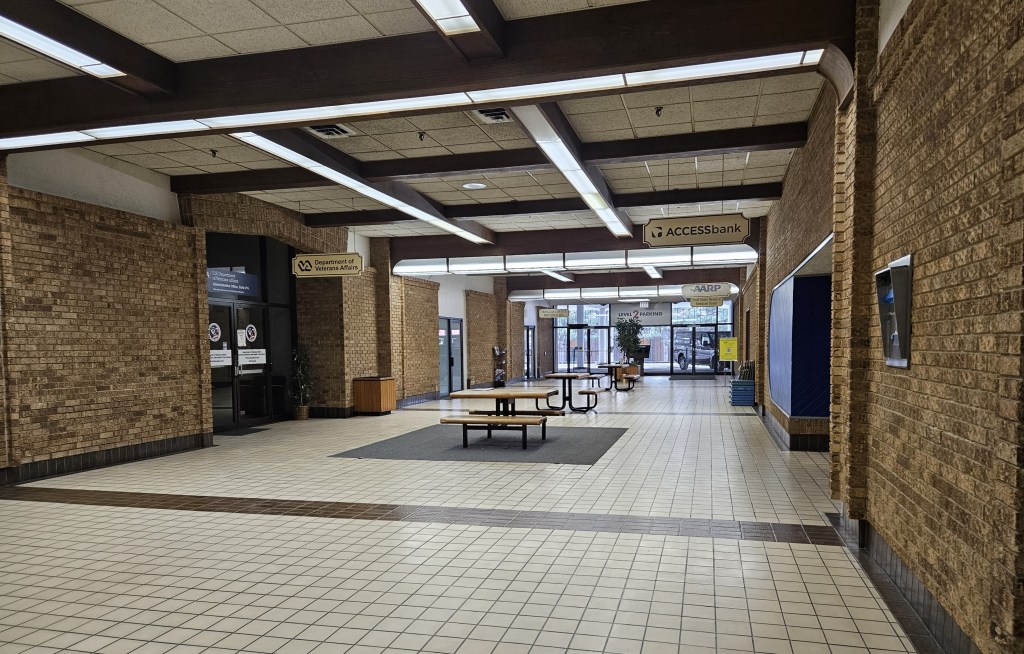
Often referred to as “The Center Mall”, it proved so popular in its early days that traffic directors were hired during the holidays to control foot traffic to the entrances. Over time however, it had started to decline due to competition from larger malls located further west where new housing developments were being constructed.

The competition started in 1960 with the Crossroads at 72nd and Dodge. Following the trend, John opened Westroads Mall at 100th and Dodge even further west at 100th and Dodge. By the late 1970s The Center started its transition from a retail shopping center to an office complex. Despite that, Younkers and Sky Lanes remained open through much of the 1990s.
While The Center is often said to be been the first enclosed shopping mall in the country, that honor actually belongs to Valley Fair Center in Appleton, WI according to Mall Hall of Fame as it opened a few months earlier. Both predated Minneapolis’ Southdale Center by more than a year.
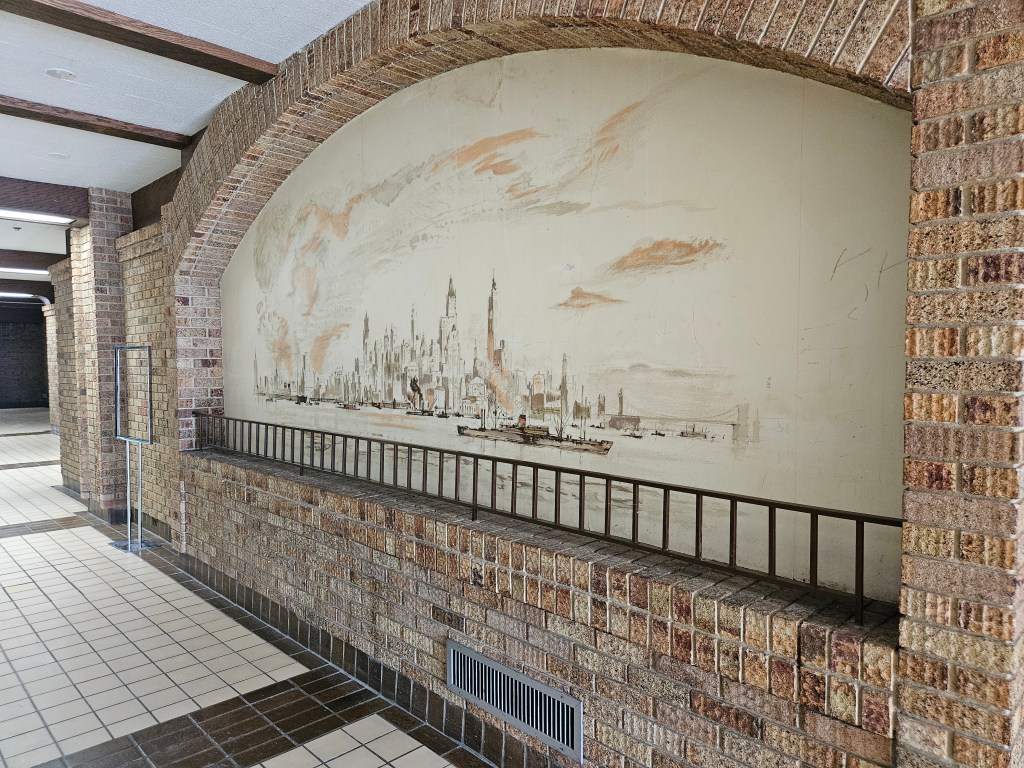
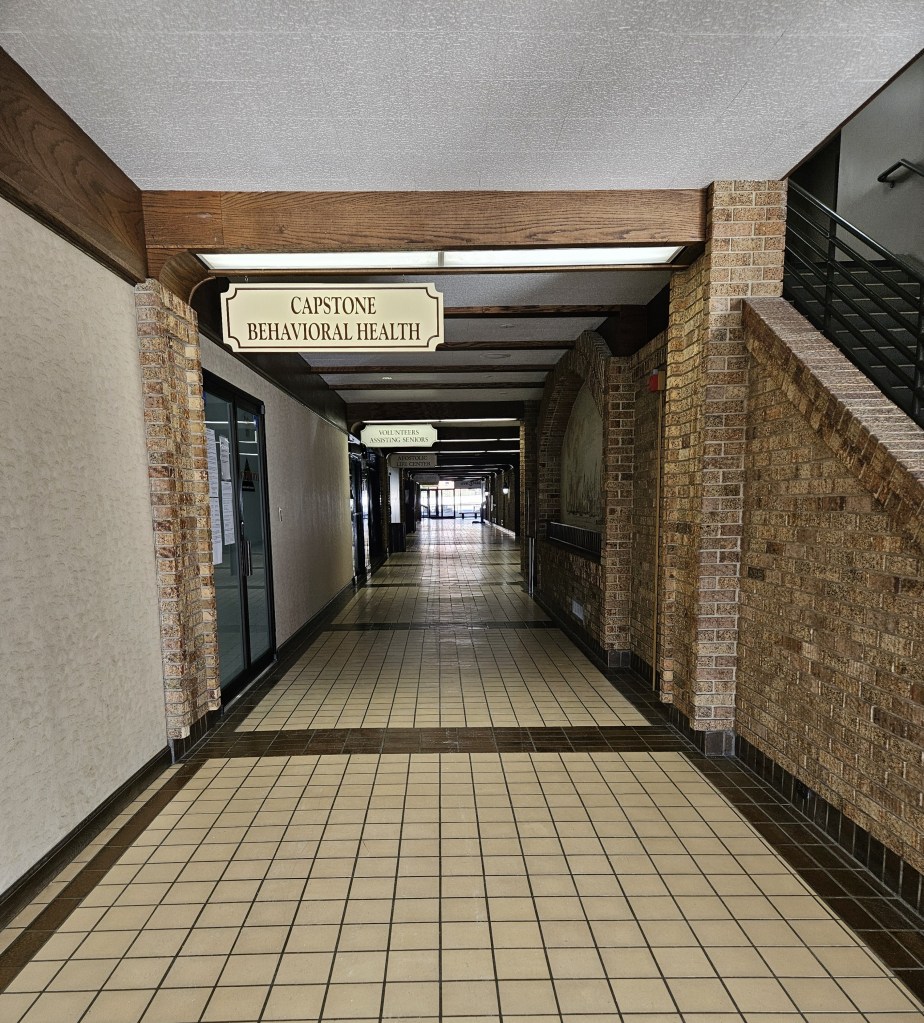
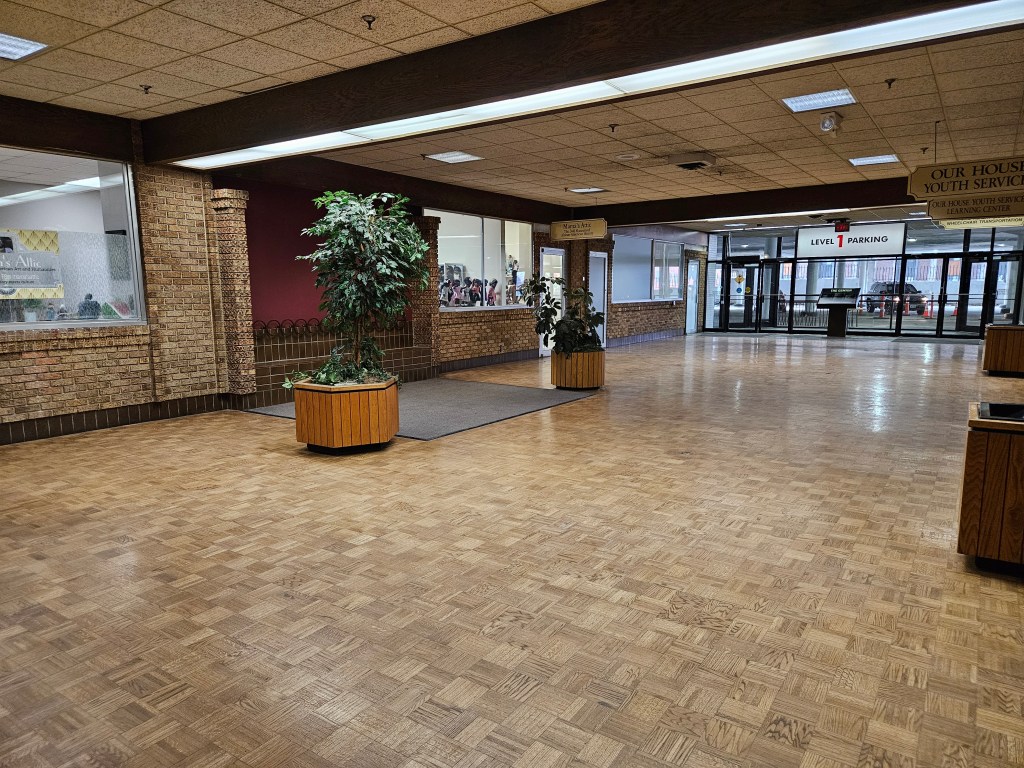
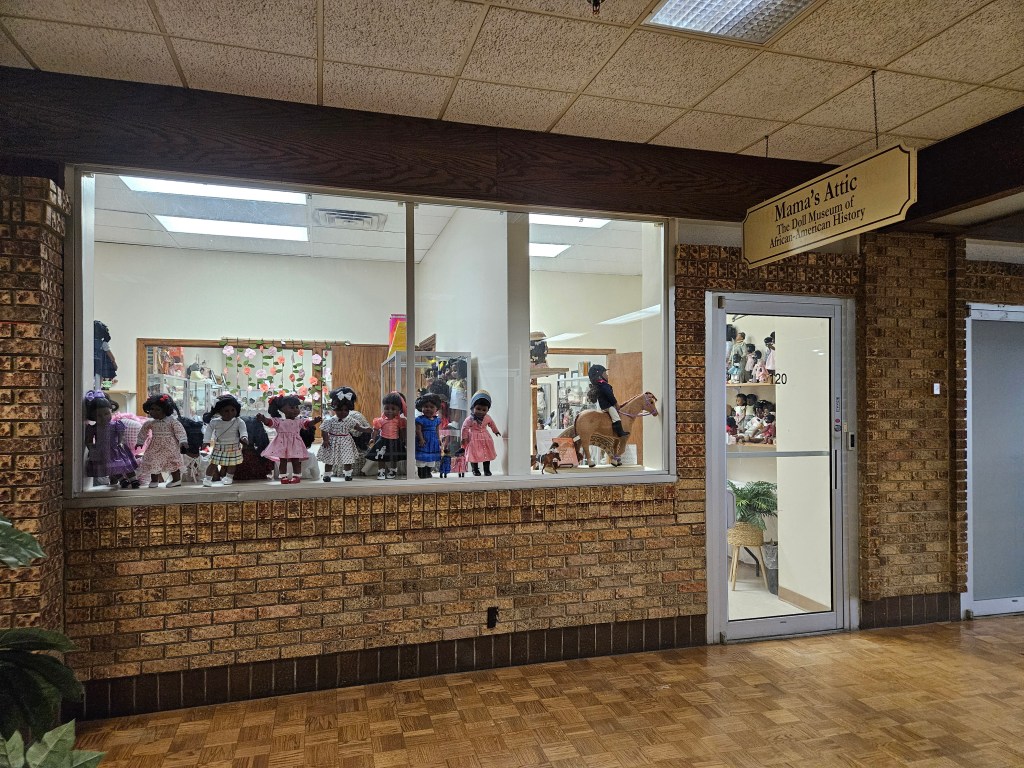
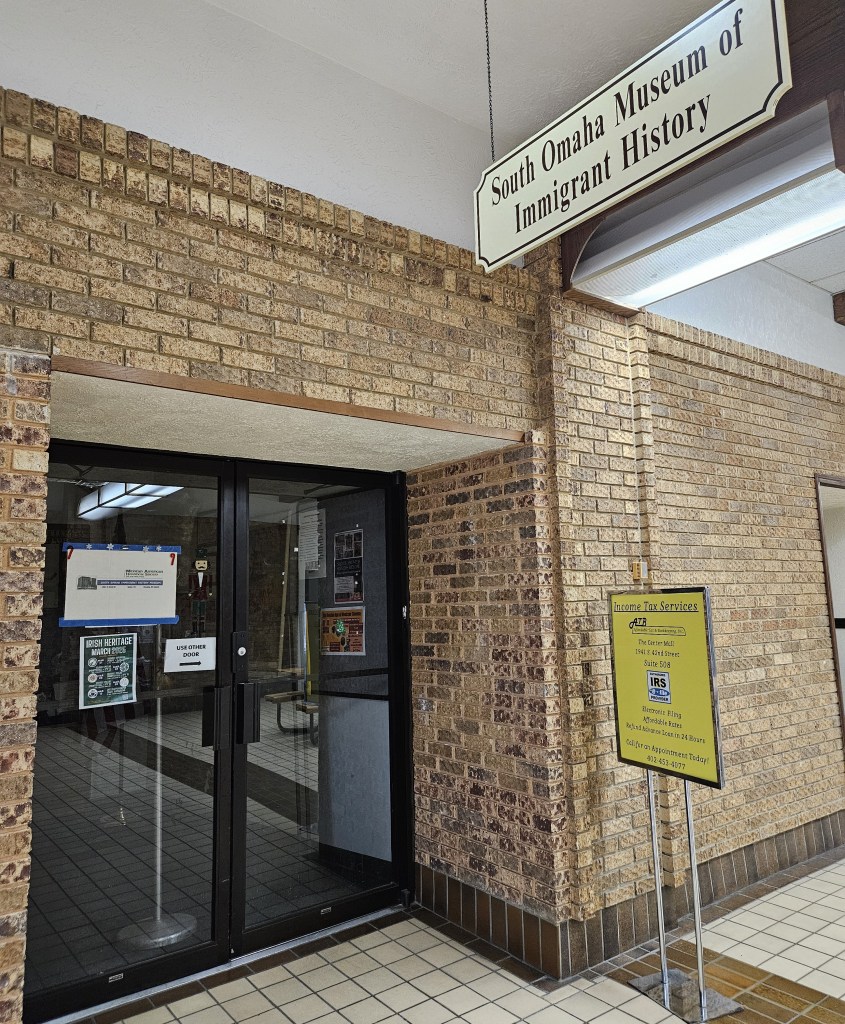
While John Wiebe passed away in 2009, The Center Mall remains in use and contains mostly government and community assistance offices. It’s also the home for the South Omaha Immigrant History Museum, Mama’s Attic – African American Arts and Humanities Center, Gentle Dentistry, Access Bank and many other businesses that I didn’t capture during my recent visit.
Content written by Omaha Exploration. Feel free to leave a comment or to let me know if there’s something you want me to explore. Until then, keep exploring!
Omaha Exploration is sponsored by @Rockbrook Mortgage Inc.
Click here to learn about opportunities to sponsor Omaha Exploration!
More pictures



Follow OE on Facebook for more
Get an email when new content is posted
Omaha Exploration, 2024. Unauthorized use and/or duplication of this material without express and written permission from this site’s author and/or owner is strictly prohibited. Excerpts and links can be used, if full and clear credit is given to Omaha Exploration with appropriate and specific direction to the original content.
Omaha Exploration proudly supports

Contact me to learn more about M4K!

 Omaha Exploration
Leave a comment