
The Near North Side of Omaha came about from the area that was formed as Sciptown in 1855. The area is immediately north of downtown proper. It stretches roughly from 16th Street on the east, 30th Street on the west, Cuming Street on the south and Locust Street on the north.
As you may recall from the Sciptown post, the first homes in the area were quite grand as they housed some of the city’s most prominent residents including politicians and bankers. Not long after that, landowners hired developers to build houses around the outskirts and fill in empty lots. As a result, the area contains houses that sit on unusual and non-uniform lots.
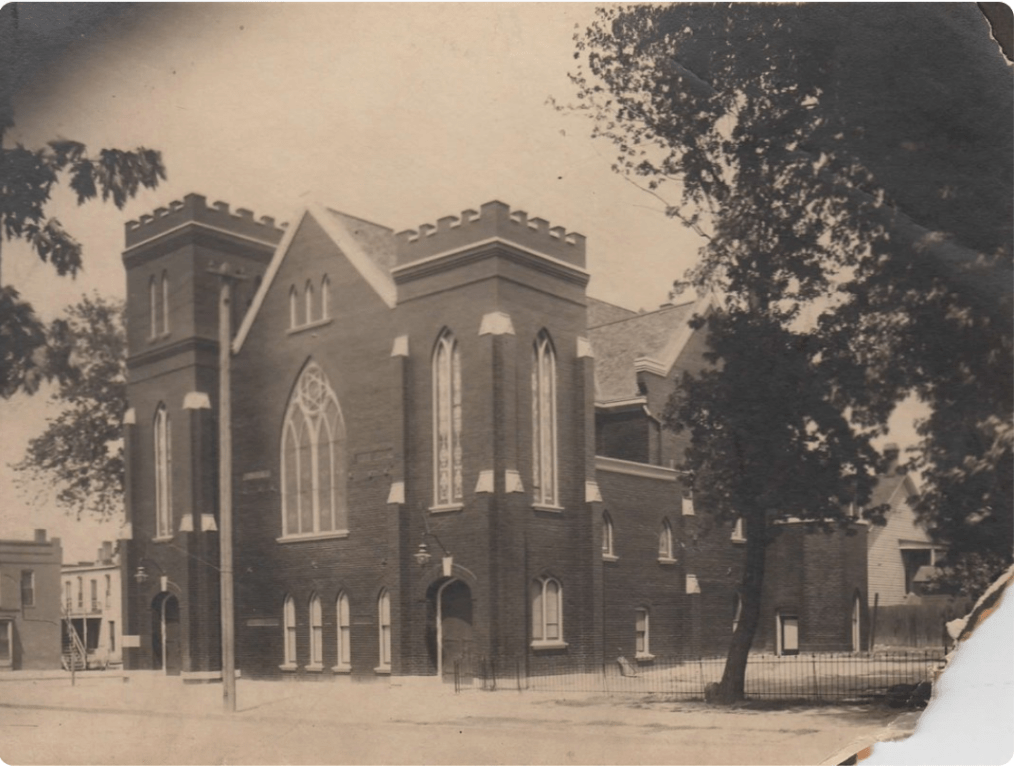
The area was home to the city’s Jewish community starting around the 1870’s. In addition to Jews from Eastern Europe, there were so many from Russia that an enclave referred to as Little Russia developed. There was also a large number of Swedes living in the are called Little Stockholm. It also had German, Irish, Italian and Czech immigrants. Black residents also began settling here and established of the city’s first black church, St. John’s African Methodist Episcopal Church in 1865.
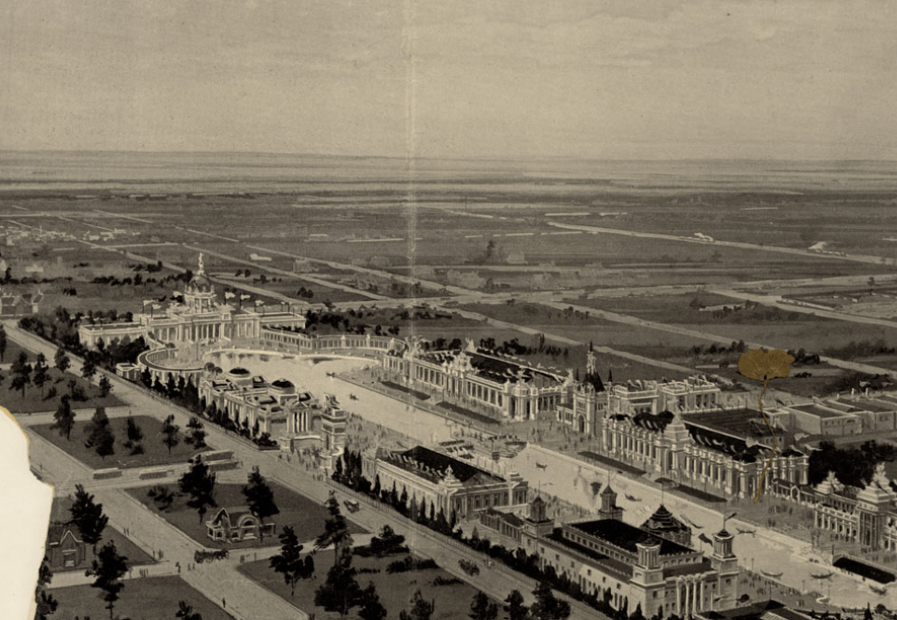
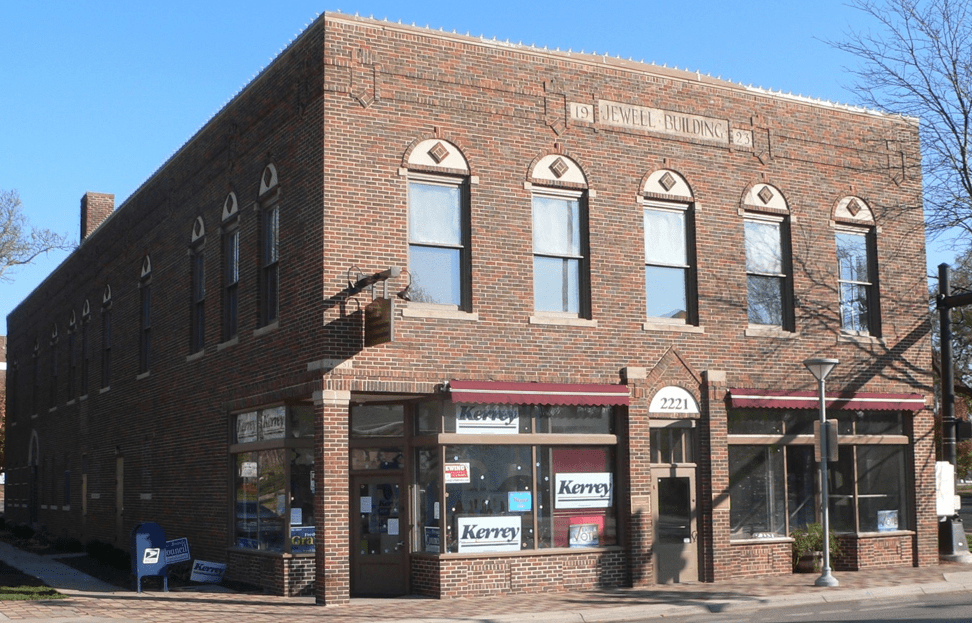
Annexed by Omaha in 1877, the Near North Side soon after was filled with schools, churches, grocery stores, restaurants, bars and other businesses that were needed to support a thriving residential area. Along North 24th Street a business district formed that became the heart of the neighborhood. By 1895 the Knights of Aksarben, a philanthropic and social organization opened its first den at 2221 N 20th Street. The organization relocated in 1927 after a fire destroyed its building.
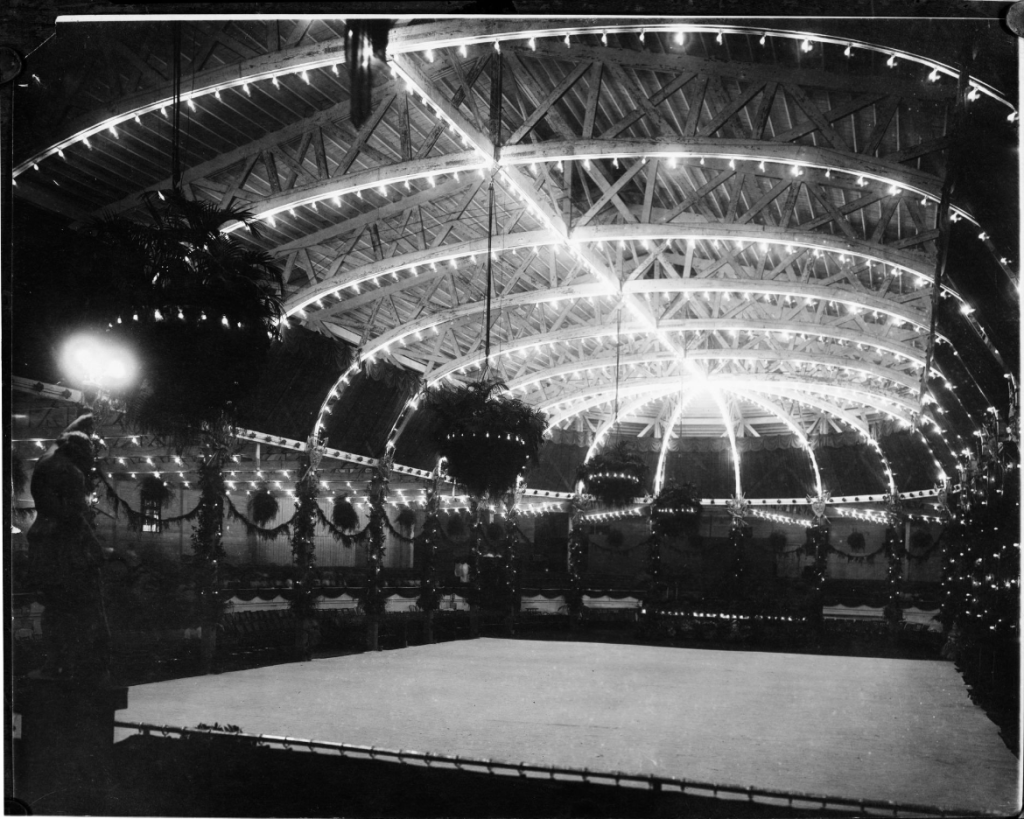
After prominent Omaha banker Herman Kountze donated some of his land, it became the site of the world’s fair called the Trans-Mississippi Exposition in 1898. Its goal was to showcase the development of the area west of the Mississippi River. It resulted in over 2.6M people coming to Omaha to view its 4,000 exhibits. President William McKinley and William Jennings Bryan attended the event. The exposition stretched over 180 acres which featured a 2,000 sq ft lagoon encircled by 21 classical but temporary structures featuring products from around the world.
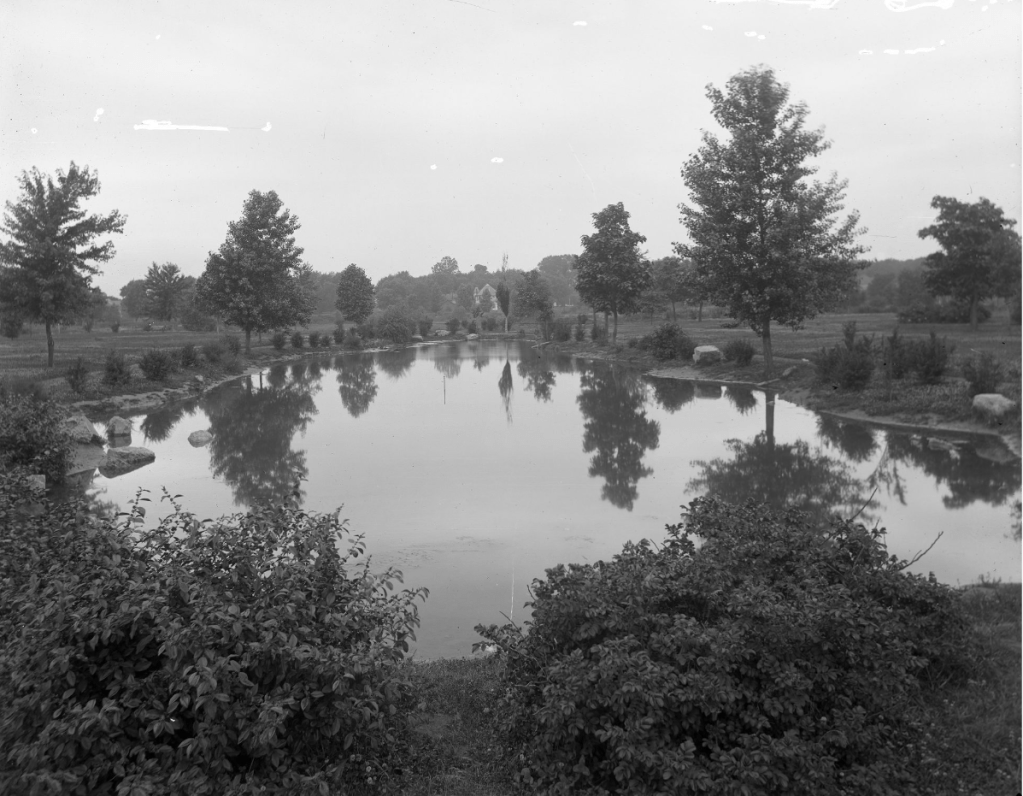
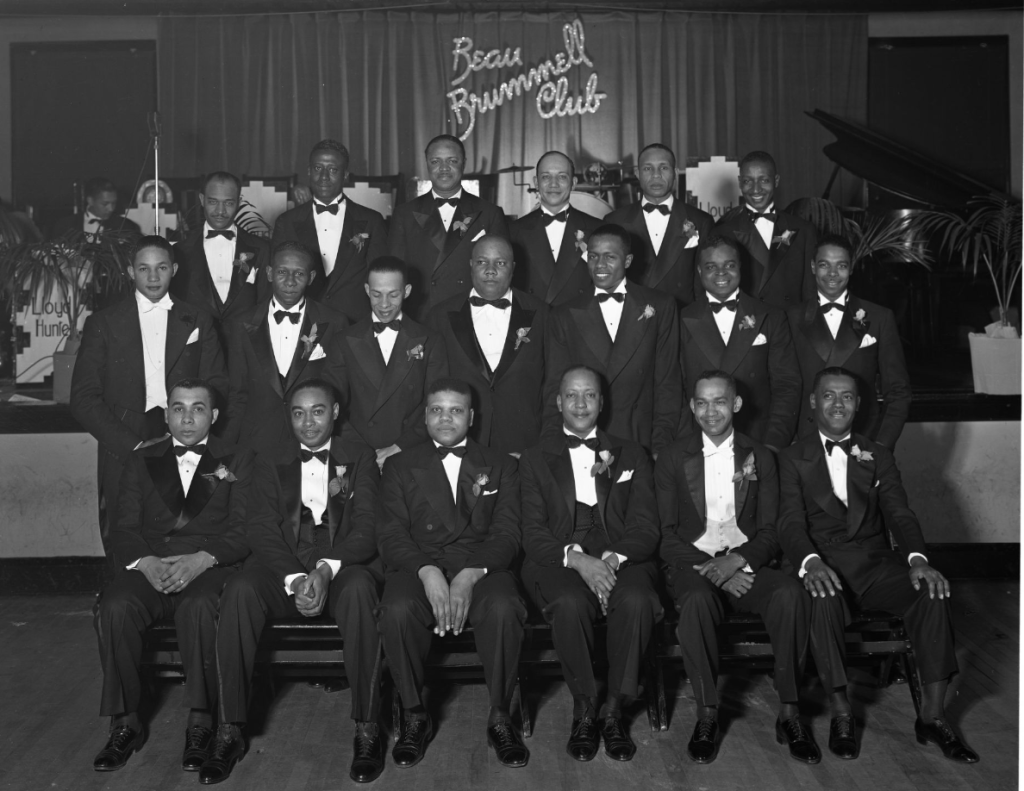
The middle class continued to grow and many black entrepreneurs and professionals called the Near North Side home. The community held social events at places like the Dreamland Ballroom and Mecca Hall. Along with its churches, these places formed the cultural backbone of Omaha’s black community.
Starting in the 1910s approximately six million African Americans moved from the south to points west, east and north during The Great Migration. During that time, the African American population in Omaha doubled due to the abundance of jobs in the meatpacking industry. In those days, streetcar lines provided easy transportation and ran all the way from the Near North Side to the stockyards in South Omaha.
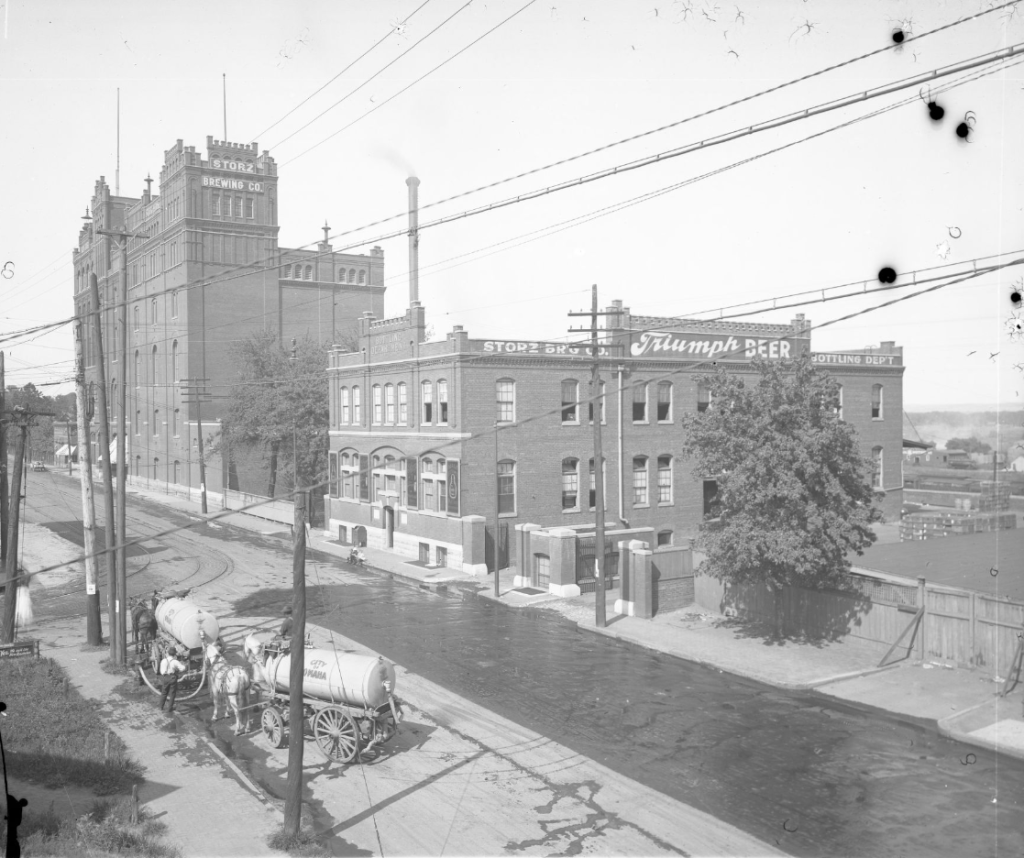
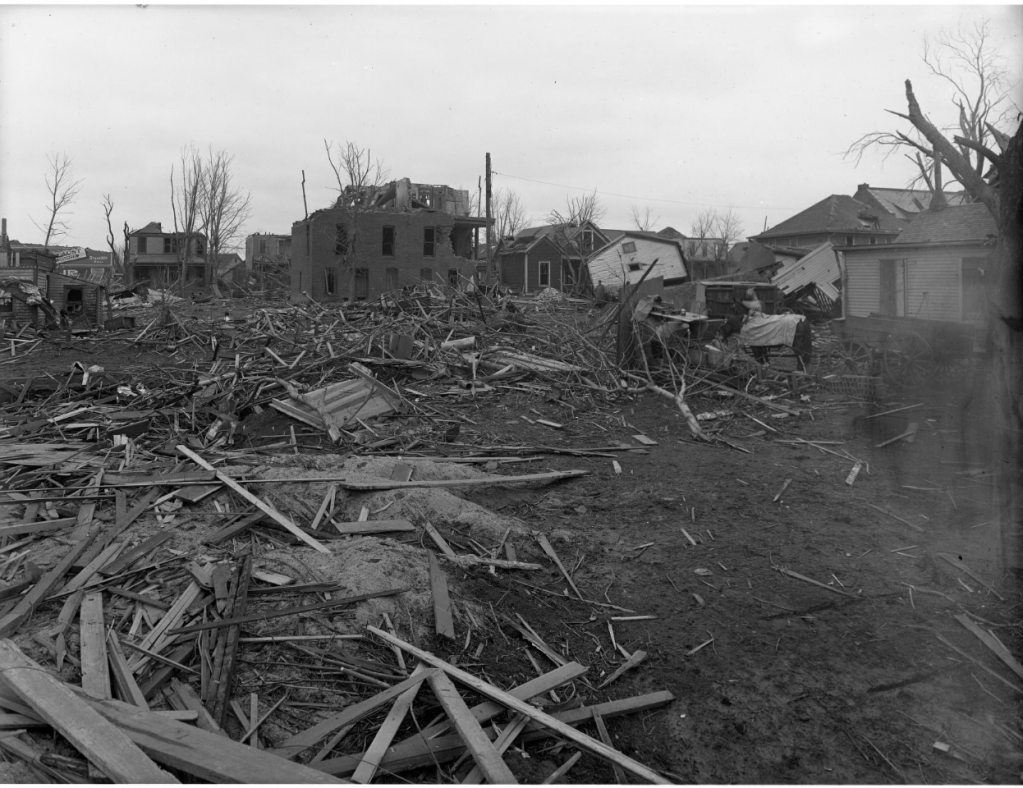
Unfortunately dark times were on the horizon. It started with a five block wide tornado in 1913 that killed 103 people and destroyed 800 homes while damaging another 2,000. Things got even worse during the “Red Summer” of 1919. Riots broke out in the wake of Will Brown’s heinous murder at the hands of an angry white mob. After finishing with the man that was wrongly accused of raping a white woman, the mob began attacking African Americans at random. The mob proceeded to the Near North Side when the city declared martial law. Nearly 1,600 U. S. Army troops arrived from Fort Omaha to North 24th Street to protect the neighborhood and its residents.
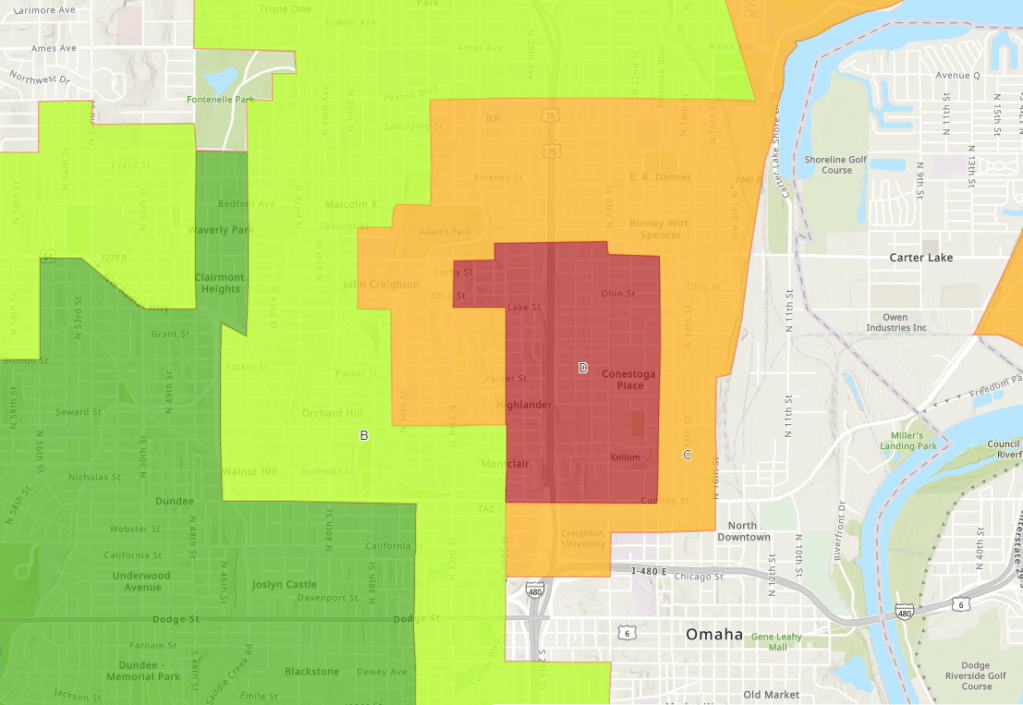
Redlining, the systematic racist practice of preventing blacks from moving to other parts of the city, was soon enacted as most of its white residents fled. The neighborhood quickly began to deteriorate as services were withheld and outside investment was discouraged.
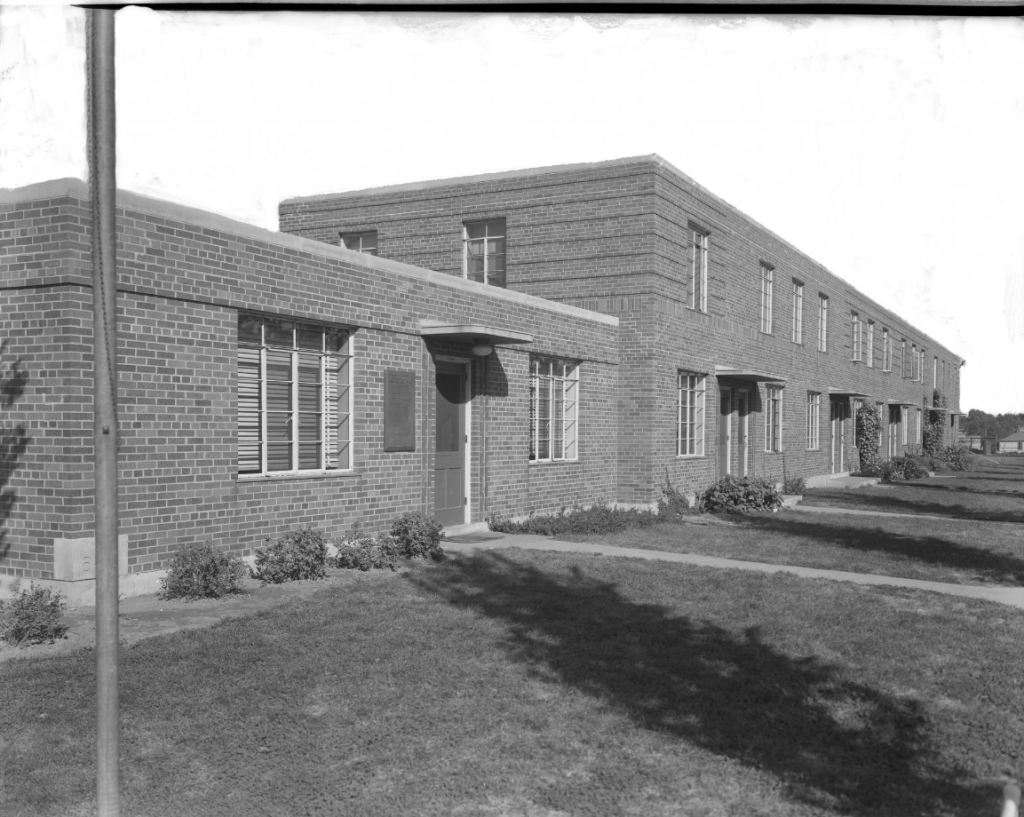
Homes that were bulldozed for one reason or another weren’t rebuilt resulting in vacant lots. Meanwhile, the Works Progress Administration built the Logan-Fontenelle housing project in the Near North Side in 1937 to house immigrants fleeing the oppression of Nazi Germany. Many of the white immigrants moved away as soon as they were able. The units were the only housing option available to the black residents who were preventing from moving. Conditions in the units worsened and the buildings weren’t well maintained. These actions resulted in many of the areas residents experiencing a cycle of poverty and depression that became increasingly difficult to break.
Hospitals that once served the area closed in the 1940s and the University of Omaha moved to its current location. Middle class black residents found it difficult to keep up after streetcar service slowed in the 1950s before being shut down for good. Those who found a way to move did so. The people that remained witnessed the construction of the North Freeway which inserted a physical barrier that split the neighborhood in half as it did with Sheelytown in South Omaha.
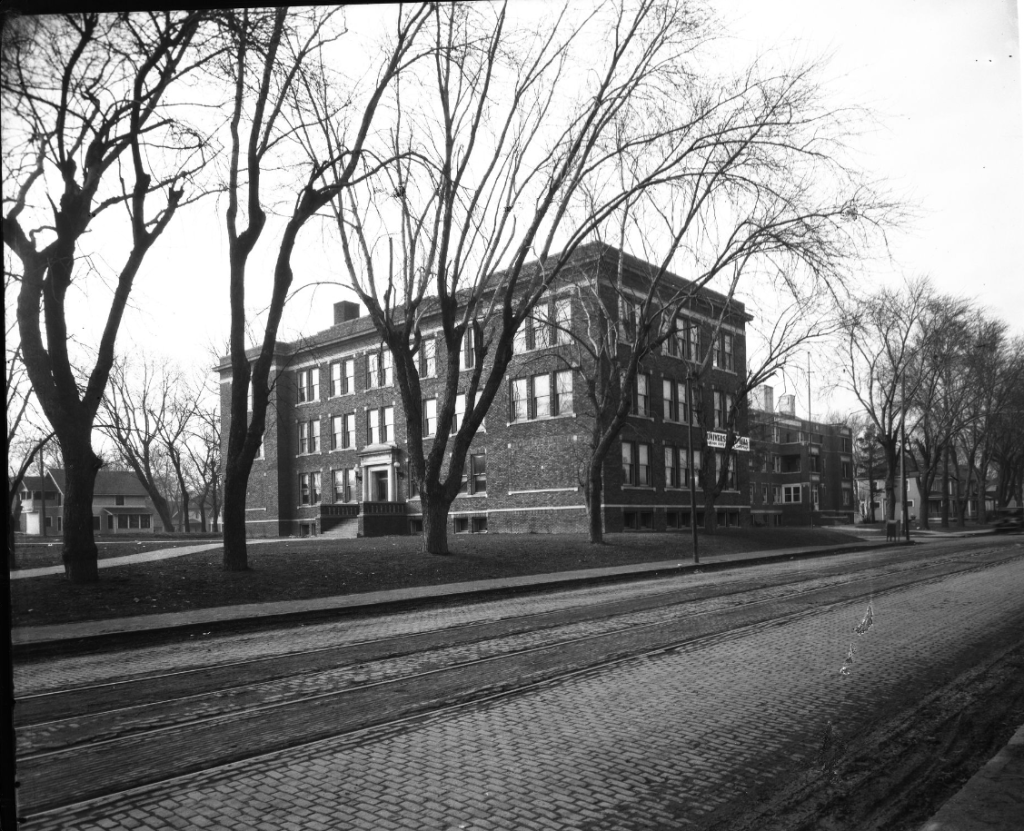
Things continued to get worse when remaining businesses in and around the area refused to hire black workers based on the color of their skin. Once it became illegal to refuse employment based on race, many of those same employers moved to West Omaha making it exceedingly difficult for the increasingly poor residents to get there. Despite the Civil Rights Movement of the 1960s, the city continued to neglect the area by withholding basic services.
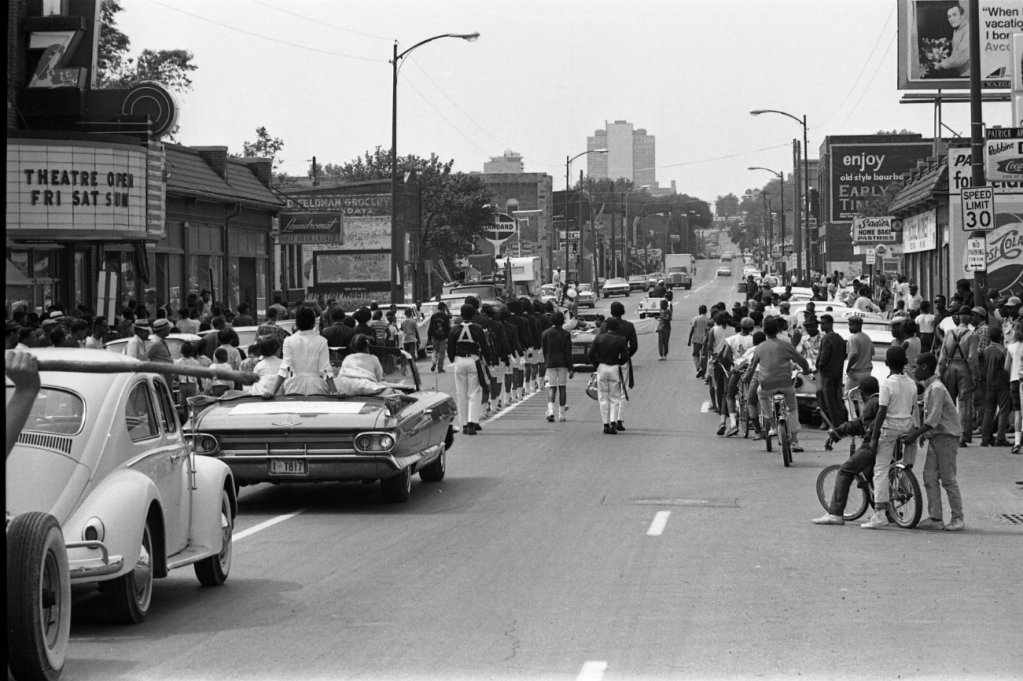
Protests broke out again in the late 1960s when residents demanded more services, opportunity and an end to discrimination. It resulted in African Americans being shot, a Black Panther being framed for an explosion that killed an Omaha Police officer. In turn, more radicals arose, more officers were abused and peaceful gatherings turned to firebombings, beatings and looting.
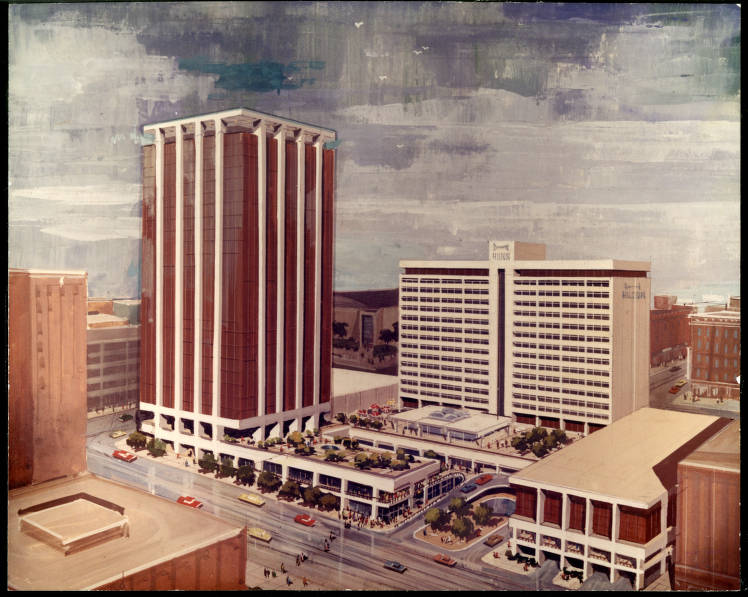
Adding insult to injury, the city gave the green light to developers to build the Hilton Hotel in the middle of 16th Street which had been the main conduit from the north to downtown. The hotel served as a wall that not only blocked easy access but also put the entire area out of view. By this time, the term Near North Side had fallen out of favor as it had become a racist euphemism for Omaha’s black neighborhood. Instead it was simply referred to as North Omaha.
Steeped in history, the Near North Side witnessed legendary musicians such Duke Ellington, Ella Fitzgerald and Louis Armstrong perform. It raised world-class athletes including Bob Gibson, Bob Boozer, Gayle Sayers and Johnny Rodgers not to mention jazz legend Preston Love and military hero Alfonza Davis.
Despite suffering for a century, the area is just now beginning to see new life. It comes from the formation of the North 24th Business Improvement District (BID) which has the authority to plan, fund and facilitate infrastructure projects including maintenance (litter removal, weed control, graffiti abatement), beautification, promotion (festivals and banners), parking and lighting (holiday lights and security). Its mission is to champion economic development, infrastructure improvement, promotion and safety of the area driven by community collaboration. The BID area comprises 192 commercial properties, 177 residential and 100 vacant lots.
The first phase of the transformational project includes a renewed streetscape which has been successful in spurring development and attracting new business in other parts of town including Benson and Blackstone. It includes the widening of sidewalks that are too narrow and the addition of sidewalks that are missing. Roundabouts will be constructed to slow traffic while bike lanes will be installed to provide additional transportation options. Falling trees will be replaced with new trees that provide a better canopy.
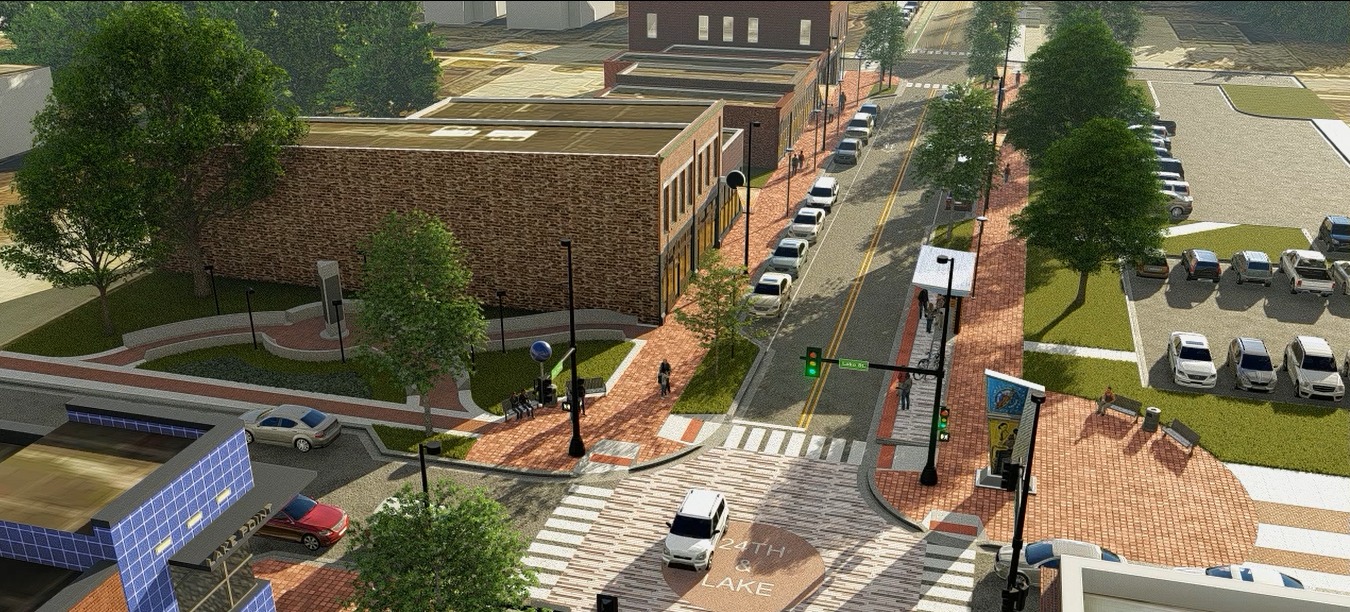
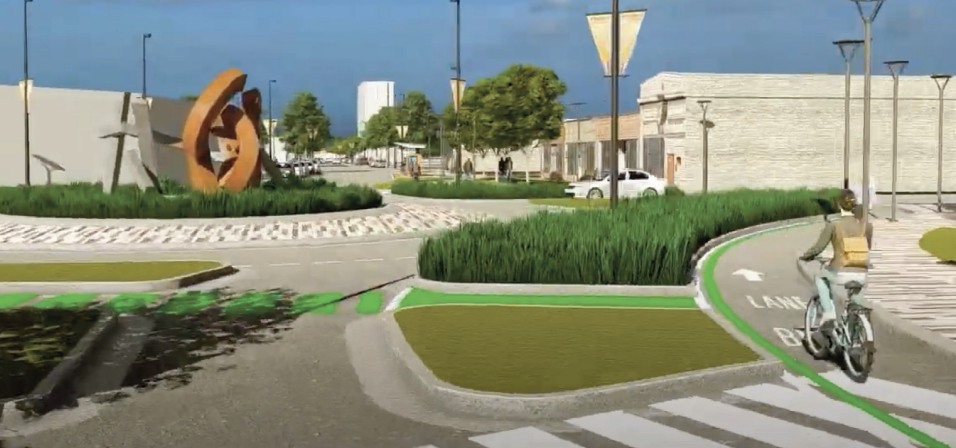
Renderings of an improved 24th Street courtesy of North 24th Business Improvement District.
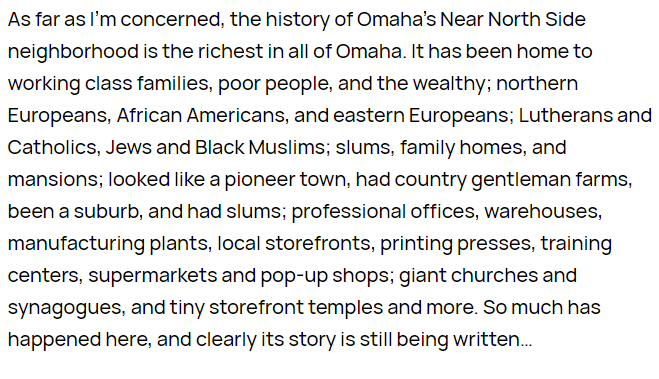
Author and historian Adam Fletcher Sasse who has extensively researched North Omaha says of the Near North Side:
Please feel free to comment to share your thoughts.
Until next time, keep exploring!
More pictures

Omaha Exploration is sponsored by

Click here to contact me if you’re interested in sponsoring OE.
Get email notifications when new OE content is posted
Follow OE on the socials
Omaha Exploration, 2024. Unauthorized use and/or duplication of this material without express and written permission from this site’s author and/or owner is strictly prohibited. Excerpts and links can be used, if full and clear credit is given to Omaha Exploration with appropriate and specific direction to the original content.


 Omaha Exploration
Leave a comment