
Published September 12, 2024 | Updated July 28, 2026
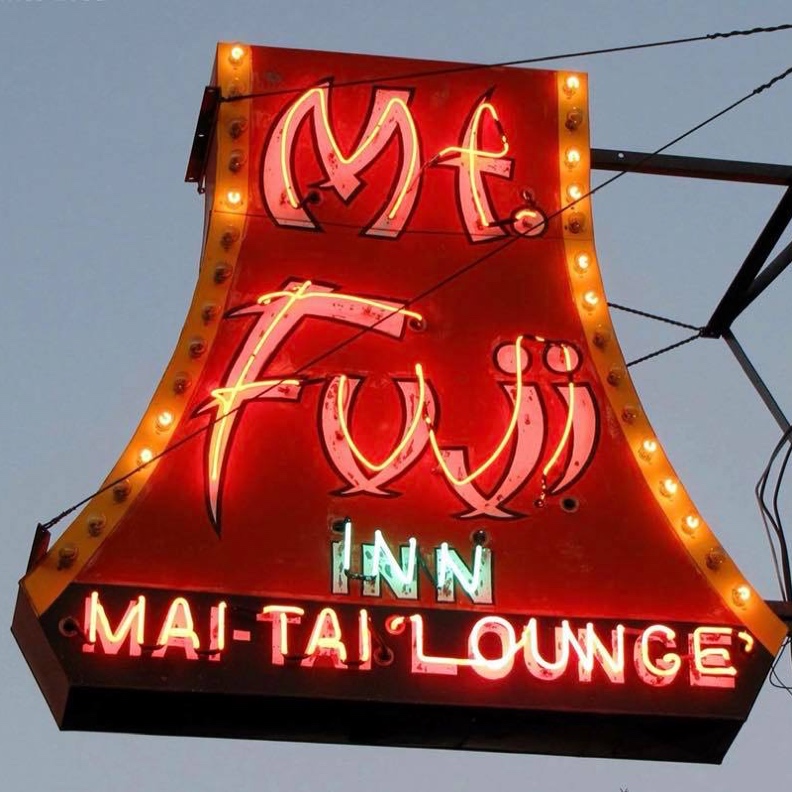
It took Jack and Alice Kaya being forcibly removed from their home in Los Angeles to come to Omaha where they would open two of the city’s most beloved establishments: Mount Fuji Inn and Mai Tai Lounge.
Before being removed, Jack operated a small cafe while his wife, Alice, worked as a costume designer. That all changed in 1942 when the United States government placed 120,000 Japanese Americans in one of ten internment camps during World War II. As a result, the Kayas were relocated to Jerome, Arkansas for the next two years.

After they were released in 1944, they relocated to Omaha where Alice’s sister was living. Jack, a self-taught cook who spent much of his boyhood in Japan with relatives, found work at the Blackstone Hotel. Soon afterwards the Kayas opened the Grass Shack Cafe near Creighton University. The cafe served breakfast, lunch, and dinner and proved to be quite popular with Japanese American students who came from Hawaii and California. The cafe was located in the Gifford Park neighborhood at 3229 California Street.

In 1965 they opted to relocate to Countryside Village in West Omaha. When they first opened in the space that was the Old English Inn, they served primarily American fare with a few Japanese and Cantonese dishes mixed in. They eventually changed the name to Mt. Fuji Inn and put more emphasis on the Asian cuisine. After a fire destroyed the restaurant in 1969, they moved the restaurant to 72nd and Blondo Street.
The new location had been home to the short-lived Porpoise Place, which had an indoor pool that housed a dolphin named Flopper. After taking over the one-year-old building at 7215 Blondo Street, the Kayas drained most of the water from the pool and covered portions of it with flooring. They left enough to create a koi pond while the section that was drained and uncovered was used in the design of its tea rooms, allowing customers to dangle their legs beneath short-legged tables.
The semi-private tea rooms were decorated in a traditional Japanese motif. Meanwhile the main dining area, large enough to seat 110, had a rock garden at the center of the room and featured a backlit mural depicting Mount Fujiyama. Jack developed the menu and did the cooking while Alice did everything else. Not only were they the first Japanese restaurant in Omaha, they were the first to introduce sushi in 1983. When it opened, Mt. Fuji Inn was referred to as one of the most stunning restaurants in Omaha.

At the same time they opened a cocktail lounge in the basement named Mai Tai Lounge. The drink, invented by an Oakland bartender in 1944, had become quite popular across the country by the 1960s. The lounge, which was accessed through a nondescript exterior door, had a distinct 1970s tiki lounge vibe. It had reddish brown carpet, wood paneling, vinyl chairs, and bamboo light fixtures that offered dim lighting. The walls were lined with metallic wallpaper that had a palm tree motif while the area behind the bar had two fish tanks built into the wall. Next to the fish tanks were two semi-nude velvet pictures. The bar had a piano, jukebox, and later a small television in the corner.


Photos looking inside Mt. Fuji Inn are from the Remax listing when it went up for sale.
The bar was popular for its moderately priced yet strong drinks made from “authentic island recipes” developed by Alice. Among its most popular were its XXX-rated drinks, which were occasionally limited to two per person as they contained 4-5 shots each. In addition to its namesake Mai Tai, the menu featured drinks such as Navy Grog, Fog Cutter, and Zombie.

Jack retired in 1980 due to health concerns and passed away two years later. Before that, he turned the restaurant over to Alice, who had plenty of help running the family business alongside their children Wayne, Jackie, and Marilyn, in addition to her brother Don Matsunami.


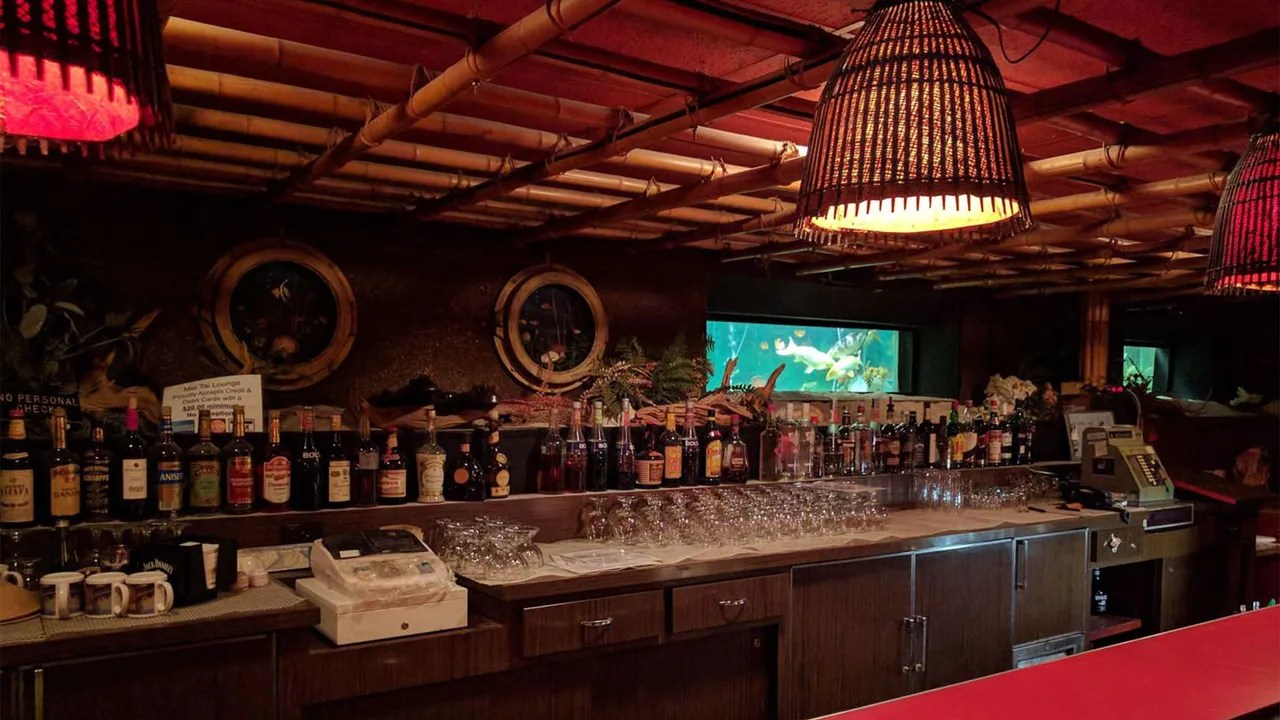

Photos looking inside Mai Tai Lounge are courtesy of mytikilife.com.
Six years after his death, the United States formally apologized to Japanese Americans for their internment during World War II and provided them with a $20,000 payment. Alice, always a charitable person, donated the money to programs that served the homeless. She continued to work at the restaurant until three months before her death in 2009 at the age of 88.
Jackie continued to operate both establishments, but business slowed. Eventually the restaurant closed except for large parties and catering before closing for good a year later. Mai Tai kept going for another five years before closing its doors in 2017. The following year, everything inside the restaurant and bar was put up for auction.

Today only the building remains, with the name having since changed to the African Cocktail Lounge. While the Kaya name is no longer associated with the building, it is impossible to erase their story — one that saw them torn from their homes, displaced, and relocated to Omaha where they started a new life and left behind a lifetime of memories for its residents.
Please feel free to comment to share your thoughts and memories.
Until next time, keep exploring!
More pictures


Omaha Exploration is sponsored by

Click here to contact me if you’re interested in sponsoring OE.
Get email notifications when new OE content is posted
Follow OE on the socials
Omaha Exploration, 2024. Unauthorized use and/or duplication of this material without express and written permission from this site’s author and/or owner is strictly prohibited. Excerpts and links can be used, if full and clear credit is given to Omaha Exploration with appropriate and specific direction to the original content.
Leave a Reply