
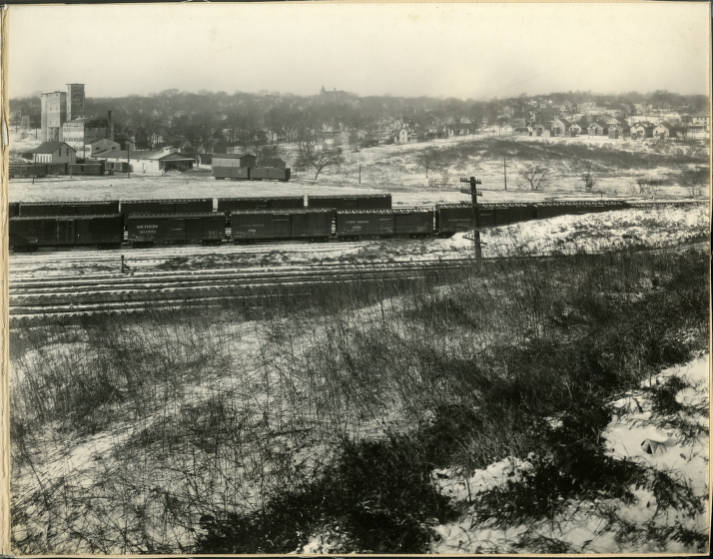
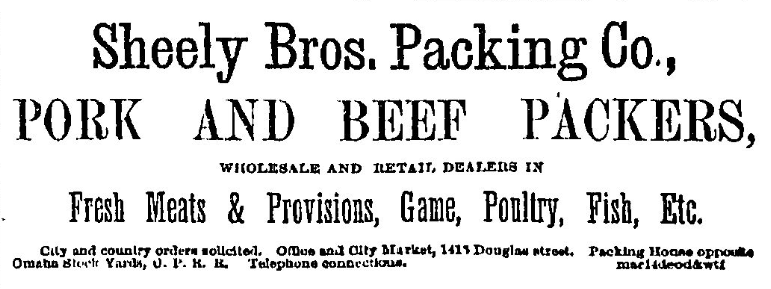
Before the Sheely Brothers arrived, the first Europeans to occupy the area that would become known as Sheelytown were the Irish who arrived in the 1860’s and 1870’s after the railroad was established. In 1871 David Cook established the first meat packing business in the area opposite of the Omaha Stockyards which predated those in South Omaha. The packing house was located next to the railroad tracks at 27th and Martha. It was outside of the city limits in a brush-filled area due to an ordinance that stated that packing house waste could not be dumped within five miles of the city. By 1873 his company was packing 3,000 hogs annually. A few other packers followed suit and set up shop in the area.
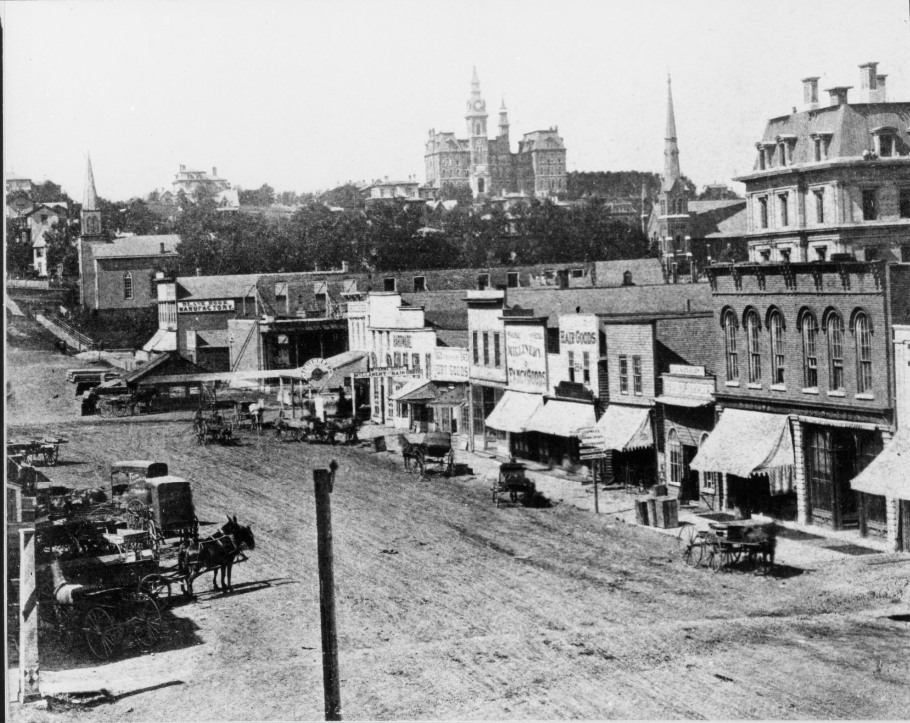
The children of German-Jewish immigrants, the Sheely brothers were born in Pennsylvania. Born in 1829 John was four years older than his brother Joseph. The brothers would reunite in Delaware in 1853 where they got into the meat business. By 1856 they relocated to Omaha where they opened City Meat Market at 259 Douglas St. By 1880 the butchers bought the Cook Packing House. By the time Sheely Bros. Packing Company became the first substantial meat packing plant in Omaha, Czech and Polish immigrants began settling into the area and pushed the Irish out. It’s important to note that this wasn’t the only Polish settlement in Omaha as many immigrants lived south in “Little Poland” between 25th and 29th from F to L St. It was in this area that St. Stanislaus Church was first established.

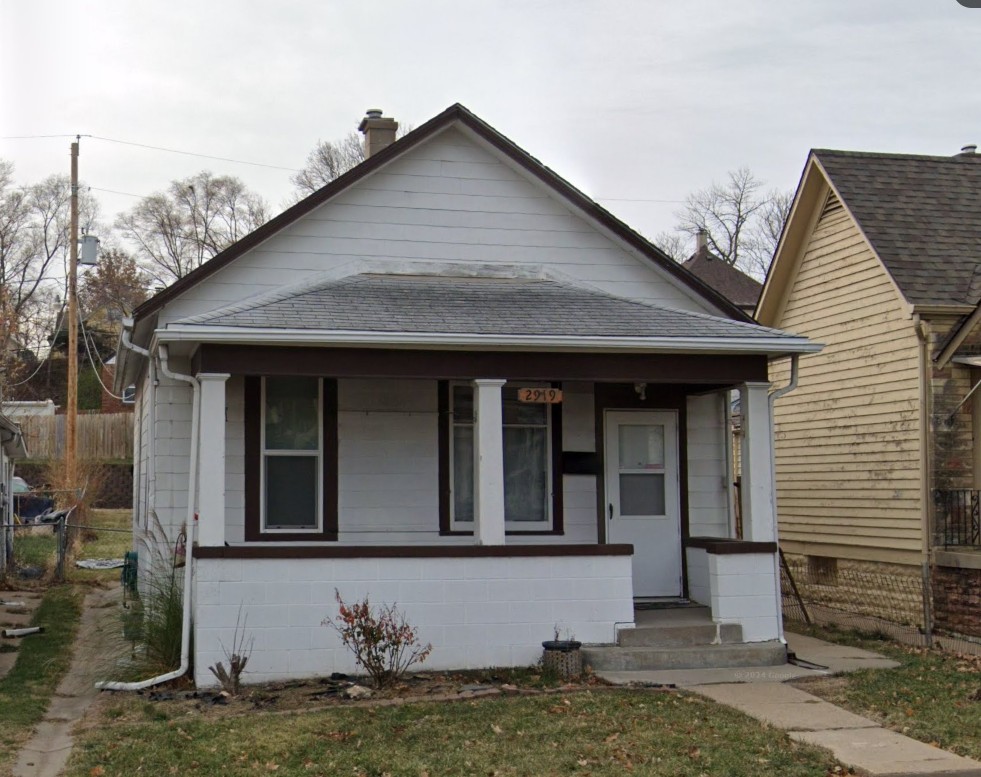
A house in Sheelytown at 2919 Castelar Street then and now. Photo on the left courtesy of Omaha World-Herald.
The Polish immigrants that worked for the Sheely brothers established an invisible wall around their neighborhood whose boundaries were roughly from Martha on the north to Vinton on the south and from 24th on the east to 32nd on the west. The families of the area loved to work and play hard but they were poor and often viewed as dirty and uncivilized. The area essentially became a company town named after the owners of the meat packing plant. It developed a reputation for being a rough and tumble neighborhood that visitors often refused to visit. When they did, it was at their own peril. It was once reported that an Irish boy that went near Sheelytown to pick up a Polish girl for a date was beaten by a local boy claimig to have “rescued” her. Even walking to neighboring Hanscom Park in those days could result in a beating as the Sheelytown kids ruled the park as well as nearby Field Club where many of them were caddies.
At its peak, the Sheely Brothers operation killed 15,000 hogs, 5,000 sheep and 1,200 cattle annually. After John retired in 1883, Joseph continued to operate the business until the packing house caught on fire during the winter of 1886. It’s been said that the fire which started in the smoke house was only detected because of the smell which was that of a hog roast. The packing house was never rebuilt due to the prevalence of the stockyards and meat packing plants that had since started operating in South Omaha. Many Sheelytown residents went to work at other meat packing plants and nearby breweries after that.

While it was never incorporated as Sheelytown, the area was incorporated briefly as Park Vale in 1886 which led to the establishment of a post office. Two months later, Park Vale and its post office were gone after Omaha conducted its first mass annexation in 1887. Despite the burning of the plant, the annexation and the death of Joseph in 1892 and John in 1895, the area retained the Sheelytown name. It even had its own mayor, the most well known of which was Nick Dargaczewski who ran a saloon in addition to being a blacksmith. Nick aligned himself with Omaha’s cowboy mayor, Jim Dahlman, as he could be counted on to deliver votes for the mayor who claimed Sheelytown as his home even though he lived a few blocks north at 29th and Hickory. The mayor was known for ending his political rallies in Sheelytown.

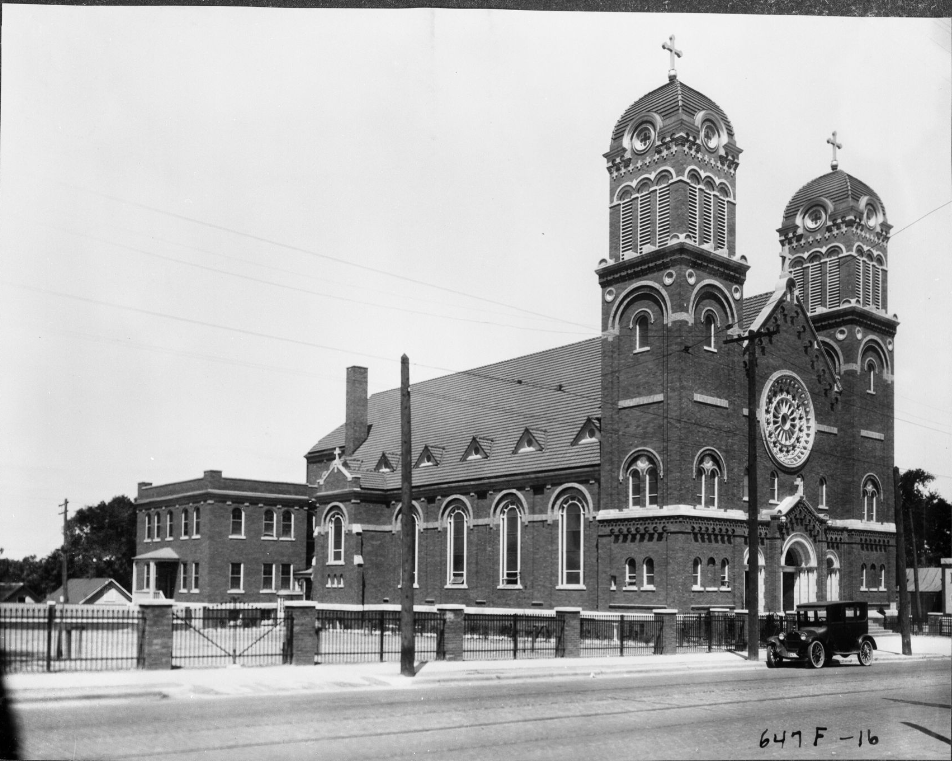
A year-long struggle between Bishop Richard Scannell and a rogue group of parishioners that sought to make the Polish St. Paul’s Church independent took place in 1895. As Nebraska History explains it, the conflict was “a mixture of politics, Polish nationalism, religious fervor, personal failings of the clergy and doctrinal disputes within the Catholic Church.” When the rogues secured the title to the church, the opposing group showed up to take it back. Faced with having to return the church, the rogues opted to set it on fire in the spring of 1895. It was replaced with Immaculate Conception Church at 24th and Bancroft.

The start of prohibition in 1920 marked the end of an era in Sheelytown as its taverns and dance halls were closed. One resident was quoted as saying “even brawling ceased to provide fun during those dark years”. Despite that, the Polish population continued to grow to 14,000 by the 1940’s. Most were attracted to the area due to the available jobs in the stock yards, meat packing plants and the railroad. Omaha had one of the largest concentrations of Polish Americans west of Chicago.

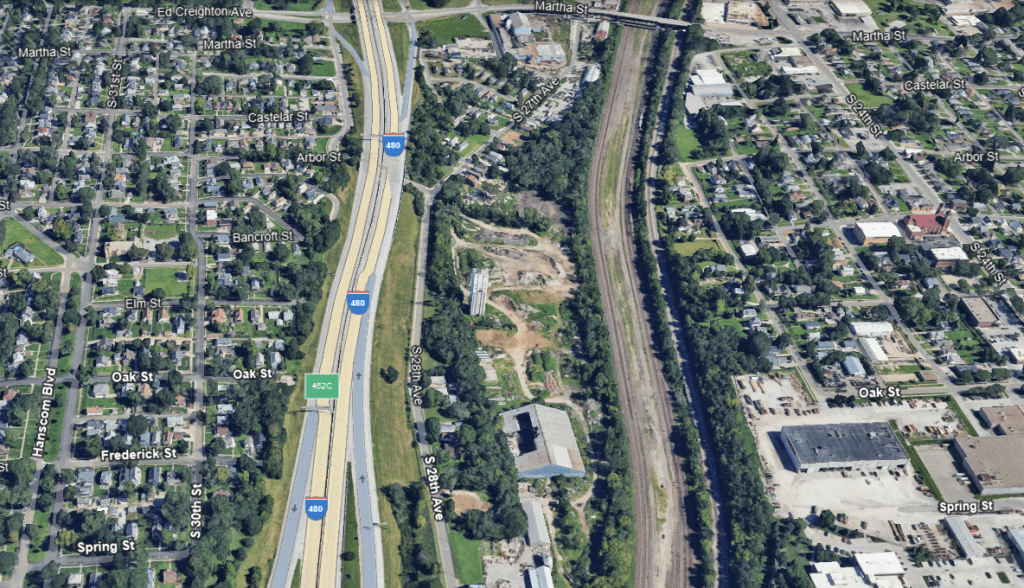
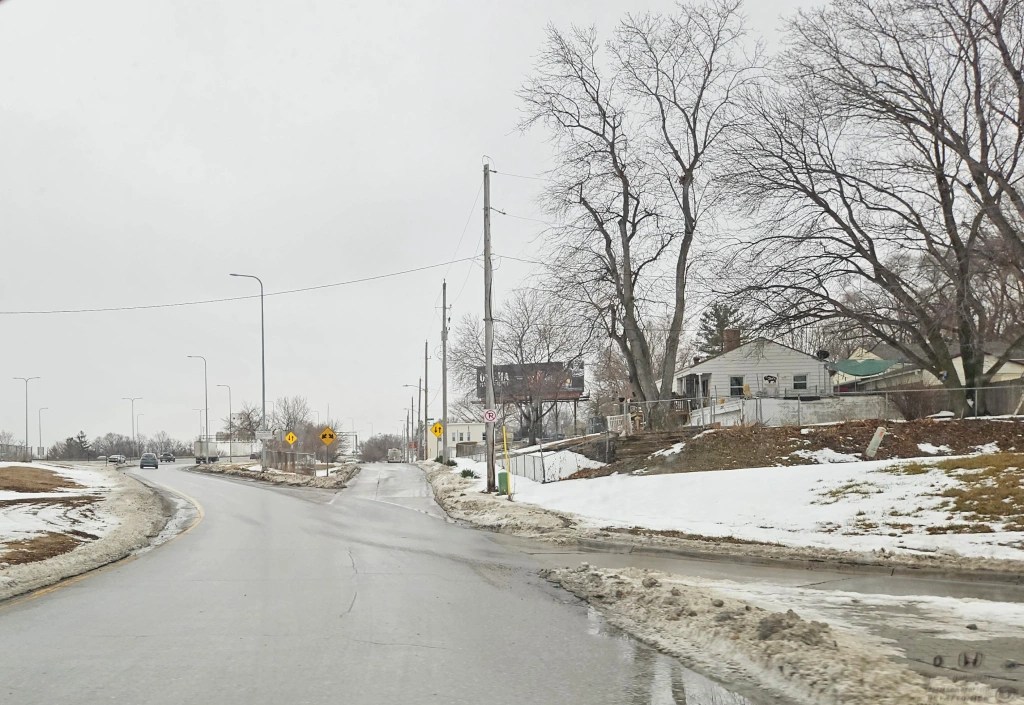
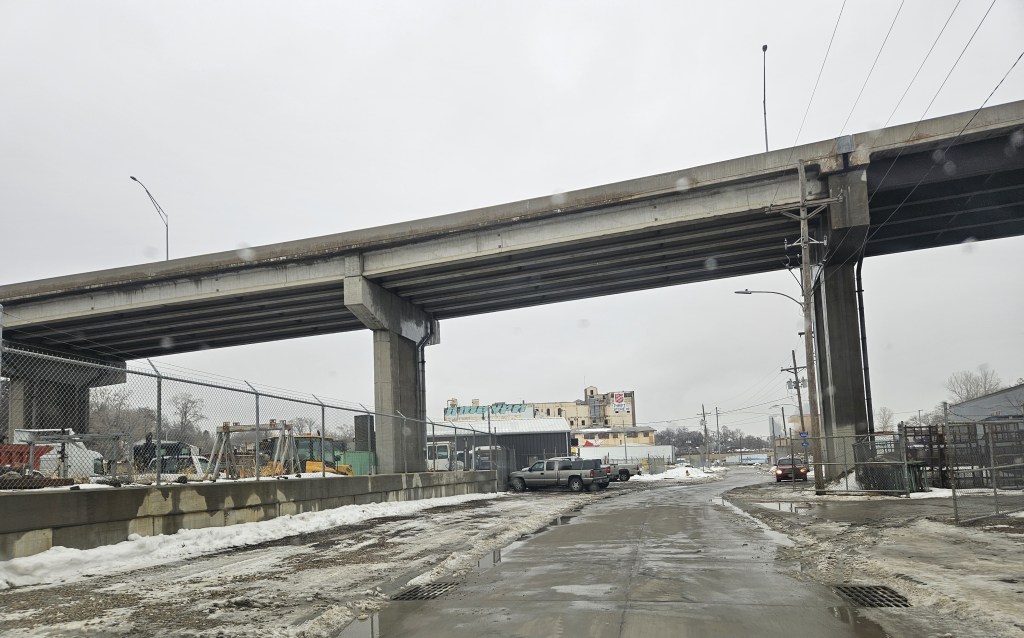
When prohibition finally ended in 1933, Sheelytown, of course, recovered and the area remained vibrant until 1960. By that time, however, Omaha was in the process of building I-480 through what it considered to be blighted areas. While residents including Herman Merten fought back, they ultimately lost. In 1961 Herman was forcibly removed from his home while sitting in a chair. The interstate split Sheelytown in half with the houses and buildings from 28th to 29th being demolished. This resulted in its main street being moved from 27th to 29th. With so many houses and businesses destroyed, many of the residents moved south to an area west of “Little Poland” called Golden Hill.

By this time, the Polish Home had been established at 4701 S 25th in a building that had been the American Legion until 1936 and a high school before that. It served as the center of Polish American cultural activities. The U-shaped building had a library, taught classes in their native language, played movies as well as plays, held dances, wedding receptions and political rallies. It was also a gathering spot to listen to polka bands while eating traditional Polish dishes from its kitchen. In 1998 the Polish Home was sold to El Museo Latino.
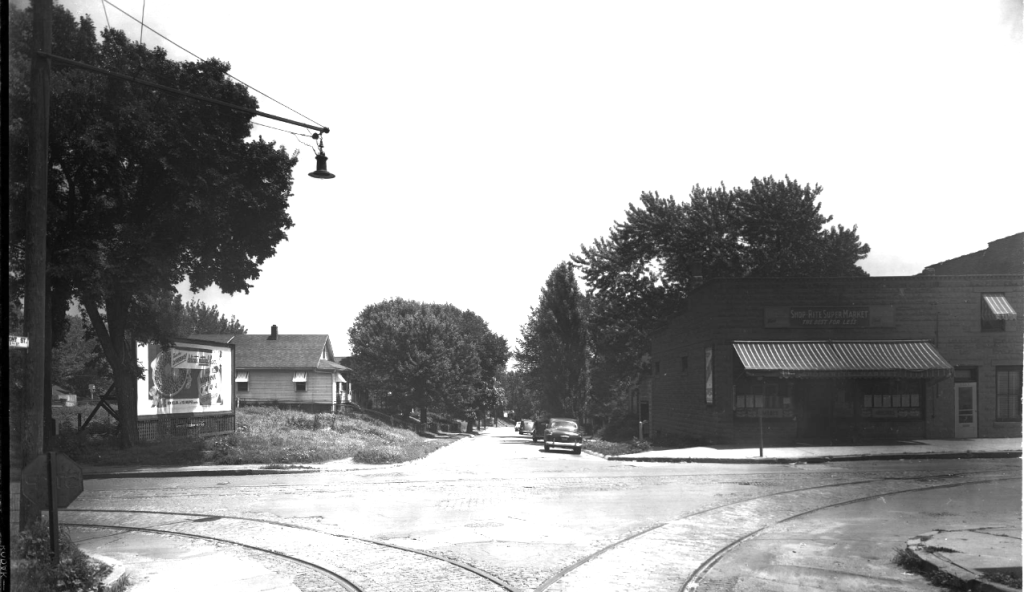
The hard partying, blue collar neighborhood that was known for its colorful nicknames, street dances, three-day long weddings are mostly a memory today. There aren’t any historical markers in the area and today it’s most well-known business is Dinker’s which dates back to 1965. While mostly known for its hamburgers which many will say are the best in town, the bar and grill continues to serve Polish sausage from time-to-time. Today Sheelytown is the name of both a polka band and a plant store nearby on 35th and Center.
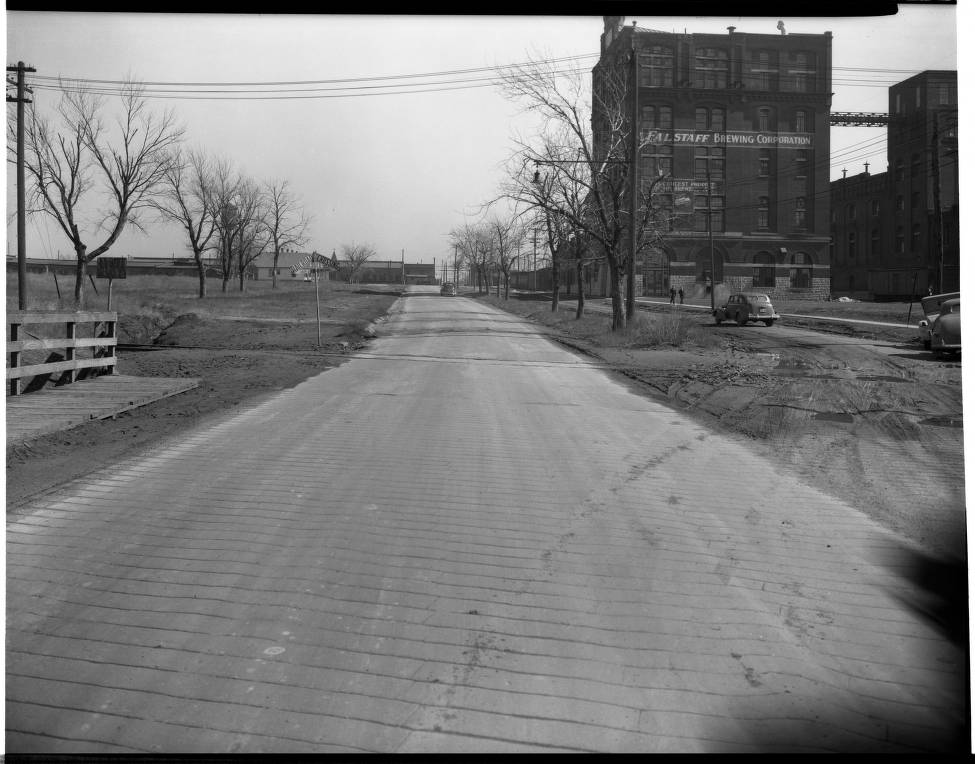

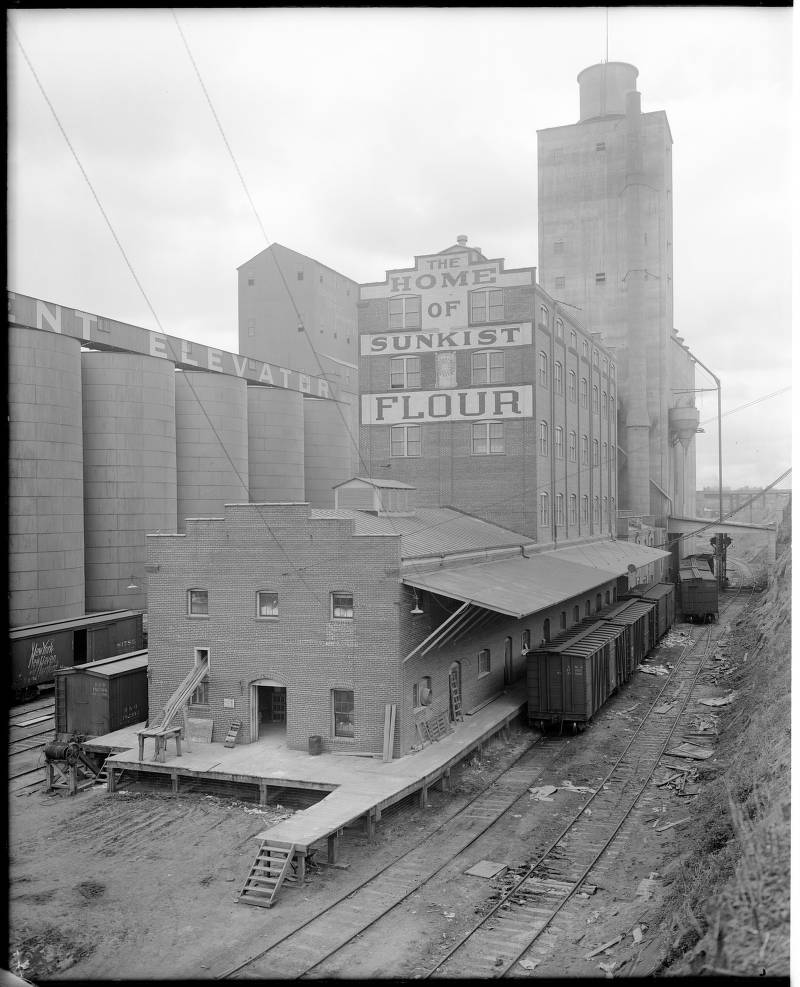
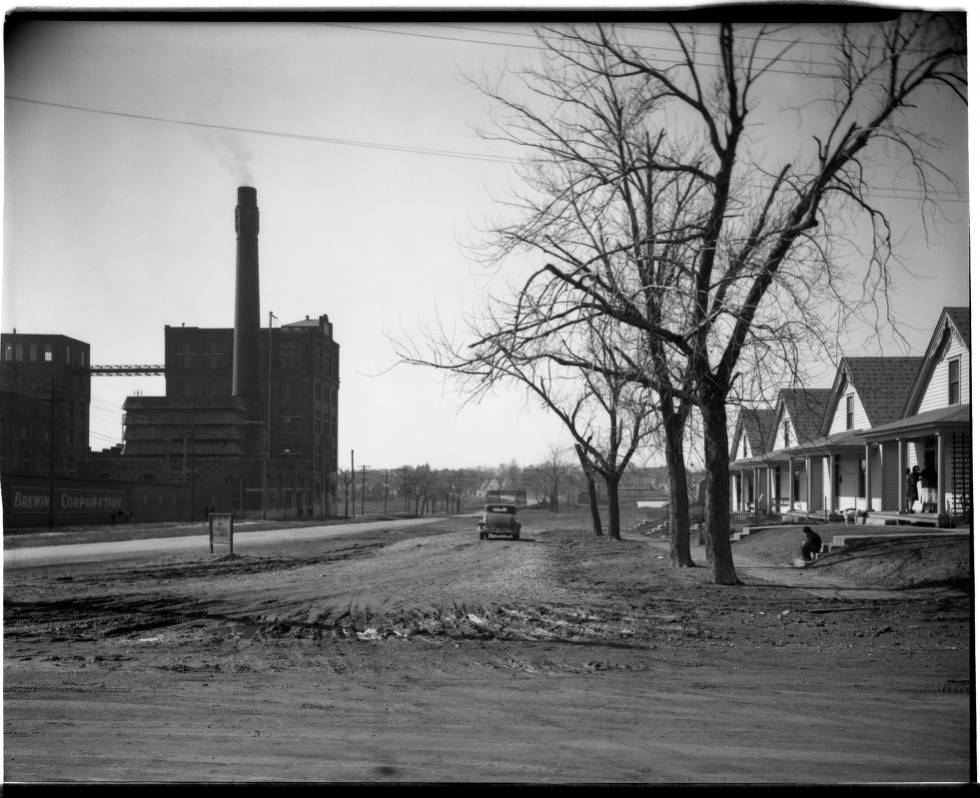
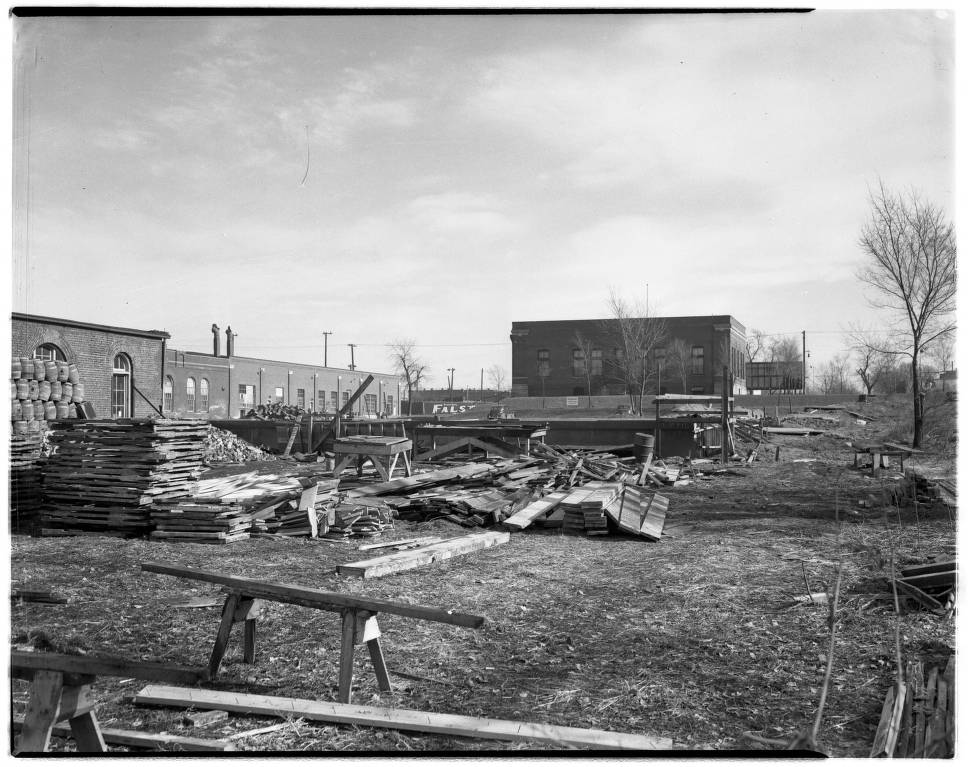
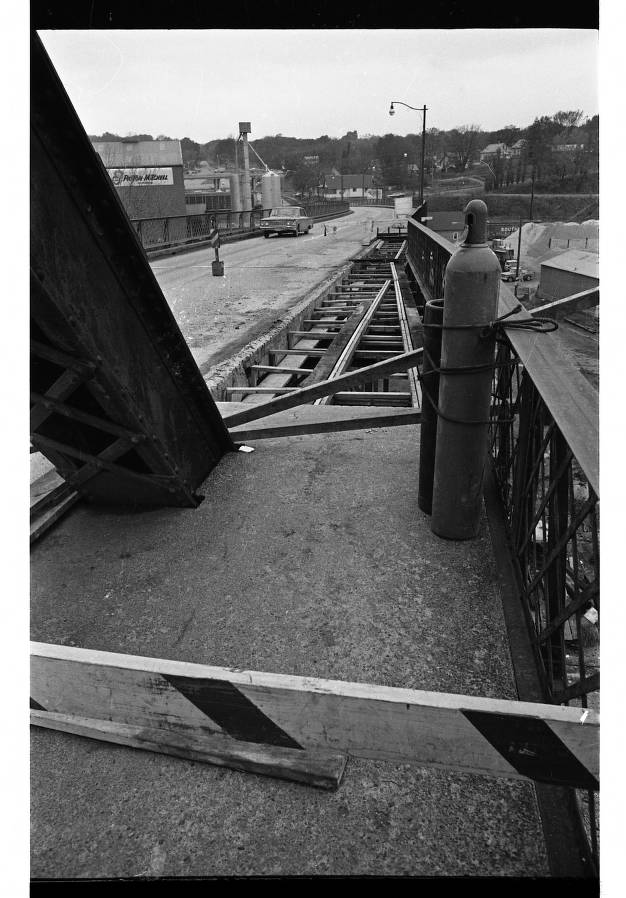
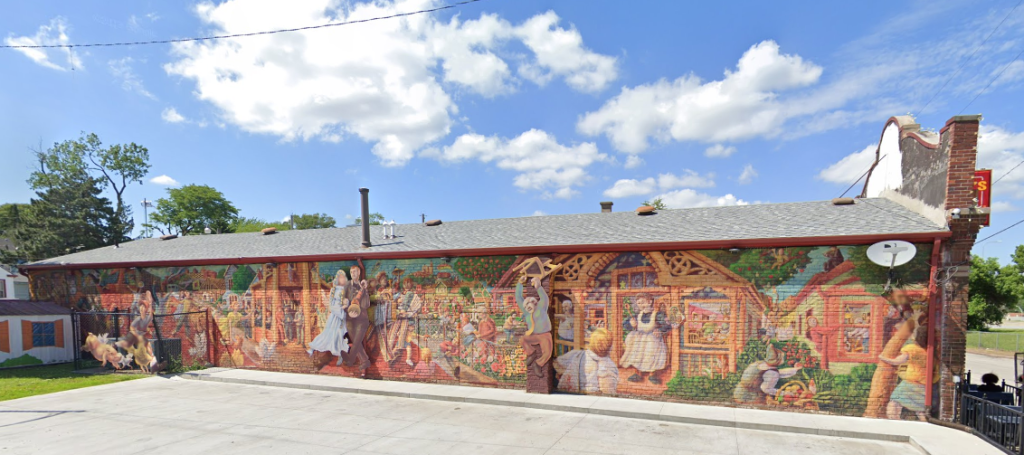
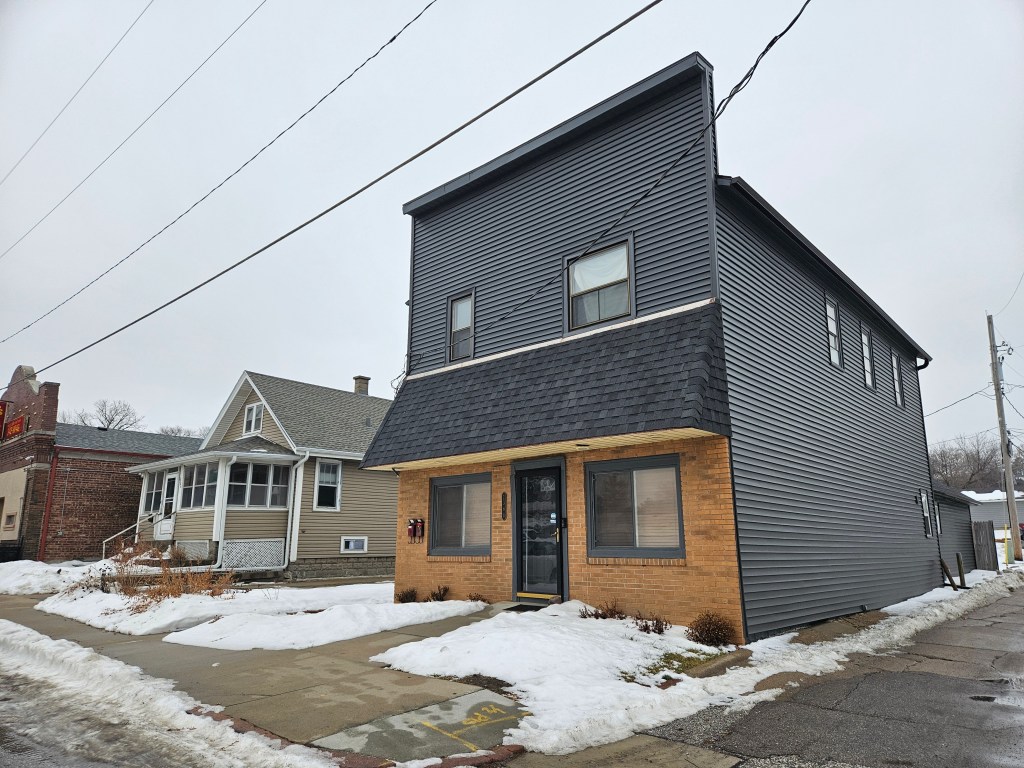
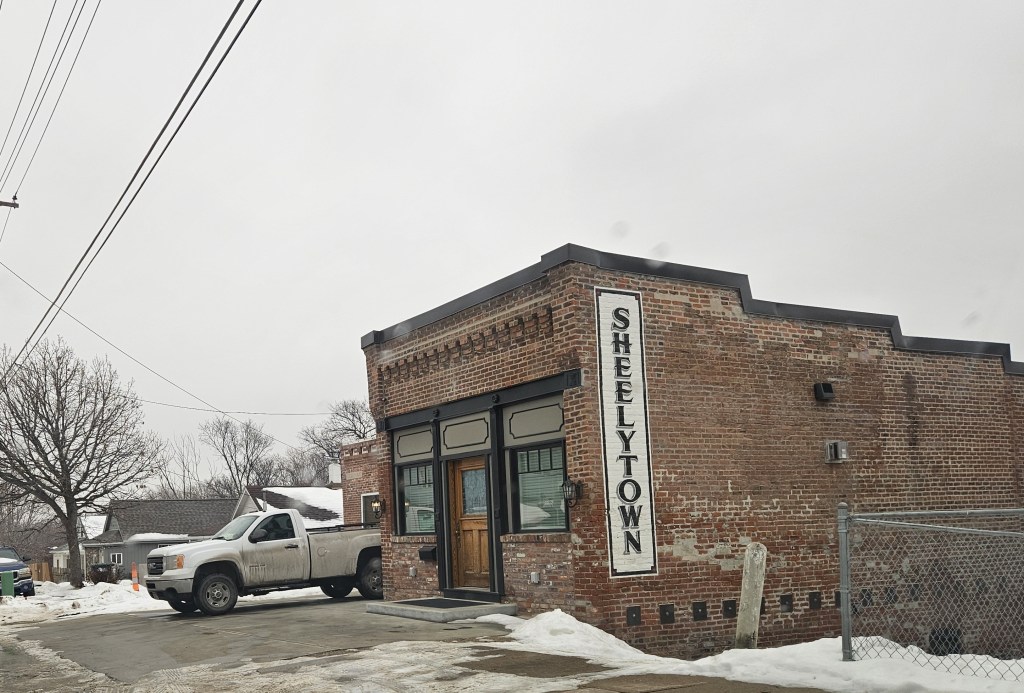
With the area east of 29th St being demolished, it’s difficult to identify all of the businesses and landmarks that made up Sheelytown let alone find pictures. Having said that, I have found a few of each. If you know of any places that I failed to mention or have pictures to share, please feel free to comment.
- 2532 S 24th St – Stoysich House of Sausage
- 2708 S 24th St – Immaculate Conception
- 2457 S 27th Ave – Kozol Grocery
- 2463 S 27th Ave – Maney Milling
- 2470 S 27th Ave – Idle Hour Tavern/Belitz Tavern
- 2351 S 29th St – Shop Rite Super Market
- 2364 S 29th St – Clanton’s Grocery/Dinker’s Bar
- 2367 S 29th St – Dupont Pharmacy/Idle Hour Tavern/
- 2368 S 29th St – Hanscom Theater/Hanscom Inn/Big Fred’s/Scheely Tavern/Dinker’s Bar & Grill
- 2401 S 29th St – Didham’s Hall/Micek’s Tavern
- 25th and Vinton – Falstaff Brewing
- 29th and Arbor – Kudlacz’s Grocery
- 29th and Martha – Dupont School
Content written by Omaha Exploration – follow my page for more! Please also feel free to leave a comment. If there’s something you want to learn more about, let me know. In the meantime, keep exploring!
Omaha Exploration is sponsored by @Rockbrook Mortgage Inc.

More Photos



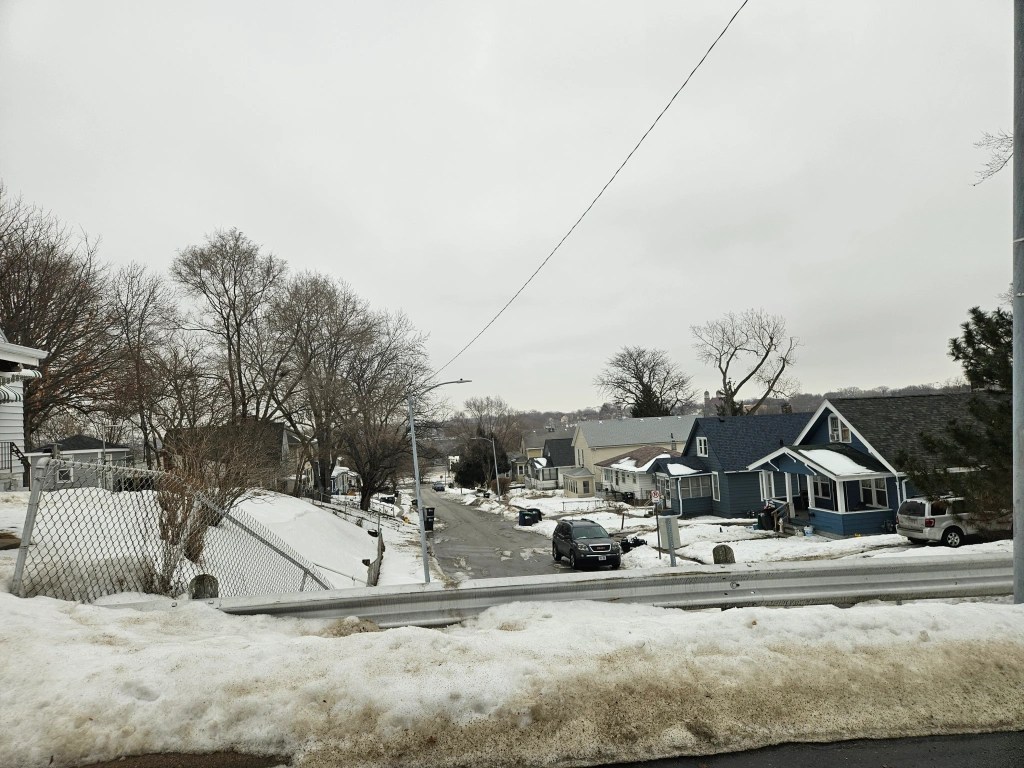
on 24th and Martha streets.







Subscribe
Type your email address below to be notified when a new story is posted.
 Omaha Exploration
Leave a comment