
Born in 1855, John Larson immigrated from Sweden at the age of 14. He would settle in Chicago for a time before making his way to Nebraska. By that time he had changed his name to Rosenfield. A farmer by trade, John would grow 26 acres of peonies at West Point before relocating to Omaha so that he could be closer to the markets where he would sell the flowers.
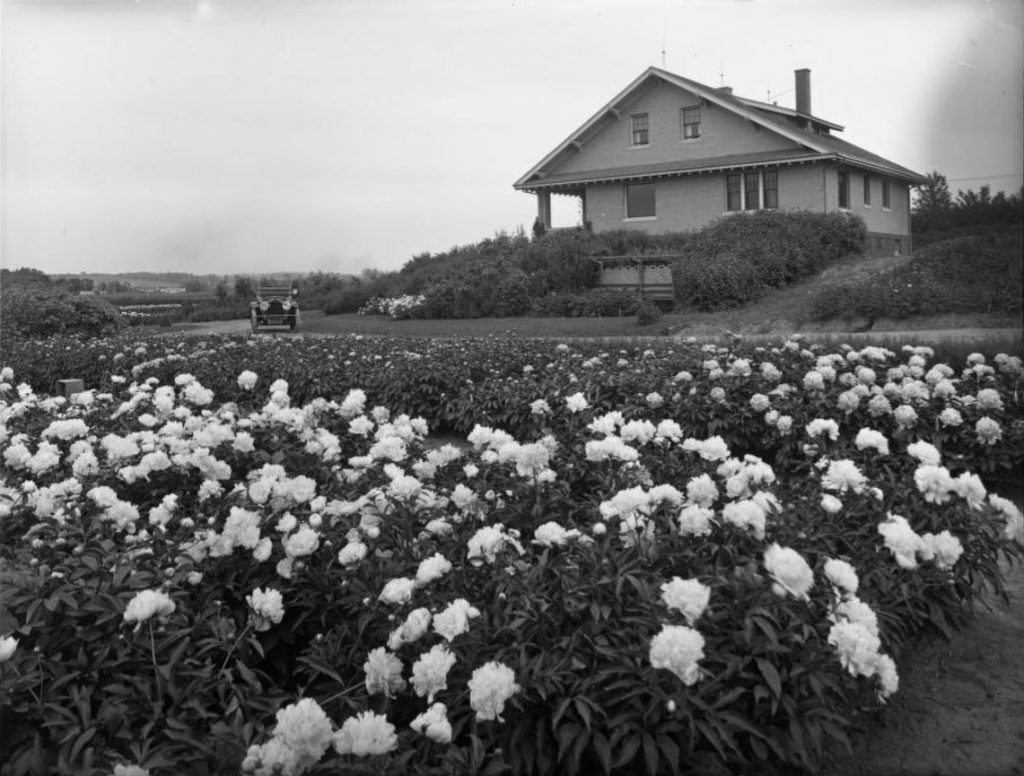
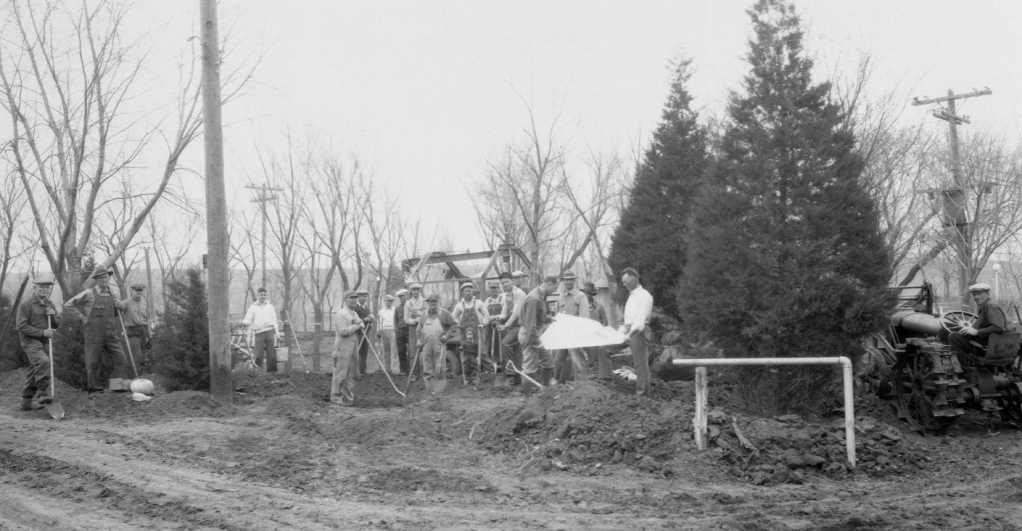
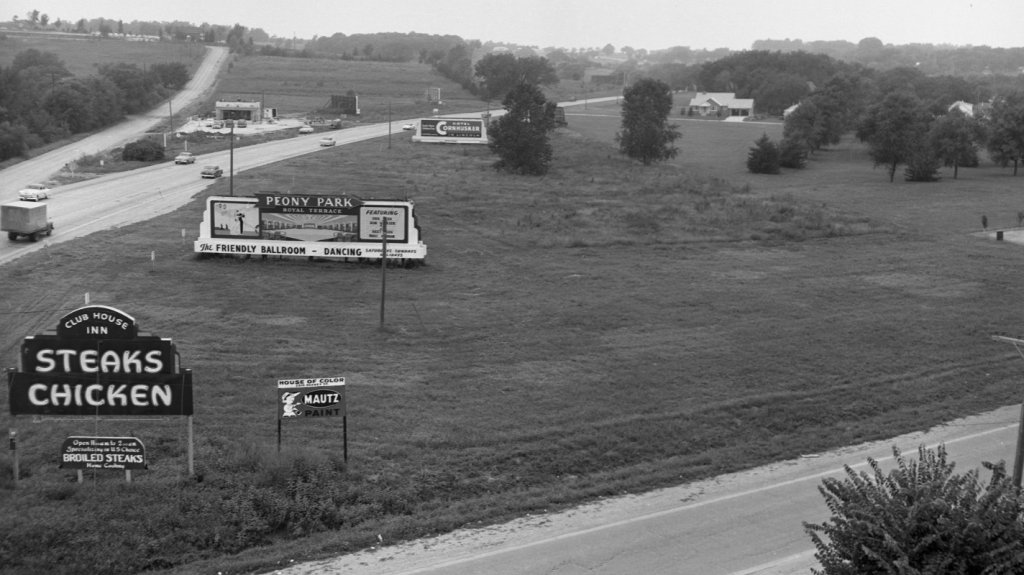
He bought a farm in 1909 from Claus Sievers and proceeded to build a farmhouse near 80th and Davenport and planted a 25 acre peony garden a mile west of the nearest neighborhood which was Fairacres. Located along the Lincoln Highway, his large garden became a tourist attraction when the flowers bloomed each spring. Known as the “Peony King”, his claim to fame was developing the Karl Rosenfield Peony (named after his son) in 1908 along with another two dozen varieties. At one point he had 250,000 peonies representing 700 different varieties.
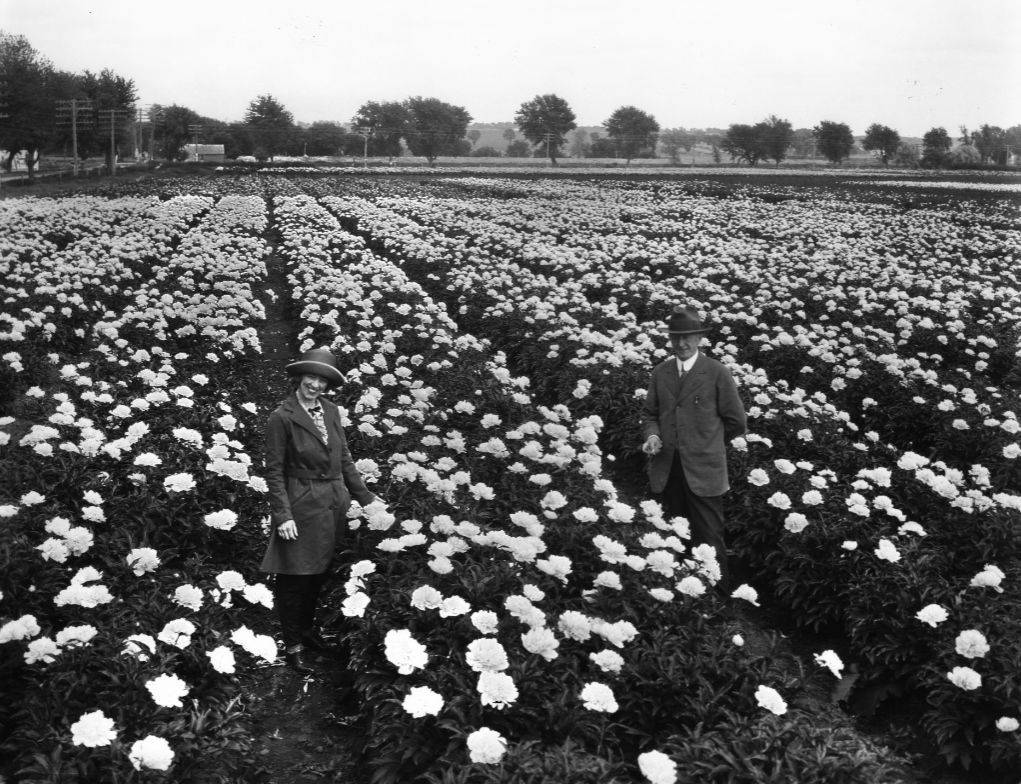
In 1917 John sold the garden to Richard Caplis at a profit of $1,100 per acre before relocating to Indianapolis. In the mid-1920’s three consecutive harsh winters caused significant damage to the peonies. Richard passed away in 1928 followed by John in 1934. The peony farm which the Omaha World-Herald once referred to as one of the most unique places in the United States was sold again in 1936 after which point the land was developed.
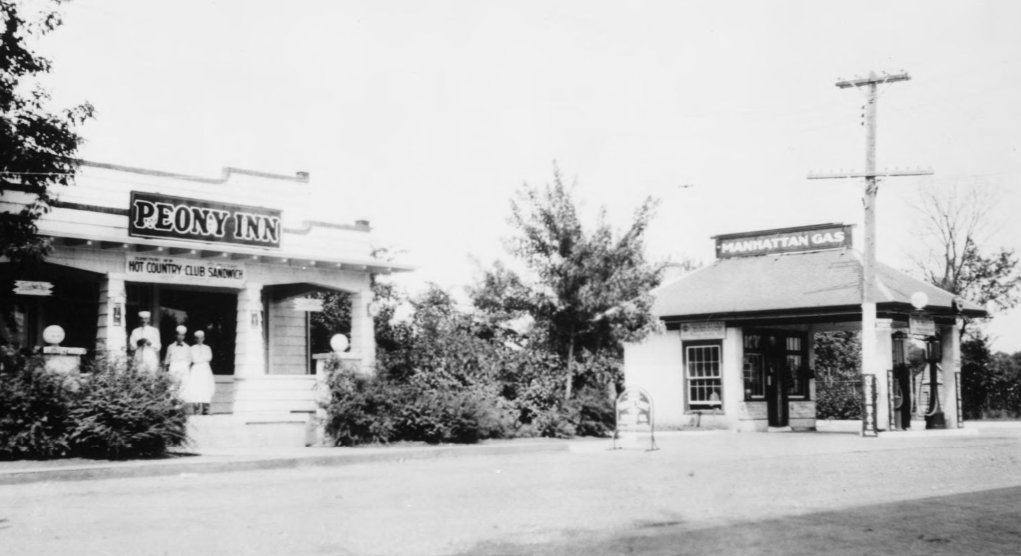
Meanwhile a Czech immigrant named Joseph Malec bought a 10 acre cornfield to the north of the garden from George McArdle. Located at 78th and Cass, Malec who longed to be a florist, intended to build a greenhouse on the property in addition to a floral shop downtown. Those plans never came to fruition and instead, he built a filling station and ice cream parlor with his brothers Jerry and Godfrey in 1919.
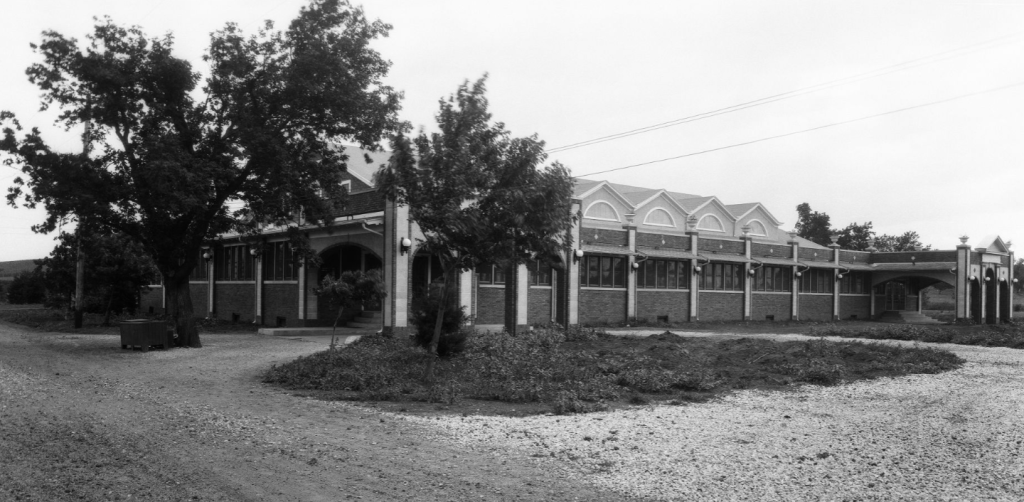
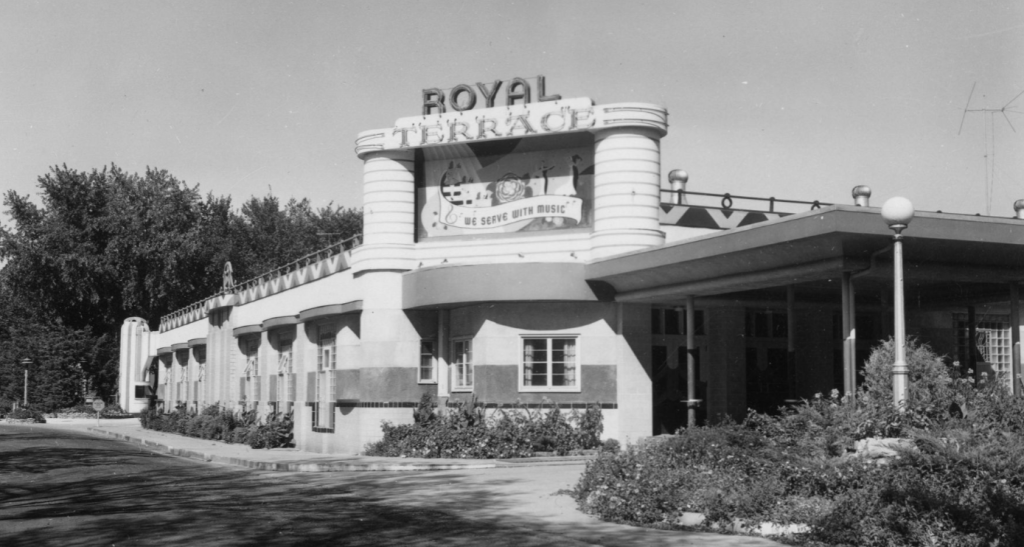
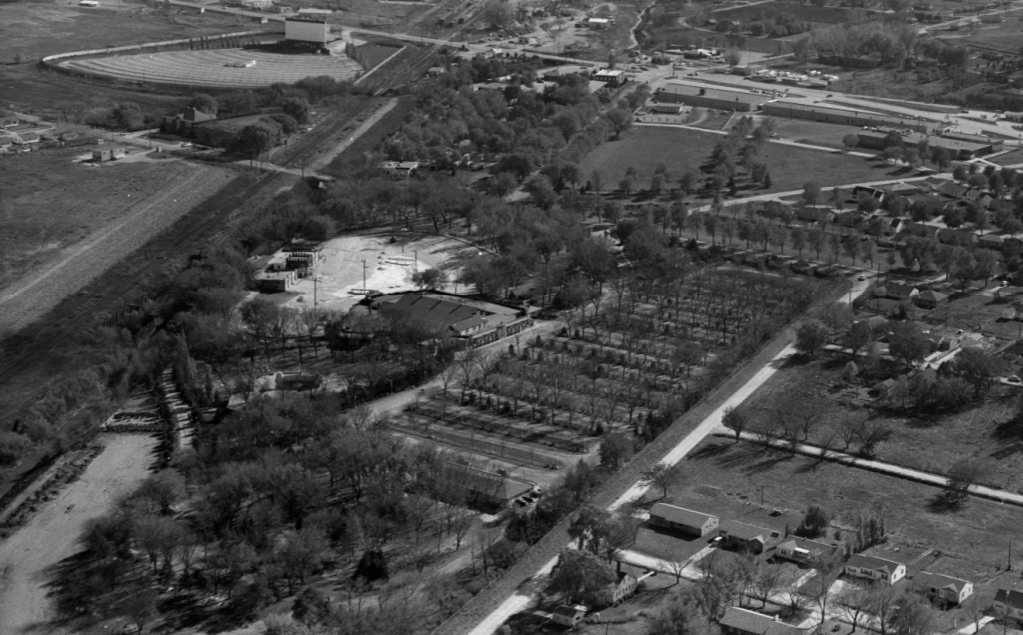
The location of Malec brothers businesses allowed them to capitalize on the popularity of the gardens which drew visitors from all over. Soon afterwards they expanded the ice cream parlor into a full-scale restaurant and as the crowds kept coming, they decided to add a dance hall in 1921 in order to attract even more people. That marked the beginning of Peony Park whose name was inspired by the famous peony gardens. Next to the pavilion was a pond where they offered canoe rentals. While a fire destroyed the pavilion in 1925, they replaced it with the even larger Royal Terrace Ballroom that had living quarters upstairs allowing them to keep an eye on the property.
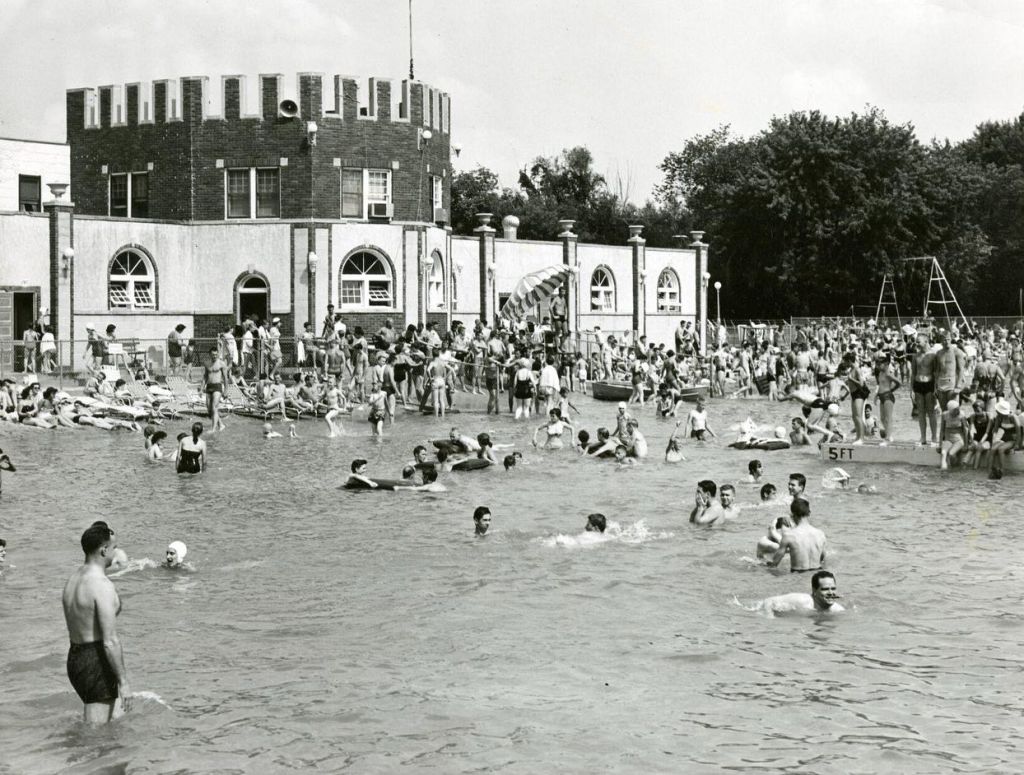
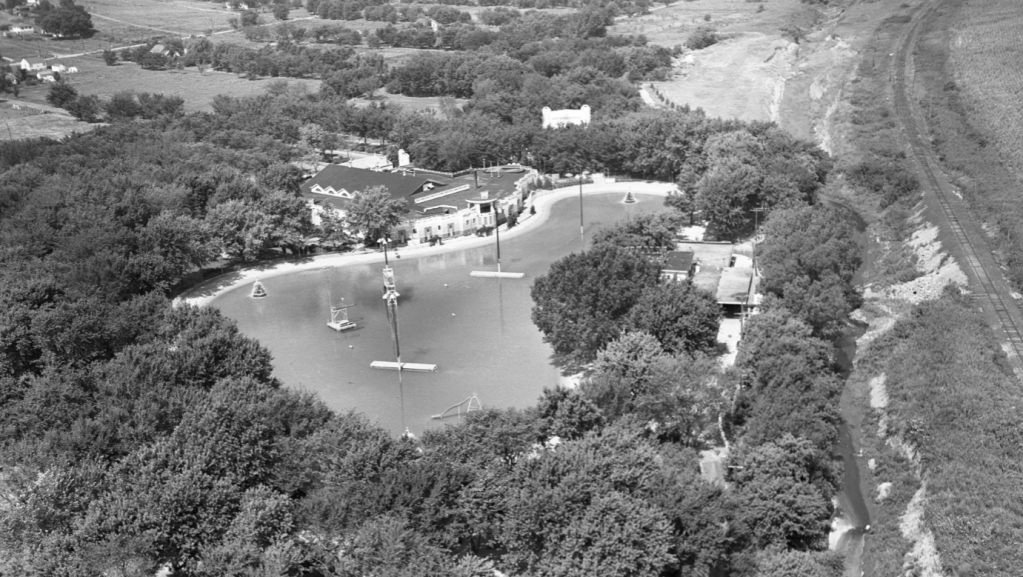
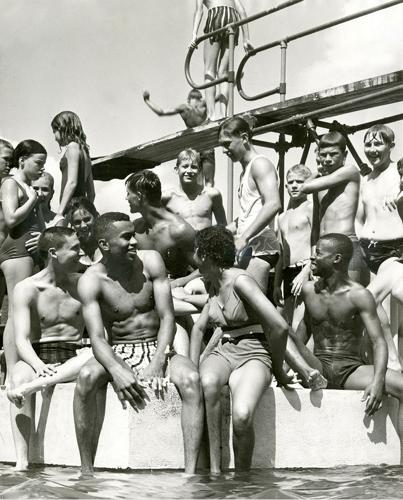
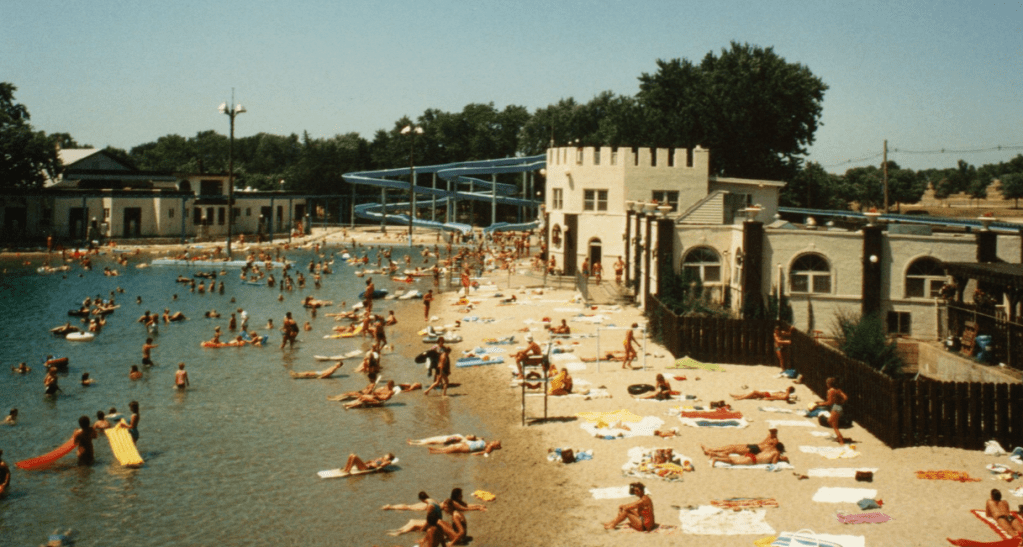
In 1926 they replaced the pond with a massive outdoor swimming pool that was built on top of an underground lake that was supplied by seven artesian wells. The four acre pool and beach was utilized by the Olympic swim team in 1930. In addition to the pool, they built an equally impressive bathhouse which was said to accommodate 5,000 people per day.
While a popular regional attraction in its own right, it didn’t hurt that the brothers added hidden cubby holes beneath dining room tables where guests could stash their whiskey bottles during prohibition. This allowed them to quickly and easily mix it with their bottles of 7-Up. The brothers apparently built a large beer garden 18 months before prohibition was repealed in 1933. It suspiciously burned to the ground the next morning.
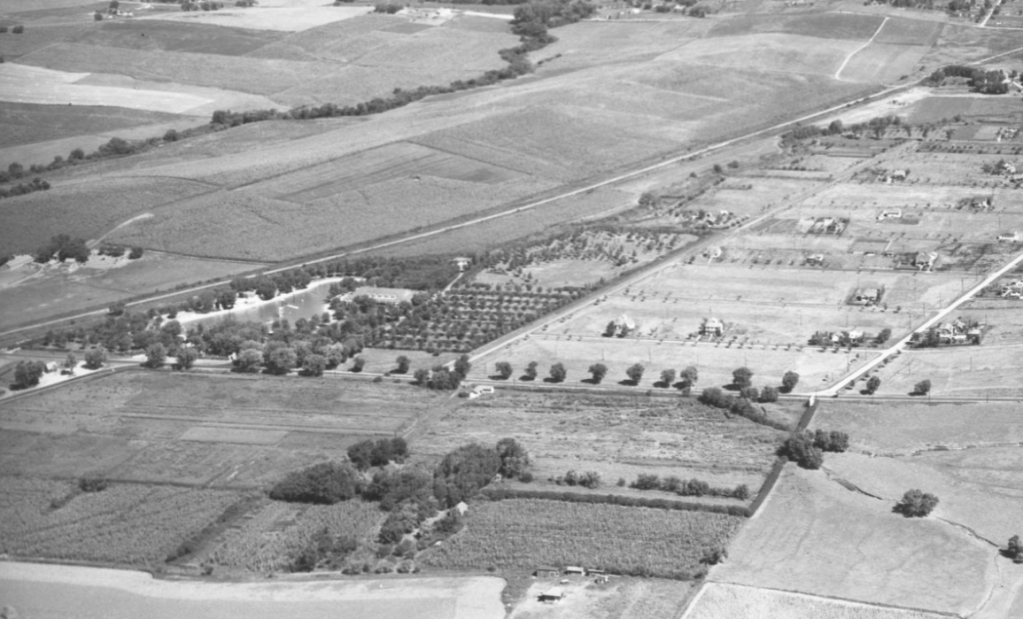
As its popularity increased, the brothers continued to add attractions. By 1933 the park which they called “Omaha’s Family Country Club” included 10 acres of athletic fields, playground and picnic grounds. The next year they built the Royal Grove by hand. It was large enough for 3,000 people to dance under the stars.
During the Big Band era which was popular in the 1930’s and 1940’s musicians such as Duke Ellington, Cab Calloway played at the park as did Louis Armstrong and Lawrence Welk who raised chickens in a farm near the park at 80th and Miami.
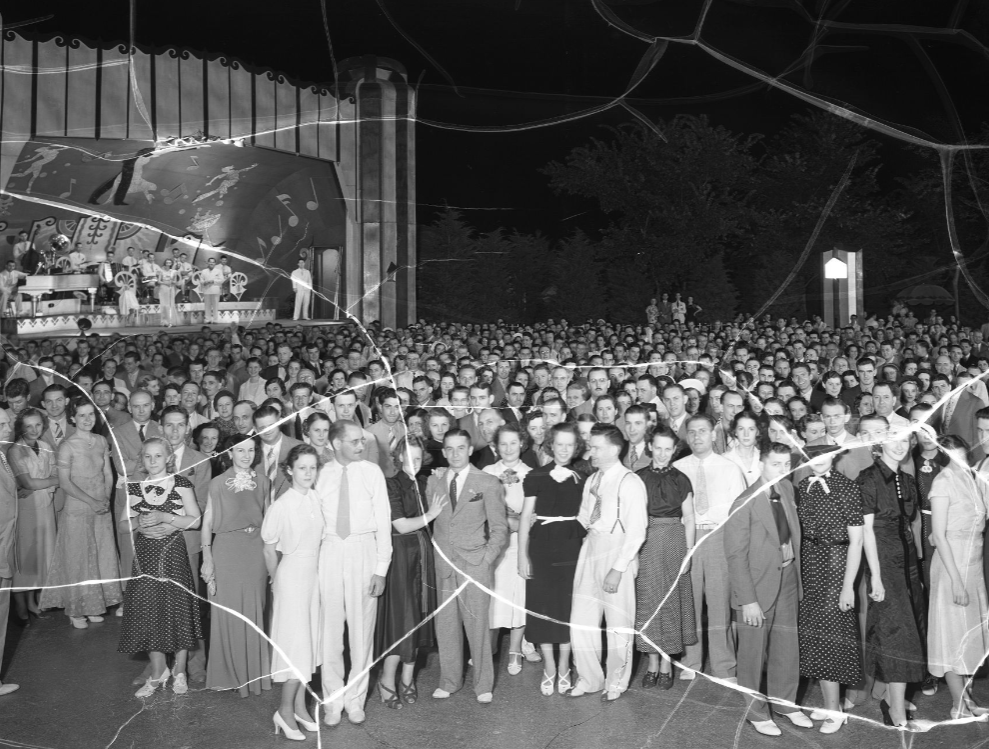
When the U.S. entered WWII in 1941 until the time it came to an end in 1945, the park was a popular place for soldiers either preparing for or returning from the war. Also popular at this time were Coca Cola Date Nights and Seven Swings which were televised.
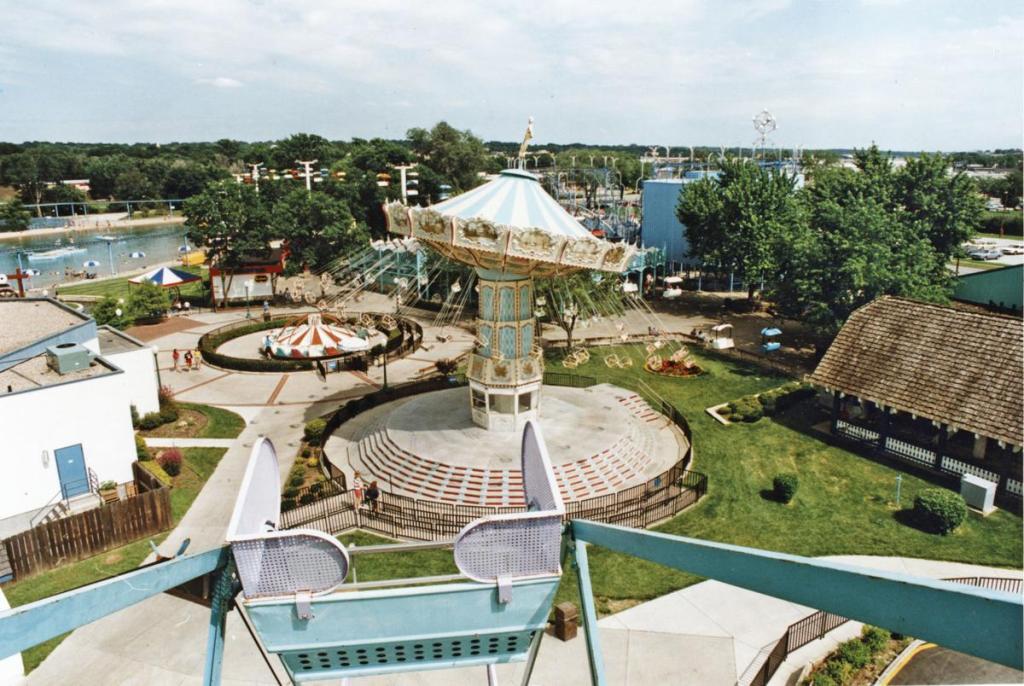
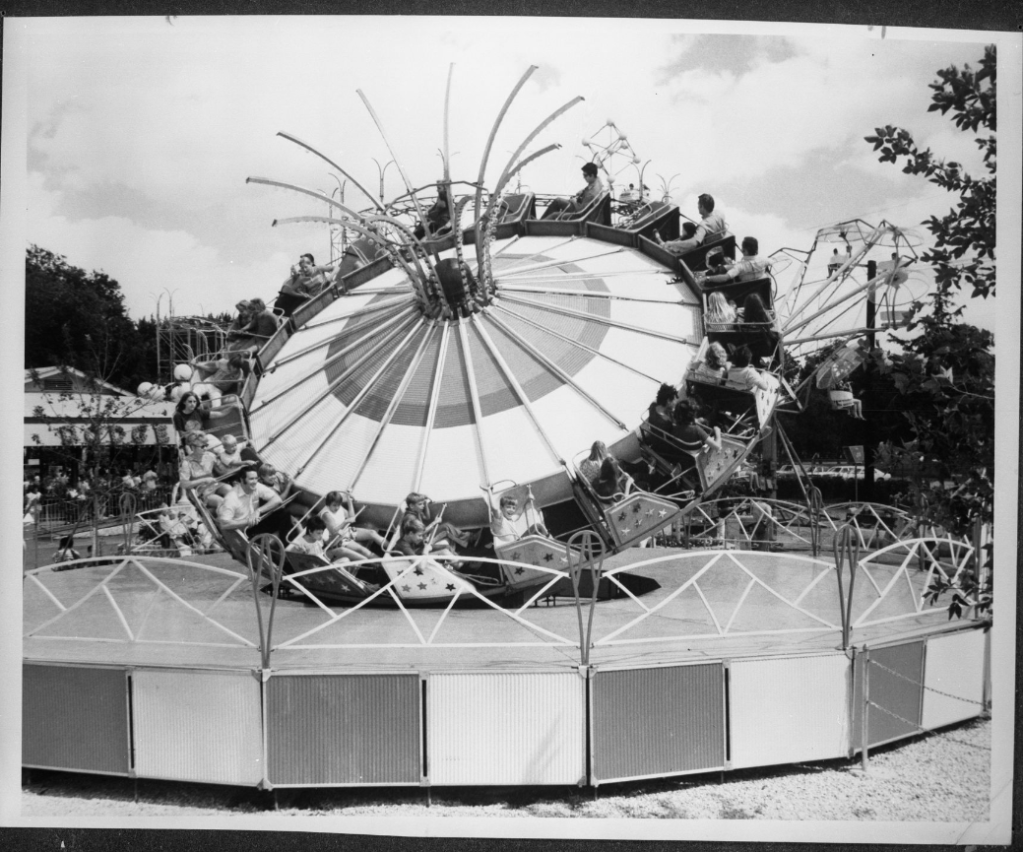
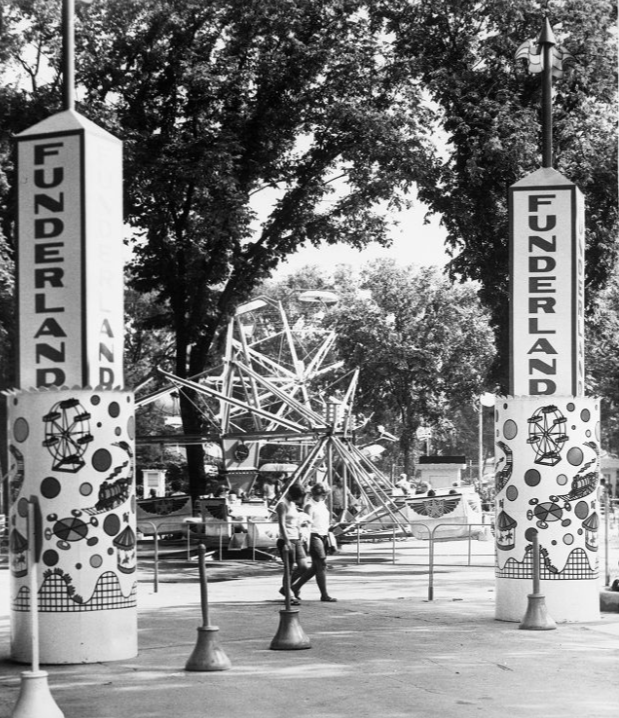
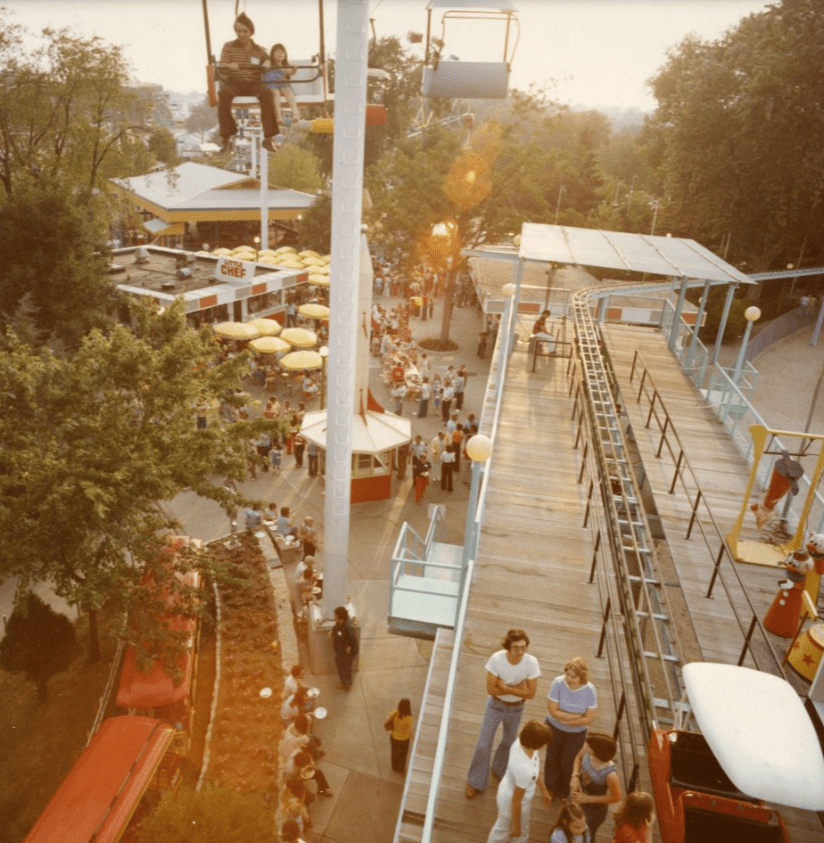
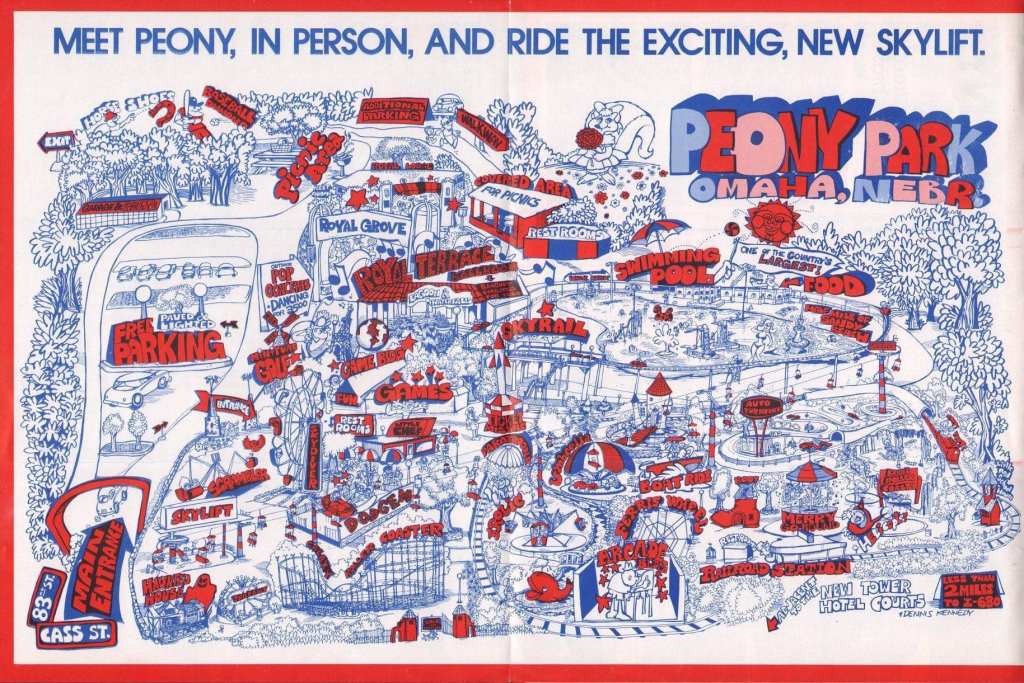
The Malec’s didn’t add amusement park rides until 1958. They waited until the area was annexed by the city thereby establishing bus routes near the park. Referred to as Wonderland, the children’s-based attractions included the “Around the World in 18 Holes” miniature golf course as well as a helicopter ride, merry-go-round, Ferris wheel, and a miniature roller coaster. Adult-oriented rides were added as a part of Funderland in 1964. Rides included the Skyrail, Scrambler, Paratrooper, Trabant, Skydiver and the Galaxy roller coaster.
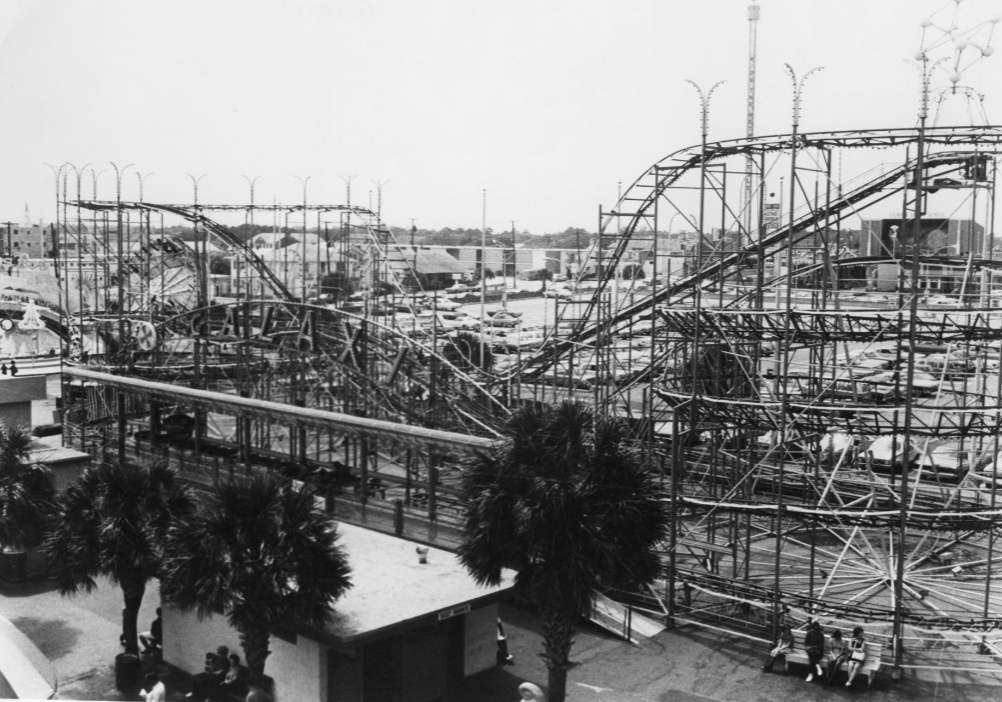
While African Americans were allowed in the park in the 1950’s, its swimming pool remained segregated until 1963. In an attempt to keep it segregated, the park turned private for a short period of time. It was only after several days of peaceful protest that started when members of the NAACP youth council were denied entrance that the park finally relented.
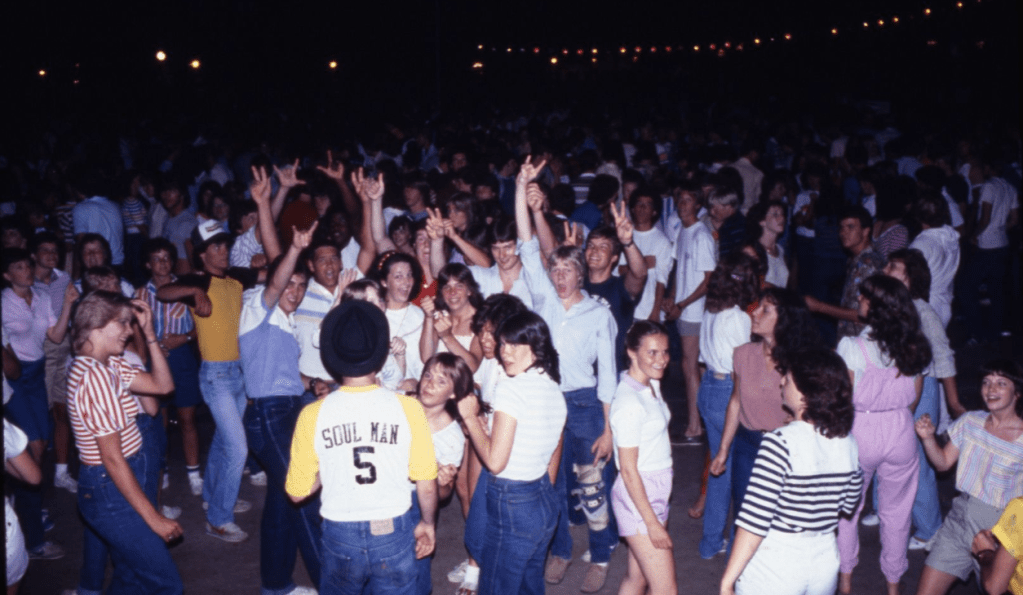
In the 1975 presidential candidate Jimmy Carter made an appearance at Peony Park followed by President Gerald Ford in 1978 after losing to Carter. After Joe Malec passed away his sons Charles and Joe helped ensure the park continued to run smoothly. The park introduced Sprite Nights in the 1970’s which was inspired by the earlier Coca Cola Date Nights. Lasting through the 1980’s, Sprite Nights were particularly popular among teenagers.
Despite increasing competition from newer and larger amusement parks such as Adventureland in Des Moines and World and Oceans of Fun in Kansas City, the park continued to add new rides. They also continued to draw bigtime musical acts including Metallica, The Red Hot Chili Peppers, Smashing Pumpkins and Pearl Jam. This, however, led to complaints of excessive noise by those living near the park.
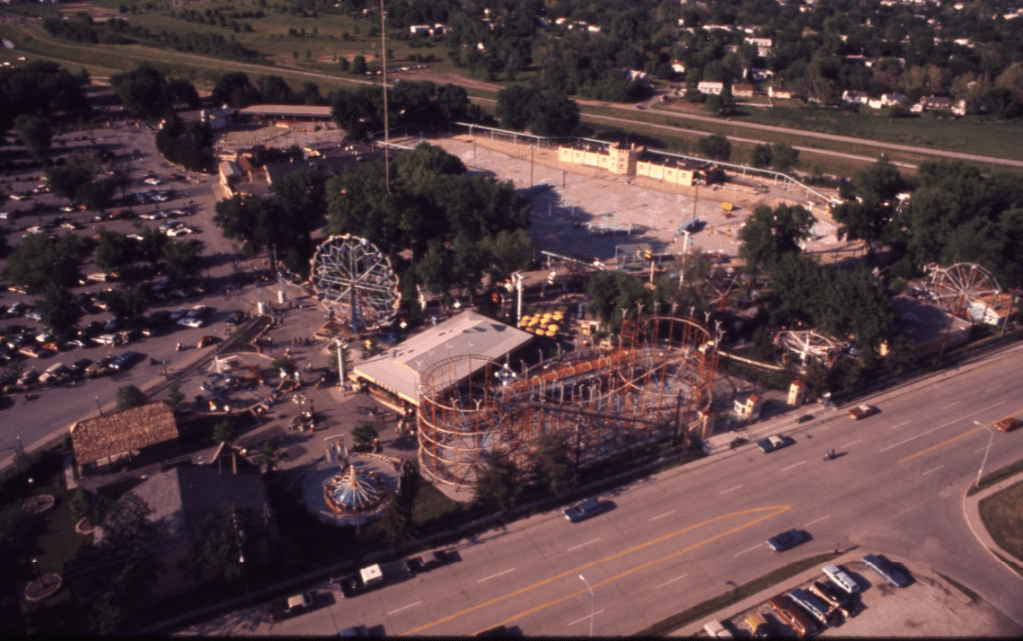
By the late 1980’s its debts mounted as attendance fell and property taxes increased. Not making enough revenue to remain in business, the park’s owners filed for Chapter 11 bankruptcy in 1991. While there were failed attempts to save the park, its rides were actively being auctioned off to buyers from across the country. At that point, there was little to salvage and the land was sold for development in 1994.
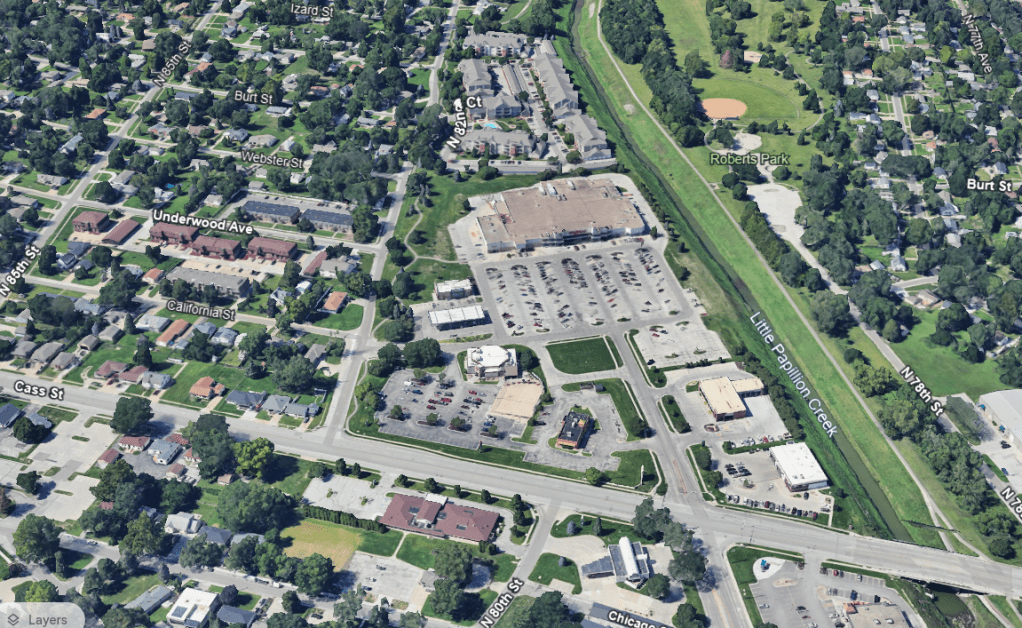
Travel to the area of 78th and Cass today and you’d be hard pressed to find any traces of the amusement park whose name was inspired by John Rosenfield’s famous peony gardens. In its place you’ll find supermarkets, strip malls, restaurants, retail stores, houses, apartments and offices. If you look closely, however, you will find Peony Park’s Plaza Theater which was converted into a Big Red Keno in 1991. You’ll also find John Rosenfield’s old farmhouse near 80th and Davenport. Not only that but you can also find the home of Lawrence Welk who often performed at Peony Park while living in Omaha at 81st and Miami.
Special thanks to Jody Lovallo whose research on John Rosenfield in Omaha History Club in 2019 proved extremely useful.
Please feel free to comment to share your thoughts and memories.
Until next time, keep exploring!
Bonus pics

Follow me on
Subscribe
Type your email address above to be notified when a new story is posted.


 Omaha Exploration
Leave a reply to 2025 OE’s Favorite Place to Bring Back – Omaha Exploration Cancel reply