
Well known as the birthplace of the Reuben sandwich, the TV dinner, and butter brickle ice cream, Omaha is less known as the birthplace of the ski lift.
The inventor, James Curran, worked as an ironworker for Paxton & Vierling Iron Works while taking night classes. Rather than follow in the footsteps of his father, an Irish immigrant who served as sheriff of Dodge County, James pursued the path of his grandfather, who worked as an engineer.
Born in Omaha in 1903, James became one of the few civil engineers to pass the state exam without formal college training. Now working as a draftsman for the company, one of his first assignments was to help design a pulley system that hooked bunches of bananas, lifting and placing them onto a conveyor that hauled them in a continuous flow so they could be loaded onto fruit boats without being bruised.
Hired as a draftsman by Union Pacific Railroad in 1927, James was promoted to bridge engineer when its chairman of the board, Averell Harriman, became intrigued with the idea of building a luxury ski resort in 1935. While skiing was already popular in Europe, from which Averell had just returned, it was only beginning to gain popularity stateside in places like New England, Colorado, and California.
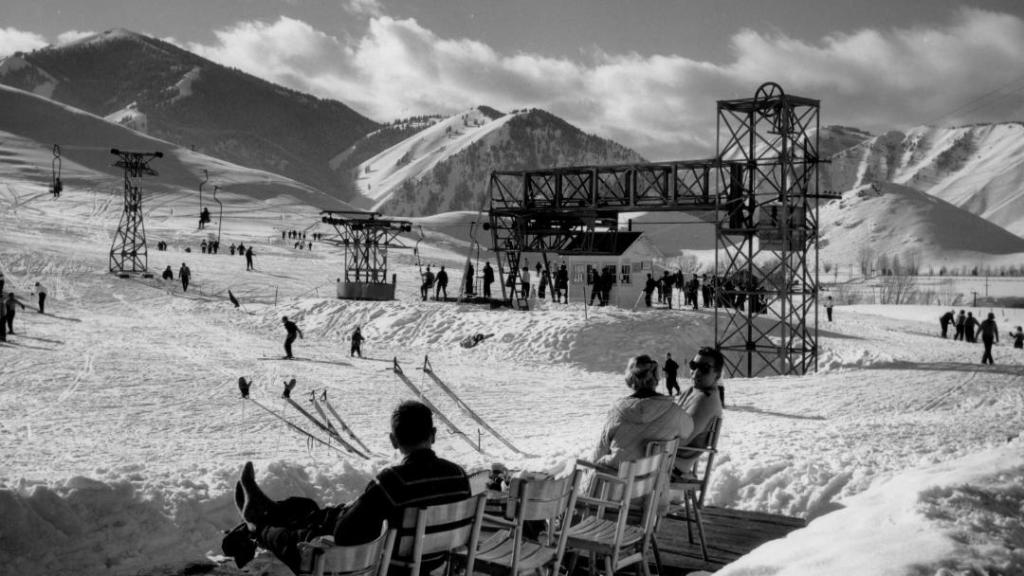
Averell saw a ski resort as a way to generate new demand for Union Pacific’s rail lines stretching from Omaha to the Pacific Ocean. The luxury resort was the first to offer upscale lodging, fine dining, swimming, ice skating, and other activities. It was designed to appeal to a growing number of ski enthusiasts and motivate them to travel long distances for that purpose. To seal the deal, the resort needed a better way to transport skiers to the top of the slope, rather than hiking uphill, jumping off trains at high mountain passes, or using tow ropes powered by horses or water wheels. To solve that problem, the company challenged its team of engineers to develop a new method of transporting skiers to the top of the slope for its new Sun Valley Resort in Ketchum, Idaho.

James recalled the banana conveyor system he had worked on in Honduras and suggested a similar design to move skiers uphill. The design was initially rejected as too hazardous, but the idea survived after he slipped it in with the team’s other proposals. When the ski consultant for the resort reviewed James’ plan, he was intrigued and selected it over the others. After further analysis with ski experts, they agreed that the overhead cable system could indeed be used to carry people back up the slope after a run.
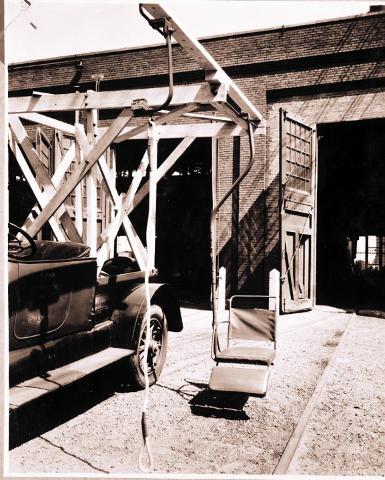
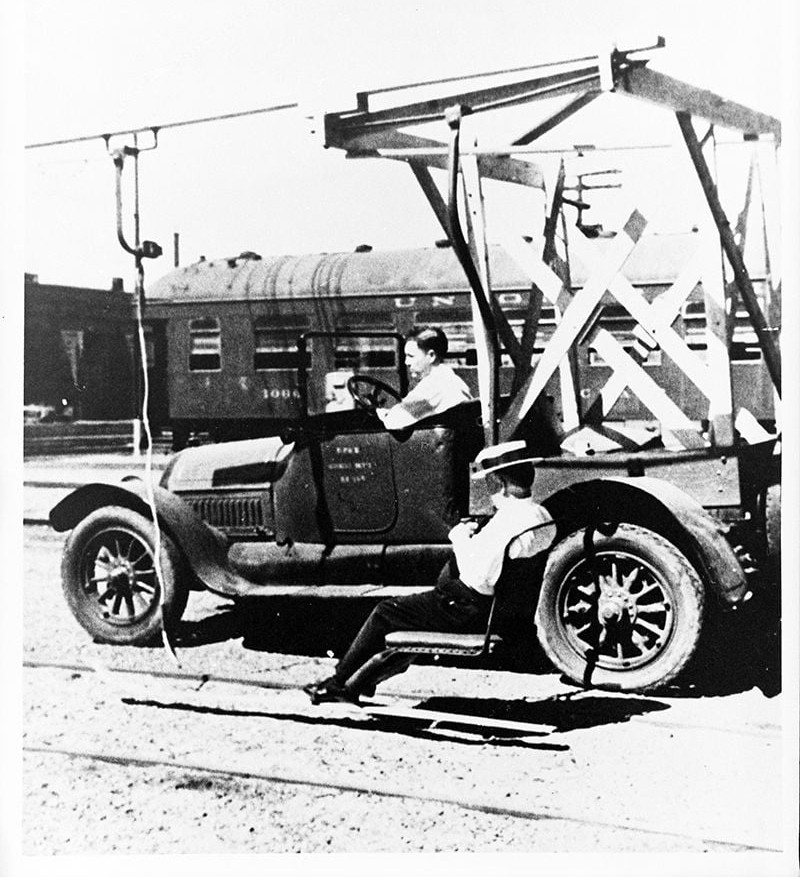
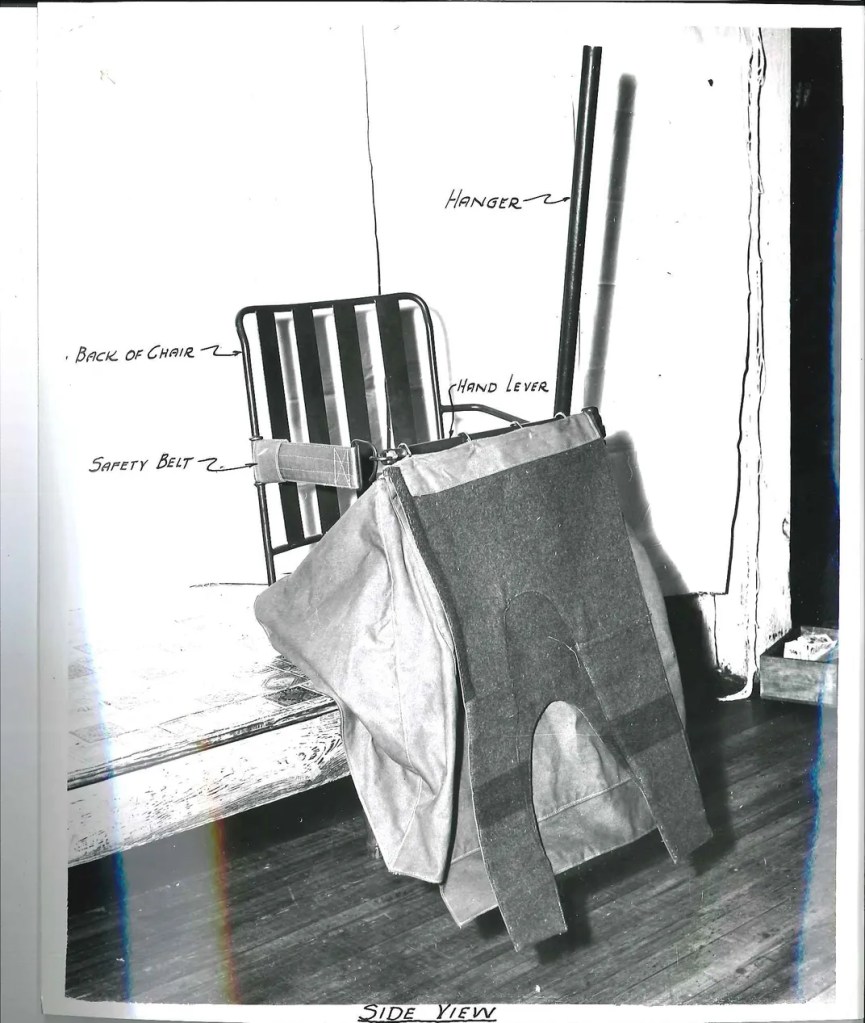
Days later, James worked with a small team to hash out the details. They built a structure in the back of a pickup truck with a chair hanging over the side. To test the concept, James wore roller skates as someone drove the truck toward him until the chair touched the backs of his knees. He rolled forward until settling into the seat. During the test, the team assessed speed, angle, and safety while calculating rope tension, sag, driving torque, and horsepower required to operate the lift.
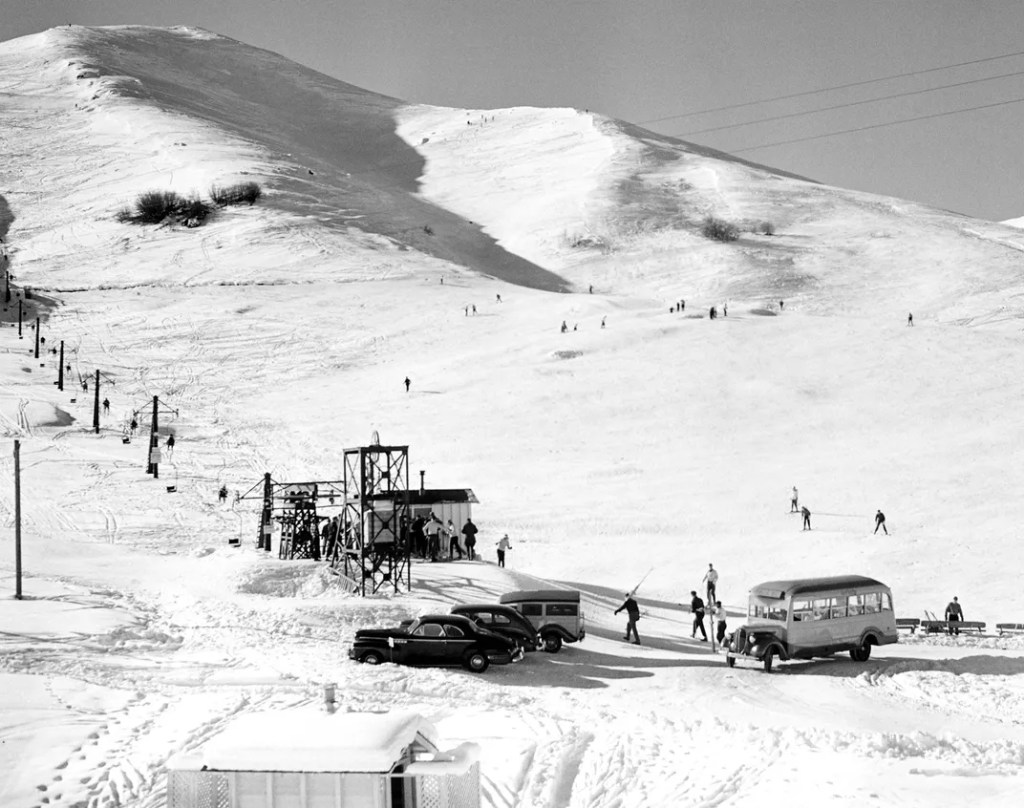
Once the design was deemed a success, railroad engineers raced to complete the necessary components. They constructed and installed everything needed to get the world’s first chairlifts off the ground in just four and a half months—just in time for Sun Valley Resort’s opening in 1936.
With its amenities, including a chairlift that offered a safe, inexpensive, and enjoyable way for skiers to rest while taking in spectacular views on the way to the top of the slope, Sun Valley was a resounding success. It became the most popular ski area in the country, with nearly all of its visitors traveling there via Union Pacific Railroad.
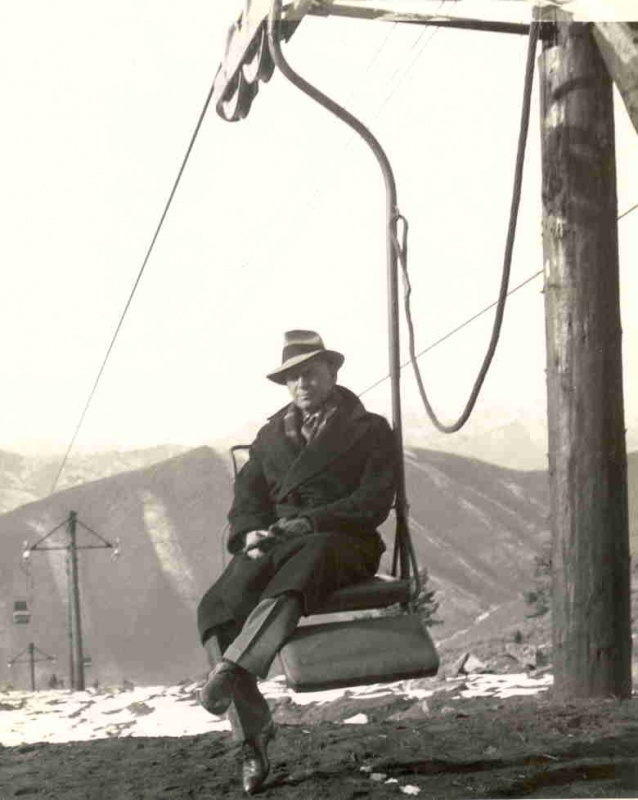
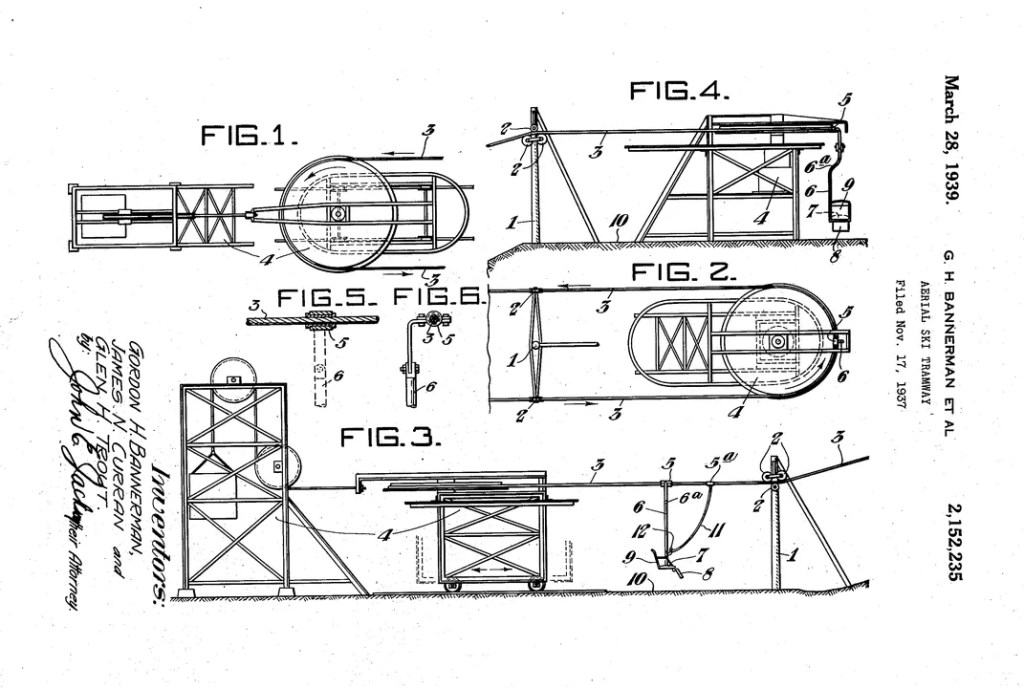
After patenting the chairlift in 1939, Union Pacific agreed that ownership would transfer to American Steel, which had helped design and manufacture many of the components and was likely to build chairs for other resorts. The agreement stipulated that the railroad could use the invention royalty-free.

Despite never having skied—or profiting personally from the idea—the Omaha native who invented the chairlift was inducted into the U.S. National Ski Hall of Fame posthumously in 2001. He was recognized by the organization as having “revolutionized the sport of skiing by designing an easy, moderately inexpensive method for skiers to ascend the mountain. The chairlift went on to become the workhorse of the ski industry, enjoyed by millions of skiers for the next 60 years. His contribution to the sport and industry of skiing has been enormous, although mostly unrecognized.”
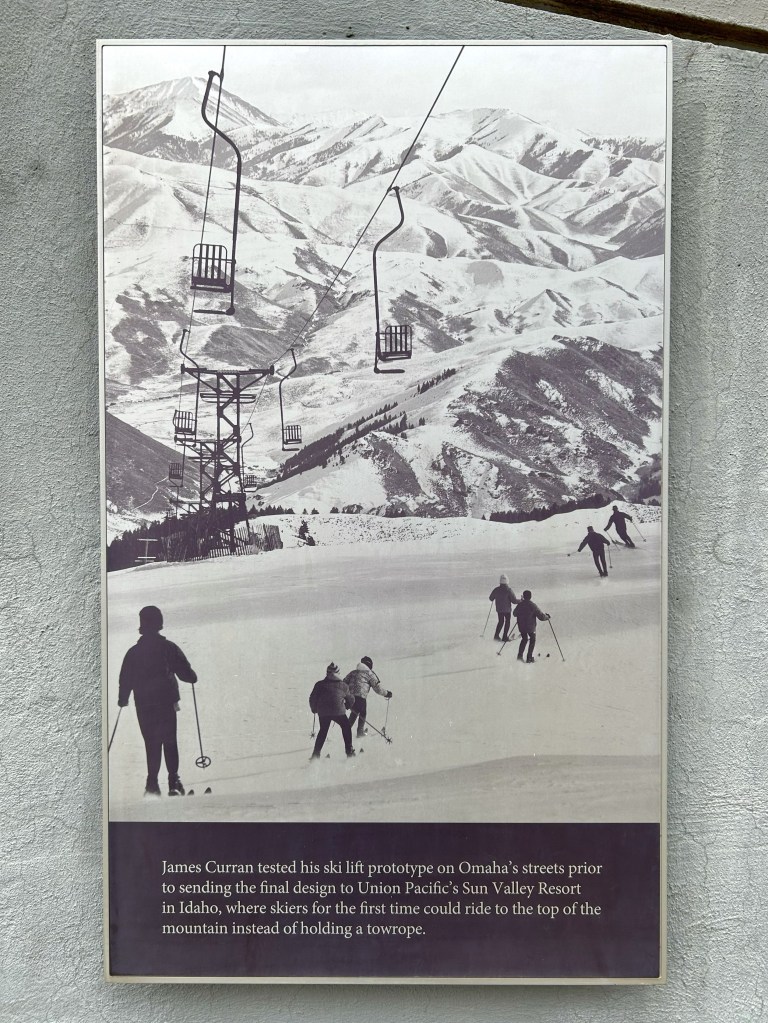
Considered one of the railroad’s top bridge engineers, James retired in 1966 and passed away just two years later. In Omaha, there’s a plaque along the wall at Kenefick Park commemorating his invention. While his original chairlifts were eventually replaced, one was moved to Rudd Mountain in Sun Valley, where it stands as a monument to the birth of the ski industry—and to his contribution.
Content written by Omaha Exploration. If you enjoy my content, you can follow or subscribe on my Facebook page, signup to receive emails or make a donation on my website. Thank you and until next time, keep exploring!
Article Featured on Grow Omaha: Local History by Omaha Exploration | Grow Omaha
Omaha Exploration is sponsored by @Rockbrook Mortgage Inc.

Click the logo to learn more
Click here to learn about opportunities to sponsor Omaha Exploration!
More pictures

Follow OE on social media!
Get an email when new content is posted
Omaha Exploration, 2025. Unauthorized use and/or duplication of this material without express and written permission from this site’s author and/or owner is strictly prohibited. Excerpts and links can be used, if full and clear credit is given to Omaha Exploration with appropriate and specific direction to the original content.
Omaha Exploration proudly supports

Contact me or click the logo to learn more
 Omaha Exploration
Leave a comment