
Preston Love once claimed that, “If New York, Chicago, and Kansas City were the major leagues of jazz, Omaha was the Triple-A. If you wanted to make the big leagues, you came and played in Omaha.”

Much of the credit for that reputation belongs to the Jewell family. Before opening his namesake building and its famous Dreamland Ballroom, Jimmy Jewell operated the Jewell & Phannix billiards parlor while his wife, Cecilia, traveled Europe as a classical singer and performer. It was their son, Jimmy Jewell Jr., who was responsible for bringing some of the country’s most popular big bands, jazz and blues acts to Omaha.

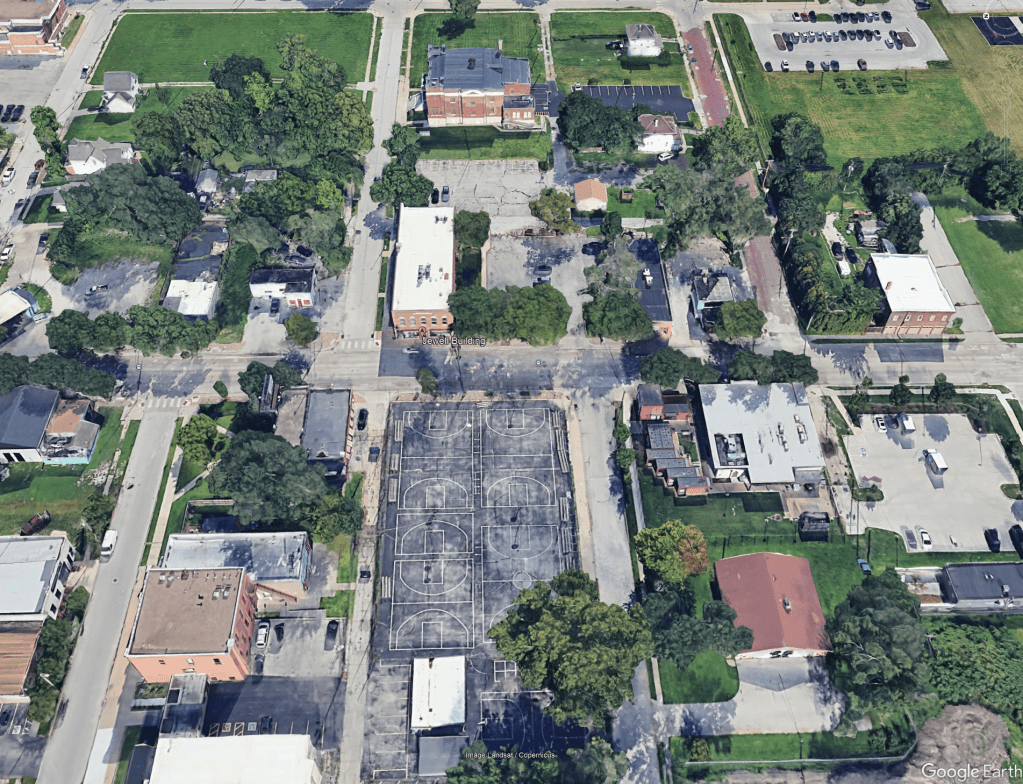
In 1923, Jimmy Jewell Sr. purchased lots at the southeast corner of 24th and Grant Streets in the Near North Side neighborhood. He hired leading architect Frederick A. Henninger to design a multi-use building that would provide musicians traveling from Chicago, Kansas City, and Minneapolis with a venue large enough to perform in while passing through Omaha.

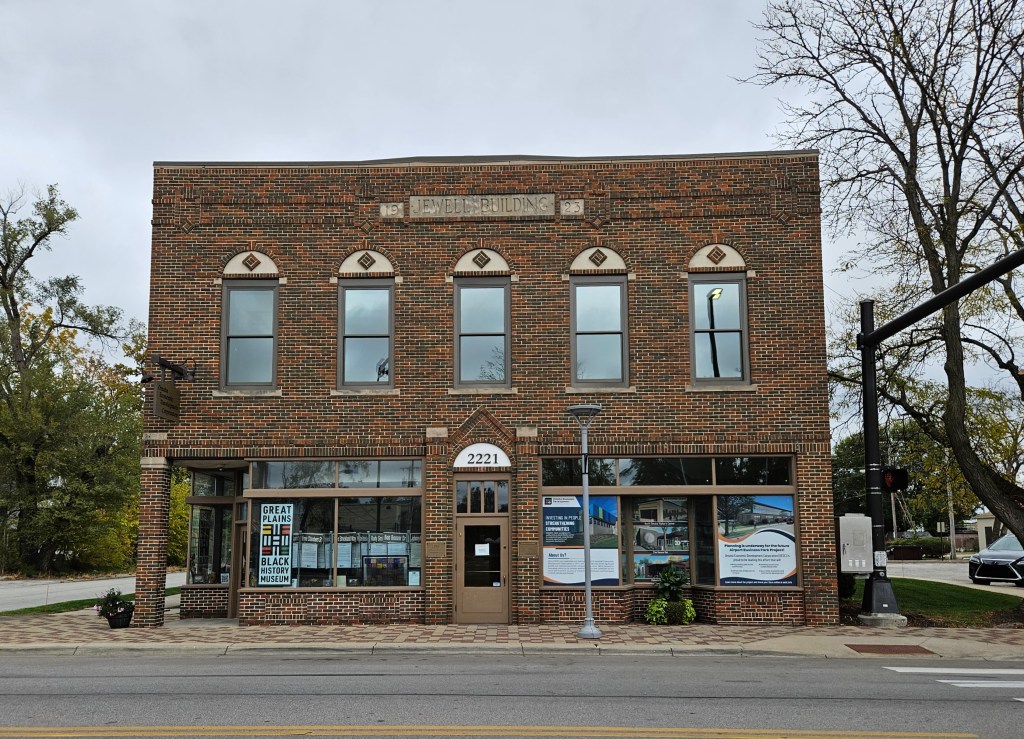
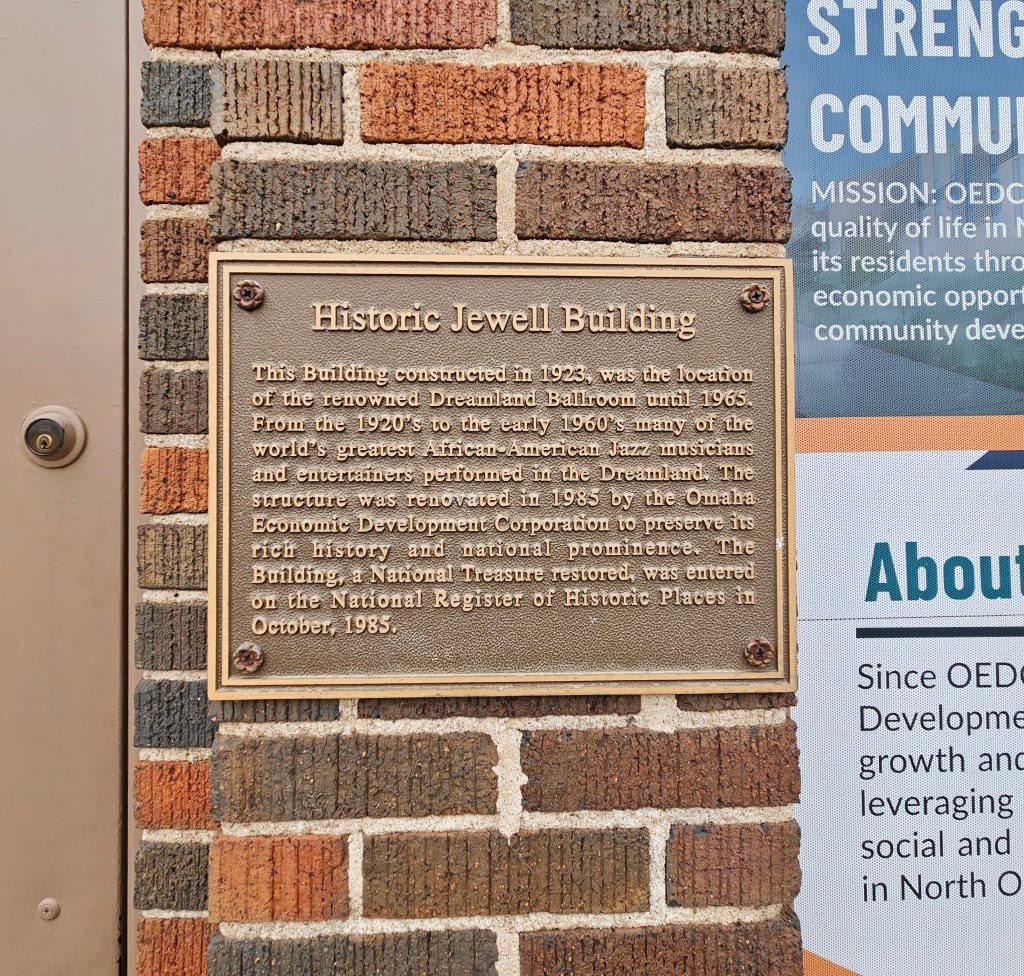
Designed in the Georgian Revival style, the two-story brick building at 2221 N. 24th Street was constructed by John Lof & Sons. The ground level featured two storefronts, the one on the north had a corner entrance while the southern entrance was recessed. Between them was a central entrance leading to two rear apartments, as well as a staircase to a large hall on the second floor. Above the door was an engraving that read, “Jewell Building – 1923.”

The Jewell Building was one of the first substantial commercial buildings built by and for Omaha’s Black community. Jimmy Jewell Sr. moved his family into one of the rear apartments, while the two storefronts became the longtime homes of the Tuxedo Billiard Parlor and the Tuxedo Barber Shop. The second floor housed the legendary Dreamland Ballroom.
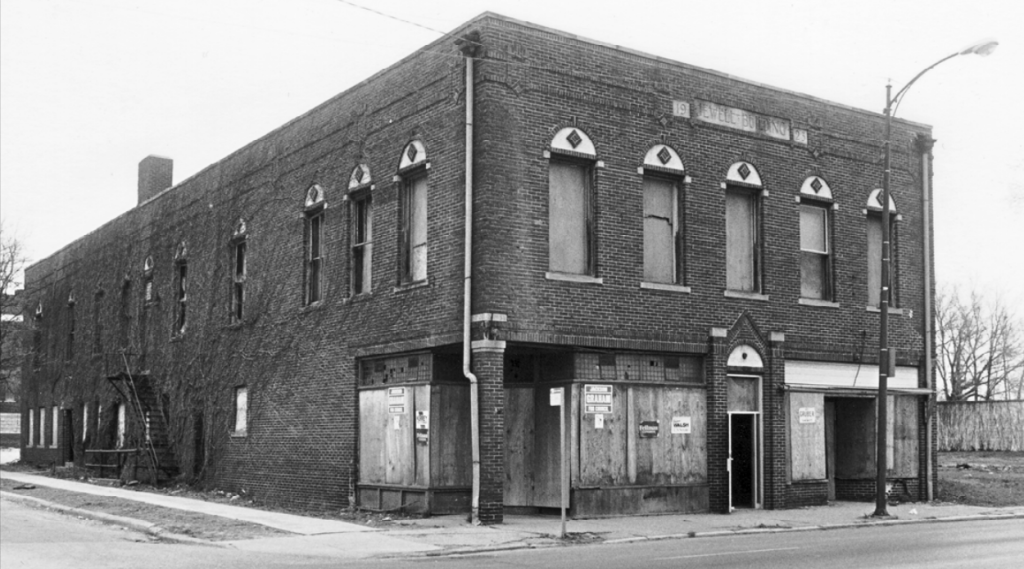
In a redlined Near North Side, the Dreamland Ballroom was envisioned as a space where Black performers could appear before audiences frequently excluded from comparable venues in other parts of Omaha. The ballroom was designed to accommodate these performances, featuring space for a 20-piece ensemble and a dance floor capable of holding up to 200 people.
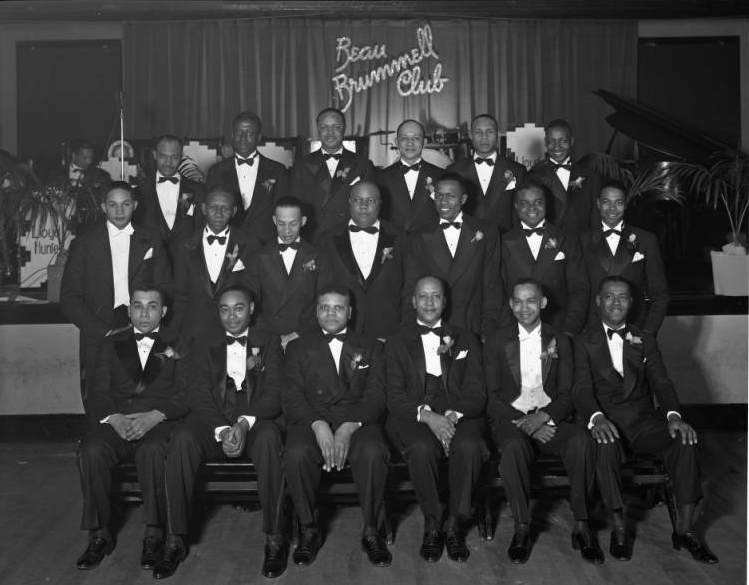
When Jimmy Jewell Sr. passed away in 1930, the bustling 24th Street corridor had earned the nickname “Street of Dreams.” Dreamland, meanwhile, solidified its reputation as Omaha’s premier nightclub. A talented musician in his own right, Jimmy Jewell Jr. assumed management of the building and ballroom at just 25 years old.

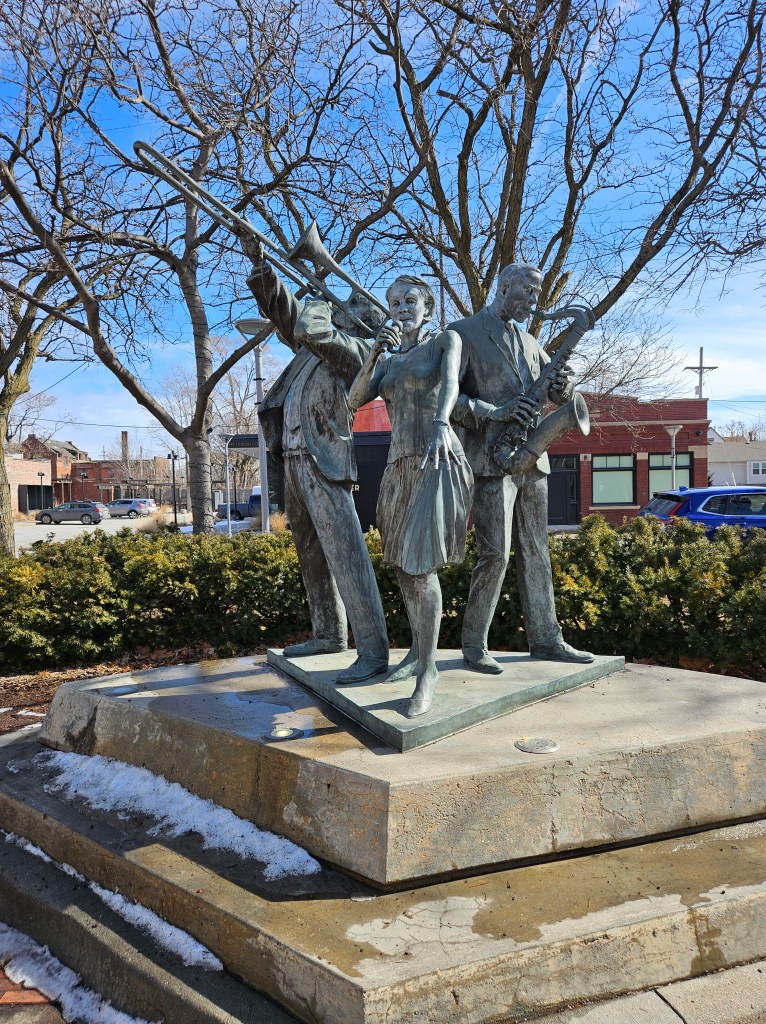
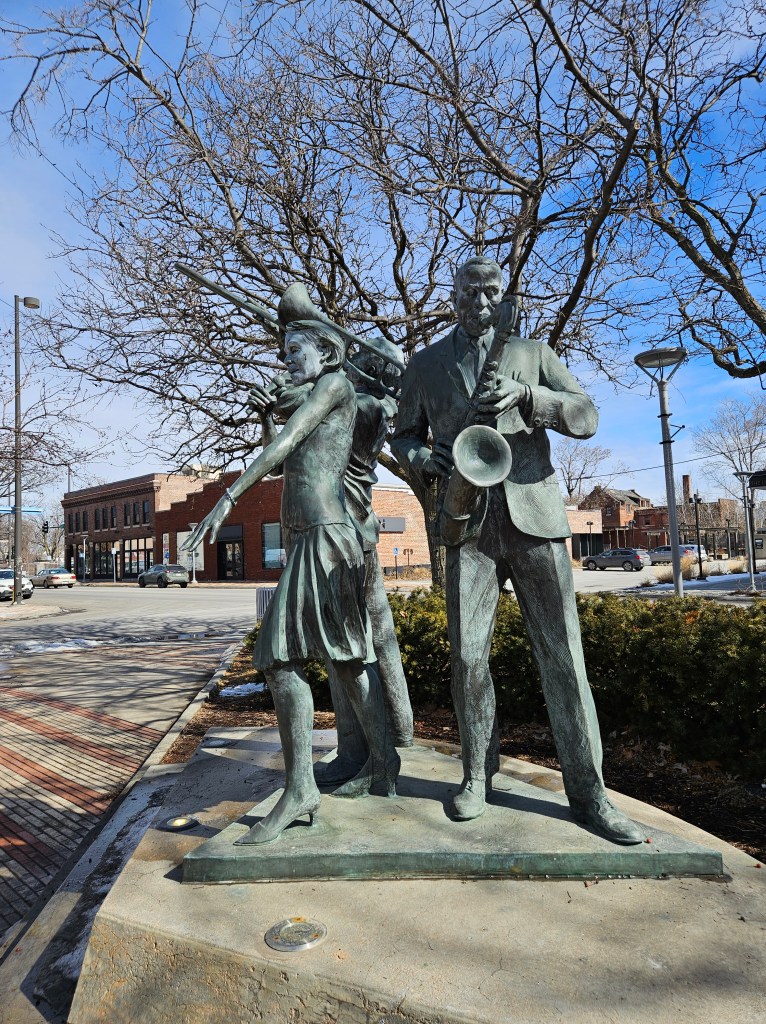
Under his leadership, Dreamland achieved national prominence by hosting some of the era’s biggest performers, including Nat “King” Cole, Duke Ellington, Count Basie, Louis Armstrong, Dizzy Gillespie, and Ray Charles. It was at the Dreamland that Omaha native Preston Love got his big break, filling in for Count Basie’s saxophonist, Earle Warren. It was a dream come true for someone that once climbed the fire escape behind the building just to listen to Basie and others perform.

During World War II, while Jimmy was serving in the United States Army, the federal government seized the Jewell Building and converted it into a United Service Organizations (USO) facility that provided free entertainment for Black soldiers. While the building was returned within a year, he successfully sued the government as he was not compensated for its use. In addition to the musical acts that performed, he invited civil rights activist Whitney Young to speak before he would go on to become executive director of the National Urban League.

After managing the Dreamland Ballroom for decades, Jimmy closed it in 1965 when it was no longer profitable. The pool hall and barber shop continued operating until he closed the building in 1975 due to health issues. The structure sat vacant for the next decade and quickly fell into disrepair.

The revival of the Jewell Building is credited to civil rights advocate Charles B. Washington, who led the effort to save it from demolition. His work resulted in the building being designated an official Omaha Landmark in 1980 and added to the National Register of Historic Places in 1983. After the Omaha Economic Development Council purchased the property, it completed an exterior restoration and interior renovation in 1985. As part of the project, the two rear apartments were restored, and the former Dreamland Ballroom was converted into office space.
The building commissioned by Jimmy Jewell Sr. more than a century ago continues to serve as an anchor of the North 24th and Lake Streets Historic District and is widely regarded as one of the most important structures in all of North Omaha. Today, it is home to the nationally renowned Great Plains Black History Museum, 100 Black Men of Omaha, Inc., the National Association for the Advancement of Colored People (NAACP), and the Omaha Economic Development Corporation. Meanwhile, Jimmy Jewell Jr.’s legacy lives on through The Jewell on Capitol, Omaha’s premier jazz club, which proudly bears his name.
Content written by Omaha Exploration. If you enjoy my content, you can follow or subscribe on my Facebook page, signup to receive emails or make a donation on my website. Thank you and until next time, keep exploring!
Article Featured on Grow Omaha: Local History by Omaha Exploration | Grow Omaha
Omaha Exploration is sponsored by @Rockbrook Mortgage Inc.
Click the logo to learn more
Click here to learn about opportunities to sponsor Omaha Exploration!
More pictures

Follow OE on social media!
Get an email when new content is posted
Omaha Exploration, 2025. Unauthorized use and/or duplication of this material without express and written permission from this site’s author and/or owner is strictly prohibited. Excerpts and links can be used, if full and clear credit is given to Omaha Exploration with appropriate and specific direction to the original content.
Omaha Exploration proudly supports

Contact me or click the logo to learn more
 Omaha Exploration
Leave a comment