
In the heart of Little Bohemia stands the Prague Hotel, built by Gottlieb Storz to serve as the hub of the Czech community’s cultural and social life. At the time, it held the unique distinction of being the only hotel between Chicago and the Pacific Coast dedicated specifically to Czech immigrants.
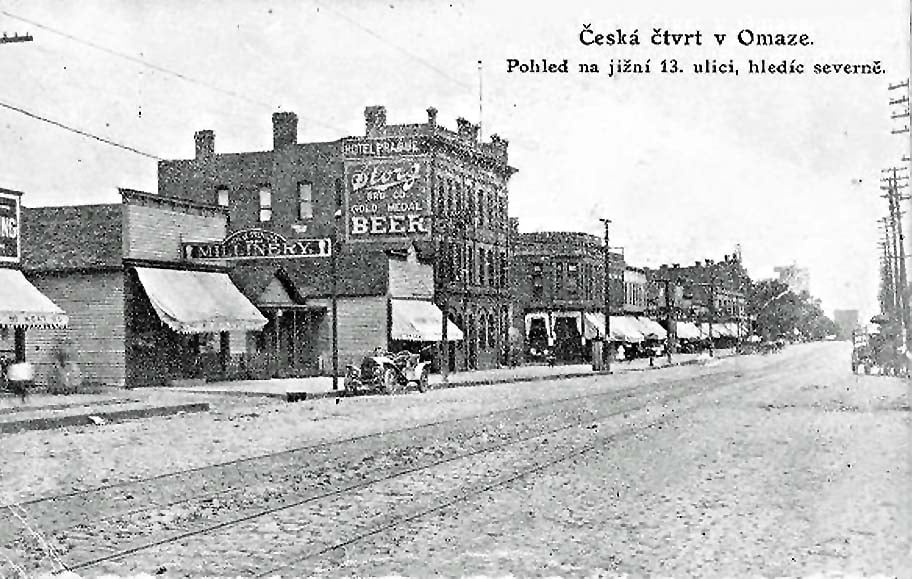
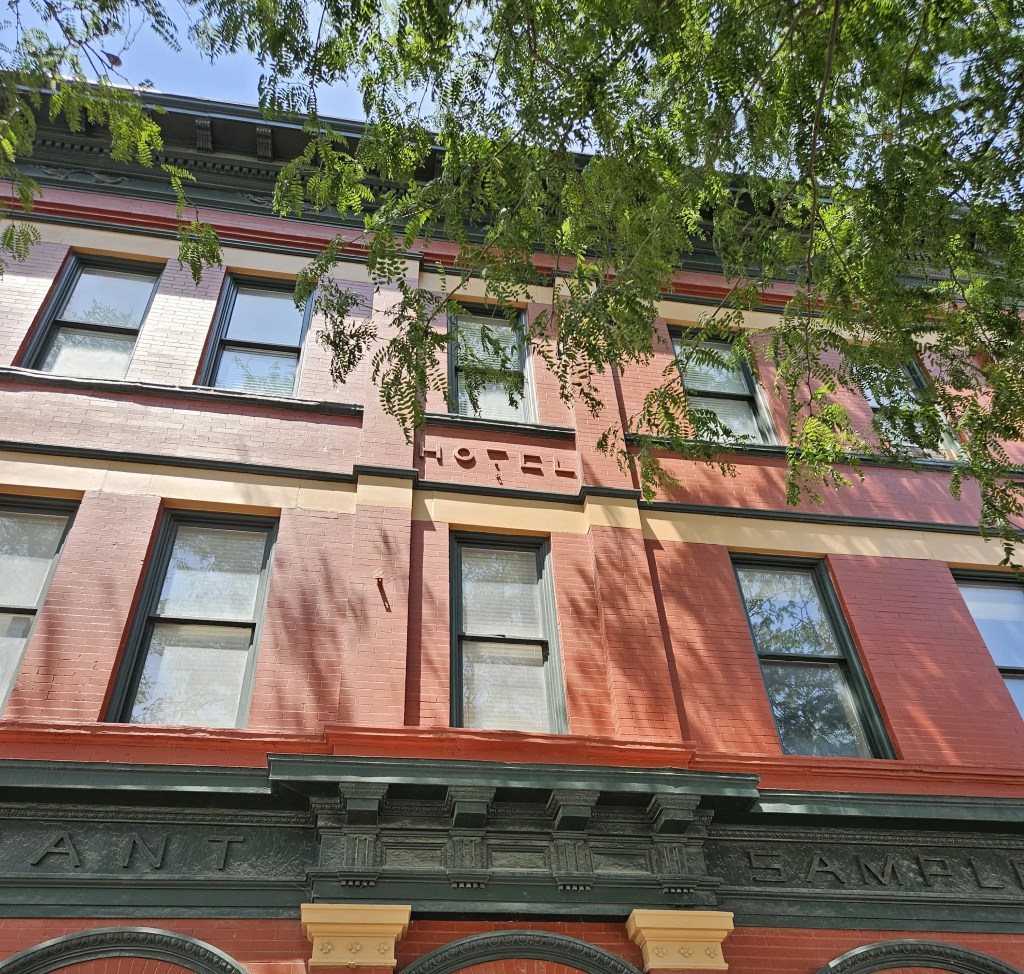
Designed by Joseph Guth and constructed in 1898, the rectangular three-story brick building at the southwest corner of 13th and William Streets integrates a variety of architectural styles popular at the time, giving the structure its eclectic appearance. Its features include a recessed corner entrance at street level supported by a round cast-iron column. A bit farther south, flanked by windows set within brick arches, is the second-floor entrance. On its eastern façade is a decorative metal cornice that extends along the front.

Inside the main entrance on the first floor were a restaurant and tavern. Given that it was owned by Storz, it was no coincidence that the tavern provided guests and neighbors with easy access to his beer. The kitchen for the restaurant was located in the basement, while the second floor included guest rooms. The third floor housed the ballroom and meeting space.

The hotel helped ease the transition for new immigrants and even appealed directly to women with a sign in Czech that read: “Prague Hotel, Ladies Are Invited.” The building was used by fraternal clubs for meetings, dances, dramatic productions, and private parties alike. Edward Rosewater, a Czech immigrant himself, published advertisements in his Omaha Bee newspaper listing the hotel’s room and board rates at $4.50 and up. Well known in Czech circles around the world, it hosted many prominent travelers, including the foreign minister of Czechoslovakia.

With Prohibition picking up steam nationwide, Storz opted to sell the hotel in 1915. Joseph and Marie Pivonka purchased it and converted the third floor into additional guest rooms to accommodate even more immigrants. The restaurant developed a reputation for offering authentic Bohemian cuisine and specialized in dishes such as shrimp, frog legs, and steaks. After Prohibition went into effect in Nebraska, Joseph and his bartender were arrested when 30 bottles of fine wine and whisky were discovered beneath several bushels of potatoes stored in a basement stairway.
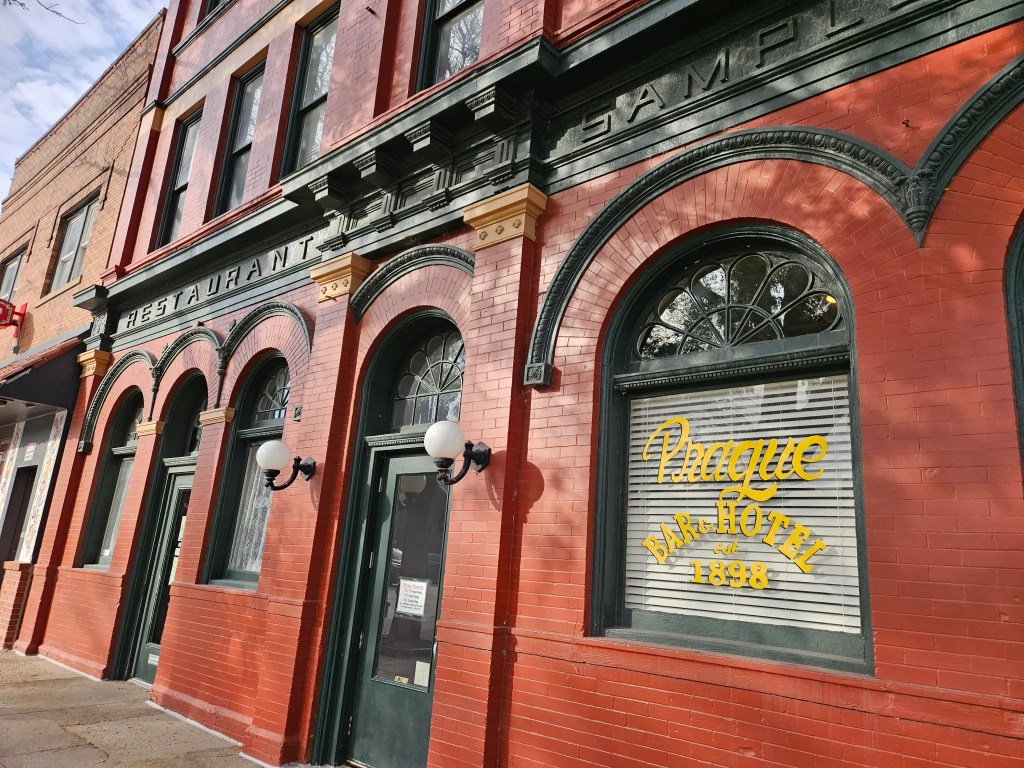
The neighborhood continued to evolve with the opening of the Bohemian Café in 1924 and Sokol Auditorium in 1926. The Bohemian Café became the destination for authentic cuisine, while Sokol became the new epicenter of social activities. The Prague continued to thrive and remained a focal point for both visitors and commerce. The hotel began appealing to travelers, including ranchers in town to deliver cattle to the stockyards. It also became an important meeting place for politicians and professionals.
The hotel remained in the Pivonka family as it was taken over by their daughter Zeda and her husband, Jerry Kostinec. Despite its popularity, it was forced to close for a time during World War II as the women who worked there returned to their family farms after many of their brothers were called into service. When it reopened, it was under the management of its cook, Vaclav Fisher — the man responsible for the Czech dishes that made the restaurant famous. After more than 30 years, the Pivonka family sold the hotel in 1947.

Though it lost some of its luster in the decades that followed, the restaurant remained popular. Instead of serving authentic cuisine that appealed to the neighborhood, it developed a reputation for its large sandwiches, which sold for just a buck. When it was listed for sale in 1979, the hotel with its 19 guest rooms and six apartments was advertised as including a “nice bar with super sandwiches.”
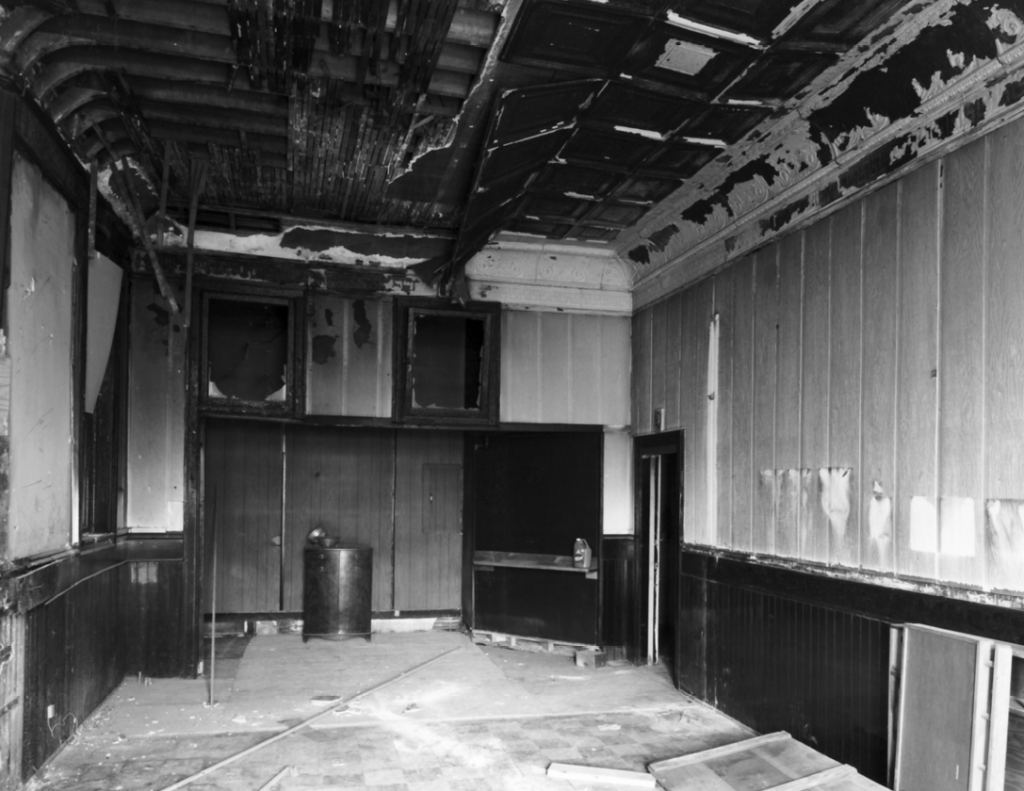
By the early 1980s, it primarily appealed to people with lower incomes as its rooms were available for $35 per week. After the owner failed to obtain permits for renovations, the building was deemed unlivable due to illegal electrical work, improper drainage from sinks, and the persistent odor of gas. The structure was condemned in 1985.
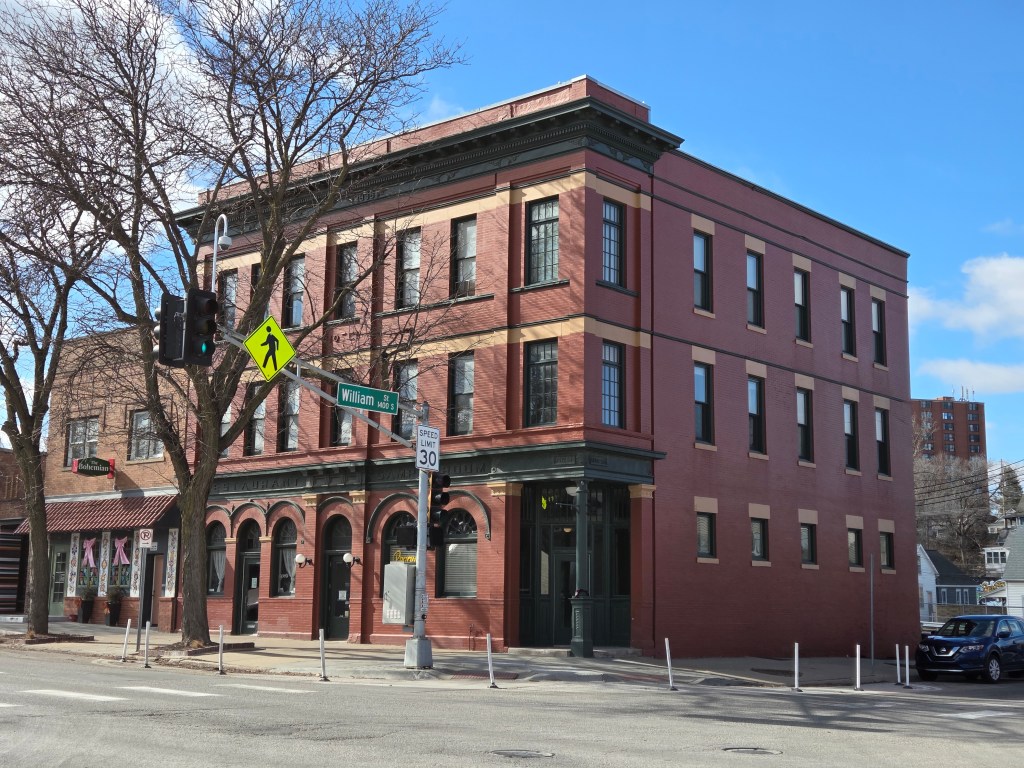
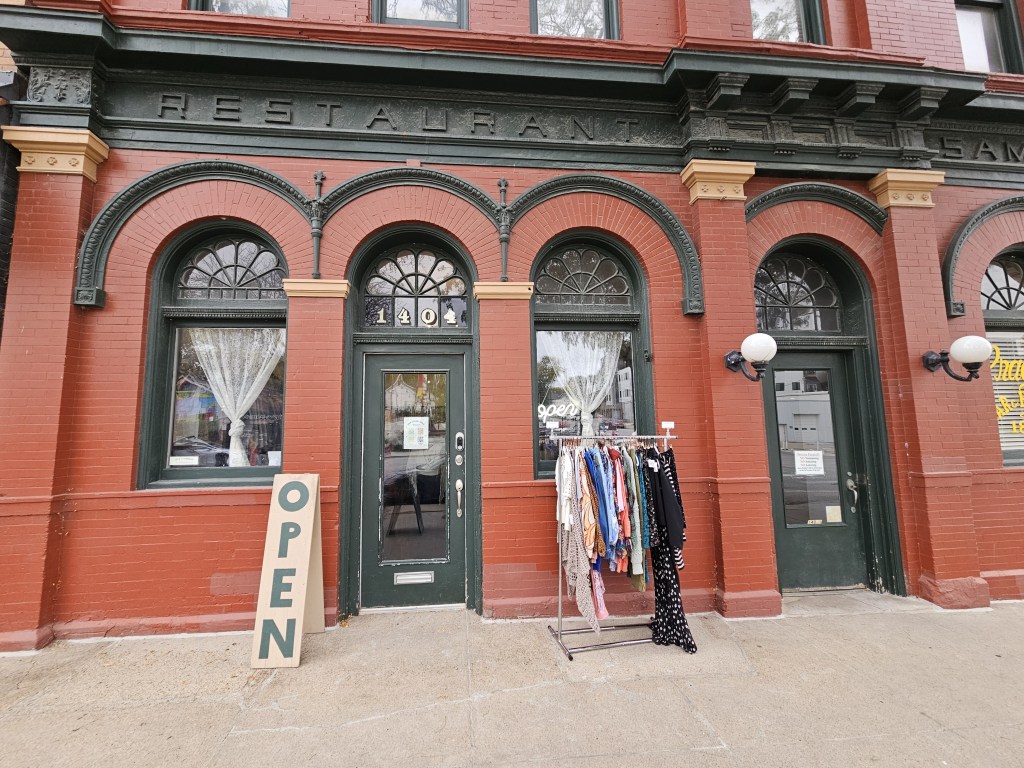
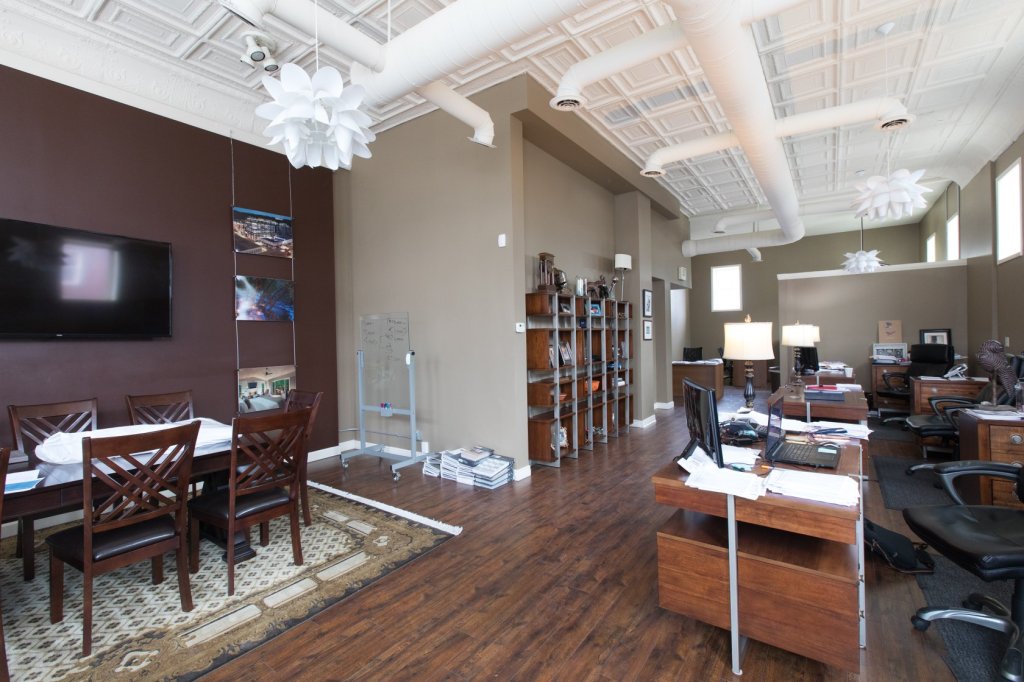
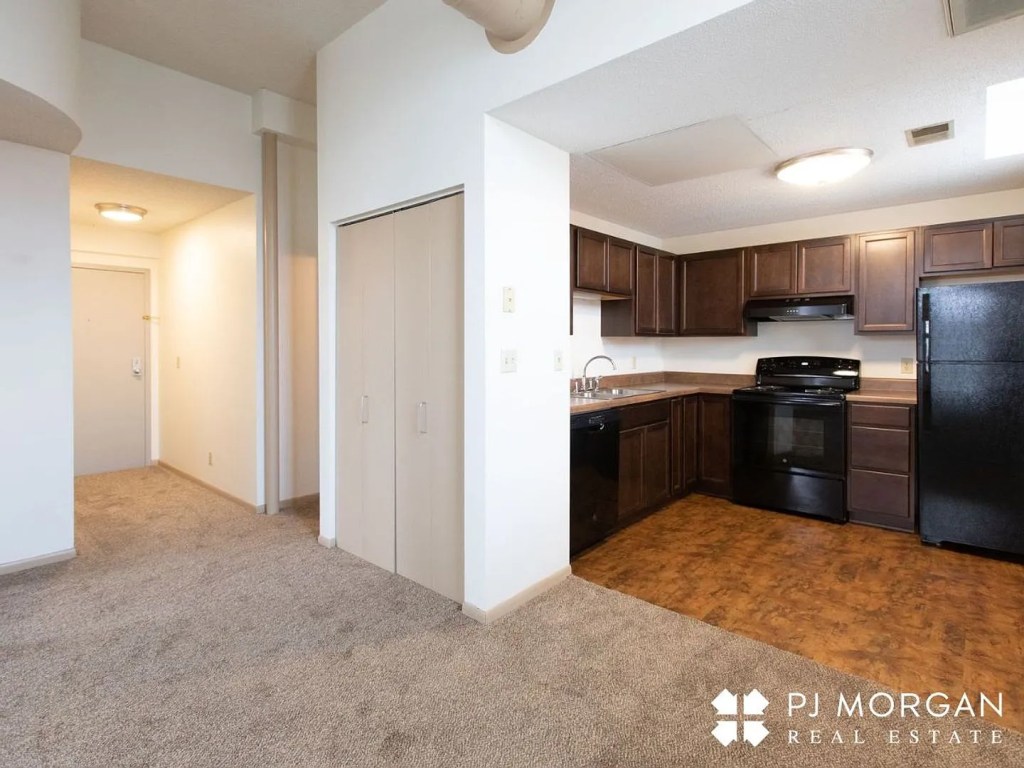
Fortunately, the old Prague Hotel found new life in 1987 when it was gutted and rehabilitated by local architectural firm Prochaska and Associates. The firm was recognized for its work on the building which was added to the National Register of Historic Places. The exterior remains intact and as impressive as ever. Today, the building contains two commercial spaces on the main floor, along with 11 studio and one-bedroom apartments located in the basement, second, and third floors.
Content written by Omaha Exploration. If you enjoy my content, you can follow or subscribe on my Facebook page, sign up to receive emails or make a donation on my website. Thank you and until next time, keep exploring!
Article Featured on Grow Omaha: Local History by Omaha Exploration | Grow Omaha
Omaha Exploration is sponsored by @Rockbrook Mortgage Inc.

Click the logo to learn more
Click here to learn about opportunities to sponsor Omaha Exploration!
More pictures




Follow OE on social media!
Get an email when new content is posted
Omaha Exploration, 2025. Unauthorized use and/or duplication of this material without express and written permission from this site’s author and/or owner is strictly prohibited. Excerpts and links can be used, if full and clear credit is given to Omaha Exploration with appropriate and specific direction to the original content.
Omaha Exploration proudly supports

Contact me or click the logo to learn more
 Omaha Exploration
Leave a comment