

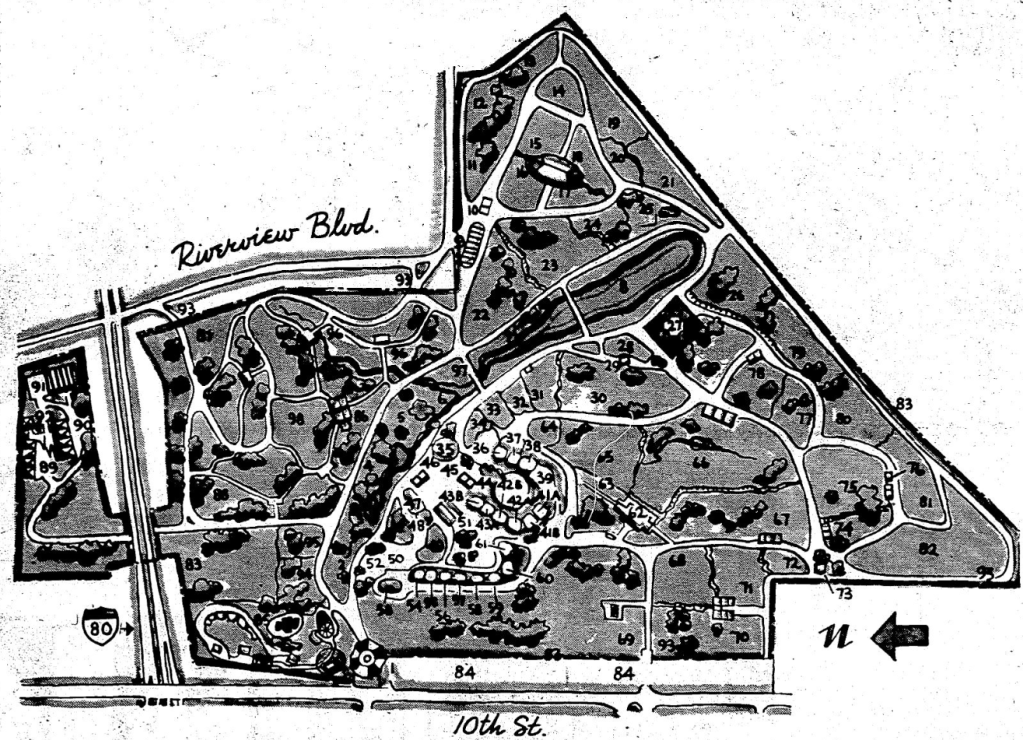
In a previous post, we explored the origins of Henry Doorly Zoo which started its life as Riverview Park before the turn of the century. If you missed it, you can read it below. In this post, we’ll focus on its evolution after it was renamed.
During her youth, Margaret Hitchcock Doorly, developed a love of animals while spending time on the Crouse Farm in Fort Calhoun. The farm belonged to her grandfather, Lorenzeo Crouse who among other things served as Nebraska’s Governor. It made send then that after the passing of her husband Henry Doorly in 1961, she donated $750k to the zoo with the stipulation that they name after him. Henry was an influential figure that served as the chairman of the Omaha World-Herald, the newspaper which had been founded by her father, Senator Gilbert Hitchcock.


Margaret who passed away herself in 1964 made it clear that the intent of the donation was to transform Riverview Park into a fine zoo in its own right by enlarging, expanding and beautifying it. She did not want the animals to be confined to cages but instead to have as much freedom as possible. Establishing a zoo in this manner required more space. To realize these goals, the Omaha Zoological Society had to travel and learn from peer zoos. The society also reorganized itself as a non-profit which would seek funding from paid entry fees to the zoo in addition to donations.

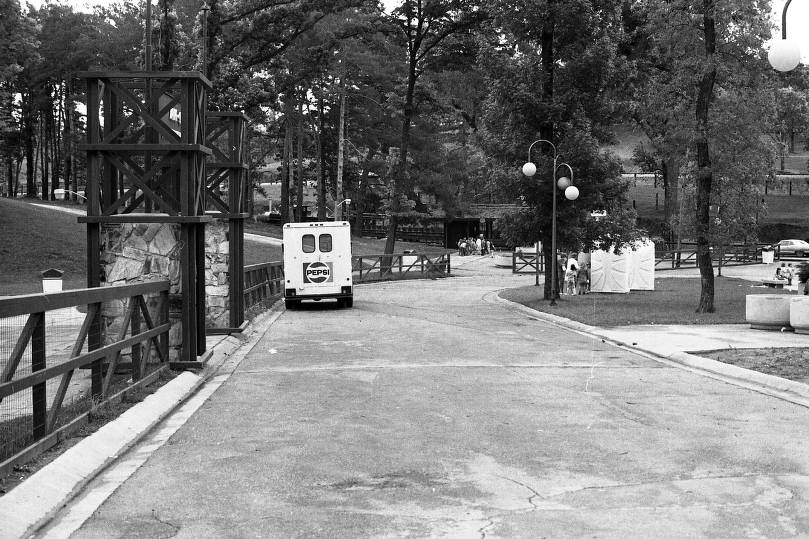
The Henry Doorly Zoo was built out in three, five year stages. The first phase of the zoo included buildings and habitats for bears, gorillas and orangutans. The buildings were designed by architecture firm Leo A. Daly.

Union Pacific proceeded to install 2 ½ miles of track throughout the zoo while Eppley Pachyderm Hill was opened on the site of the old baseball field at Riverview Park. As the old park made way for the new zoo, residents in the area were left without a park of their own. Eventually Riverview Park was replaced with George F. Lynch Park on 20th and Center.

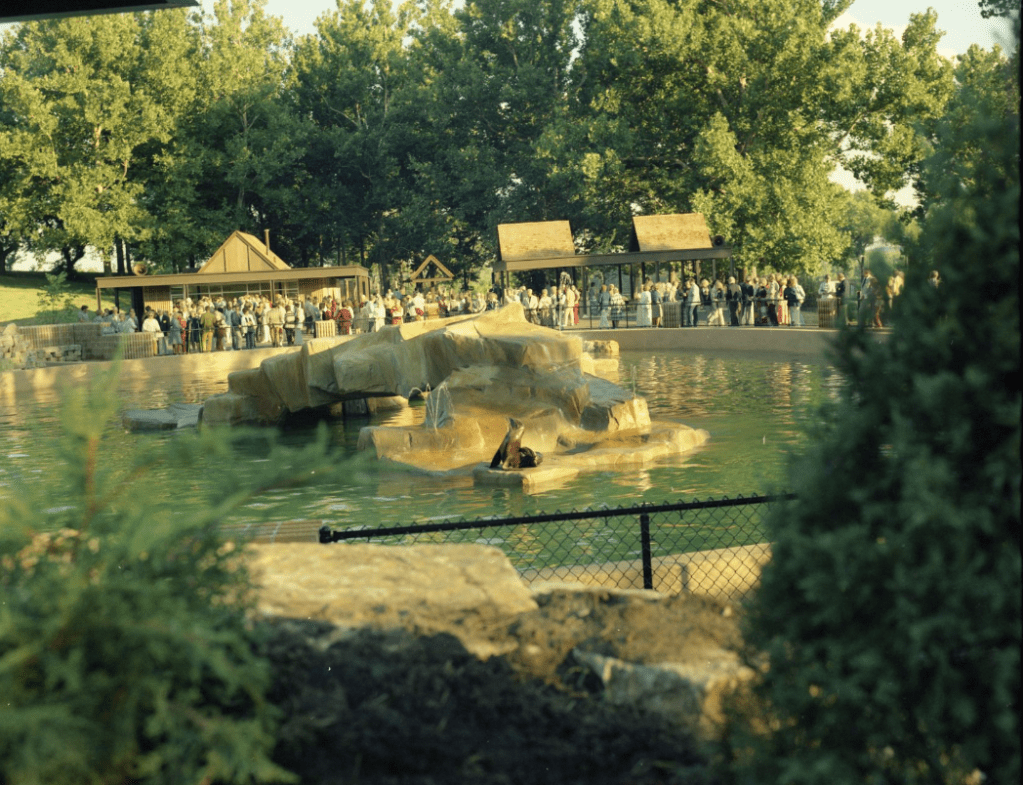
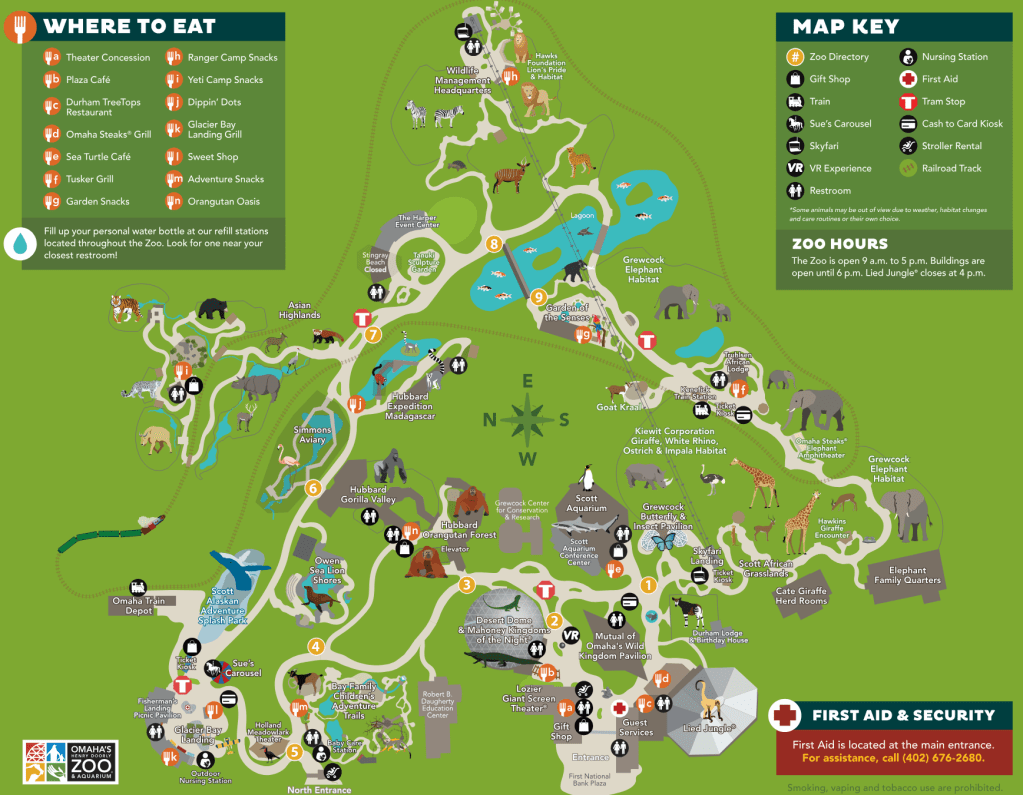
The public swimming pool which opened in 1916 only to be buried in 1944 was rediscovered in 1970 and was used to construct the Owen Sea Lion Pavilion. The zoo continued to expand through the 1970’s and by 1977 it had the largest cat complex in North America. The 1980’s saw the opening of the world-second largest walk-thru aviary. A 70,000 gallon aquarium followed in the area that used to be a museum. Mutual of Omaha’s Wild Kingdom Pavilion opened in 1987.

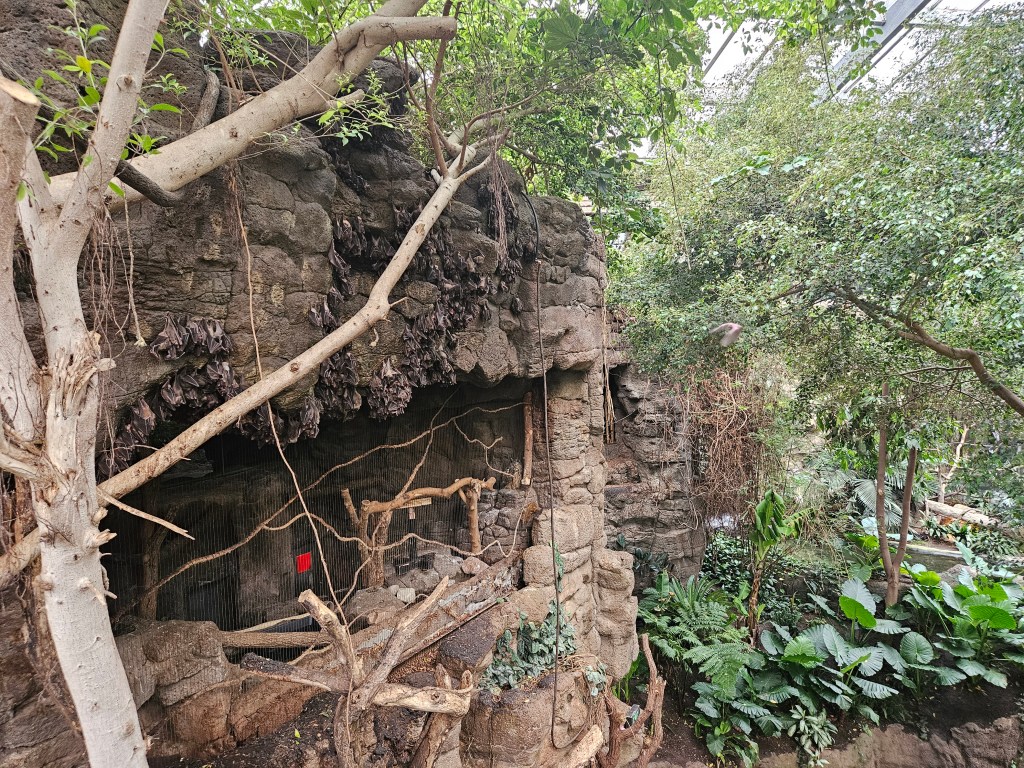
The 1990’s saw the addition of Dairy World, the children’s petting zoo which was later replaced by Carousel Plaza. The zoo also added the world’s largest indoor rain forest – the Lied Jungle. It closed the old aquarium to make way for the Suzanne and Walter Scott Aquarium two years later. Garden of the Senses opened in 1998 followed by Sue’s Carousel. The 2000’s saw the zoo open two more attractions that were considered to be the largest in the world. They included the Desert Dome and Kingdom of the Night – the largest indoor desert and swamp. The opening of Hubbard Gorilla Valley allowed the gorillas to roam freely. Skyfari followed to allow guests a birds eye view of the zoo.
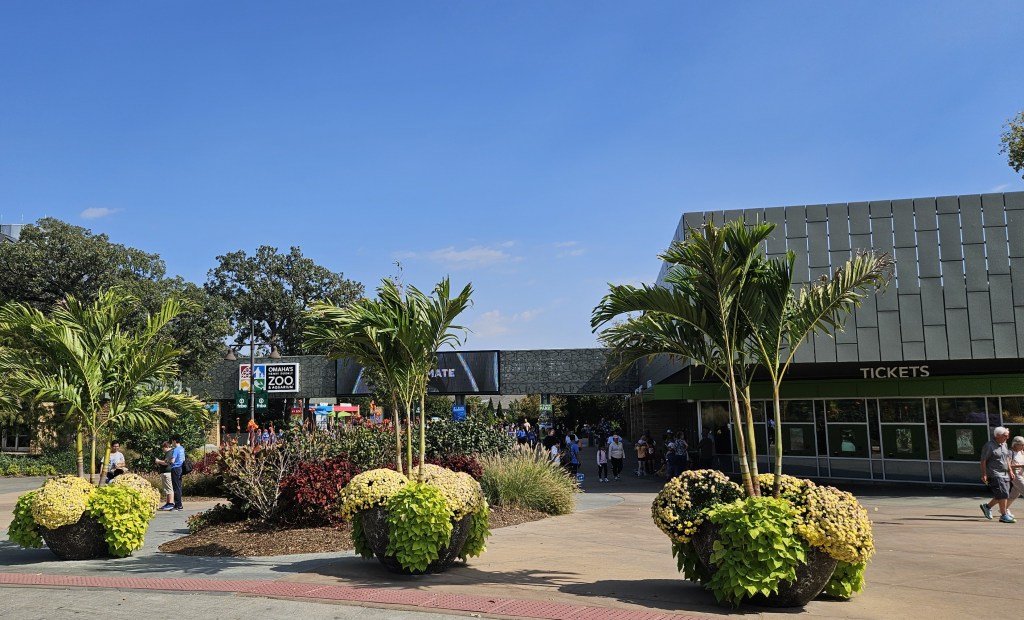
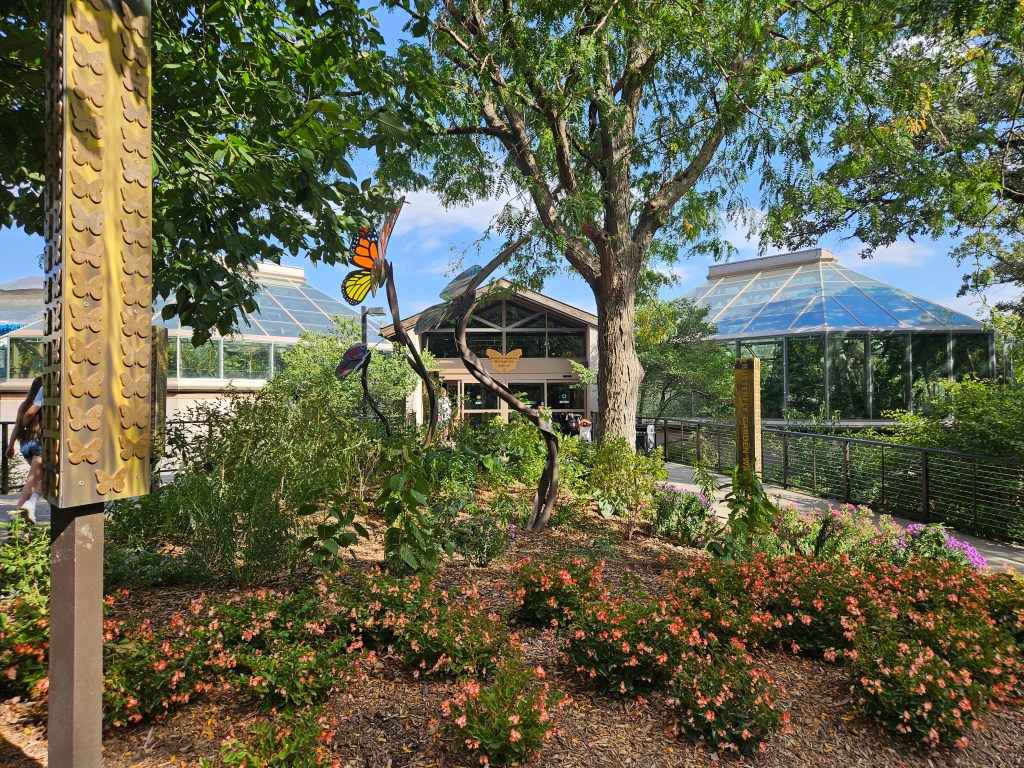
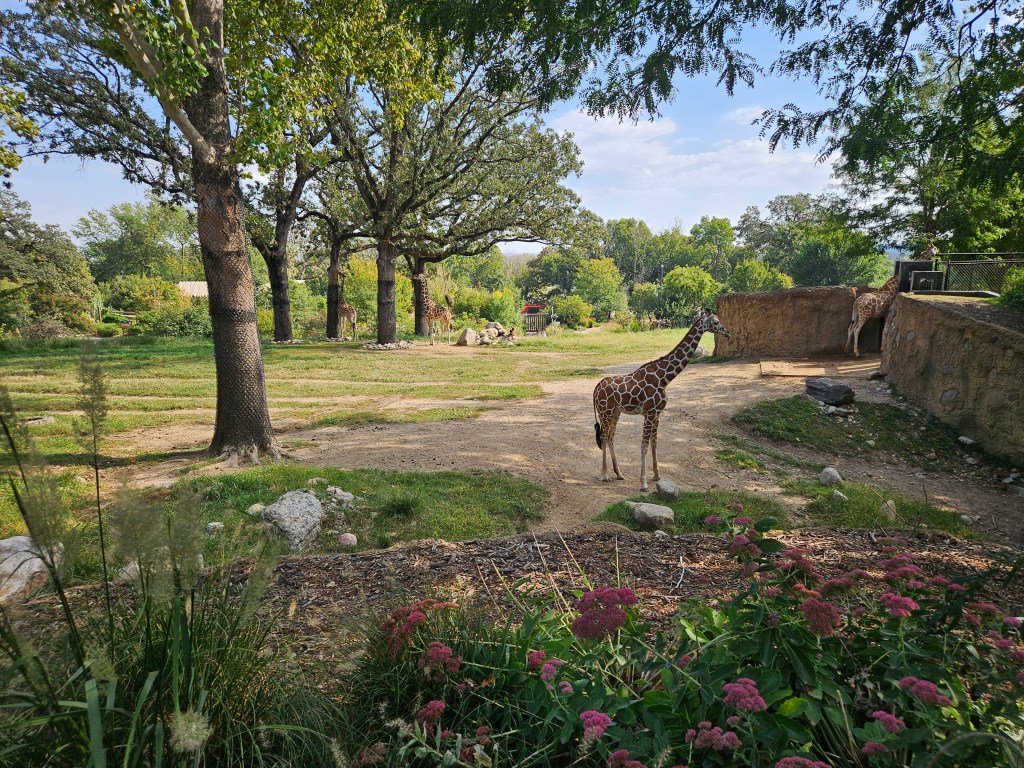
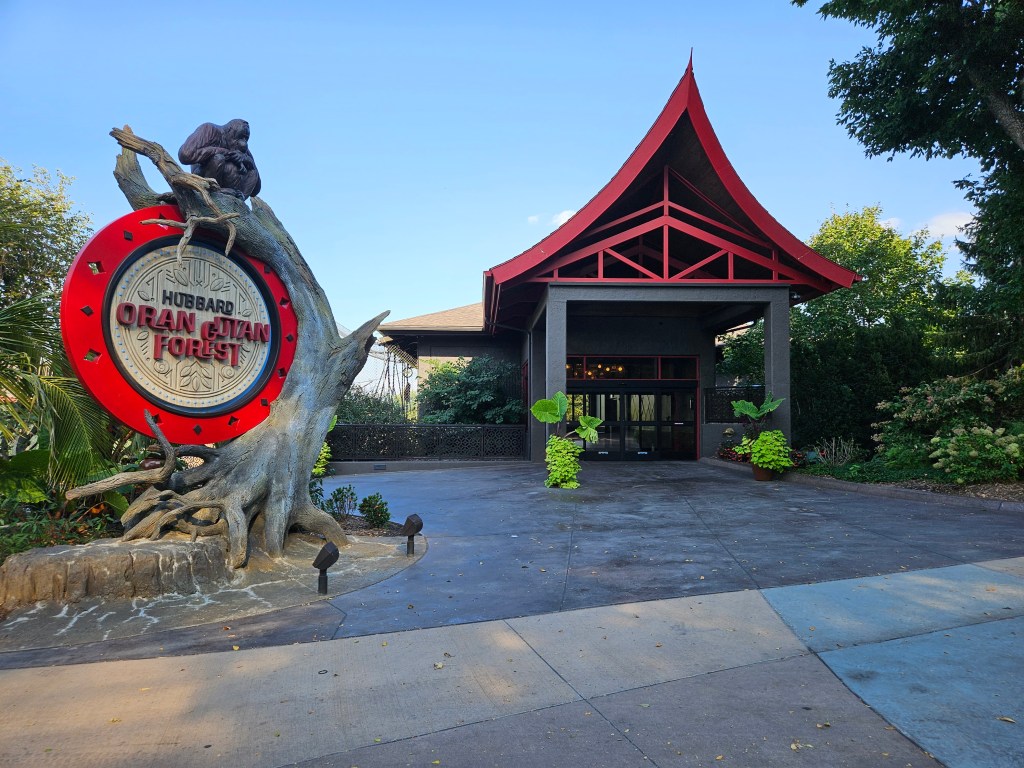
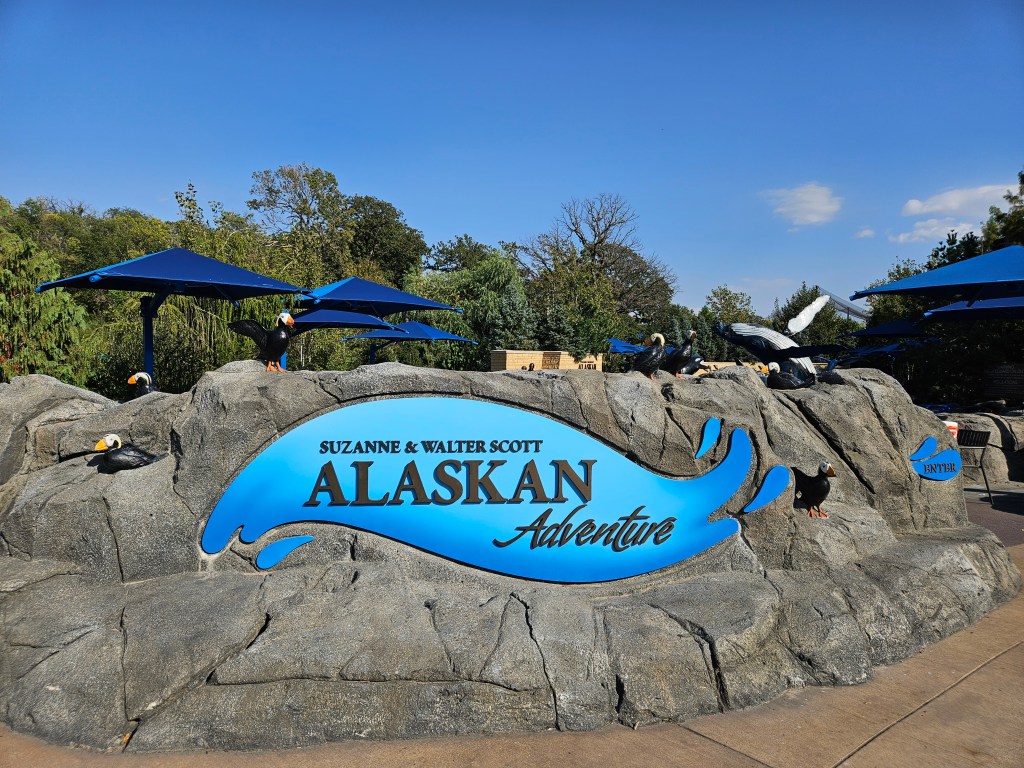
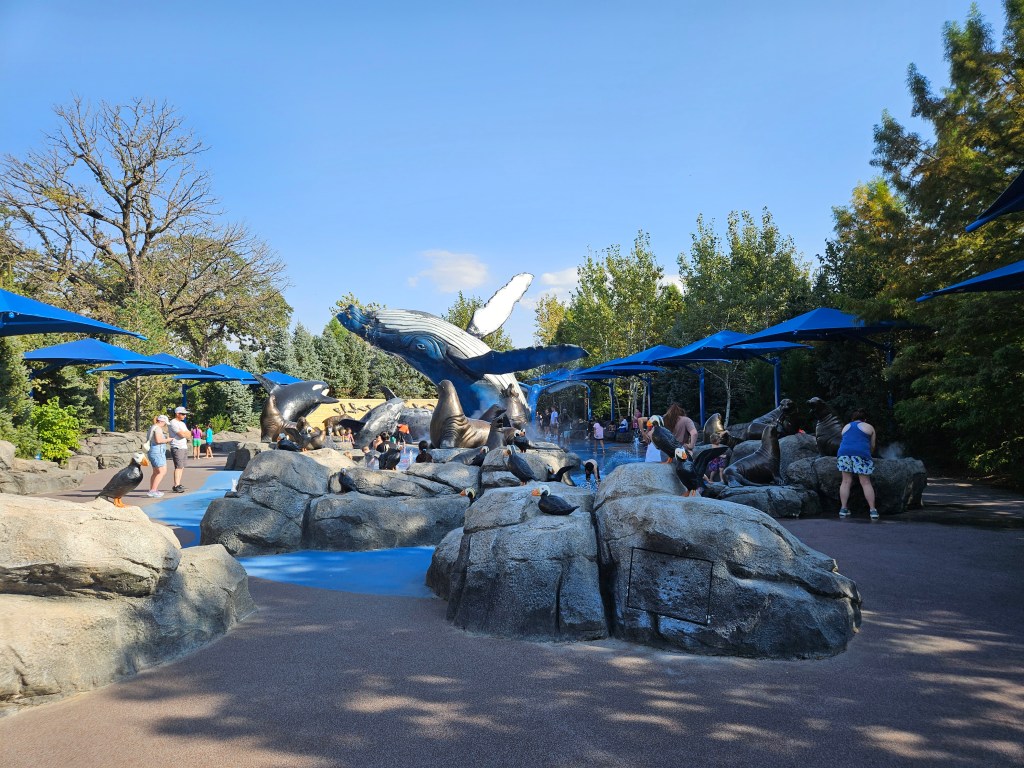
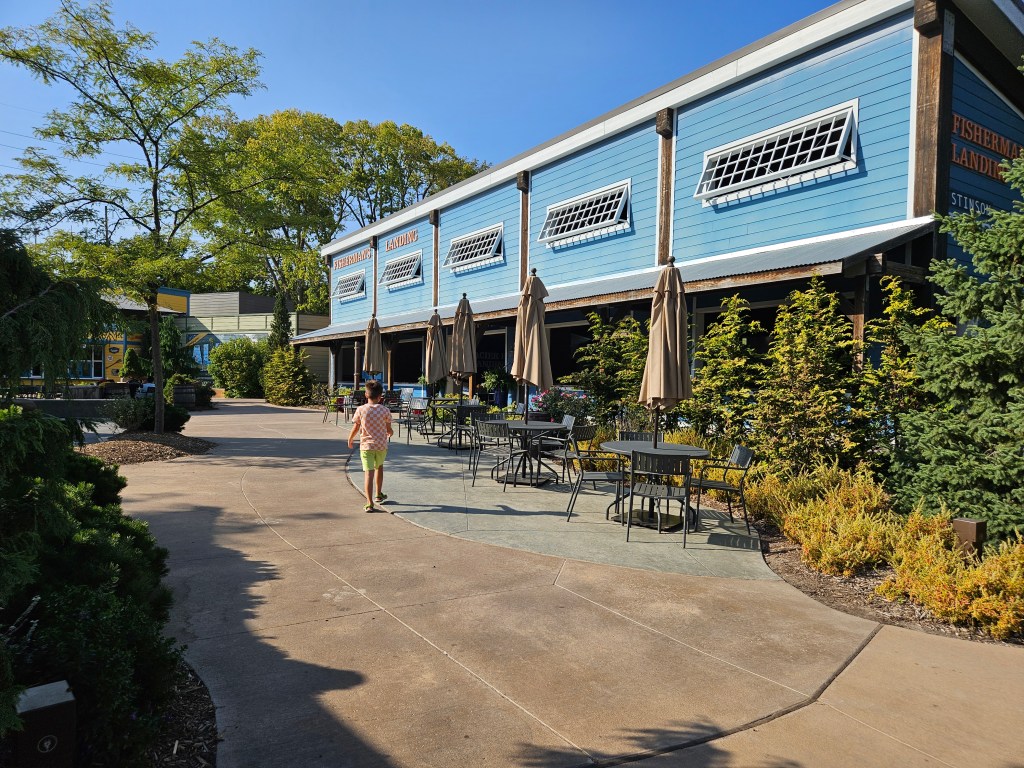
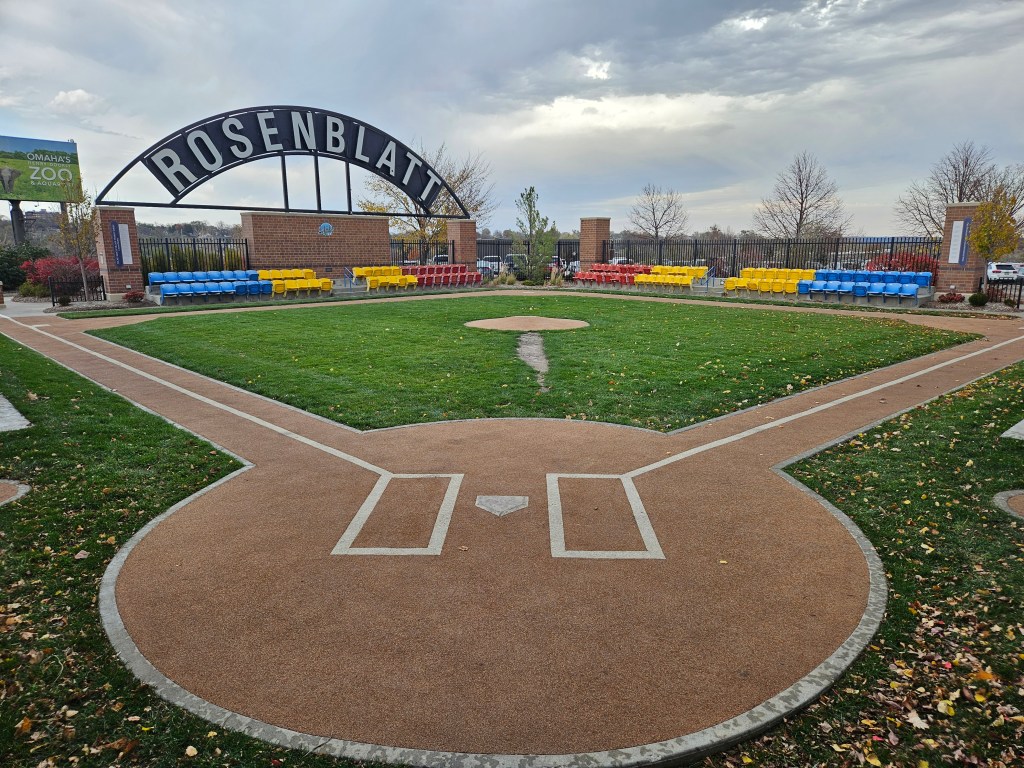
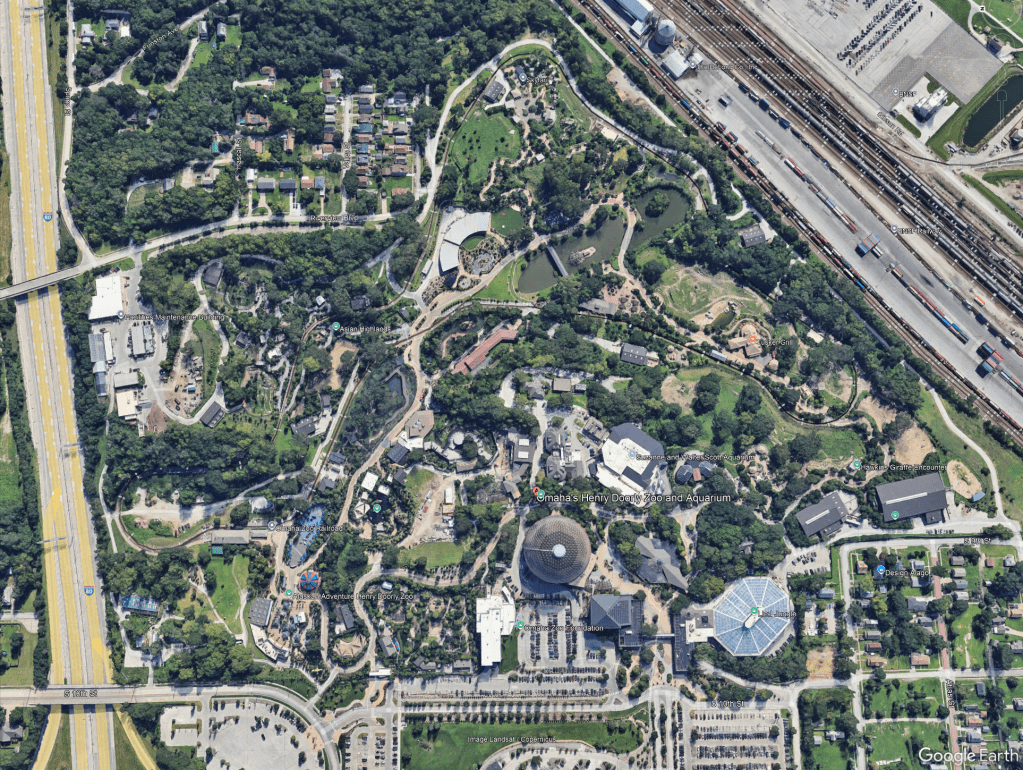
Change continued at a fast and furious pace in the 2010’s as Expedition Madagascar opened and the aquarium was renovated. Henry Doorly Zoo proceeded to acquire the site of its longtime neighbor, Rosenblatt Stadium for $12M after the city replaced it with a new stadium downtown. While the zoo used the land for parking and a visitor center, it did pay tribute to the old ball field by opening the Infield at the Zoo exhibit which includes a miniature ball field, old bleachers from Rosenblatt, home plate located in the exact same location and foul poles. Following that the zoo opened Stingray Beach, African Grasslands, Bay Family Adventure Trails, Asian Highlands, Glacier Bay Landing and Owen Sea Lion Shores. The 160-acre zoo continues to expand with the recent opening of the Hubbard Orangutan Forest in 2024.

Since Margaret Hitchcock Doorly made the donation that established the Henry Doorly Zoo, it has been named the best in the country and among the best in the world. In 2016 alone it attracted more than two million visitors and resulted in an economic impact of $267M to the City of Omaha $216M to the State of Nebraska. The zoo has also been recognized in animal conservation and research, through its Center for Conservation and Research. Its mission today includes conservation, research, recreation and education. Each is represented by the squares in its logo.
Content written by Omaha Exploration. If you enjoy my content, you can follow or subscribe on my Facebook page or signup to receive emails on my website. Thank you and until next time, keep exploring!
Omaha Exploration is sponsored by @Rockbrook Mortgage Inc.
More pictures












Subscribe
Type your email address below to be notified when a new story is posted.
Follow me on
Sponsor
Please contact me if you’re interested in sponsoring Omaha Exploration page: https://omahaexploration.com/contact-me/


 Omaha Exploration
Leave a comment