

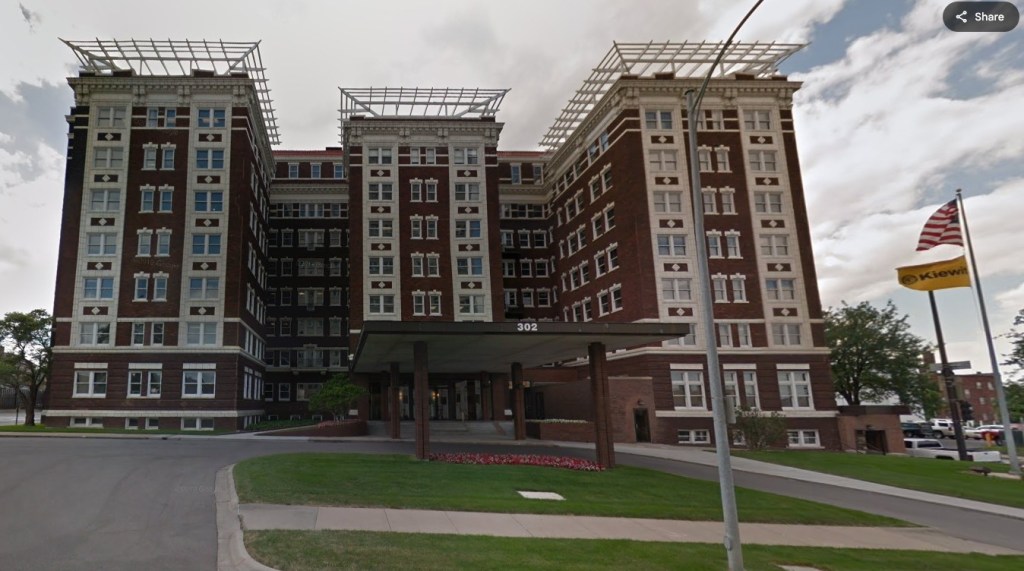
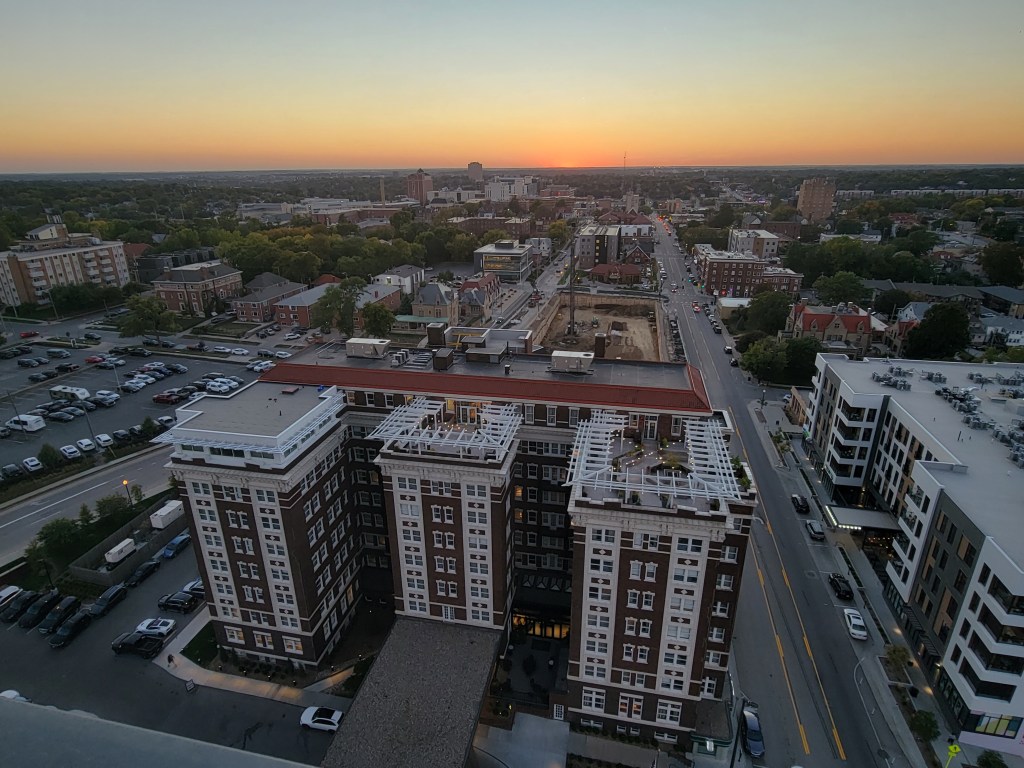
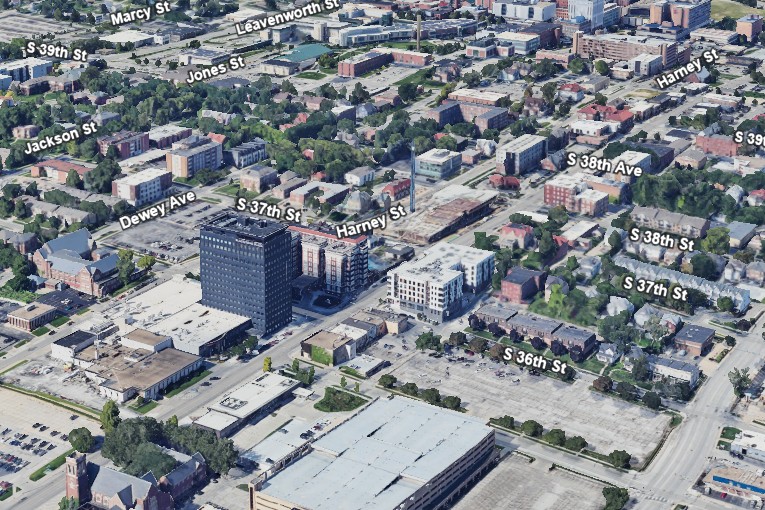
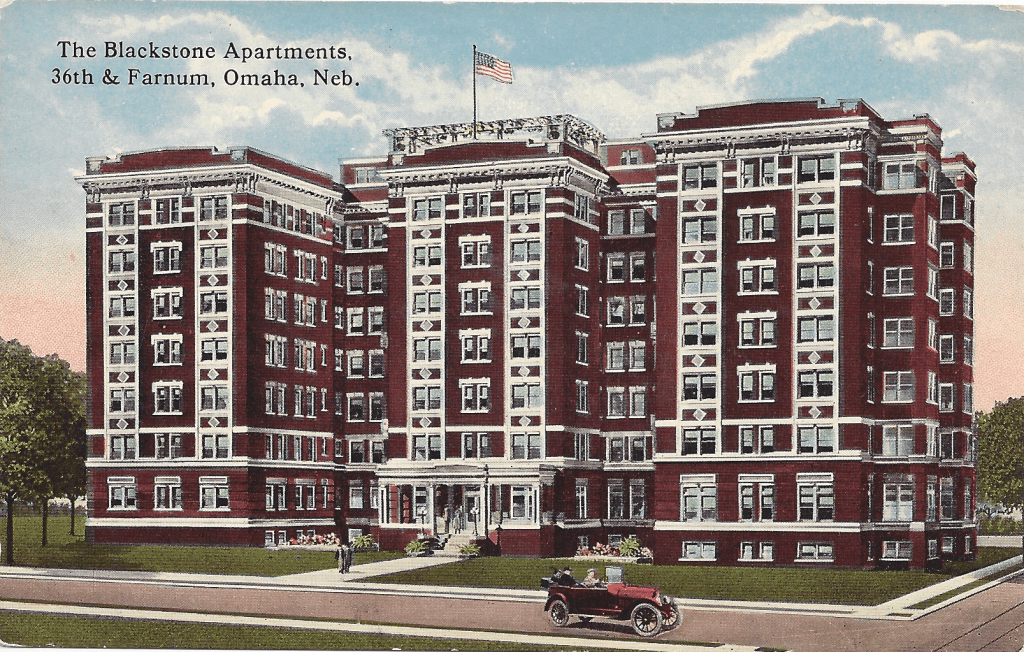
Considered to be the most elegant hotel between Chicago and San Francisco, the Blackstone Hotel at 302 S 36th Street was built in 1916 by Bankers Realty Company. The eight story building was designed by architect Francis W. Kirkpatrick, an assistant to Henry Ives Cobb who designed Chicago Federal Building.

Built in the Second Renaissance Revival-style, the steel frame structure was covered with brick and featured a terracotta cornice. When it first opened its doors, it was primarily a residential hotel that rented rooms by the year while providing guests with hotel-like services.
The hotel was strategically located along the streetcar line which offered easy access downtown from its namesake neighborhood. The investment company, it seems, didn’t get the returns they had hoped for, due, in part, to the number of houses and apartment complexes being built in the city at the same time.

By the time the company was looking to sell, its service and furnishings began to decline to the point they had used torn bed sheets as tablecloths. That allowed Charles Schimmel, the son of a successful Vienna caterer an opportunity to turn it into one of the best hotels in the country.

Born in Austria in 1871, Charles immigrated to the U.S. at 16 years and settled in Chicago. In 1915 he built the Custer Hotel in Galesburg, Illinois. He moved to Omaha in 1920 and bought the Blackstone Hotel. Over time the Schimmel Hotel chain expanded and included the Cornhusker Hotel in Lincoln, Hotel-Kings-Way in St. Louis, Lassen Hotel and Schimmel Inn in Wichita, Town House Hotel in Kansas City, Lincoln-Douglas Hotel in Quincy, Illinois and Indian Hills Inn in Omaha.
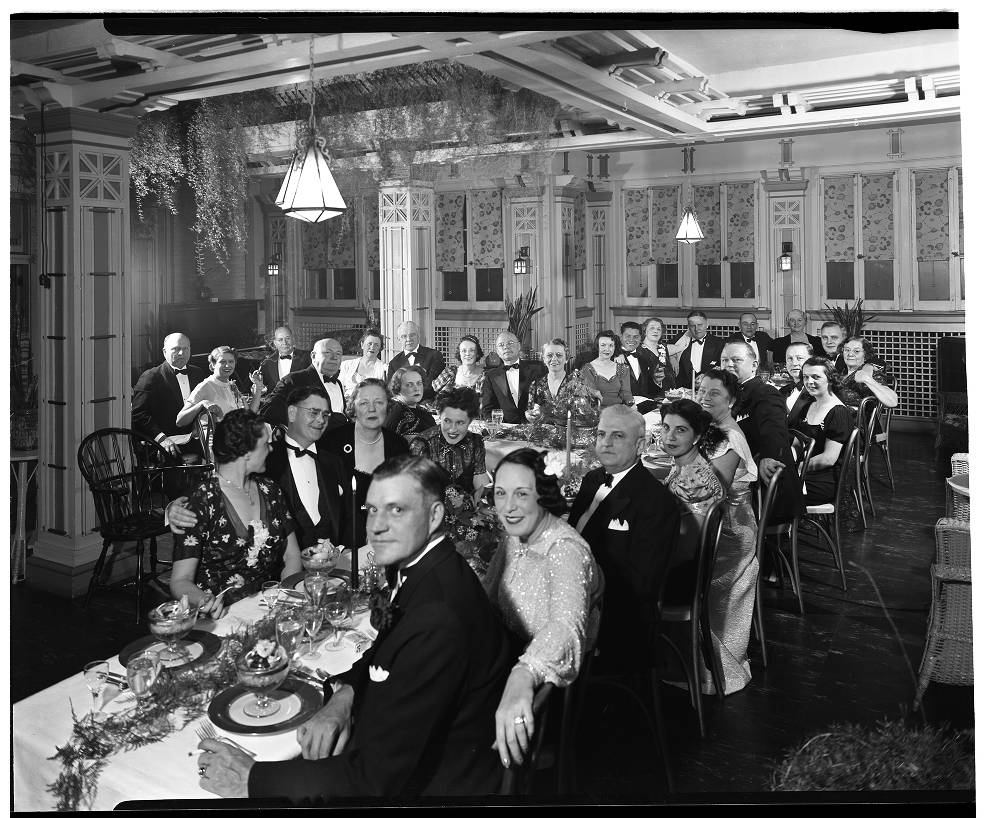
Charles and Mary Schimmel turned the Blackstone into a traditional hotel that became a symbol of elegance during the roaring twenties. It was regarded as a premier stop for those traveling along the Lincoln Highway.

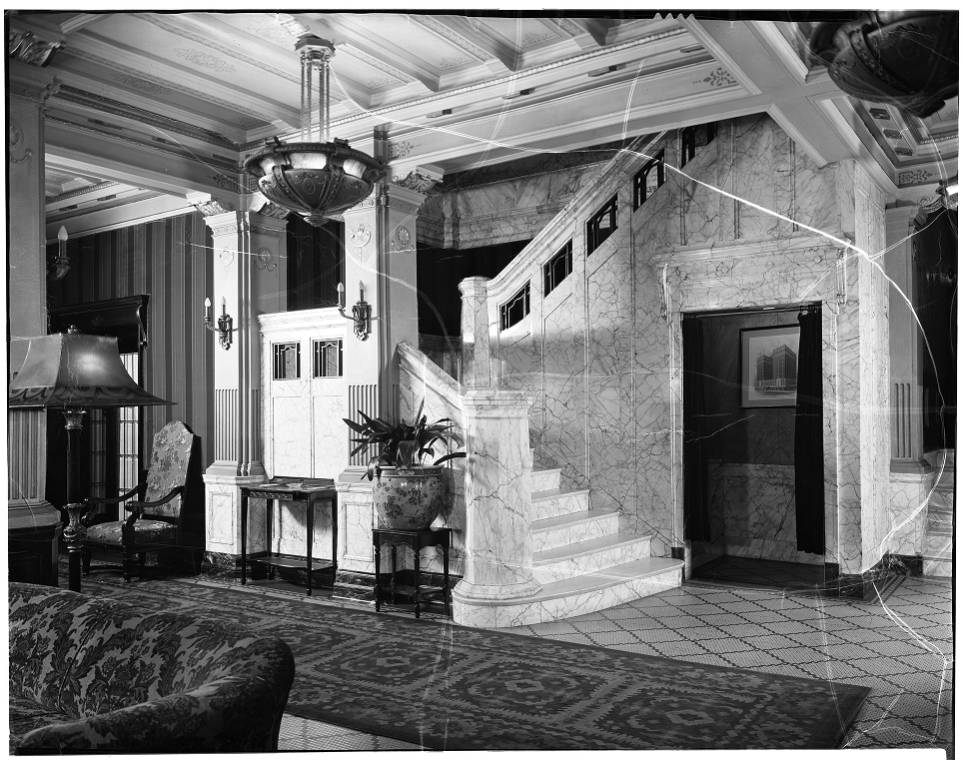
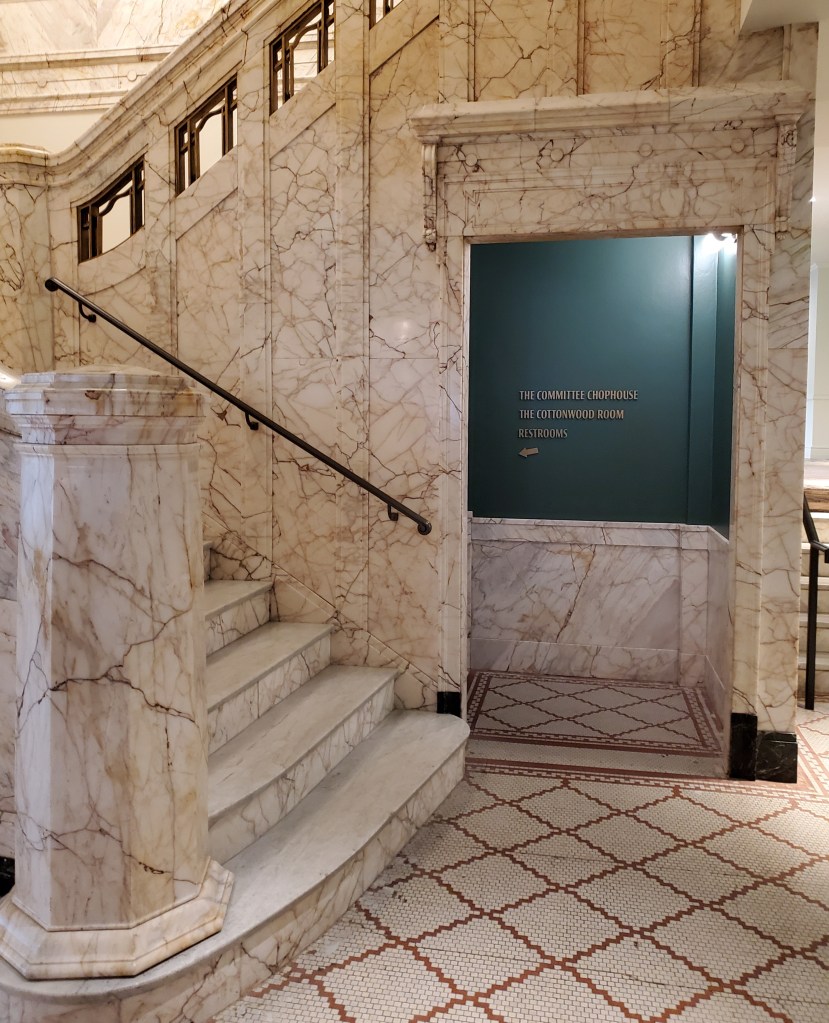
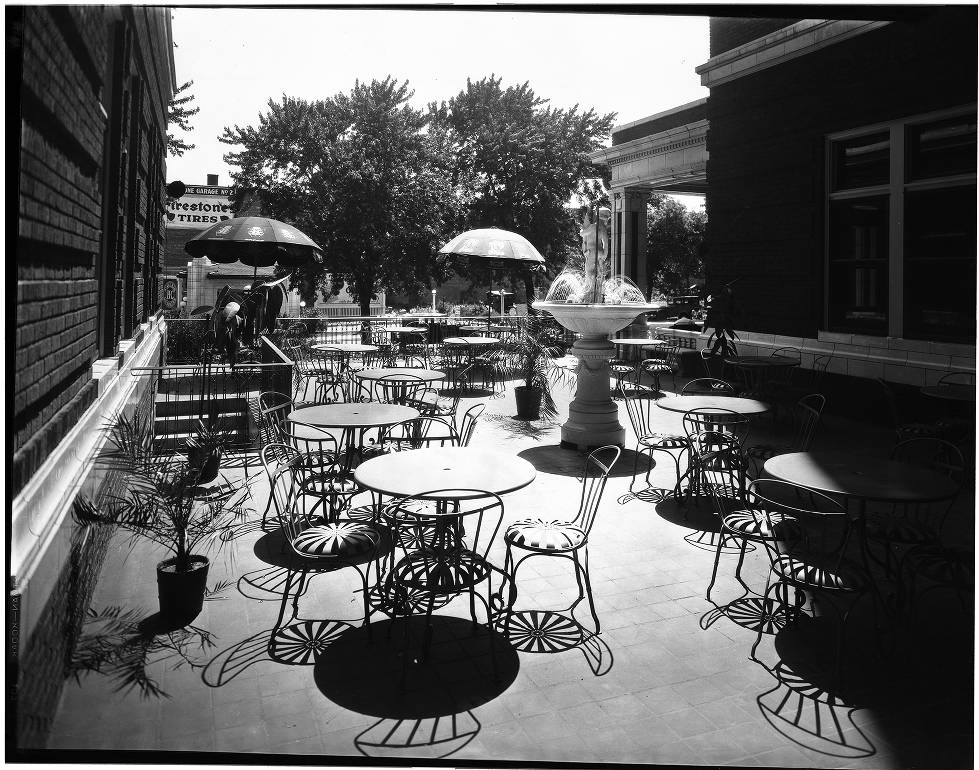
The interior was appointed with numerous ornate furnishings. The first floor had a grand marble staircase, dining room, kitchen, waiting room, writing room, palm room, lounge, soda fountain, cloak room, office and restrooms. The basement included a billiards room, smoking room, barber shop, shoeshine parlor, ladies hair salon, storage, laundry and servants quarters.

The lower floors consisted of one and two room units while the upper floors were suites with up to eight rooms. Each floor had four glass sun rooms. The hotel also had two high speed elevators that reached the top floor where the grand ballroom with its three rooftop gardens offering spectacular views of the skyline was located.

The Blackstone featured award-winning restaurants including The Orleans Room which received Holiday Magazine’s “Award for Excellence” 16 straight years. Less formal were the Plus Horse Coffee Room and Golden Spur. Both the Reuben sandwich and Butter Brickle ice cream are said to have been invented at the hotel.
The Cottonwood Room lounge, meanwhile, offered guests the unique opportunity to sip a cocktail beneath a cottonwood tree while taking in views of the river valley via a 54-foot backlit photographic mural. Noted for its entertainment offerings, the hotel served as the center for the city’s social functions. It even published its own magazine, The Blackstonian in addition to keeping a small fleet of limousines for visiting dignitaries who visited by train.
After Charles passed away in 1938, his sons Edward and Bernard continued to operate the Blackstone while other sons managed the other hotels. President John F. Kennedy and First Lady Jacqueline Kennedy spent their fifth wedding anniversary at the hotel in 1958. Among its other distinguished guests were Richard Nixon who announced his candidacy for the presidency from the rooftop ballroom in 1967, Presidents Dwight Eisenhower and Ronald Reagan, First Lady Eleanor Roosevelt, Ginger Rogers, Jack Benny, Jimmy Stewart and Bob Hope.
Using a formula of fine food, good housekeeping and personalized courtesy, the Schimmel family made it one one of the most successful small hotels in the county. After a 48-year run, the family sold the hotel to Radisson Corporation which attempted to renovate it. It never reached the same level of success and its occupancy dropped to 55% by the time the company sold it in 1976.
The building was declared an Omaha Landmark in 1983 and listed on the National Register of Historic Places in 1985. During that time it was converted to an office complex that operated under the name Blackstone Center.

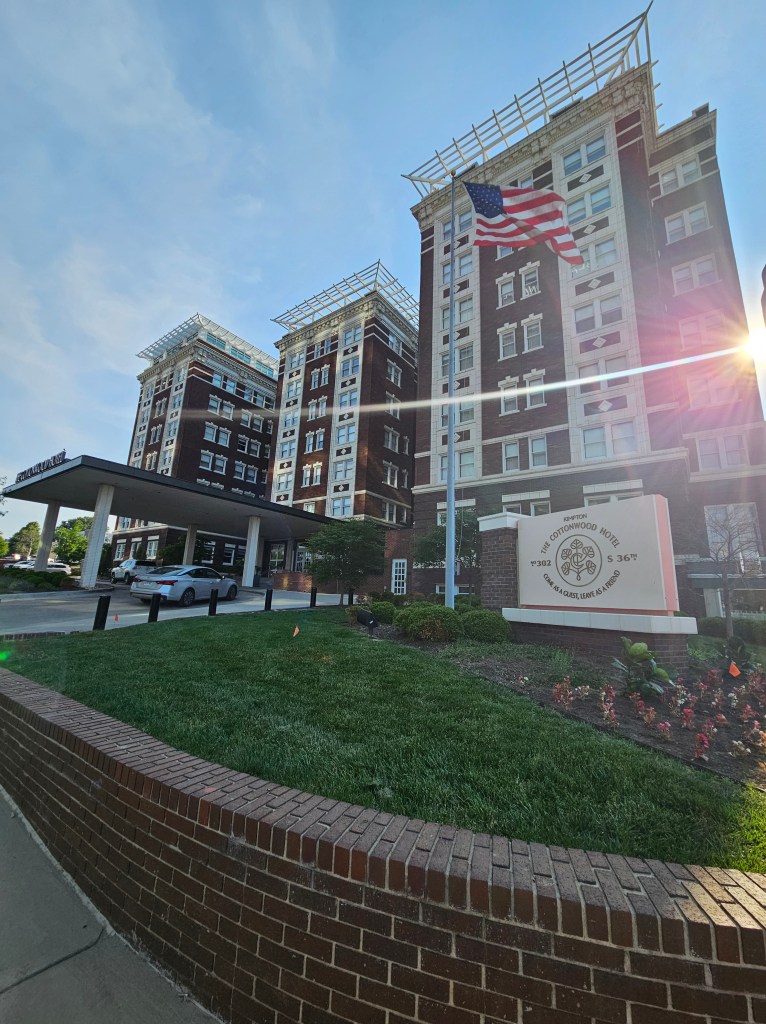
After purchasing it in 2007, Kiewit Corporation sold it to Clarity Development Company and Green Slate Development in 2017. Together they undertook the painstaking process of restoring it as a luxury hotel at a cost of $75M. By the time it reopened in 2020, it had to change its name as a hotel in Chicago trademarked the Blackstone name.
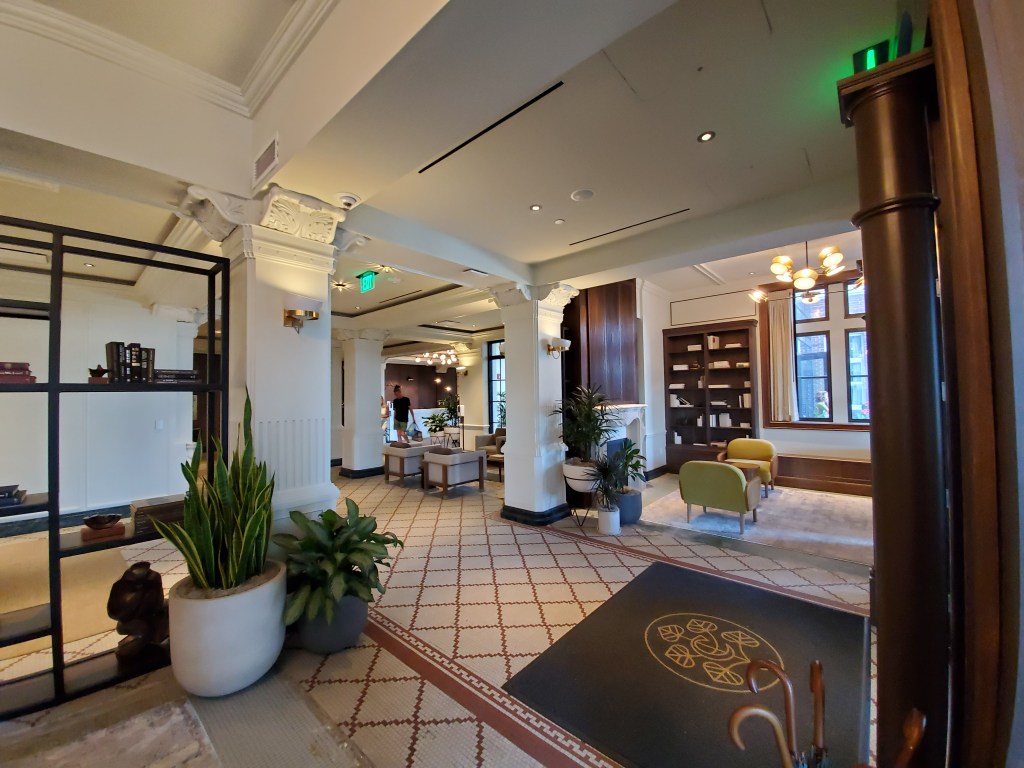
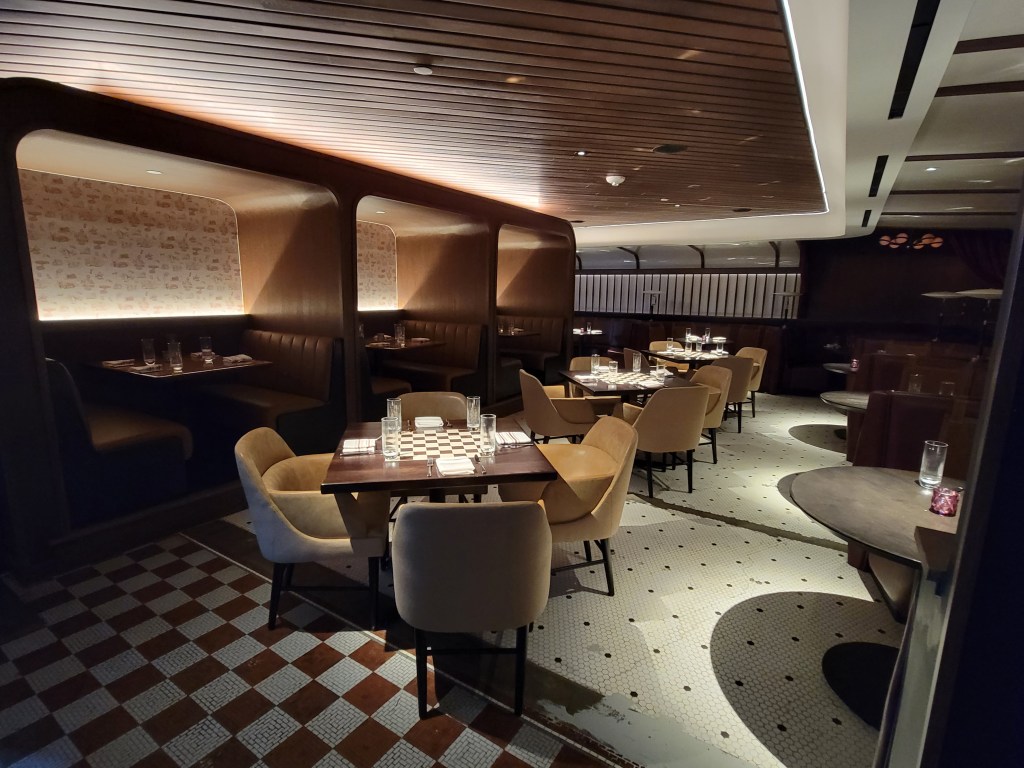
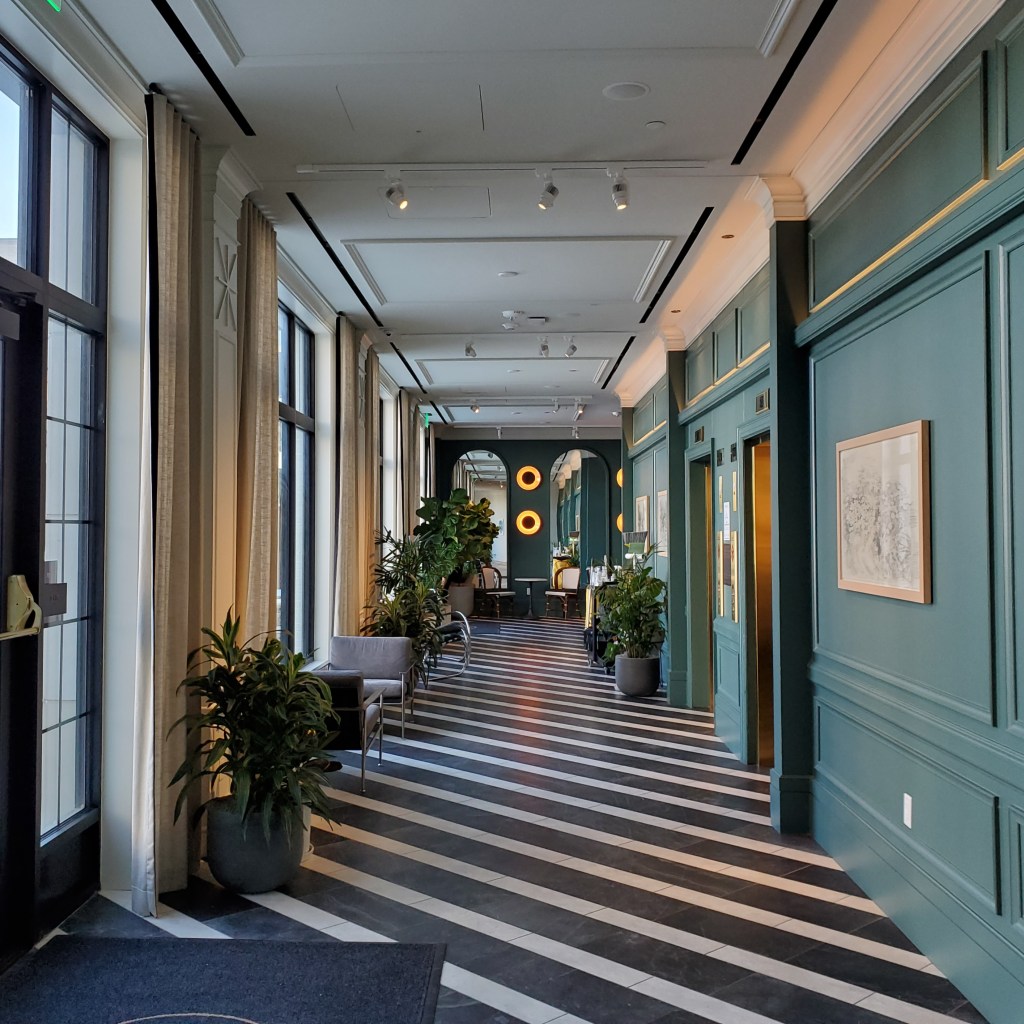
Now known as the Kimpton Cottonwood Hotel, it features 205 guest rooms with 31 suites. It includes two restaurants, a coffee shop and lounge. For an upscale dining experience, The Committee Chophouse is located on the lower level facing Farnam Street on the north side of the building. Its name is inspired by “The Committee”, a group including Charles and friends who gathered at the hotel to play poker. It was during one of these sessions that the Reuben sandwich was invented. A re-imagined Orleans Room is located on the first floor and offers a more casual dining experience along with breakfast options.

While they retained some of its original features including the mosaic tile floor and marble staircase, other features required the use of old photographs so that they could be recreated. That includes the renovation of the ballroom on the top floor and the Cottonwood Room cocktail lounge in the basement which once again features its namesake tree and panoramic screen of the river valley. Other historical touches included the terrcotta columns out front and the check-in desk.

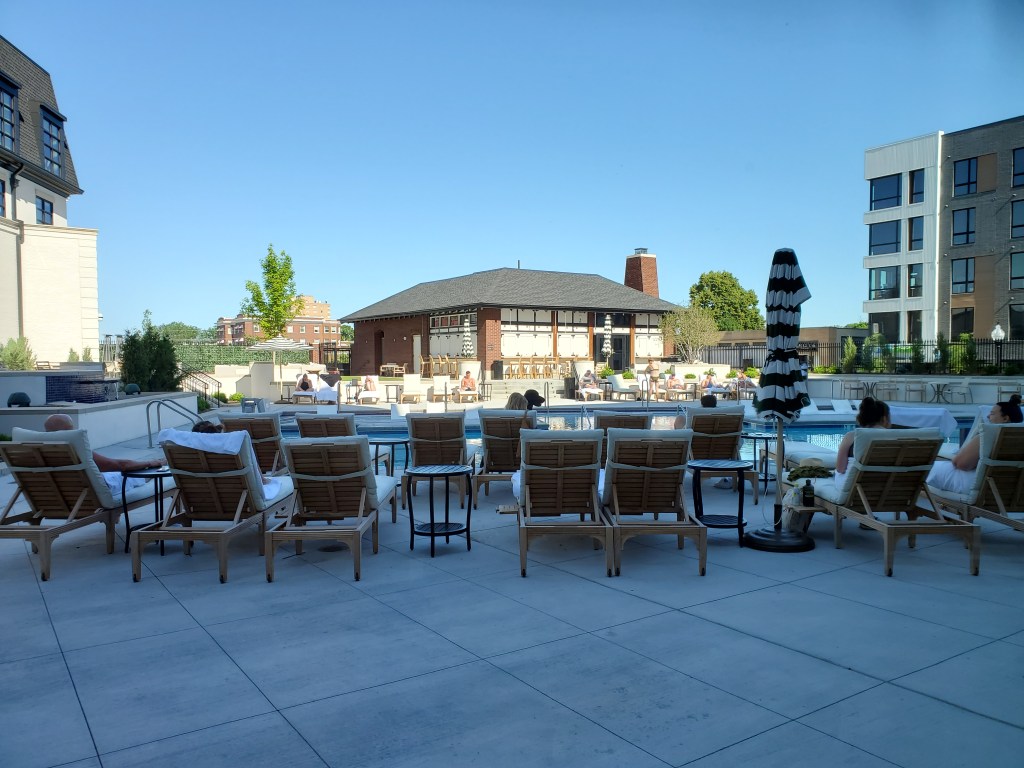
The developers didn’t stop there as they also added a new wing with suites, gathering spaces and a resort-style pool and a carriage house that serves as a poolside bar during the summer and a pop-up bar during the holidays.
Content written by Omaha Exploration. Feel free to leave a comment or a suggestion. Until then, keep exploring!
Omaha Exploration is sponsored by @Rockbrook Mortgage Inc.
Click here to learn about opportunities to sponsor Omaha Exploration!
More pictures








Follow OE on Facebook for more
Get an email when new content is posted
Omaha Exploration, 2025. Unauthorized use and/or duplication of this material without express and written permission from this site’s author and/or owner is strictly prohibited. Excerpts and links can be used, if full and clear credit is given to Omaha Exploration with appropriate and specific direction to the original content.
Omaha Exploration proudly supports

Contact me to learn more about M4K!
 Omaha Exploration
Leave a comment