
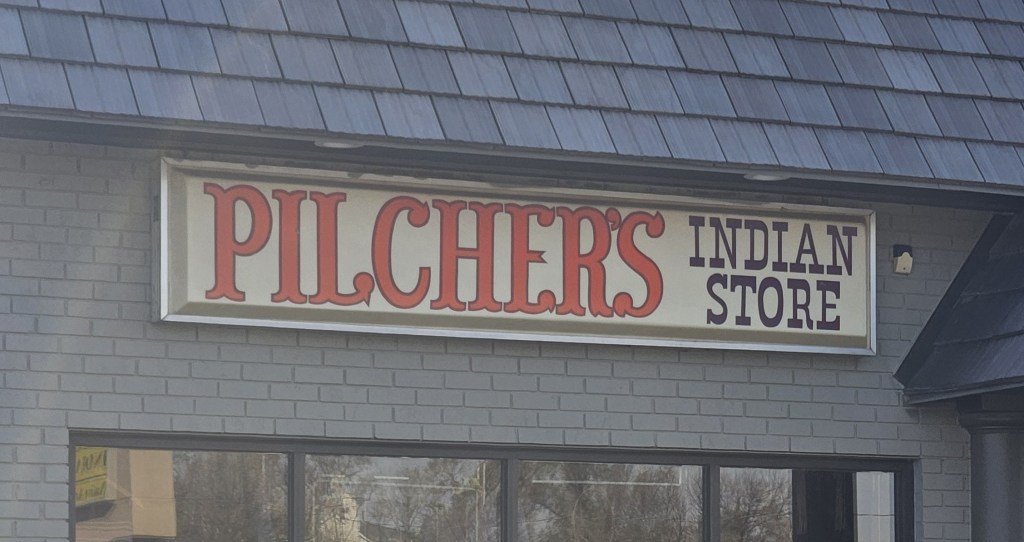
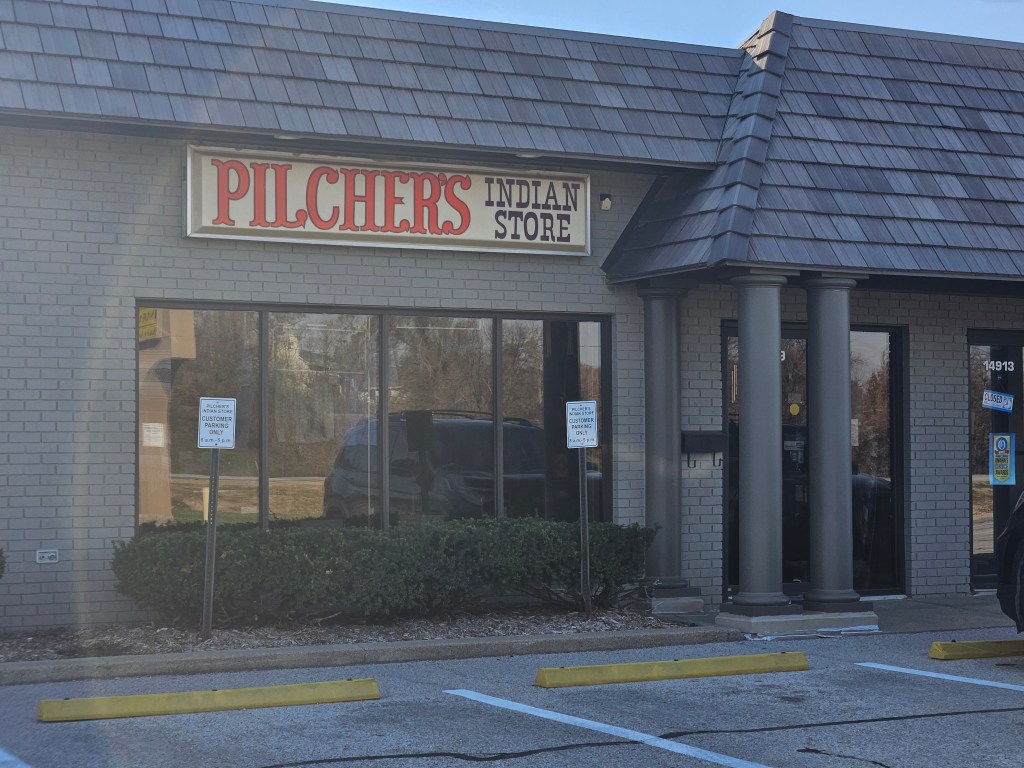
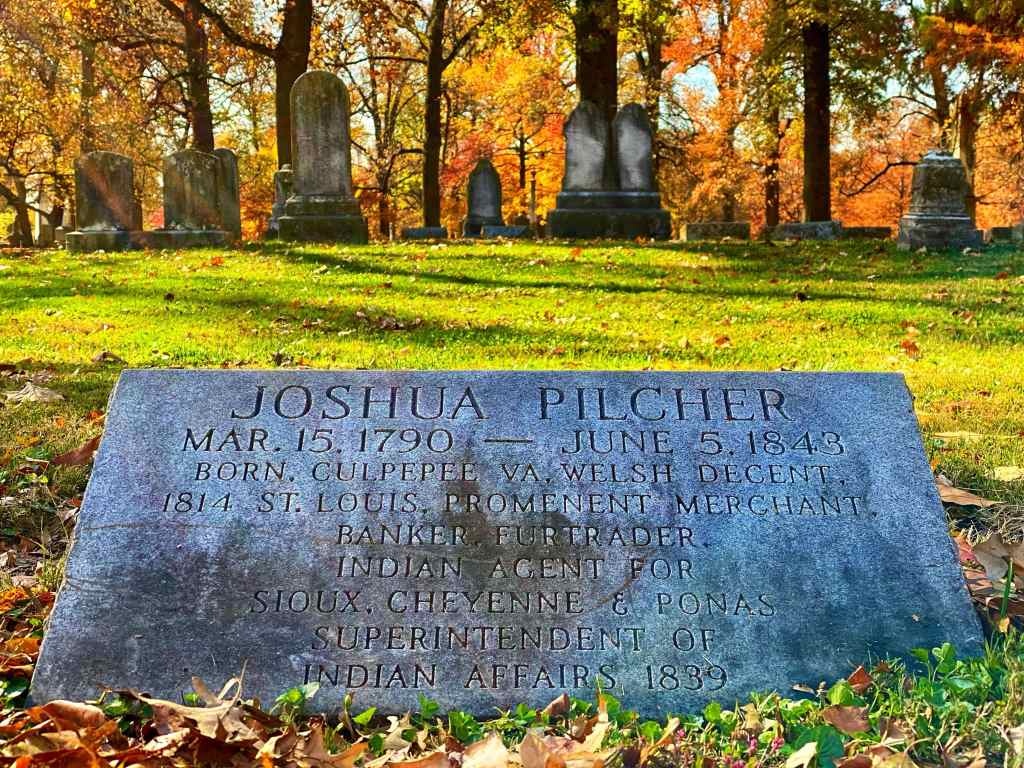
Nestled between an industrial tract of land, a housing development and Oakview Mall is Pilcher’s Indian Store. This store within a nondescript Millard strip mall has ties that date back two hundred years ago to one of Omaha’s first fur traders: Joshua Pilcher. The store was founded by his great-great grandson Howard Pilcher. Joshua was born in Virginia and raised in Kentucky. After the War of 1812 he moved to St. Louis as a result of his interest in the fur trade.

After Manuel Lisa passed away in 1820, Pilcher became the field representative in charge of the Missouri Fur Company’s outposts and their fur traders. Until 1824 his primary base of operations was Fort Lisa, the trading post near present-day Fort Calhoun that Lisa established around 1813. By 1833 he had taken over Cabanne’s Trading Post.
Pilcher married Poporine Barada of the Omaha Tribe. The couple had a son named John in 1834. She passed away around 1836 and he returned to St. Louis before passing away in 1843 leaving John to be raised by Chief Big Elk. Like his father before him, John, would become a trader in addition to an interpreter while traveling to England, France, Belgium, Germany and other places. He and Harriet Arlington had a son Charles in 1863.

With fur trading coming to an end, Charles would become a farmer in Thurston County, NE and his son, John, would find work in the meatpacking industry. His son, Howard, was born in Sioux City in 1931. The great-great grandson of Joshua Pilcher attended Indian schools in Wahpeton, ND and Lawrence, KS before serving in the United States Army in the 1950s while he was deployed in Germany. Before finding his store, he worked in home construction and as an art instructor for the Henry Doorly Zoo.

It was never his intent to start a business but he did just that after selling goods at powwows and developing his reputation for his craftwork which included leather goods like billfolds and purses. He also had a knack for being able to find items that others had difficulty procuring. That propelled Howard and his wife Allene to open Pilcher’s Indian Store in South Sioux City, NE in 1976. They primarily sold to residents of the five nearby reservations.
Through the many relationships that he cultivated, Howard was able to obtain hard-to-find items from craftspeople all across the country whether they lived in the mountains or in the desert miles from the nearest road. He said that some of them continued to live in the “old ways” and some tended to sheep. The only way to contact them was to leave a telegram at the local trading post.


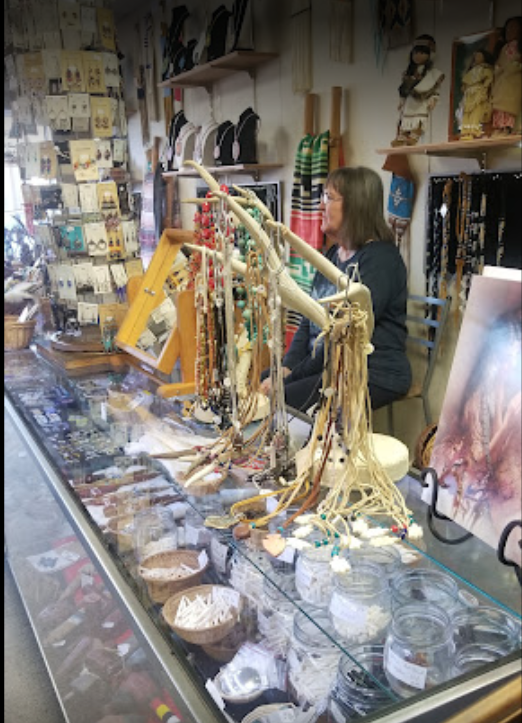

By 1987 they would relocate their business to Fort Calhoun followed by a move to Omaha three years later to be closer to their daughter and grandchildren in Omaha. The move to a much larger city with a relatively small indigenous population caused their business to change drastically. While the Pilcher’s continued to provide herbs and other items for powwows, the majority of their business by this time were to caucasians.

His store became nationally as well as internationally known with customers from as far away as Japan, Germany, Guam, Sweden, France and Belgium. After Howard passed away in 1995 and Allene in 1999, the family-owned business at 14909 Industrial Road, continued under the ownership of their daughter, Mary. The current generation of Pilcher’s continue to support Native American culture, artists and spirituality.
Content written by Omaha Exploration. If you enjoy my content, you can follow or subscribe on my Facebook page or signup to receive emails on my website. Thank you and until next time, keep exploring!
More pictures
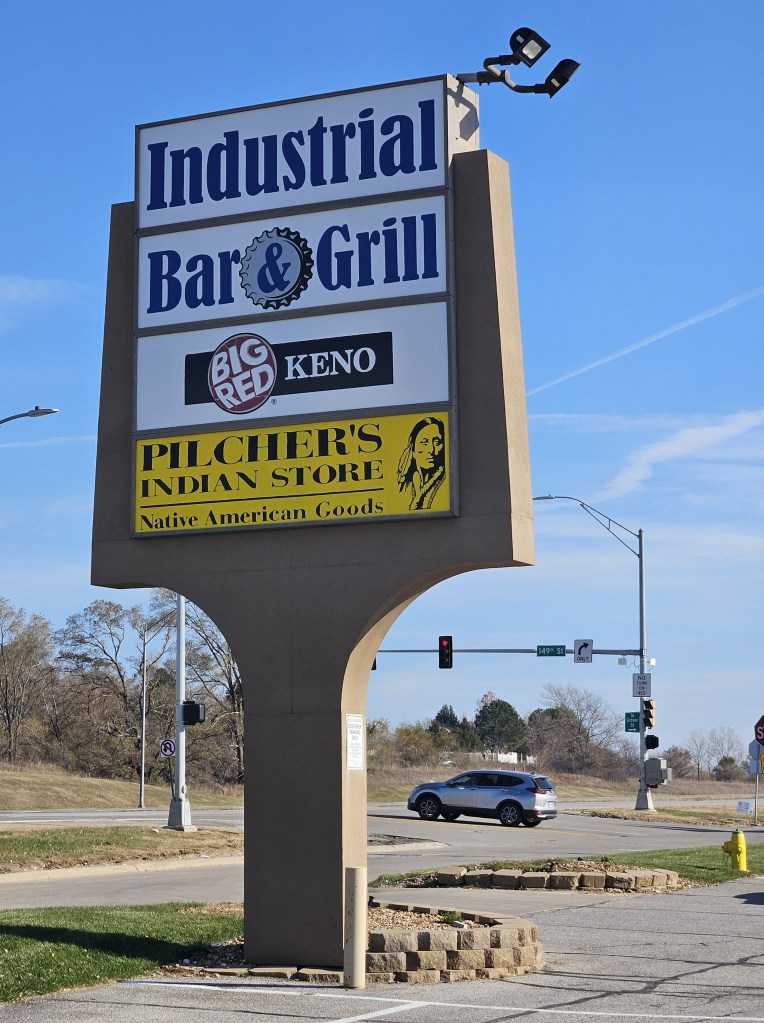
Omaha Exploration is sponsored by

Click here to contact me if you’re interested in sponsoring OE.
Get email notifications when new OE content is posted
Follow OE on the socials
Omaha Exploration, 2024. Unauthorized use and/or duplication of this material without express and written permission from this site’s author and/or owner is strictly prohibited. Excerpts and links can be used, if full and clear credit is given to Omaha Exploration with appropriate and specific direction to the original content.
 Omaha Exploration
Leave a comment