
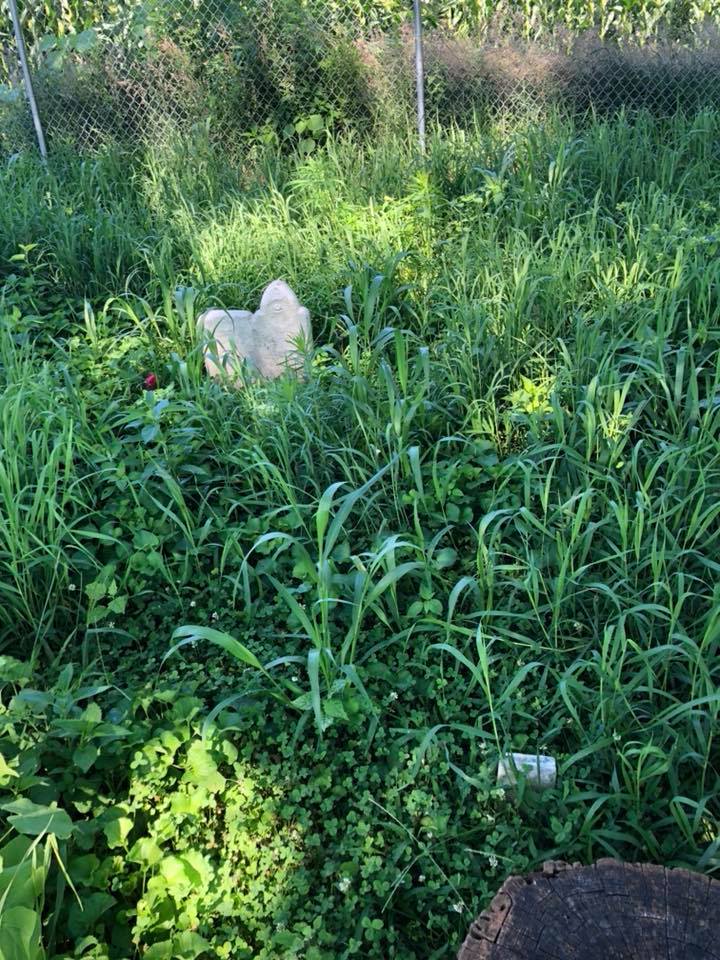
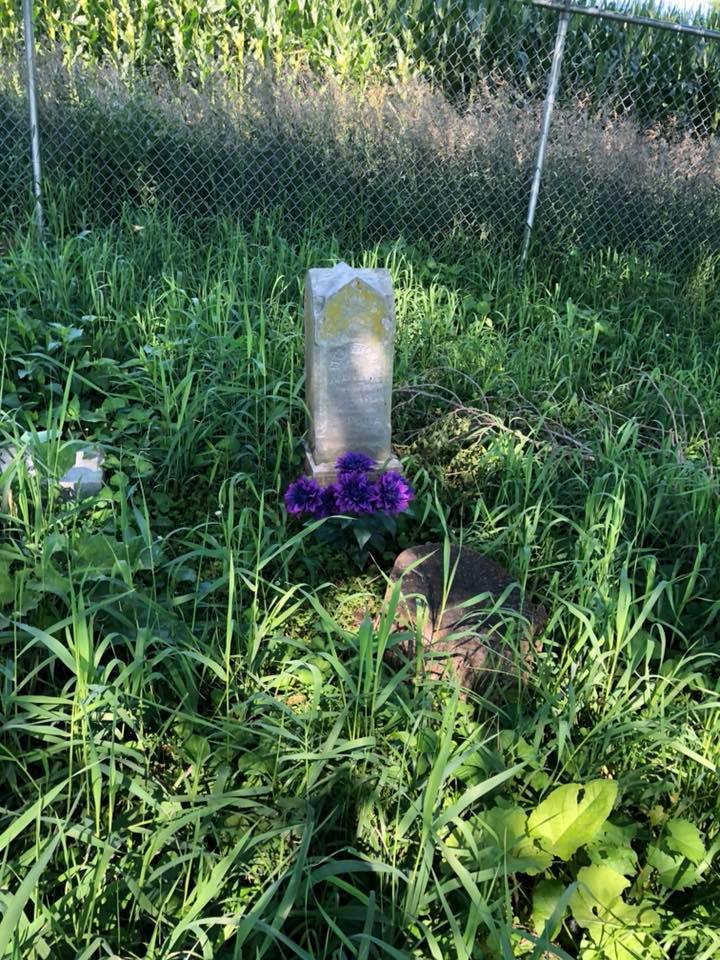
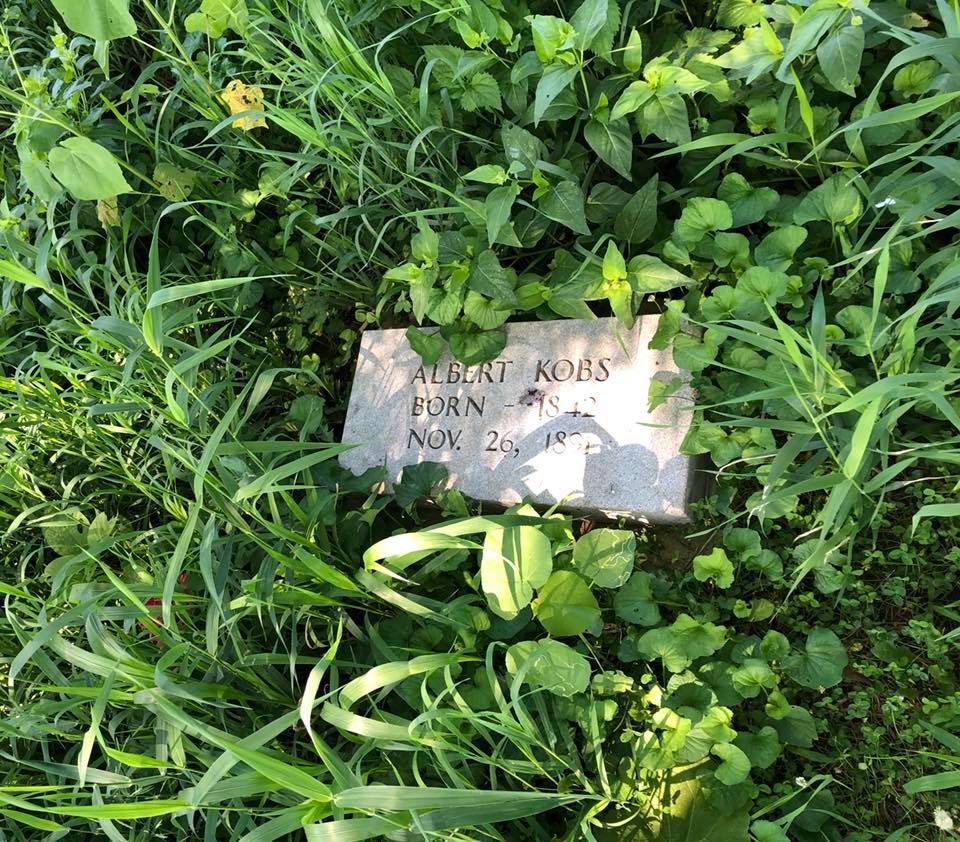
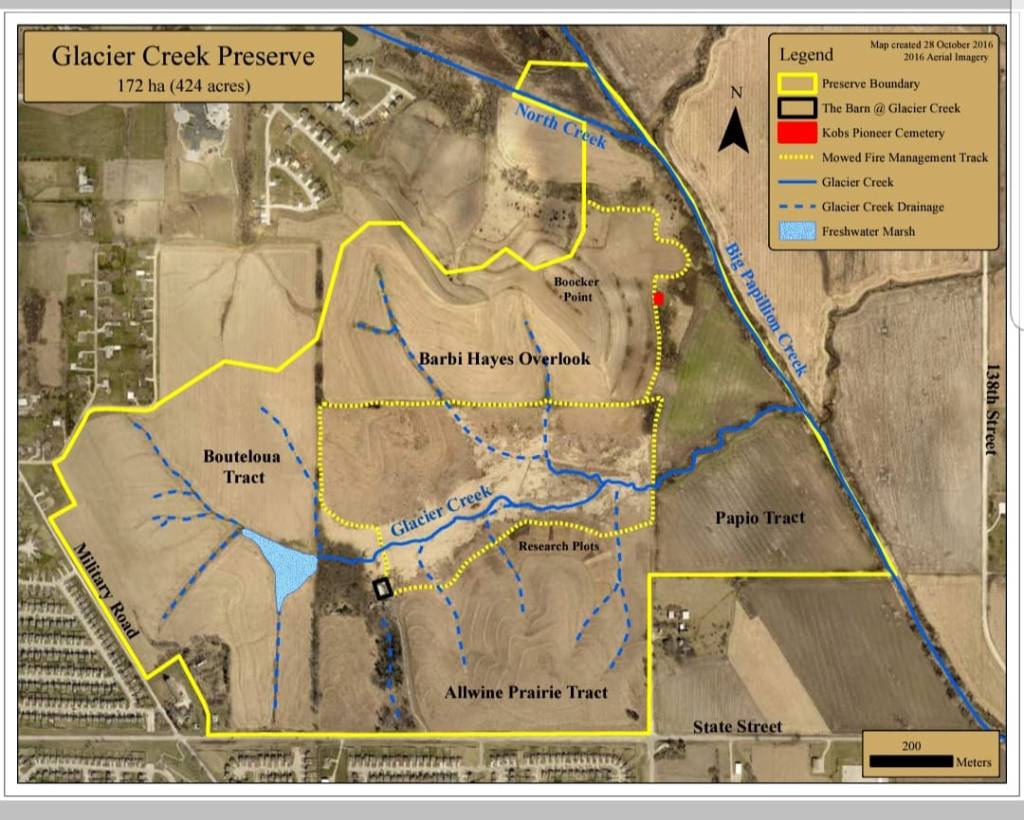
Within the 525-acre Glacier Creek Preserve is land that was once homesteaded to Dane immigrants Hans and Chistiana Nielsen. It also includes land that belonged to Albert and Henrietta Kobs who emigrated from Germany. It contains the Kobs Pioneer Cemetery that was established in 1879. While there may be as many as 25 relatives buried here, the only marked graves are that of Henrietta and sons Charles and August.
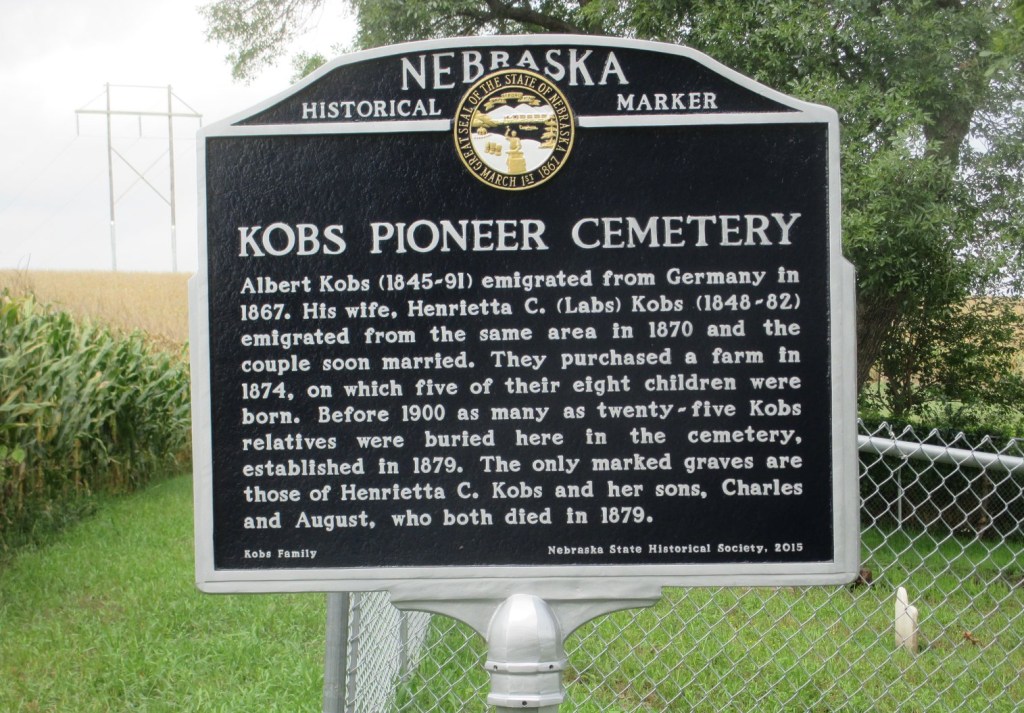
These two families, like many others in the area and beyond, would convert the prairie with its diverse flora and fauna into cropland so that it could be farmed. Of course, future development would wipe out more and more of the tallgrass prairie that once covered 95% of Omaha’s landscape.
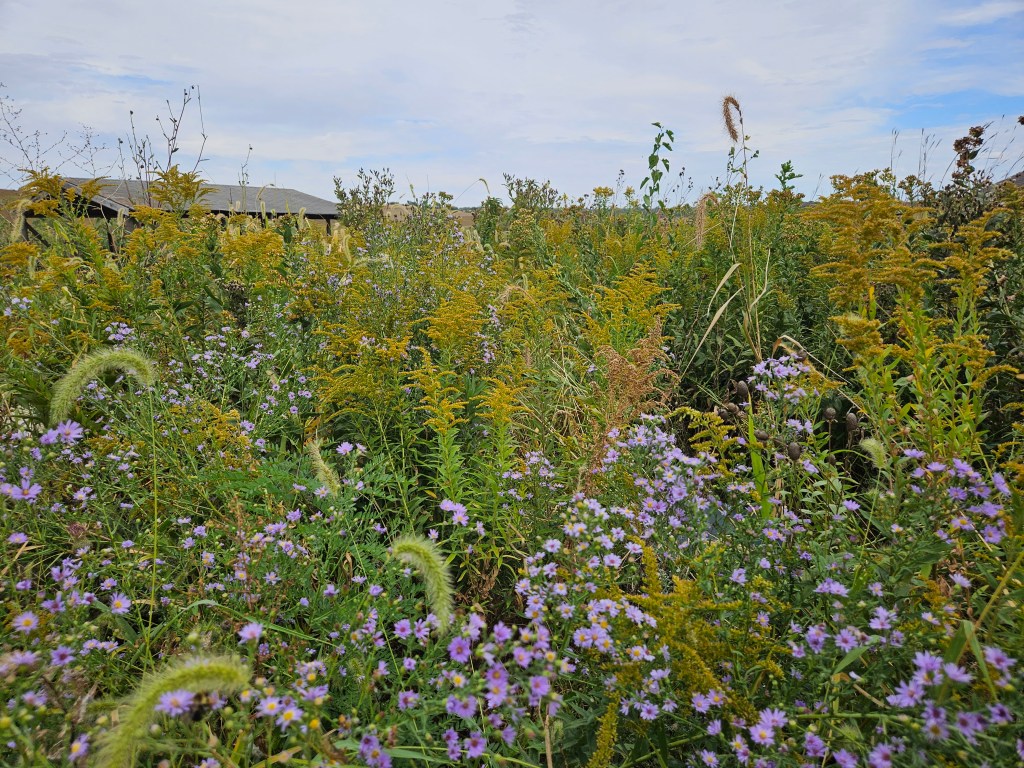
The process of restoring the tallgrass prairie in the area started in 1959 when Arthur and Antoinette Allwine donated 160 acres of land to the University of Nebraska at Omaha. Researchers from the university observed roughly 200 species of plants and 24 species of butterflies on the land.
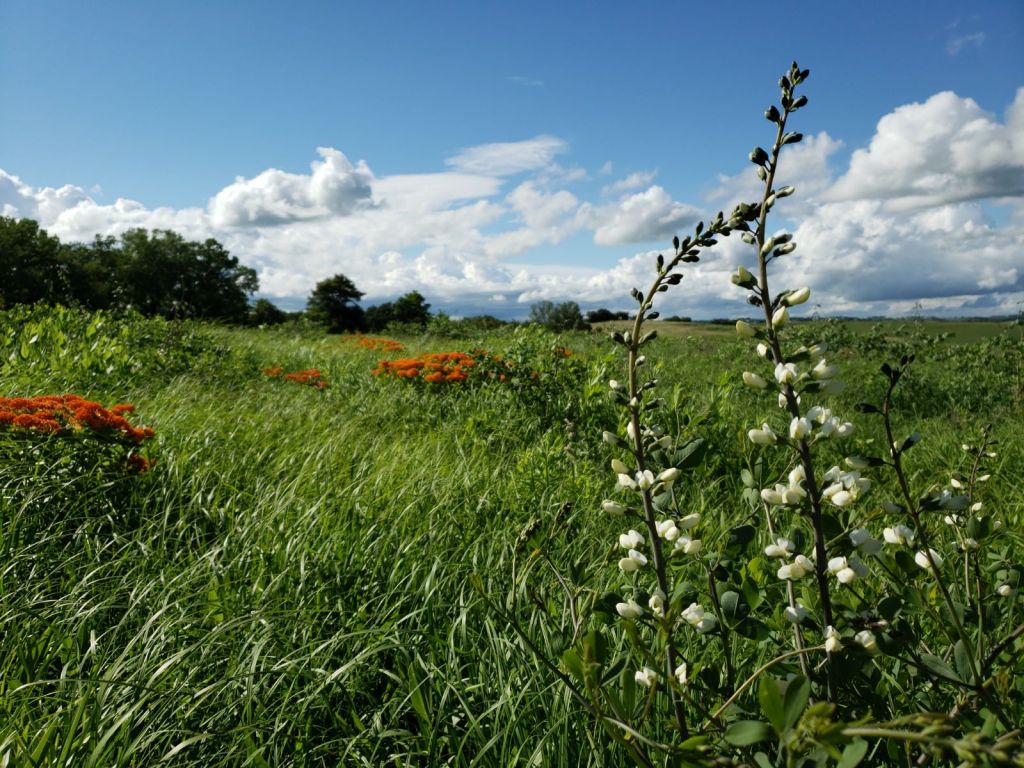
By 1970 the area was reseeded to a prairie consisting of five different species of native grasses and other prairie plants. The goal was to preserve a piece of the tallgrass prairie and allow more space for insects and wildlife to find a refuge and survive within the metropolitan area. The area was also used for prairie research by students of all ages as well as the Boy Scouts and the Audubon Society. Starting in 1974 the prairie has been maintained with prescribed burning. Each year a third of the prairie is burned in the spring which is believed to mirror the pre-settlement burn frequency of the tallgrass prairie in the area.
By 2000 the university wanted to acquire additional land to buffer Allwine Prairie from the light and noise pollution and to minimize runoff from all of the development in the area north of Omaha. In 2009 they acquired an additional 83 acres of land in 2009 which included the area around Glacier Creek, a tributary of the Big Papillion Creek which sprang from the glacial deposits along the Papio system. The additional land included wetlands and plant species not found in the Allwine Prairie tract. By this time it also acted as a refuge for 125 species of birds, 12 species of amphibians and reptiles and 24 species of mammals and countless varieties of insects.
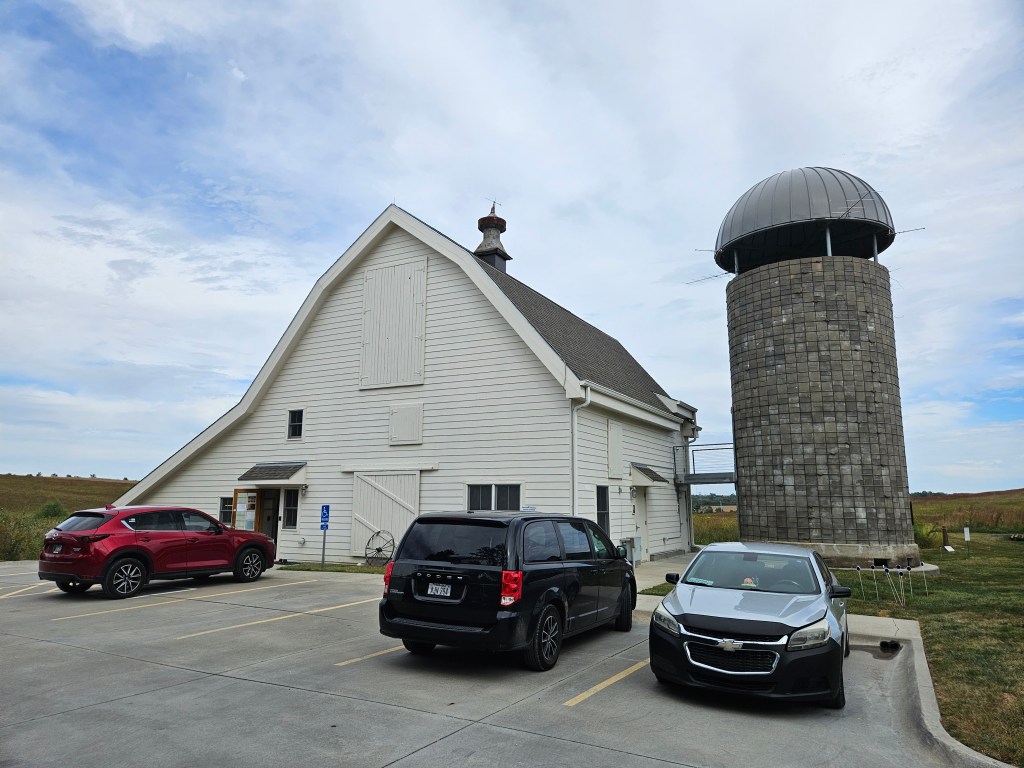
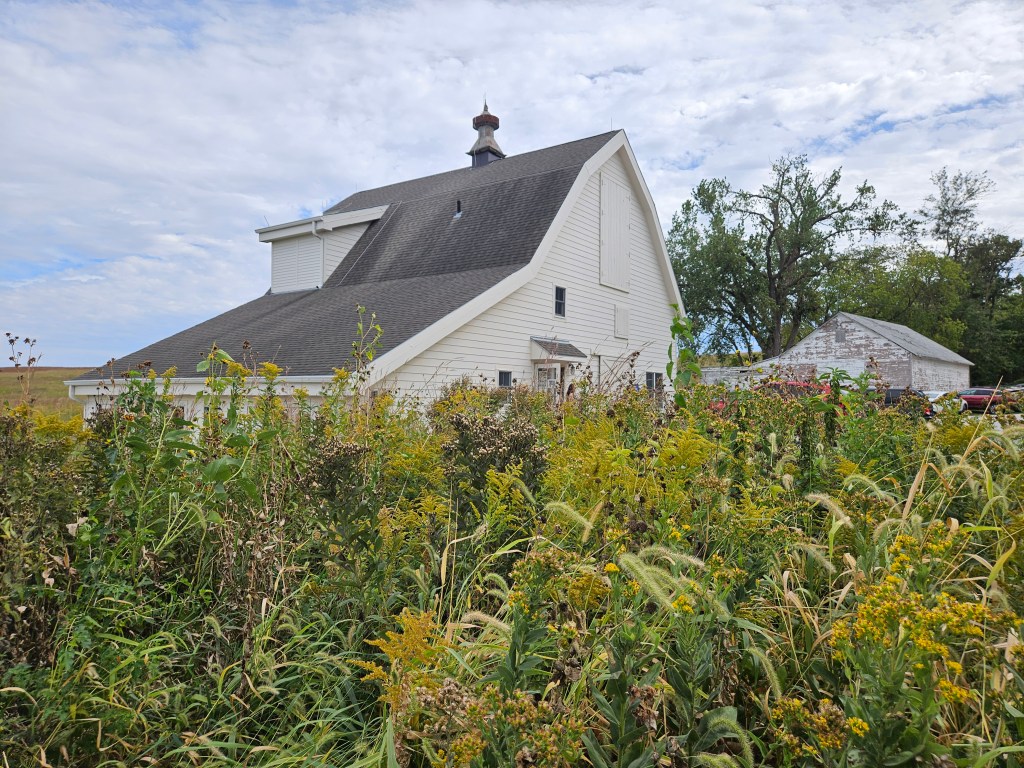
Since the area now included the Glacier Creek watershed, the area was renamed from Allwine Prairie Preserve to Glacier Creek Preserve. Barbi Hayes donated the historic dairy barn and silo that were moved to the prairie. They were renovated to include a modern lab, conference space, classrooms, offices and a library. Other structures included the house of the land management specialist, a garage and storage structures.
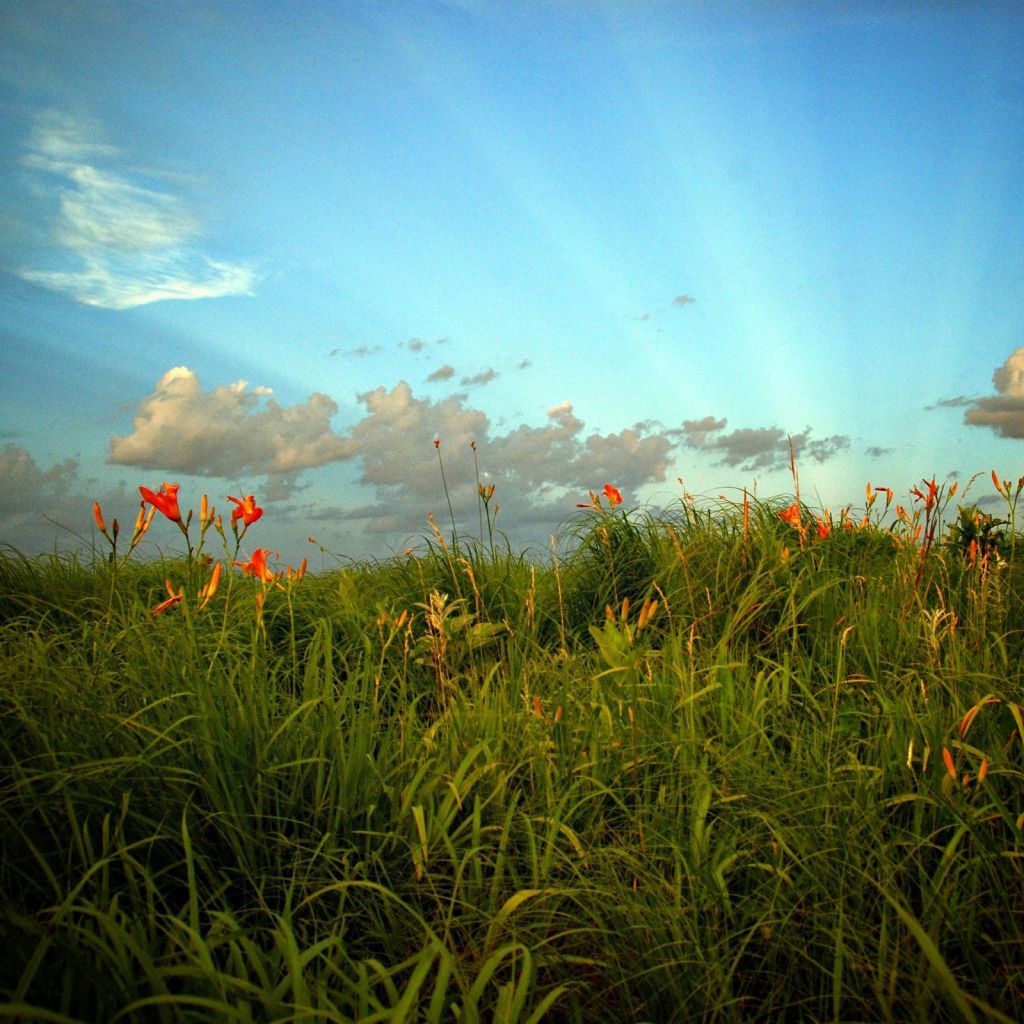
Today it is among the largest and oldest original tallgrass prairie restorations in the area. It’s also one of few that are dedicated to the tall grasses that reach heights of six to eight feet and whose roots go even deeper. It continues to provide researchers and educators with useful information about how grass, insects, birds and water interact with one another. These findings help urban and land developers make decisions about what to develop and what areas to leave alone. It also helps farmers and ranches know what the impact will be when they till or restore a pasture.
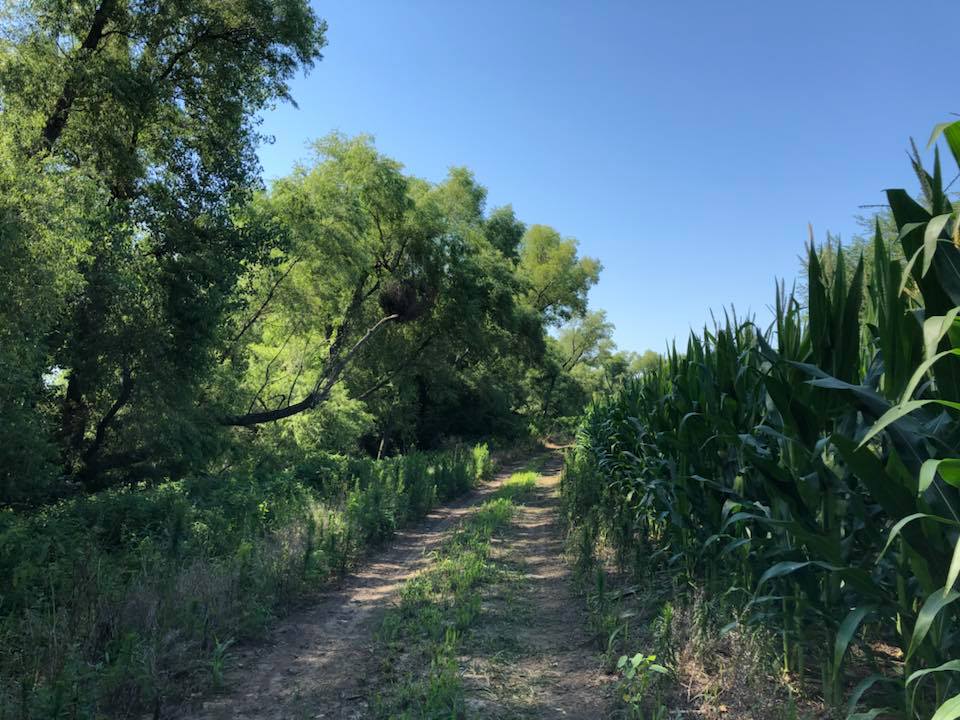
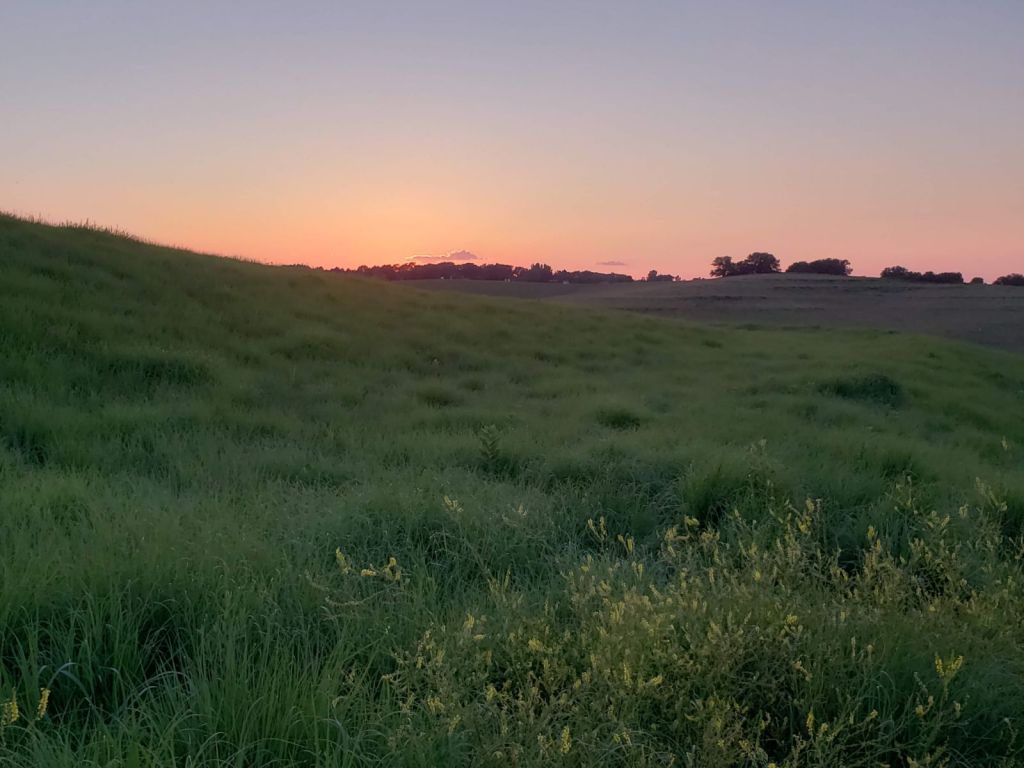
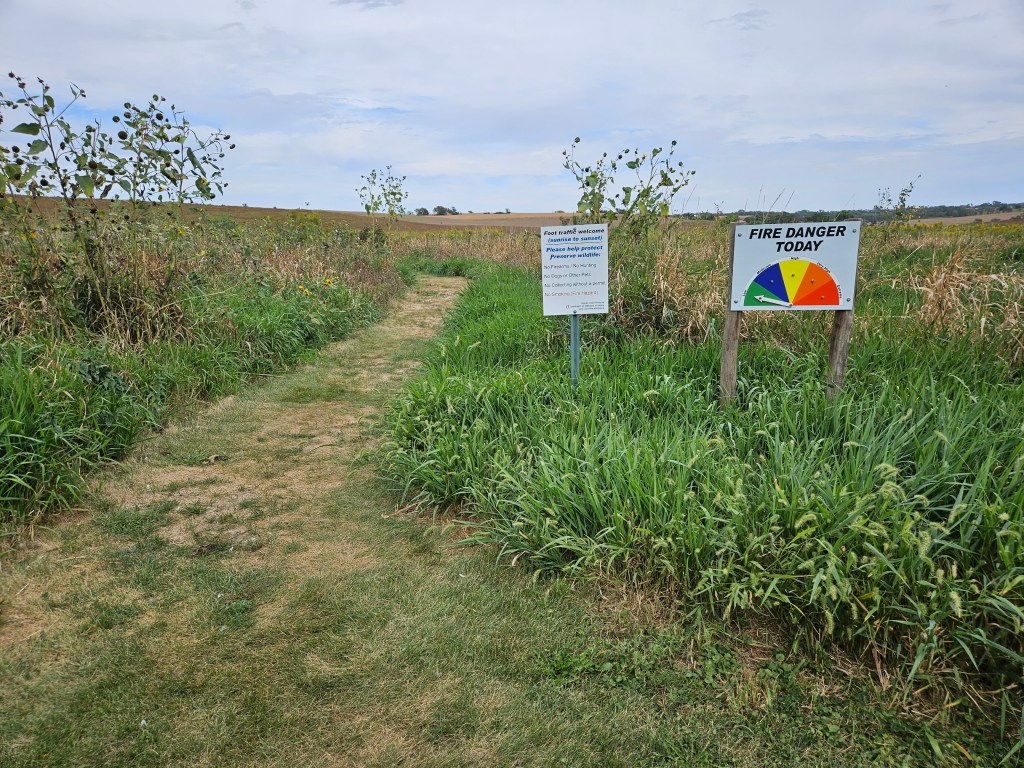
After additional land acquisition the Glacier Creek Preserve now consists of 525 acres and includes the entire watershed. It’s also open to the public from March 1st thru December 21st from 9 AM to 4 PM and provides people to experience what the settlers experienced firsthand. From the awe and wonder of the prairie to the fear because the grasses were so tall they couldn’t see.
Please feel free to comment to share your thoughts.
Until next time, keep exploring!
More pictures
Photos of the headstones in the Kobs Pioneer Cemetery at Glacier Creek Preserve courtesy of Michaela Armetta of Omaha History Club.
Omaha Exploration is sponsored by

Click here to contact me if you’re interested in sponsoring OE.
Get email notifications when new OE content is posted
Follow OE on the socials
Omaha Exploration, 2024. Unauthorized use and/or duplication of this material without express and written permission from this site’s author and/or owner is strictly prohibited. Excerpts and links can be used, if full and clear credit is given to Omaha Exploration with appropriate and specific direction to the original content.


 Omaha Exploration
Leave a comment