
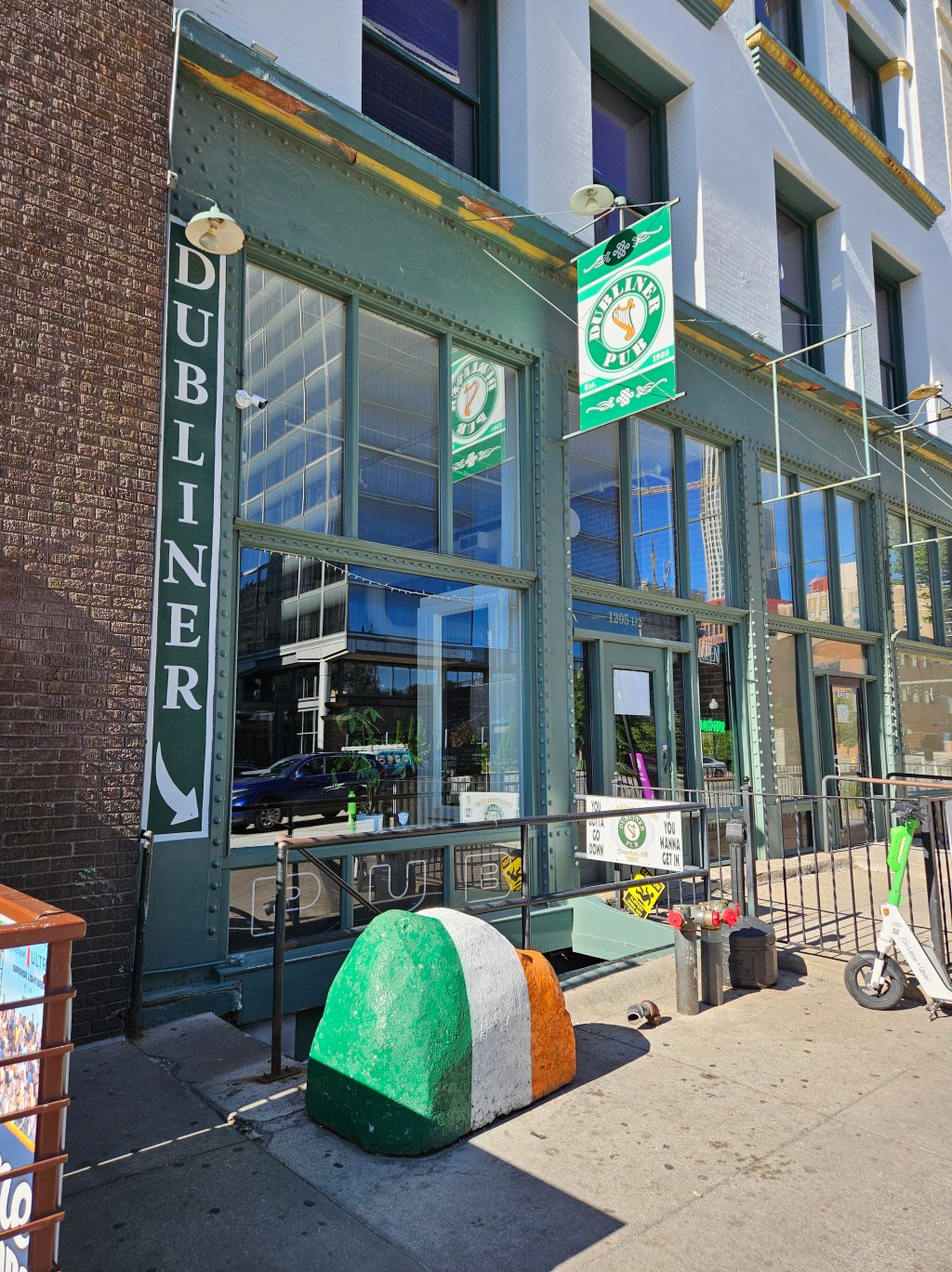
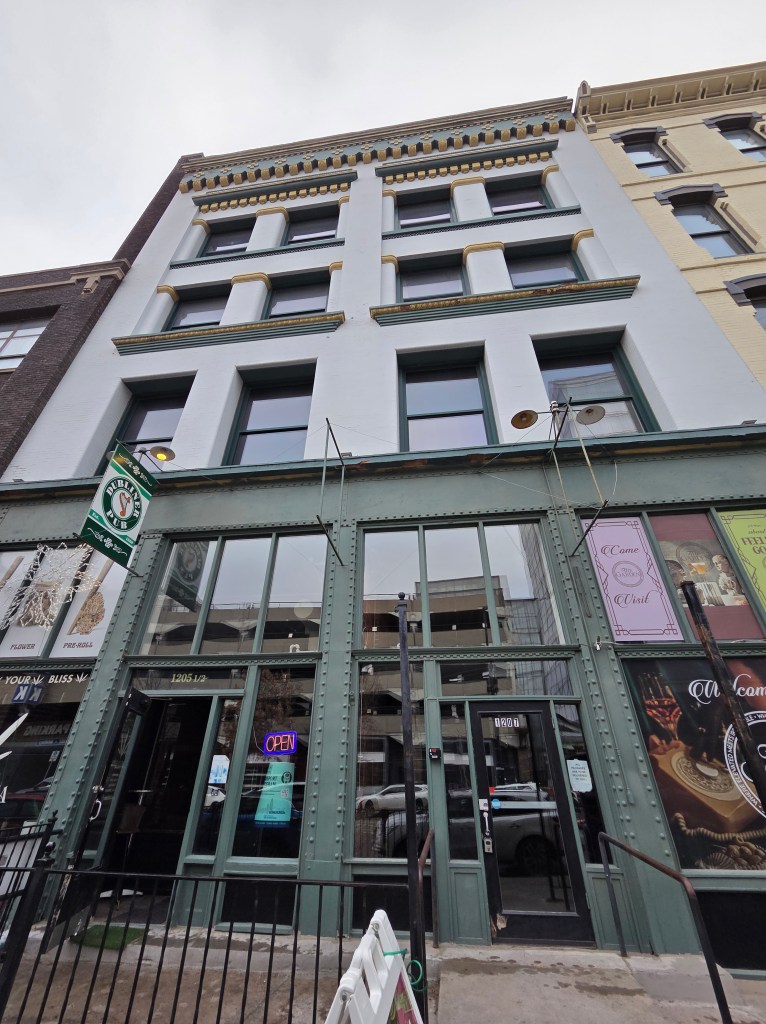
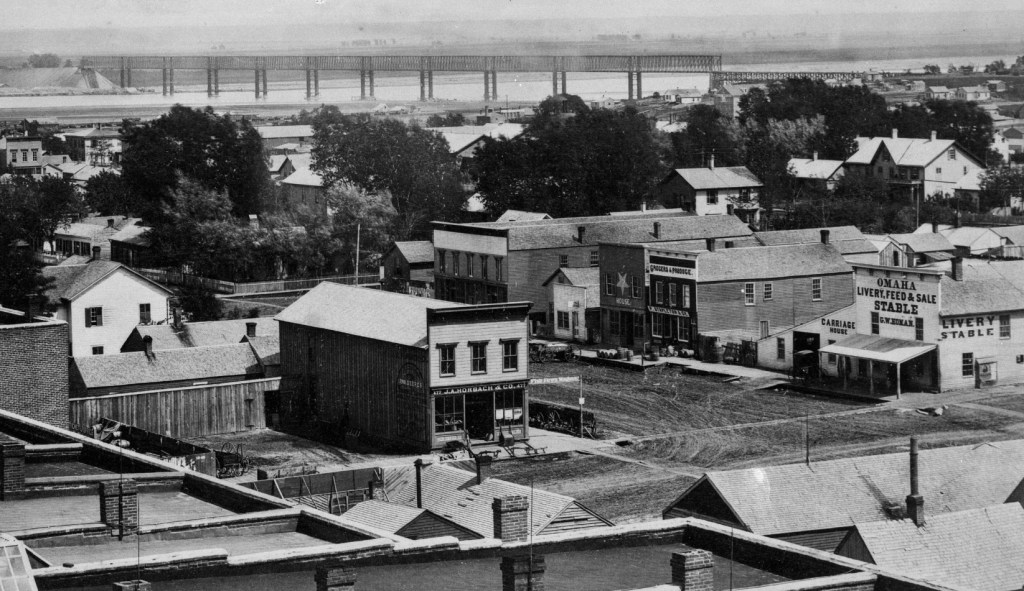
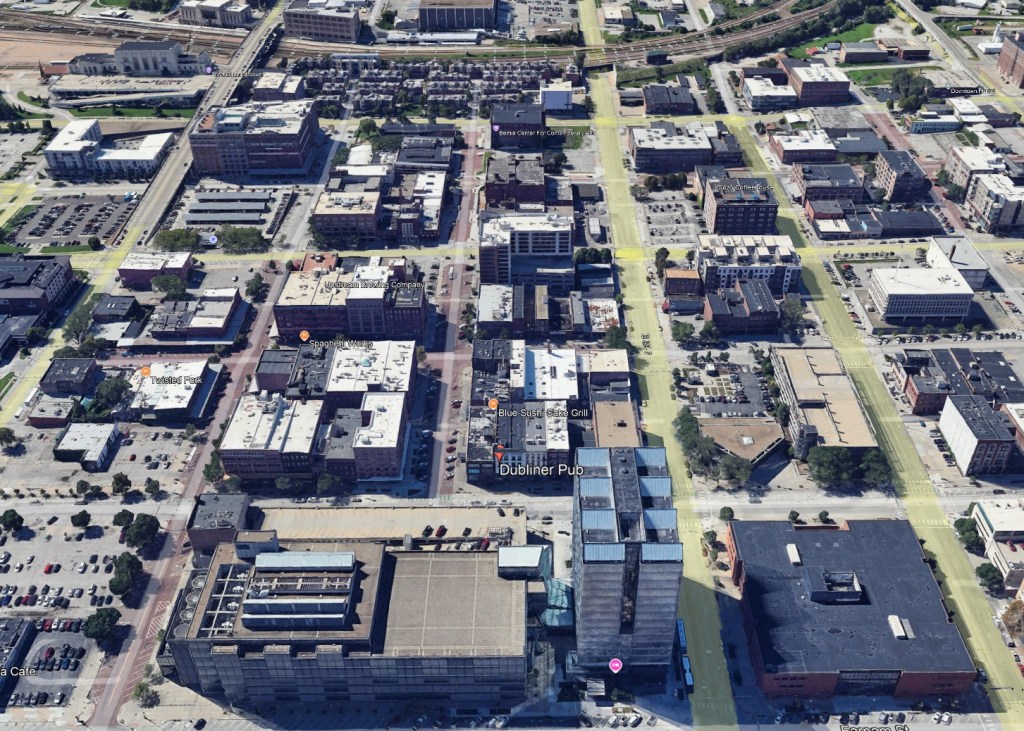
When John Horbach arrived in Omaha from Pittsburgh, he found opportunity in the wagon trains heading west, outfitting them for the long journey across the plains. H eventually became one of the city’s wealthiest citizens and eventually earning him a seat on the Omaha City Council. In 1894, he cemented his success by constructing his namesake building at 12th and Harney at a cost of $14,000. The four-story structure was designed by Louis Mendelssohn and featured a cast iron store front.
Originally home to a tack supply business, the building has seen a number of businesses over the years, including a manufacturer of syrups, molasses, jellies, preserves, starch, and grocery sundries, as well as a millinery, wallpaper company, mannequin company, and bookstore. More recently, it was the longtime home of the Driscoll Leather Company and Peerless Equipment Company.
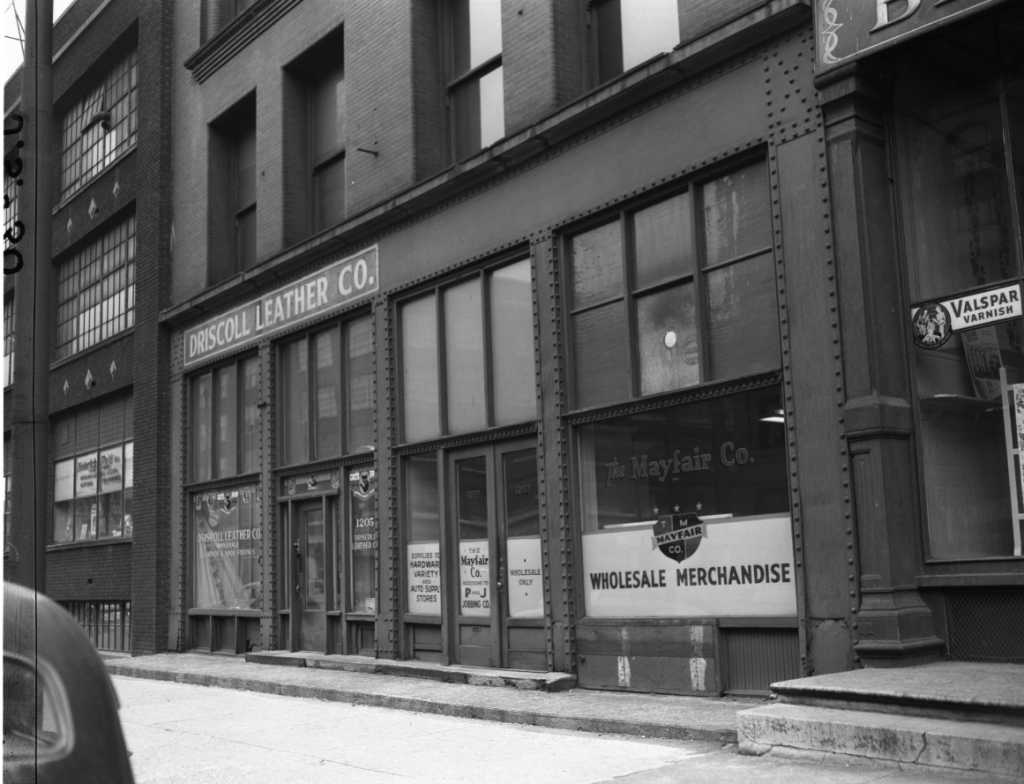
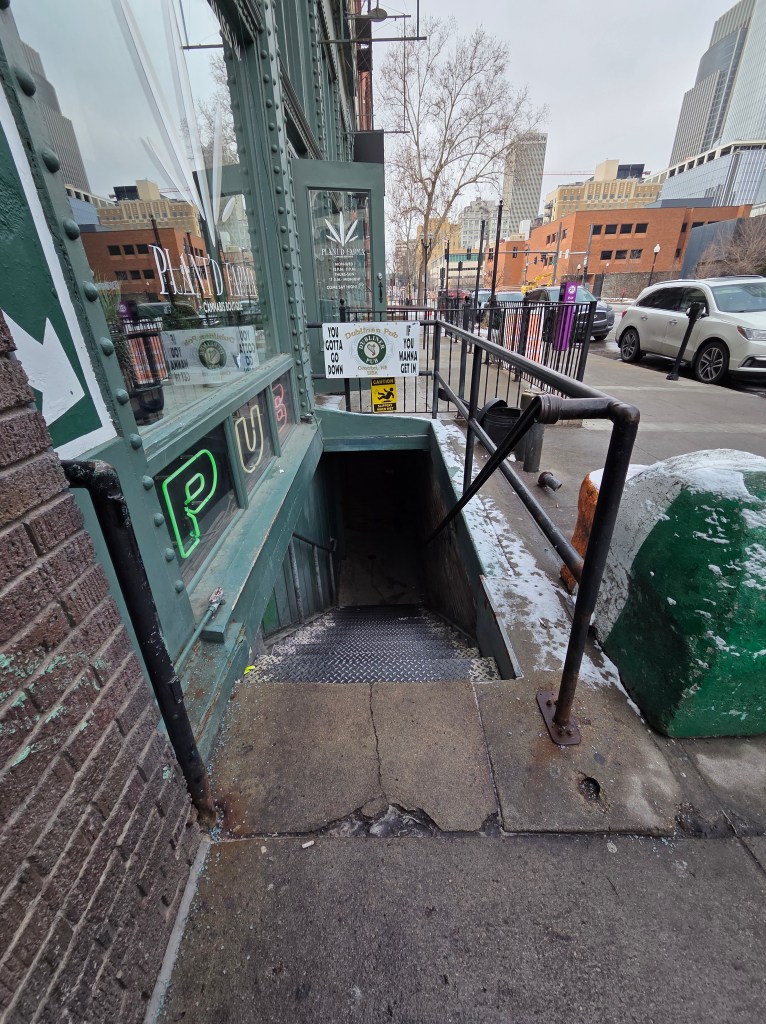
When the building was put up for sale in 1978, Paul McGill bought it and had it listed as an Omaha Landmark a year later, in addition to having it placed on the National Register of Historic Places. He converted the basement, which had been used for coal intake and storage, into Horbach’s Pub. Described as having an old-time speakeasy setting, the pub offered five brews on tap, free sandwiches, and buggy rides for its grand opening.

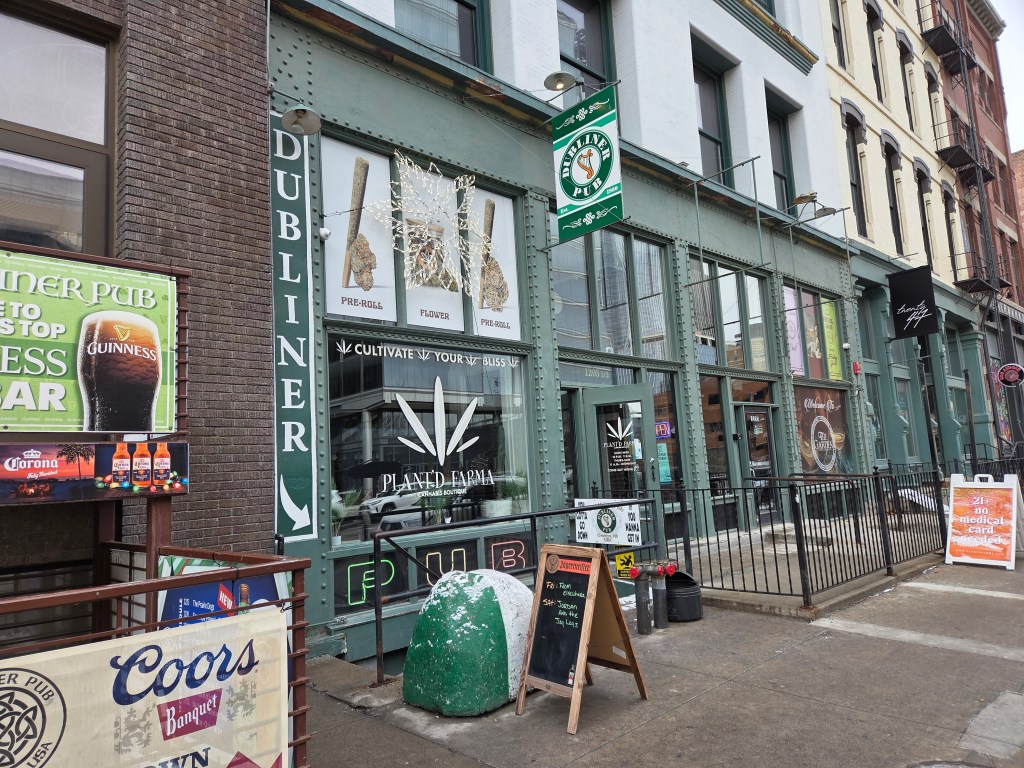
In 1982, Paul was convinced to change its name to the one we recognize today, the Dubliner Pub. After hearing that customers would often walk five or six blocks to find the pub, he installed a neon sign with a blinking green arrow above the steps leading to its entrance. This resulted in a dispute with the city, which stated that due to its landmark status, he could not alter the building without permission. After removing the sign, which was said to have been out of character with the building, he attempted to rescind its landmark status, only to have the request denied.
Though Paul favored the preservation of old buildings, he said he was not aware of the restrictions and feared they would prevent planned renovations. He did, however, succeed in adding stairs that led from its below-grade location up to the sidewalk.

The Dubliner would go on to become the closest thing Omaha had to an official Irish pub. In addition to the Blarney Stone out front, staff painted a large shamrock in front of the building in the early morning hours for St. Patrick’s Day. This was done to avoid a similar incident that had occurred at Marylebone a few years earlier, when someone was hit by a car while painting a shamrock. Furniture was removed to make room for revelers. Those arriving in the morning were treated to Irish coffee, green doughnuts, and rolls starting at 6 a.m. Irish stew was served along with corned beef and cabbage at lunch. The pub also hosted Irish musicians, including the Turfmen.
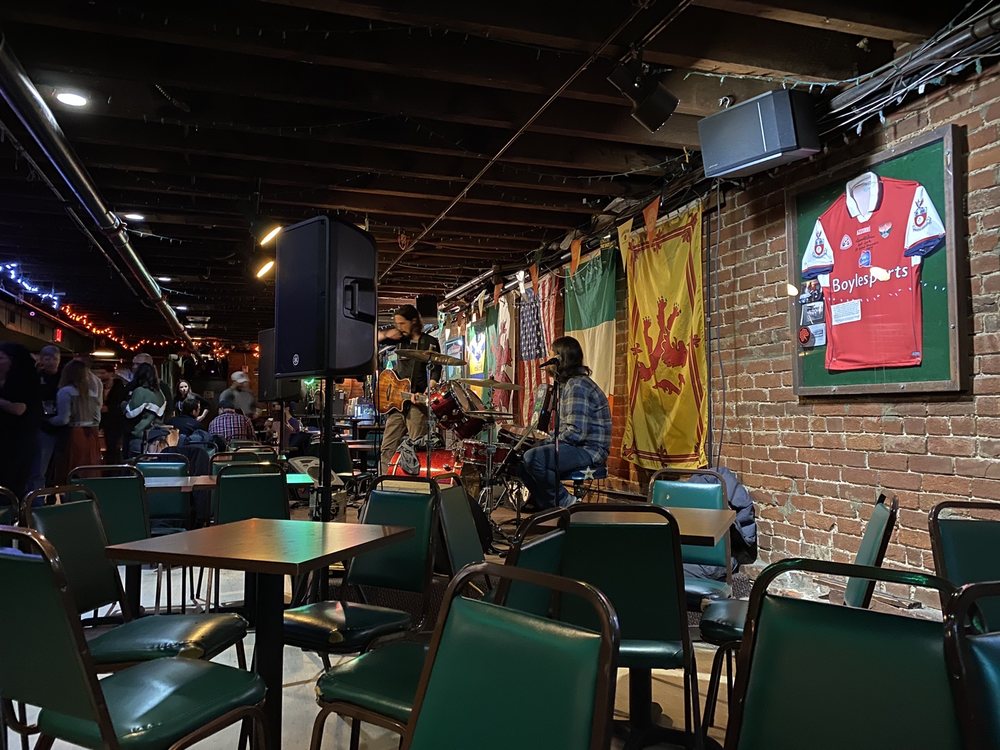
Paul operated the Dubliner until 1989, when he sold it to Dick Ward, who also operated the Dingle Bay Oyster Bar upstairs. Ten years later, it was sold to Frank and Cindy Vance. The couple was surprised to discover how closely the Dubliner resembled the pubs they had visited in Ireland. Along with its exposed brick walls, they preserved the character of the establishment and retained many of its artifacts and historical features, including metal hooks on the ceiling joists left over from its early days. To this day, visitors can drop in, enjoy a pint, and listen to live Irish folk music in what is annually named one of Omaha’s best Irish bars.
Content written by Omaha Exploration. If you enjoy my content, you can follow or subscribe on my Facebook page, sign up to receive emails or make a donation on my website. Thank you and keep exploring!
Omaha Exploration is sponsored by @Rockbrook Mortgage Inc.

Click here to learn about opportunities to sponsor Omaha Exploration!
Bonus pics


Subscribe
Type your email address below to be notified when a new story is posted.
Follow me on
Sponsor
Please contact me if you’re interested in sponsoring Omaha Exploration page: https://omahaexploration.com/contact-me/
 Omaha Exploration
Leave a comment