

In 1892 the City of Omaha purchased 100 acres of land that had long been used as a cow pasture. Located in Logan Heights, the land was purchased from William Distin for $90,000. Almost immediately there were complaints that such a price for a park in the middle of nowhere was too high. The park sat south of Ames between 42nd and 48th St in the area that would become North Omaha.
The city first considered naming the park Logan Park and Lincoln Park before finally settling on Fontenelle Park named after Logan “Shon-ga-ska” Fontenelle, a trader of both Omaha and French ancestry. He would serve as an interpreter for the Omaha tribe to a US Indian agent. His namesake park sat as a prairie for nearly 20 years. The city installed a pest house on the land in 1899 during a smallpox outbreak. Pest houses were used to quarantine people with contagious diseases.
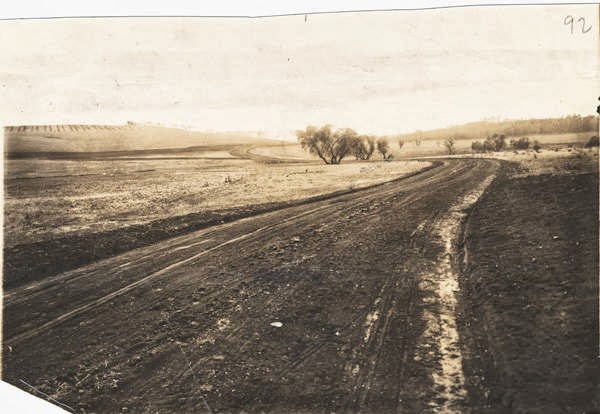
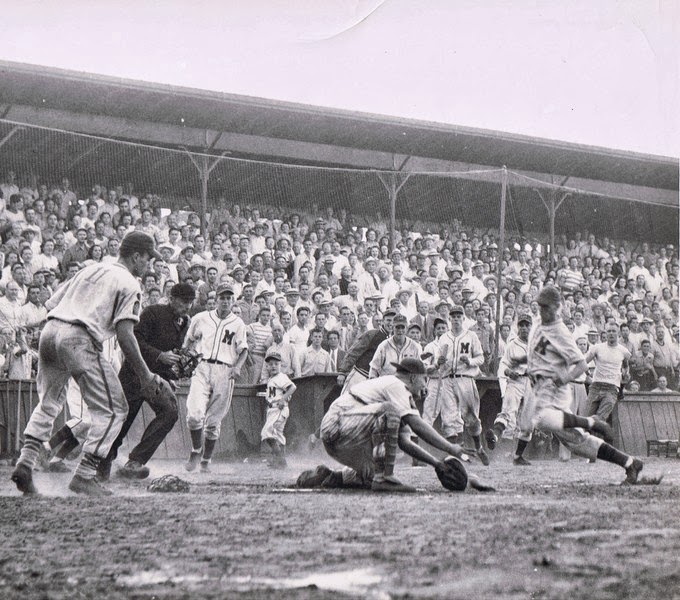
It would take 20 years after it was purchased for the park to achieve the vision of landscape architect Horace Cleveland who designed the city’s intertwined boulevard and park system. The remoteness of the park and its lack of streetcar access were primary reasons why it remained undeveloped for so long. In 1911 Fontenelle Boulevard was opened and cut through the park while linking it to Elmwood Park to the south and Miller Park to the north. That same year the park was graded, roads were laid out and the baseball field was built. The park which was officially dedicated in 1914 with a huge fireworks display hosted amateur baseball games that drew crowds of 11,000 for the next 25 years.
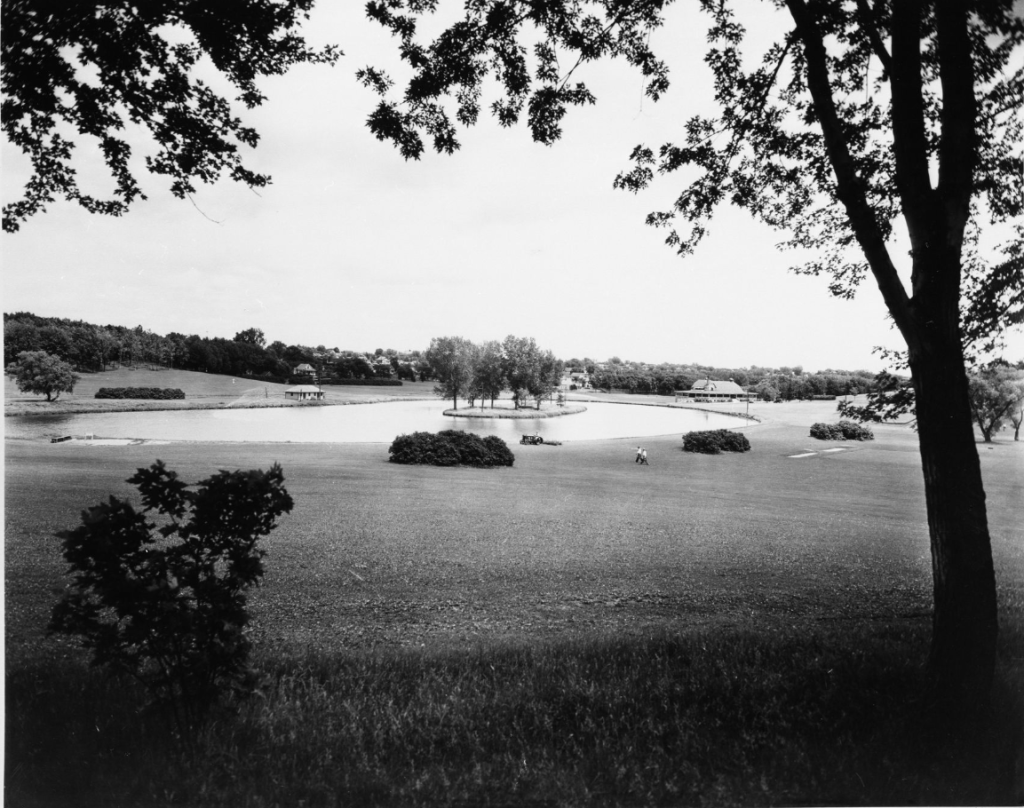
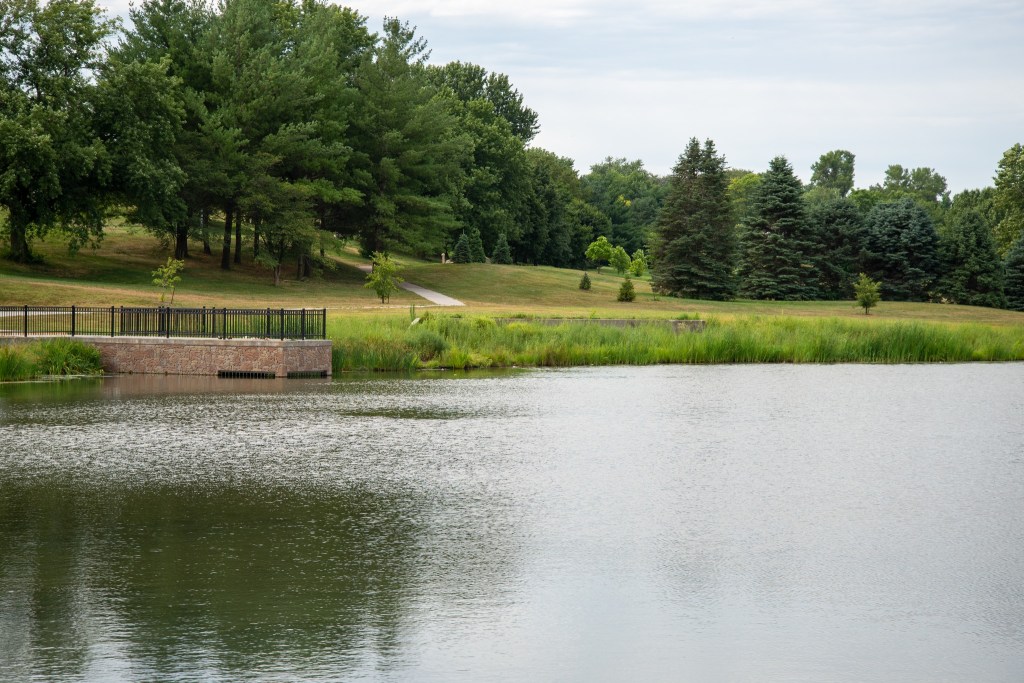
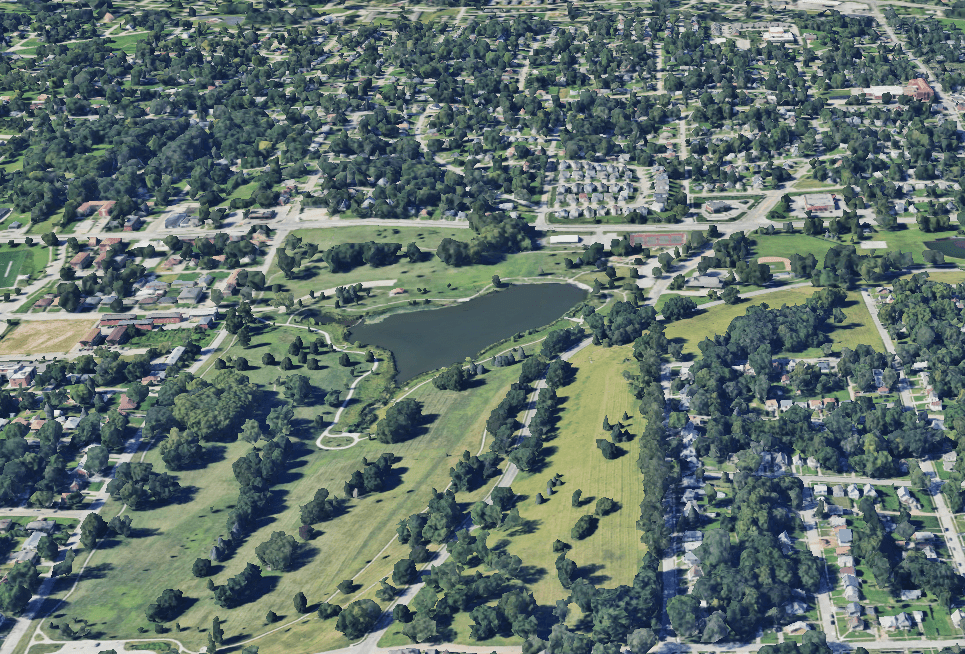
In 1915 a lagoon that was fed by a natural spring was created. Just one year later it was one of the best and most visited parks in Omaha. It remained popular in the winters as its lagoon was used for ice skating and its hills for sledding. By 1921 a nine-hole golf course that circled the lagoon was established and took up 80 acres on the western end of the park. Other features included picnic areas and a playground. Fontelle Park continued to host a fireworks display that was attended by 80,000 people annually.
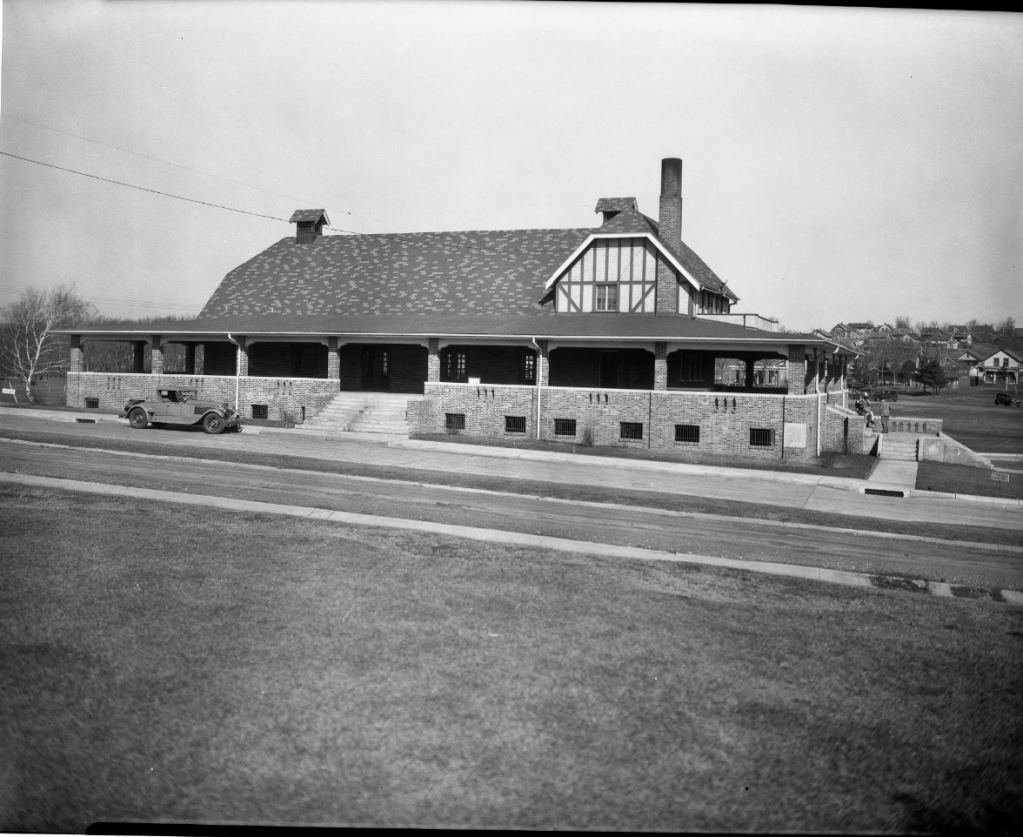
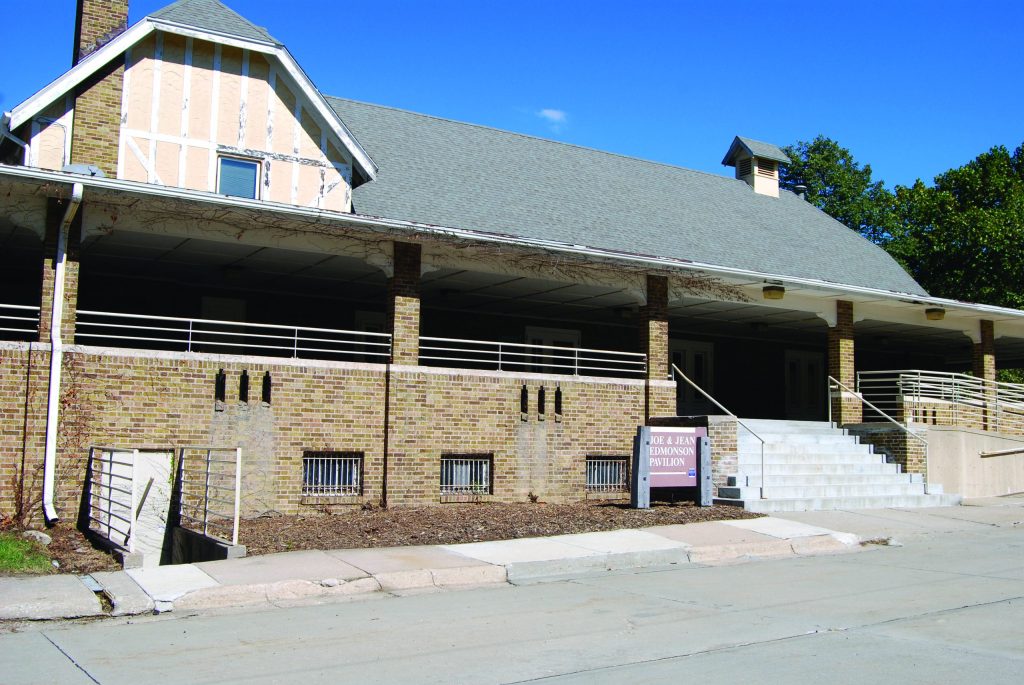
A two-story brick pavilion with a dining hall, dance floor, showers and wrap-around porch was constructed in 1927. As late as the 1930’s, Ames Avenue on its northern edge wasn’t a very busy street so the park offered a quiet, peaceful retreat. After Omaha’s professional baseball stadium on 24th and Vinton burned to the ground, the field at Fontenelle park played host to the American Legion finals. The hometown McDevitts won the national championship against Berwyn, Illinois in front of a crowd of 12,000. The seats, bleachers and ticket booths were installed only after 10,000 showed up to cheer the team on in the finals.
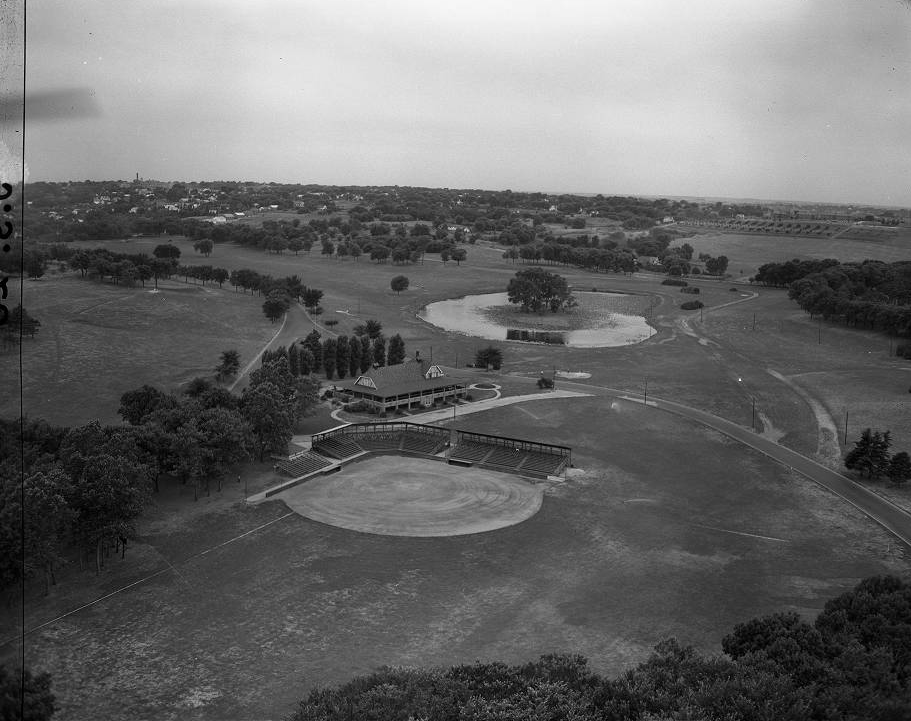
The next year the city rebuilt the park and changed the field orientation that faced southwest with first base along Ames Ave to facing northeast in addition to building a grandstand with a roof. It was at the time the best ballpark in Omaha. At one point consideration was given to using it as the city’s pro stadium which would serve as the home to the St. Louis Cardinals Triple-A affiliate in addition to hosting the College World Series. The idea was killed when neighbors complained that it would result in too much traffic, light and noise. As a result, Omaha ended up building Municipal Park (later known as Rosenblatt) in South Omaha in 1948. Amenities continued to be added as tennis courts were installed in 1964.
In advance of the VFW’s annual fireworks display, the city had to round up the large number of wildlife and temporarily move them to the Nebraska Humane Society. That became too large of an effort to repeat so the fireworks display ceased at the park in 1975. Decades of neglect followed including the removal the baseball field’s grandstands.

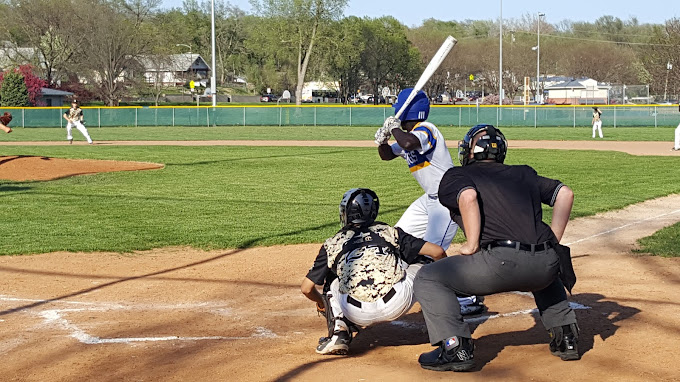
Among the older parks in Omaha, Fontelle has a colorful past and despite being under utilized and largely ignored for a number of years, the city is once again investing in the park as part of a transformation into scenic destination full of activities and amenities for families. In addition to drawing more people to the park there is hope that it will reduce crime in the area. Some of the recent imprvements include rebuilding the baseball field to serve as the home for the Omaha North High School baseball and softball teams. Spraygounds were added in 2009 and additional walking paths and open fields were added following the removal of the golf course. A disc golf course was added in 2023 and the lagoon expanded and stocked with fish. The pavilion which housed the Joe Edmondson YMCA was renovated. The park also has two basketball courts, new picnic shelter, tables and grills and a six foot wide walking trail which allows for a 1.5 mile loop.
Please feel free to comment and share your memories.
Until next time, keep exploring!
Bonus pics


Subscribe
Type your email address below to be notified when a new story is posted.
Follow me on
Sponsor
Please contact me if you’re interested in sponsoring Omaha Exploration page: https://omahaexploration.com/contact-me/
 Omaha Exploration
Leave a comment