
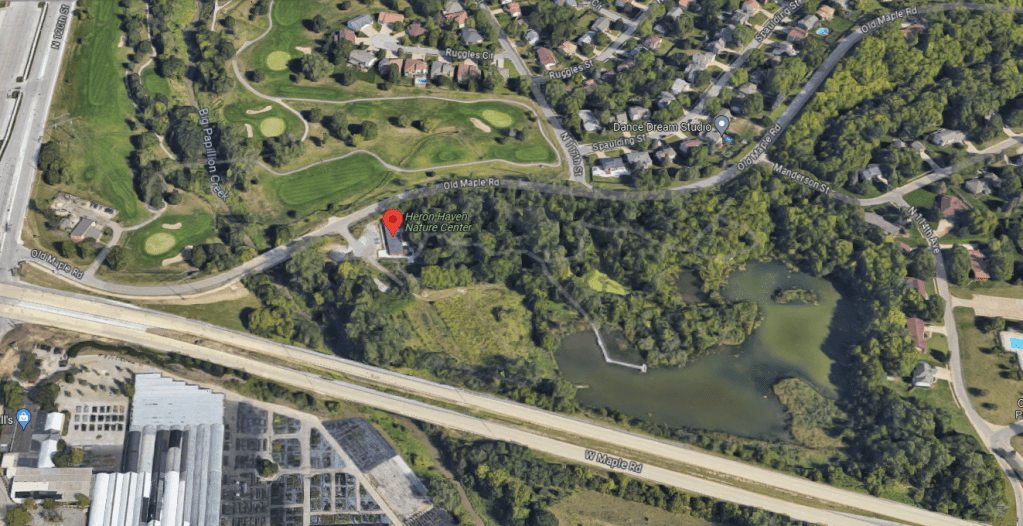
The wetlands that make up the unique inner city sanctuary known as Heron Haven were nearly wiped out and replaced with a large apartment complex. Located north and east of 120th and West Maple Road, preservationists put up a fight to protect it – the last oxbow wetland inside the city limits.

By that time, Nebraska had lost 35% of wetlands which were seen as important as they stored floodwaters, recharged ground water and filtered out pollution. To prevent further losses, the Audubon Society of Omaha, Papio-Missouri River Natural Resources District (NRD) and individual donors raised the money to purchase the land in 1992. Among those donors were more than 500 school children that collected cans, completed odd jobs and saved leftover lunch money.

The real work began after the land was acquired. Volunteers removed trash from the site that included refrigerators, old concrete and tires. The effort extended to the removal of invasive plants that were not natural to the area, planting of wildflowers to attract butterflies and trees to muffle the road noise.

With the cleanup finished, they raised the depth of the water by two feet allowing it to return to a single body of water. A parking lot, trails, a boardwalk and viewing stands were constructed. This allowed visitors to observe wildlife that is rarely seen in the city including mink, foxes, deer, turtles and woodchucks.

The organizations continued to acquire adjacent land and eventually expanded the site to 16 acres. This included a building at 11809 Old Maple Road that once served as Gillie’s Place, City Limits Saloon and the Old Maple Inn. Built in 1952, the building was repurposed as the nature center.

In 2006, a non-profit called the Friends of Heron Haven was formed to manage the area. The group is dedicated to the restoration and preservation of the natural attributes of the wetland as well as the maintenance and development of the facilities and exhibits.
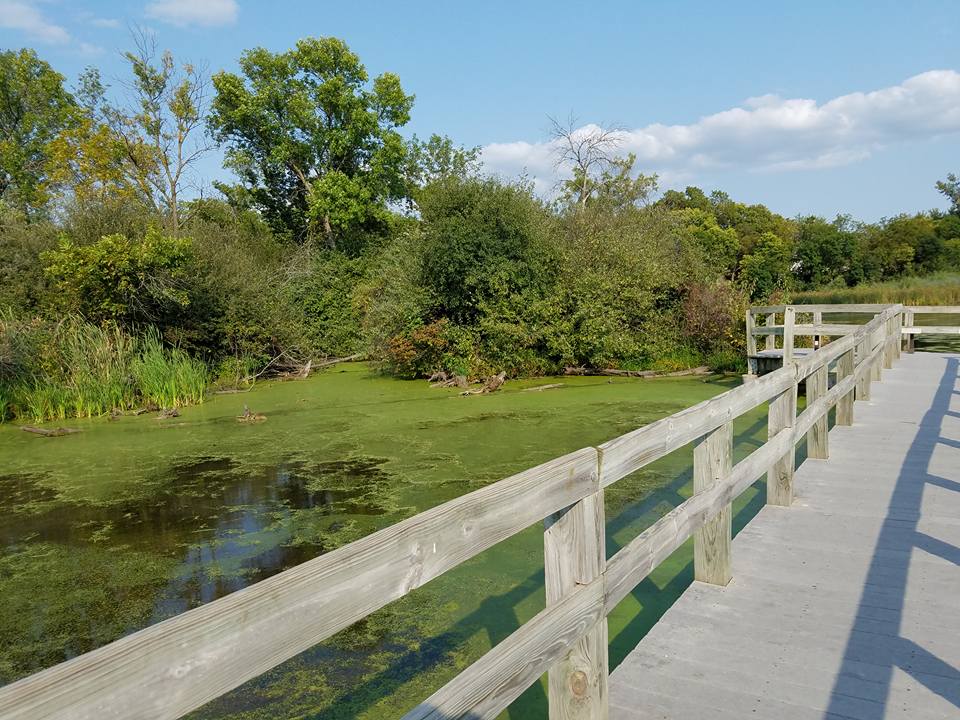
Today Heron Haven is free to visit and offers programs including field trips, organized hikes, nature photography clubs and other monthly events. Biology and ecology students from local schools and universities visit to conduct ecological studies and surveys of native plants and aquatic animals. It’s also popular with school children and the Boys and Girls Scouts.
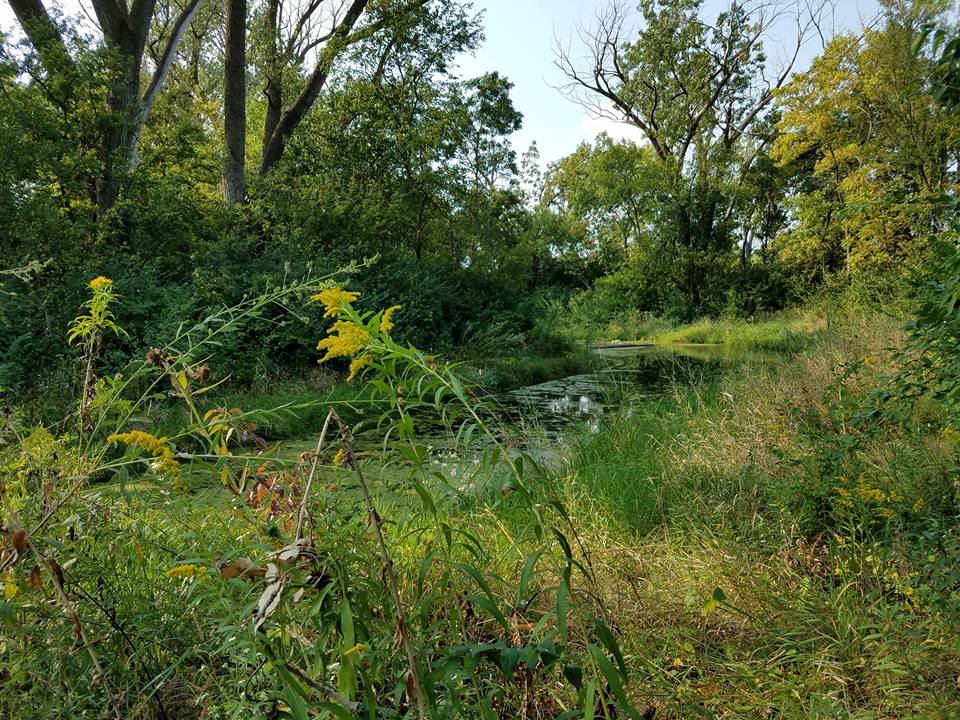
The trails while short offer a serene setting and a remain a great place to catch glimpses of wildlife. The Education Center hosts lectures and courses on conservation, birding, photography and natural history. It also houses a small nature museum and a library.
Content written by Omaha Exploration. Feel free to leave a comment or a suggestion. Until then, keep exploring!
Bonus Pics



 Omaha Exploration
Leave a comment